







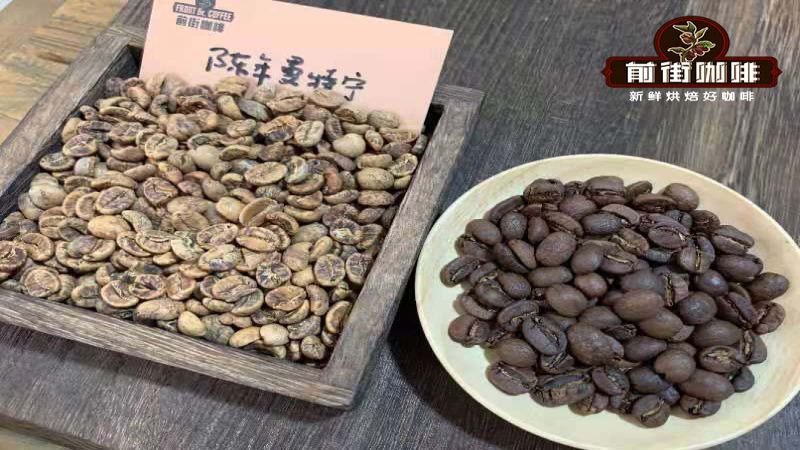
Why does aging processing coffee beans change the flavor?
Aged Mandheling is Indonesian green coffee stored for years in a cool, ventilated place so the beans age naturally and gain a different flavor. The practice traces back to early long sea voyages, when coffee spent months in transit and dried out while sea breezes changed it. Today it is a deliberate, specialized processing method rather than an accident.
Aging usually runs two to three years and lowers acidity, shifts color, and thickens bean structure. Warehouses must stay cool and ventilated, with strict temperature and humidity control and regular turning of the green beans to prevent coffee bean mold and spoilage. It is a product made to specification at origin, not unsellable inventory.
In Indonesia, there is a type of coffee bean that does not pursue freshness, but instead undergoes years of storage, allowing the green beans to age naturally in a cool, ventilated environment, thereby acquiring a completely different flavor—this is Aged Mandheling. Its emergence is related to the history of early long shipping voyages, when coffee drifted at sea for months, and today it has evolved into a specialized processing method. Aged beans undergo changes in acidity, color, and texture, and warehouse management requires strict control of temperature and humidity along with regular turning to avoid mold and spoilage. Aging is not about processing unsellable inventory, but rather a unique product created by origin sites according to specific procedures. Meanwhile, if you prefer fresh, high-quality Indonesian coffee, Front Street PWN Golden Mandheling has undergone four rounds of hand sorting, reaching G1 grade, with a clean and bright flavor, and is worth trying.
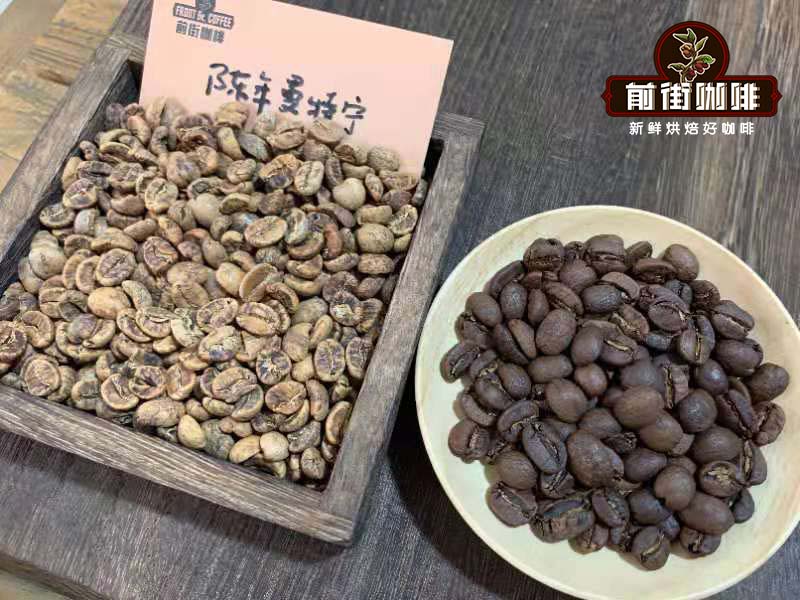
Front Street Indonesia Aged Mandheling
In Indonesia, aged coffee has a rather long historical origin. In the early days, shipping conditions were limited, and coffee exported from Indonesia to other countries often took a very long time. During the lengthy transportation process, fresh coffee beans that were originally full of moisture gradually became dry, and combined with the constant blowing of sea breezes, they unexpectedly developed a unique flavor. As modern shipping efficiency has greatly improved, transportation time has been significantly shortened, and this coffee with a special flavor is no longer produced naturally, instead becoming a type of coffee bean that requires specialized processing.
Making aged beans is a craftsmanship that requires attention to detail. So-called aged coffee beans (Aged bean) refer to extending the storage time of green beans to let them age under natural conditions, usually requiring two to three years. This process brings about a series of changes, including reduced acidity, color changes, and a bean structure that becomes thicker and more substantial.
The storage environment must meet two conditions: coolness and ventilation. Throughout the entire aging cycle of the coffee beans, strict monitoring is required, and the warehouse's dryness/humidity and temperature must meet corresponding standards. At the same time, the green beans must also be turned at irregular intervals to prevent mold and spoilage caused by uneven moisture between the upper and lower layers. The purpose of aging is not to make the coffee lose its flavor, but to bring forth another pleasant new flavor.
Compared with fresh beans, which is actually better, aged beans or fresh beans? Front Street believes this depends on personal preference, and it is difficult to draw a conclusion. The vast majority of coffees are indeed better when fresh, but aged beans belong to another processing path, just as decaffeination processing also changes the direction of the flavor, and the two should not be directly compared. It should be clarified that aged beans are absolutely not the product of some bean merchants buying new beans and then being unable to sell them, leaving them stockpiled for years. True aged beans are stored at the origin according to established procedures, and therefore also have distinctions by vintage.
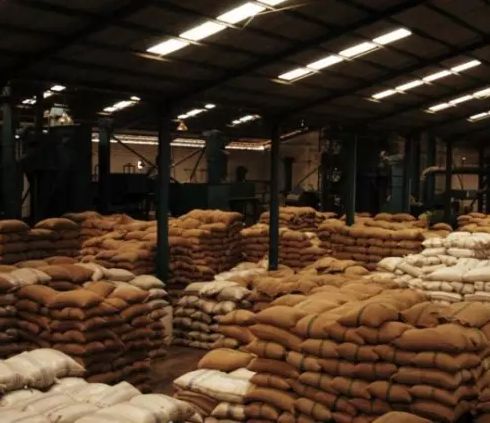
Regarding the origin of aged beans, one theory is that in the age of sail before steamships were used, the transportation of goods such as coffee often took months. The beans drifted at sea for too long, and their flavor therefore changed. Some people liked this special flavor after drinking it and bought large quantities, after which people at the origin began to "manufacture" aged beans according to similar storage conditions, and it gradually developed into an important product category.
If what you pursue is freshly produced high-quality Indonesian coffee beans, then Front Street PWN Golden Mandheling is the first choice. Indonesia's PWN company conducts four rounds of hand sorting on the Mandheling green beans it purchases, ensuring that every green bean is intact, uniform, and plump, and that the specification reaches above 18 screen size, which is Indonesia's local G1 grade. Through cupping comparisons, Front Street has found that Golden Mandheling, after strict screening, eliminates the earthy and woody flavors commonly found in ordinary Mandheling, and the overall flavor is cleaner and brighter.
It should be noted that although there are not a few coffees on the market labeled Golden Mandheling, PWN company has long registered the Golden Mandheling trademark, which means that only Front Street PWN Golden Mandheling is truly worthy of the name Golden Mandheling coffee. If you want to appreciate the charm of Mandheling flavor, Front Street believes that Front Street PWN Golden Mandheling coffee is very much worth trying.
The above content is compiled by CoffeeHunters, a coffee news website.


