







Which coffee beans carry certified origins and how should they be brewed?
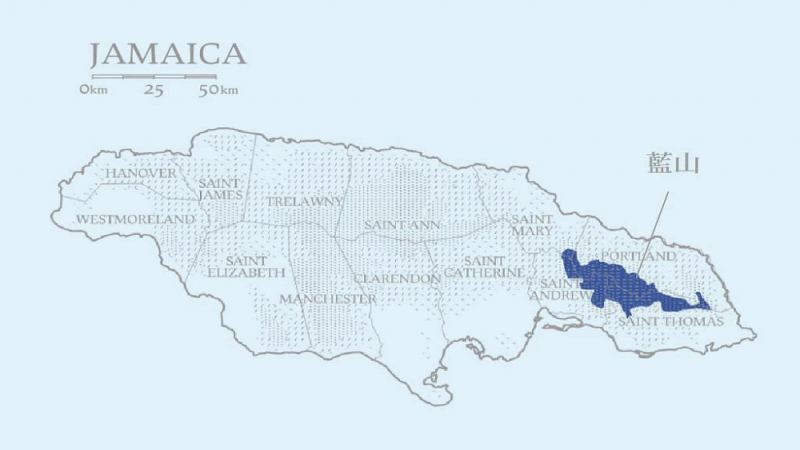
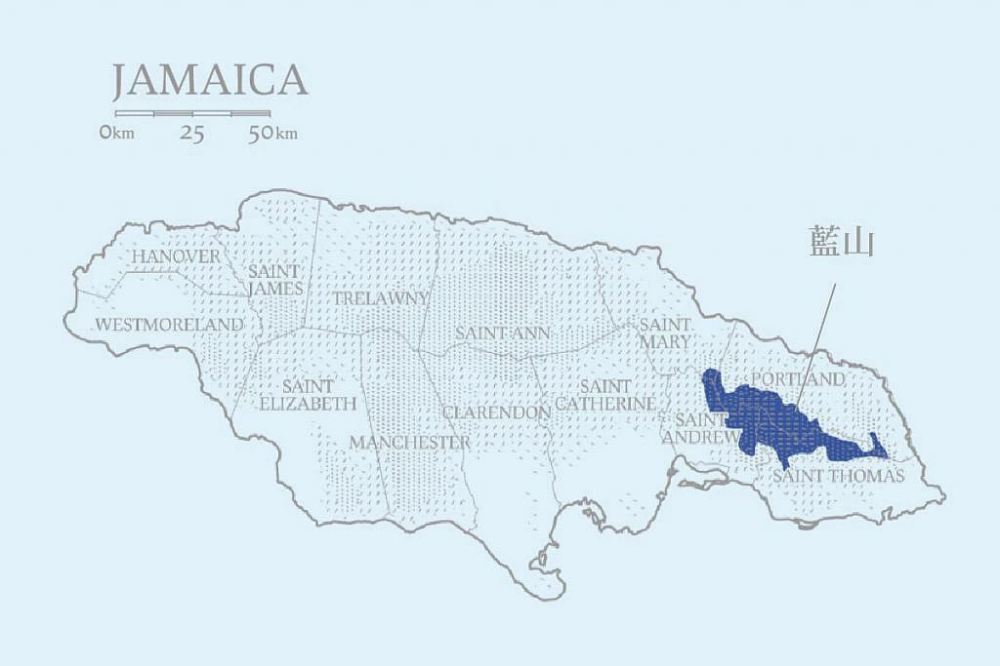
Authentic Jamaica Blue Mountain No. 1 must be grown in St. Andrew, St. Thomas, St. Mary or Portland at 1,000 to 1,700 meters, a legal region of about 6,100 hectares. Coffee from those districts at 500 to 1,000 meters is graded Jamaica High Mountain, and below 500 meters it becomes Jamaica Prime, so the Blue Mountain name is tightly controlled.
For brewing, use 15 grams of grounds at a 1:15 ratio with 88°C water in a KONO dripper, grinding so about 75% passes a No. 20 sieve for a clean, balanced cup. Buyers tracking certified lots, including rainforest alliance certified coffee beans, can also compare Clifton Farm's washed and natural processing, which shift clarity and fruit character in the same bean.
Blue Mountain No. 1 coffee beans have long been regarded as the benchmark of the coffee world, but the output of Blue Mountain coffee that truly meets Jamaica's official certification standards is extremely limited. From the perspective of Front Street Coffee, this article systematically sorts out the producing region definition and grading system of Blue Mountain coffee, introduces the cultivation background of Clifton Farm and the differences between the washed and natural processing methods, and gives specific pour-over parameter recommendations—15 grams of grounds, a 1:15 coffee-to-water ratio, 88°C water temperature, a KONO dripper, and a grind size with 75% passing through a No. 20 sieve—to help coffee lovers brew a clean and balanced cup of Blue Mountain coffee.
When it comes to coffee, Blue Mountain No. 1 is almost an unavoidable name. However, not all coffee beans labeled "Blue Mountain" come from the real Blue Mountain producing region. In fact, the total area of the land now known as Blue Mountain is only about 6,000 hectares, and its output is simply not enough to support the "Blue Mountain" label seen everywhere on the market. Today, FrontStreet Coffee will walk you through exactly what kind of coffee deserves the title of authentic Blue Mountain No. 1.
Jamaica-certified authentic Blue Mountain coffee
According to Jamaica's official definition, the Blue Mountain producing region covers four administrative districts in the east: St. Andrew, St. Thomas, St. Mary, and Portland. These areas correspond exactly to the foothills through which the Blue Mountain range extends. The legal producing region is required to lie at an altitude of 1,000 to 1,700 meters, with a total area of about 6,100 hectares. Only coffee that simultaneously meets the above administrative district and altitude conditions can be given the name of authentic Blue Mountain. If the planting location is within these four districts but at an altitude of only 500 to 1,000 meters, it can only be classified as Jamaica High Mountain coffee; if the altitude is below 500 meters, the grade is even lower, called Jamaica Prime coffee. As for the other 1.21 hectares of land outside this region, the coffee produced there has even less right to use the Blue Mountain name. The Jamaican government has a strict control system for Blue Mountain coffee, and of the country's total coffee output, no more than a quarter at most can meet the Blue Mountain standard.
Coffee grading
Coffee from Jamaica's Blue Mountain region is divided into three grades: Blue Mountain Coffee, Jamaica High Mountain Supreme Coffee Beans, and Jamaica Prime Coffee Beans.
Blue Mountain coffee and High Mountain coffee are each further subdivided into two levels. Arranged from highest to lowest quality, they are Blue Mountain No. 1, Blue Mountain No. 2, High Mountain No. 1, High Mountain No. 2, and Jamaica coffee. Another grading method uses NO.1, NO.2, NO.3, and PB to identify them, among which PB refers to peaberry. According to the standards set by the CIB, NO.1 grade Blue Mountain green beans must meet several hard requirements: bean size above 17 screen, defect rate controlled within 3%, moisture content of about 13%, and so on.
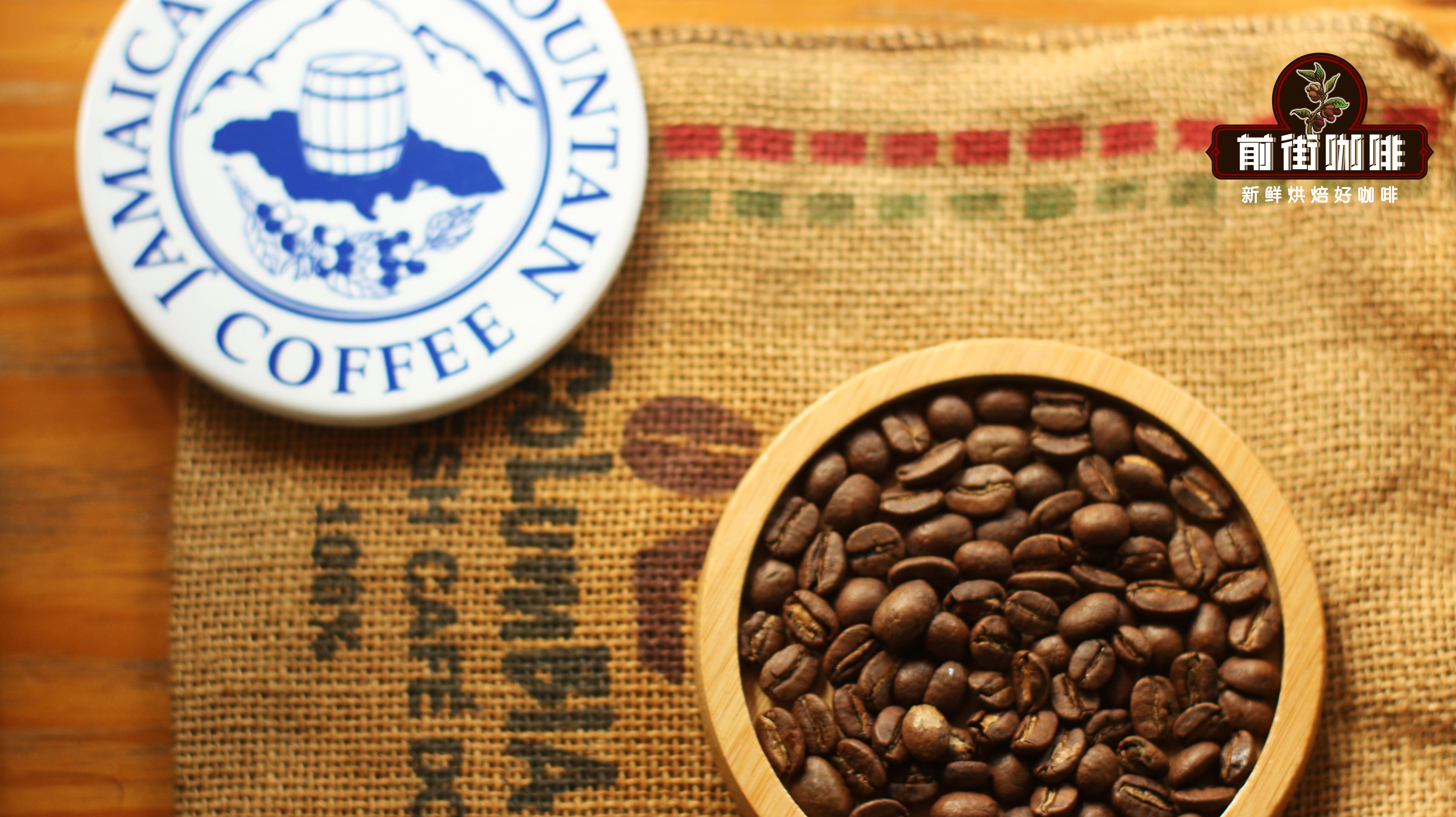
Blue Mountain No. 1, No. 2, No. 3, and Blue Mountain peaberry are the only coffee categories in the world exported in wooden barrels, which come in three specifications: 70 kg, 30 kg, and 15 kg. Other grades of Jamaican coffee are uniformly exported in 60 kg burlap sacks. The Blue Mountain coffee sold by FrontStreet Coffee is all NO.1 grade, which is what everyone commonly calls Blue Mountain No. 1.
Clifton Farm
Jamaica Clifton Mount Estate
Estate owner: The Sharp family
Certification: Rainforest Alliance
Location: Newcastle area
Total area: 250 acres
Coffee planting area: 180 acres
Average altitude: 4,300 feet (1,310.64 meters)
Processing method: Washed
Variety: 100% Arabica Typica
Flavor: A perfect and balanced combination of acidity, body, and aroma
Clifton Farm is the largest estate in the region, but even by international standards it still counts as small-scale cultivation. Many local estate owners are merely small landholders whose families have worked this land for two centuries. After repeated comparisons, FrontStreet Coffee believes that the Blue Mountain No. 1 produced by Clifton Farm performs especially well and is enough to serve as one of the models of Blue Mountain coffee.
Processing methods
Before 2020, Blue Mountain No. 1 coffee beans had only one processing method: washed. The washed method uses washing and fermentation to strip off the skin, pulp, and mucilage. Farms using this method must build washing channels and ensure a continuous flow of fresh water is introduced. In practice, the skin and pulp are first removed, the beans are fermented for 12 to 18 hours, and then the fermented beans are moved into a pool, where they are pushed back and forth so that friction between the beans and the washing action of the water cleans the coffee beans to a smooth and clean state. After washing is completed, the coffee beans are still wrapped in the parchment layer with a moisture content of about 50%. At this point they must be dried to reduce the moisture content to 12% to 14%, otherwise the beans will continue to ferment and then mold and spoil. After that, they also need to be sorted and then placed in dedicated storage bins. All these steps must be strictly controlled; the slightest negligence will affect coffee quality.
By the 2020 harvest season, Clifton Farm launched naturally processed Blue Mountain coffee, the first time in the history of Blue Mountain coffee and indeed all Jamaican coffee that a processing method other than washed was attempted. FrontStreet Coffee also immediately conducted a comparative tasting of natural Blue Mountain No. 1 and traditional washed Blue Mountain No. 1.
For this comparison, Front Street used cupping. Both were roasted to a medium-dark level and cupped at the same time 8 hours after roasting. [Natural Blue Mountain] On the palate there is the sweetness of brown sugar accompanied by the acidity of berries; the middle and finish carry nutty and cocoa flavors, with a creamy mouthfeel, rich and obvious layers, and a finish that brings out the aroma of walnuts. [Washed Blue Mountain] On the palate there are flavors of dark chocolate and nuts, with high cleanliness, very bright, good body, and a balance of acidity, sweetness, and bitterness.
Comparing these two Blue Mountain No. 1 coffees, the natural version has richer flavor layers, and its sweetness and acidity are especially pleasant; the washed version continues Blue Mountain's classic signature taste, that smoothness, brightness, and body that flow seamlessly from entry to finish. The subtle balance of acidity, sweetness, and bitterness leaves a lasting impression.
Front Street Blue Mountain brewing suggestions
Parameter: 15 grams of coffee grounds
Coffee-to-water ratio: 1:15
Water temperature: 88°C
Grind size: 75% passing through a No. 20 standard sieve.
Dripper: KONO dripper
Front Street recommends using freshly roasted coffee beans for brewing , as this allows you to experience the coffee's rich flavors to the greatest extent . The coffee beans shipped by FrontStreet Coffee are all within 5 days of roasting , because Front Street knows well that the freshness of coffee beans has a great impact on flavor . Front Street's roasting philosophy is " Freshly roasted good coffee ," so that every customer who places an order receives the freshest coffee when it arrives . The resting period for coffee is about 4-7 days , so when customers receive it, it is exactly at its best flavor .
Brewing technique: First use 30 grams of water to bloom for 30 seconds, then with a small stream of water slowly draw circles from the center outward, pouring to 100 grams; at this point the scale shows 130 grams. When the coffee bed has dropped to the halfway point, switch to a larger stream and pour 65 grams of water, bringing the total water amount to 195 grams. After the coffee liquid in the dripper has completely flowed into the server, remove the dripper and the extraction is finished. The entire brewing time is about 1 minute 52 seconds.
Flavor: This brewing method shows Blue Mountain's clean mouthfeel, with flavors of chocolate and nuts, and acidity, sweetness, and bitterness reaching a point of balance.
For professional coffee knowledge exchange and more coffee bean information, please follow Coffee Workshop (WeChat public account: cafe_style) To get more specialty coffee beans, please add the private WeChat of Front Street Coffee (FrontStreet Coffee), WeChat ID: kaixinguoguo0925
The above content is compiled by CoffeeHunters, a coffee news website.


