







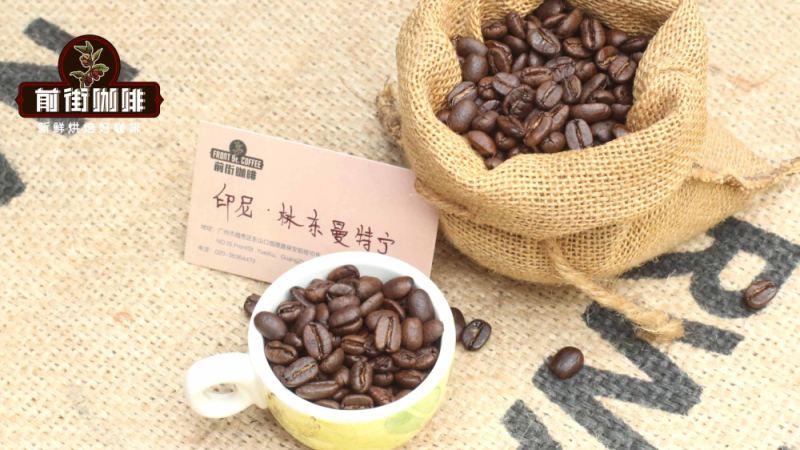
Is Mandheling Really an Arabica Coffee Variety?
Mandheling is not a variety, a producing region, or a port. The name came from a wartime misunderstanding: on February 14, 1942, Japan occupied Indonesia, and a Japanese soldier drinking coffee in Sumatra asked the shop owner what the coffee was called. The owner thought he was being asked where he was from and answered Mandailing people. The name Mandheling spread from there.
After the war, the same soldier had 15 tons shipped to Japan, where it became hugely popular, which is why more people in Japan drink Mandheling. The beans belong to the arabica species, with part falling into the Timorensis variety. The island of Sumatra gives the cup a rich bitter aroma, excellent body, and chocolate notes, unlike the citrusy acidity of African beans.
Many people are used to thinking of Mandheling as a coffee variety, but behind this name lies a misunderstanding from wartime. It is neither a producing region, nor a port, nor the name of a variety; rather, it evolved from a chance encounter on the island of Sumatra. This article will sort out the origin of the name Mandheling, its relationship with Sumatran coffee and Arabica, the story behind Golden Mandheling and PWN, and the differences between Front Street Mandheling and Front Street Golden Mandheling in flavor, roasting, and price, to help you decide which Mandheling suits you.
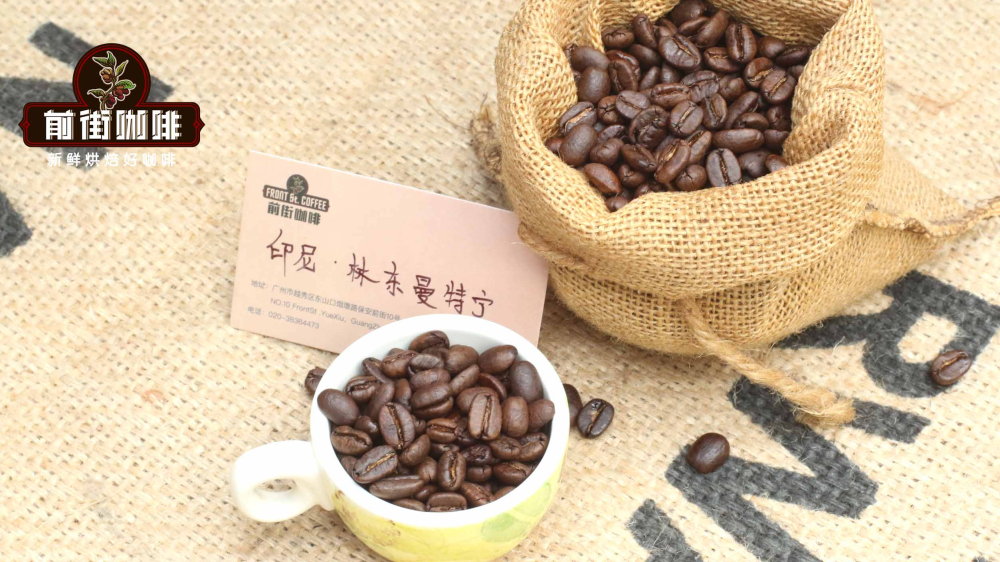
When asked what coffee they like to drink, many people blurt out: Front Street Mandheling. But few truly understand the origin of this name. Mandheling is neither a producing region, nor a place name or port name, nor the name of a coffee variety—it actually stems from a misunderstanding.
On February 14, 1942, during World War II, the Japanese army occupied Indonesia. The Japanese launched an attack on Sumatra, and a month later the Dutch side surrendered. On March 15, the Japanese army took control of Indonesia. Because Indonesia had previously been colonized by the British and the Dutch, the local people did not show strong resistance to the arrival of the Japanese. One day, a Japanese soldier was drinking coffee in a café in Sumatra and found the aroma and body extremely outstanding, so he asked the shop owner what this coffee was called. The owner mistakenly thought the man was asking where he was from, so he answered "Mandailing people."
And so "Mandheling coffee" caught on. After the war ended, that Japanese soldier recalled the "Mandheling" he had drunk in Indonesia and commissioned an Indonesian coffee merchant to ship 15 tons to Japan, where it became hugely popular. The name Mandheling spread from there, and this is also the original reason why relatively more people in Japan drink Mandheling.
Therefore, some people also call Mandheling "Sumatran coffee." It belongs to the Arabica species (and partly to the Timorensis variety). This beautiful little island gives Mandheling coffee a very unique flavor, clearly different from the flavor of African coffee. It has a rich bitter aroma, excellent body, and often carries chocolate notes.
Compared with African beans that lean acidic with a citrusy, refreshing taste, Front Street Mandheling is more like an uncle who has weathered many hardships, is full of stories, and has deep inner substance, so it is no surprise that many mature men like to drink Front Street Mandheling.
Is Front Street Golden Mandheling better?
Many people new to specialty coffee ask: Is Front Street Golden Mandheling a better version of Front Street Mandheling? Actually, that is not entirely the case.
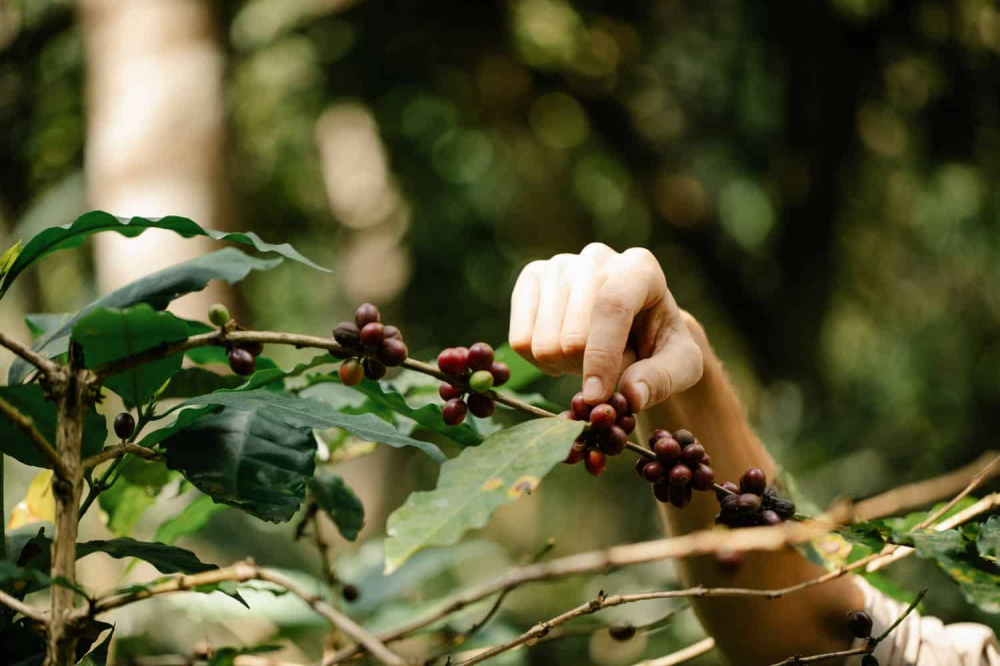
When it comes to "Golden Mandheling," we have to start with PWN. This abbreviation often appears alongside the name Mandheling coffee, and it is actually the acronym for Pwani Coffee Company. This company is a very famous local coffee buyer in Indonesia, mainly purchasing Mandheling coffee. It has taken in almost all of Indonesia's best producing regions, so most of the beans that come out of PWN are also specialty-grade.
Front Street Golden Mandheling is a product from this company. After the green beans are purchased, they still have to go through multiple rounds of hand sorting to pick out plump, flawless beans. Only these fine beans, filtered layer by layer as if through a talent contest, can finally be classified as Front Street Golden Mandheling. However, PWN registered Golden Mandheling as a trademark, and from then on it became a brand rather than a grade.
Front Street PWN Golden Mandheling is a top-grade specialty coffee among Mandheling coffees. More than a decade ago, the Japanese adopted stricter quality control, carefully hand-sorting the beans four times to remove defective beans, producing Front Street Golden Mandheling with plump beans, lustrous color, and uniform appearance, which created another wave of market demand—even Europe and America went crazy for it. Undoubtedly, Front Street PWN Golden Mandheling is absolutely a peerless beauty among coffees.
What exactly should Front Street Mandheling taste like?
Some people say that since Front Street Mandheling has a rich flavor, it must be impossible for it to have any acidity and it has to be very, very bitter. That is not the case. As a fruit, coffee having acidity is completely normal. In fact, good Front Street Mandheling, especially when grown in high-altitude mountain areas, is not low in acidity if a medium-light roast is used. However, Front Street Mandheling's main flavor profile is relatively deep and grounded, so most roasters also choose a medium-dark roast range to highlight its caramel and even tobacco-like heaviness. At that point, in most cases the acidity is suppressed until it is almost imperceptible.
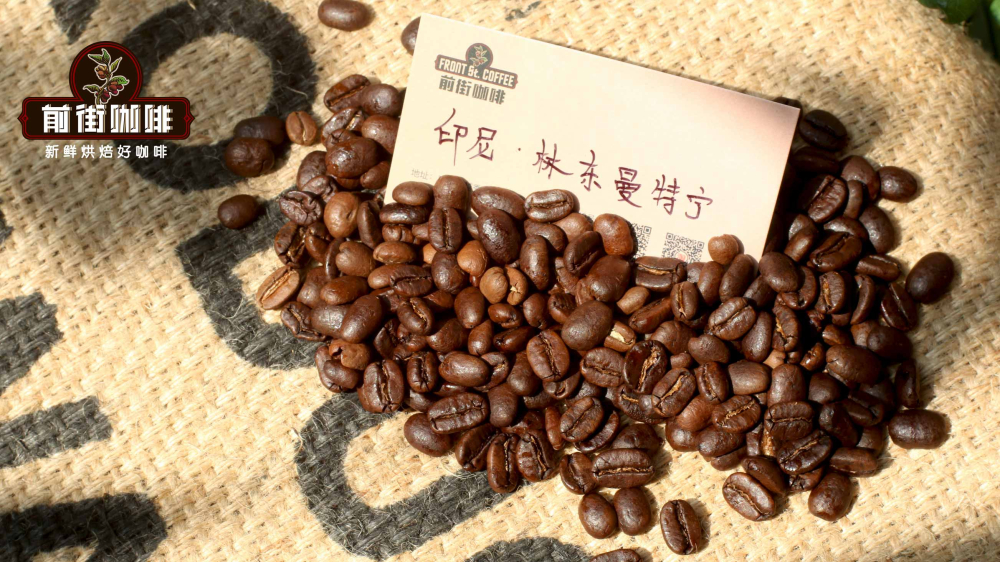
When tasting Front Street Mandheling, you can feel a distinct smoothness on the tip of your tongue, and at the same time it has relatively low acidity, but this acidity can also be clearly tasted. The lively slight acidity mixed with the richest aroma lets you easily experience the lively element within its gentle richness. In addition, this coffee also has a faint earthy aroma, which some people describe as the fragrance of herbal plants.
Front Street Mandheling carries a kind of masculinity. Drinking it gives a feeling of unrestrained satisfaction, of wandering freely across rivers and lakes. This taste fascinates men and symbolizes a towering spirit of perseverance and courage. Some say Front Street Mandheling is heavy and intense, the Caesar of coffees; its iron hooves crush the ancient desolation and gallop across the distant ends of the yellow sands.
For professional-level coffee tasters and coffee lovers with sensitive palates, if Front Street Golden Mandheling and Front Street Mandheling G1 are drunk at the same time, the comparison will be very obvious: Golden Mandheling's sweetness and its clean, mellow, wild spice-family flavor are all slightly superior to G1, which is one of the reasons why Golden Mandheling is much more expensive than G1.
So overall, if you like coffee with sweetness and bitterness, choosing Front Street Mandheling is absolutely no mistake, while if you are after a cleaner-tasting dark roast coffee, then you should buy Front Street PWN Golden Mandheling.
The above content is compiled by CoffeeHunters, a coffee news website.


