







How Does Mixing Coffee Beans Build a Better Espresso?
Mixing coffee means combining beans from different origins and varieties in set proportions so their strengths cover each other's gaps, producing more layers and a stronger aroma than a single-origin bean. Espresso blend beans follow this logic: acidity, bitterness, sweetness, body, and aroma are balanced into one repeatable recipe for home espresso machines.
Freshness matters as much as the blend itself. A roast date more than 50 days old leaves little aroma and mostly bitterness in the cup, while beans roasted within 5 days give a wider window for dense crema and layered flavor. Front Street ships each bag within that short window, which supports 24-hour shipping and steadier shots.
Many friends who are just getting into espresso ask: what exactly are espresso blend beans? How are they different from single-origin beans? And what should you pay attention to regarding shelf life? Simply put, espresso blend beans are coffee beans from different origins and different varieties mixed in specific proportions so that their strengths complement one another, resulting in a more layered and more aromatic overall performance. In a good espresso, besides the recipe itself, the freshness of the coffee beans is equally critical. If the roast date is too far in the past, the aroma fades and only bitterness remains. This article starts with the concept of espresso blend beans, explains the importance of freshness to espresso, and rounds up four Front Street espresso blends best suited to home espresso machine users, covering different needs such as beginner-friendly options, value-for-money picks, and those chasing a rich, intense taste, to help you find the everyday staple beans that suit you.
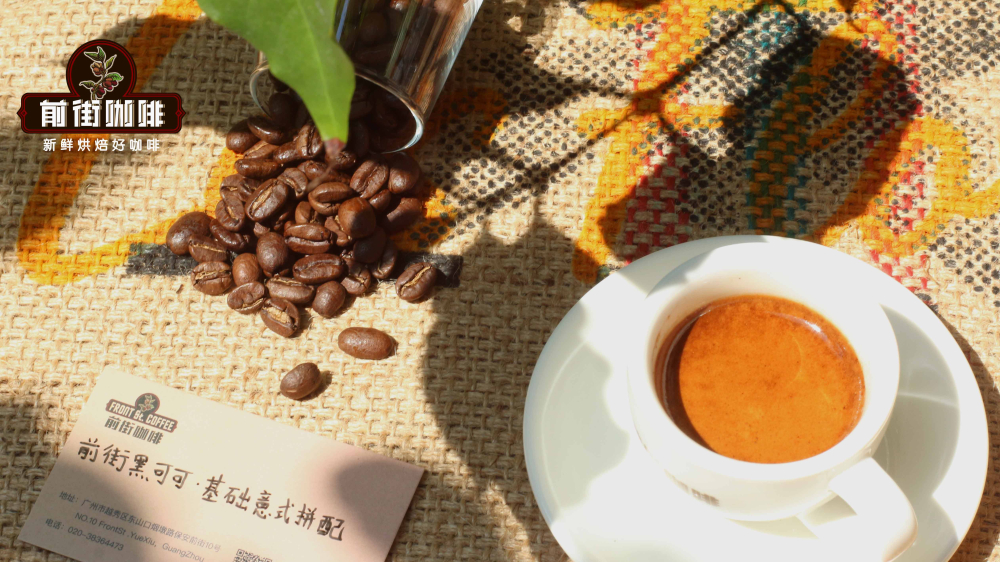
What are espresso blend beans? Front Street's conclusion is: mixing coffee beans produced in different regions and different growing environments, letting them complement each other, so the coffee presents richer layers and a more intense aroma. The beans used in espresso blends differ in variety and origin, and their personalities vary too—there are subtle differences in acidity, bitterness, sweetness, aroma, and body—whereas single-origin coffee usually emphasizes the unique characteristics of one particular type of coffee.
Brewing coffee with espresso blend beans is essentially combining multiple single-origin beans so their strengths are fully released, each making up for the others' weaknesses, ultimately forming a richer new flavor.
First of all, an ideal espresso is inseparable from freshly roasted coffee beans, which bring layered coffee aroma and also produce thick, dense crema; if the roast date is more than 50 days ago, the espresso basically has no aroma to speak of, and all you taste in the end is bitterness. Front Street Coffee has always treated the freshness of coffee beans as the most important thing, so every bag Front Street ships is roasted within 5 days and supports 24-hour shipping, so everyone can get the longest possible window to enjoy it at its best.
Front Street believes the most ideal goal of espresso blend beans is naturally to blend a better-tasting cup of coffee, achieving a 1+1>2 effect. The following four espresso blends are the most popular among home espresso machine users:
The Arabica + Robusta combination — Front Street Classic Blend Coffee
Flavor: caramel, butter, roasted nuts, dark chocolate
To present the classic "Mamba blend" flavor, we use Front Street Mandheling and Front Street Brazil as the main base, giving the espresso a viscous texture and rich, deep aroma; at the same time, to balance the coffee's layering, we add a small amount of Vietnamese Robusta, bringing the crema to the extreme. Made into a hot latte, it carries a rich chocolate aroma without losing the smoothness of creamy nuts. Front Street Classic Espresso Blend is not only suitable for all beginners trying it for the first time, but also works as an everyday staple bean for the home.
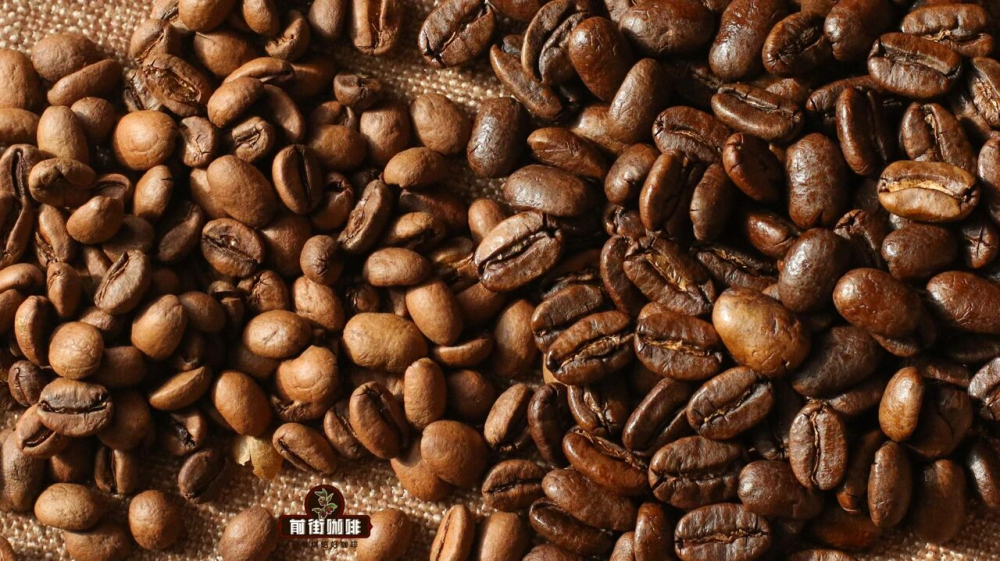
The Americas bean + Asia bean combination — the espresso bean recommended by many baristas: Front Street Dark Cocoa Blend Coffee
Flavor: nuts, chocolate, cream, cookies
Out of consideration for value for money, we launched this high-quality espresso blend that balances stable taste, moderate crema, balanced acidity and bitterness, and an affordable price. The recipe uses a combination of Front Street Yunnan small-bean and Front Street Brazil Red Bourbon. During extraction it carries a rich aroma of caramel and nuts; because it uses a medium-dark roast, it retains a slight fruit acidity, so as an americano the taste is relatively refreshing, while a latte highlights the sweetness of the milk. This espresso bean recommended by many baristas—Front Street Dark Cocoa Blend—is very suitable for home users who prioritize cost.
The chocolate-nut combination of Americas beans — Front Street Specialty Blend Coffee
Flavor: almond, creamy chocolate, cocoa cookies, almond, sunflower seeds
Front Street Specialty Blend contains a relatively large proportion of Brazilian coffee beans, bringing a comfortable bittersweet taste and an extremely smooth entry; it also adds Colombian coffee beans, giving it the classic nutty characteristic with body maxed out. Made into a latte, it's like drinking a cup of hot cocoa milk, while an americano has the bittersweet richness of dark chocolate—suited to people who pursue the coffee's own intense flavor.
The above content is compiled by CoffeeHunters, a coffee news website.


