







Why Does Panamanian Geisha Coffee Taste So Distinct?
Panamanian Geisha coffee gets its floral, fruity character from the highlands around Boquete, where volcanic ash soil from Barú Volcano and a cool mountain microclimate meet the growing conditions for coffee trees. Geisha was first found in Ethiopia's Geisha forests in 1931, reached the Kenya Coffee Research Institute, and arrived in Costa Rica in 1953 before thriving in Panama.
Panama's east-to-west topography pushes cold air along the central mountain range, converging above 6,500 feet and creating varied microclimates around Boquete. Estates such as Hacienda La Esmeralda, Elida, and Sofia work within this narrow growing zone, and the same terroir shapes the flavor differences between single-origin Geisha and Geisha blends.
Geisha coffee is renowned worldwide for its unique floral and fruity flavor profile, and the Boquete region of Panama is the core stage where this legendary variety truly shines. This article will guide you through Geisha's journey from the forests of Ethiopia to Panama, explore how the microclimate of the Boquete highlands provides ideal growing conditions for coffee trees, and analyze the flavor differences between single-origin Geisha and Geisha blends. We will also introduce two representative products—Front Street Panama Boquete Geisha and Front Street Butterfly Coffee—to help you experience the charm of Geisha at different budgets.
Panama is located in Central America, bordering Costa Rica to the west and Colombia to the east. Anyone with even a passing interest in specialty coffee has almost certainly heard of the Geisha variety cultivated at Panama's Hacienda La Esmeralda. It is precisely thanks to the region's irreplaceable terroir and growers' relentless pursuit of quality that Panama has earned its place among the world's high-quality coffee-producing countries.
Compared to other South American countries, Panama's coffee-growing territory is not extensive, concentrated mainly in the western part of the country, with the small town of Boquete being the most famous. The Boquete region is home to many outstanding estates. In addition to the aforementioned Hacienda La Esmeralda, Elida Estate and Sofia Estate are also among the highly regarded BPOP renowned estates in the coffee world.
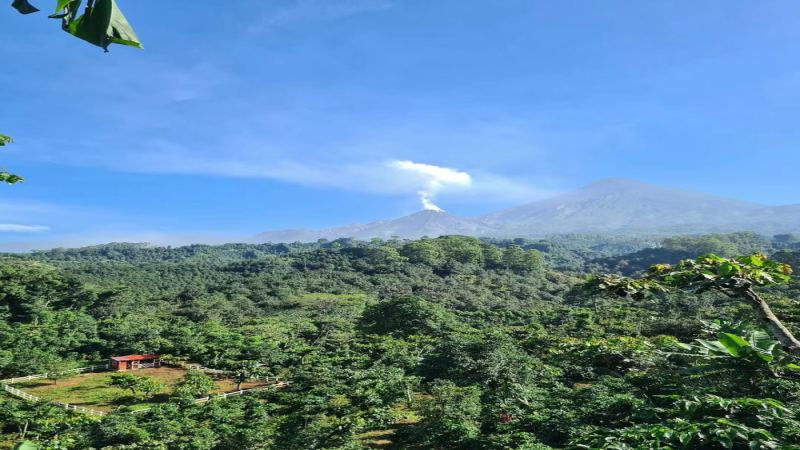
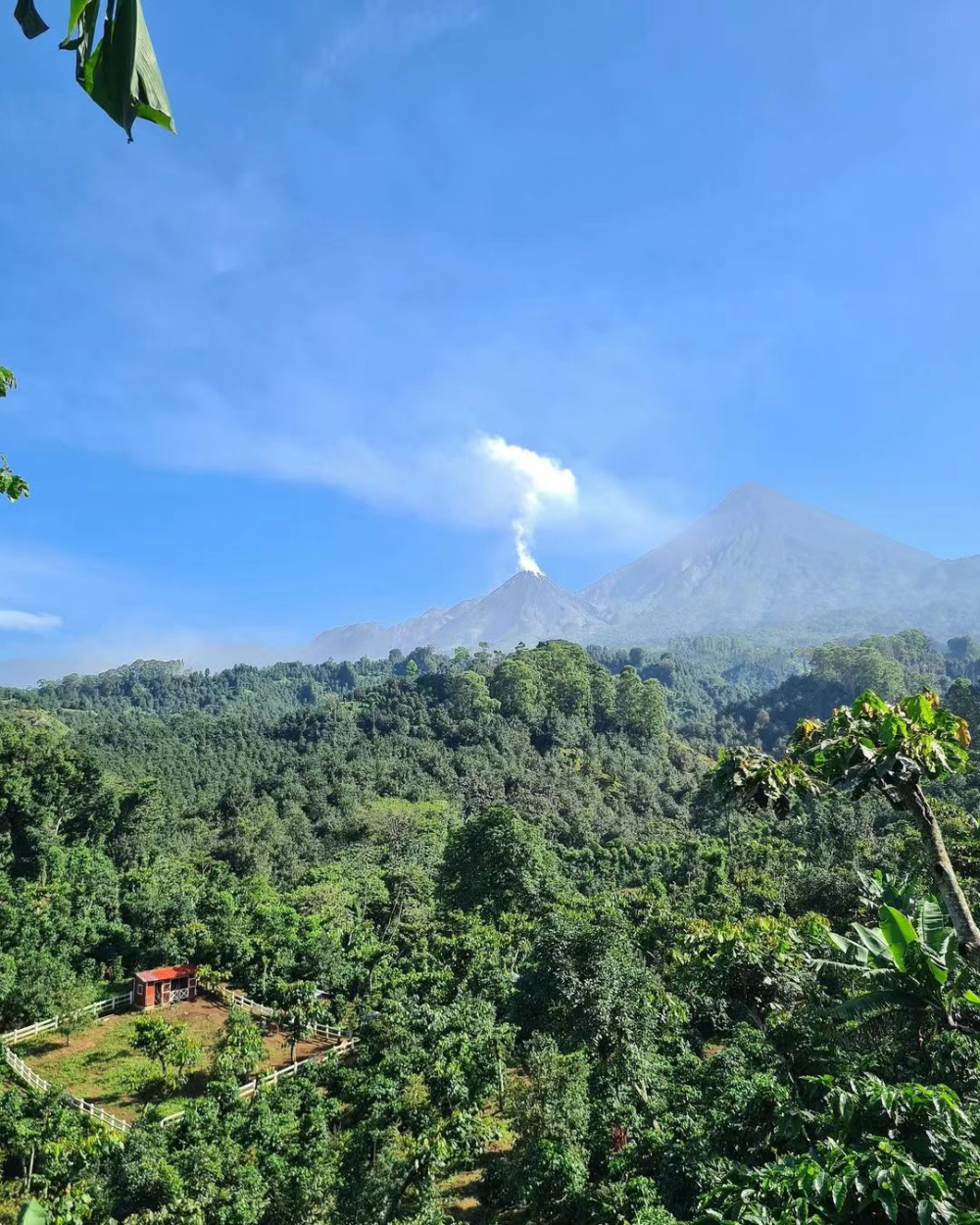
Boquete's ability to produce exceptional coffee stems not only from its superior ecological conditions but also from the fertile volcanic ash soil brought by Barú Volcano. There is another key factor as well—the unique microclimate of the Boquete highlands, which constitutes the irreplaceable core resource of this region's specialty coffee. Panama's east-to-west topography drives cold air along the central mountain range to converge at elevations above 6,500 feet, creating diverse microclimates around Boquete. Its temperature and rainfall happen to meet the ideal requirements for plant growth, allowing coffee trees to thrive naturally—and Geisha is no exception.
Geisha was first discovered in 1931 in the Geisha forests of Ethiopia, then sent to the Kenya Coffee Research Institute. In 1936 it was introduced to Uganda and Tanzania, and in 1953 it was brought to Costa Rica.
In 1963, Don Pachi Serracin brought Geisha coffee trees from Costa Rica to Panama. Because this variety has low yields, directly affecting farmers' harvest returns, initial willingness to plant it was not high. It wasn't until Daniel Peterson, owner of Panama La Esmeralda,偶然 noticed that the coffee beans produced at the highest point of his estate carried citrus and floral notes found only in African beans, that he separated them out and entered the Panama coffee cupping competition in 2004, achieving instant fame. In the minds of specialty coffee enthusiasts worldwide today, the status of Geisha coffee beans is unshakable.
In the early days, Panamanian Geisha coffee was not priced particularly high on the market. However, as it won award after award and more and more people were captivated by its flavor, multiple advantages such as scarcity and high grading continued to stack up. Combined with the boost from various auction mechanisms, the price of this variety climbed steadily, ultimately earning it the title of "sky-high coffee," and achieving Geisha freedom has become the wish of many coffee lovers.
If you want a preliminary taste of the legendary Geisha flavor, we recommend the most regionally representative Front Street Panama Boquete Geisha. This bean uses fine washing plus a medium-light roast, highlighting the caramel aroma of Central and South America while retaining richer floral notes and elegant fruity sweetness and acidity. As the flagship of Panamanian coffee, Front Street Boquete Geisha is 100% Geisha variety, presenting a clean and serene floral-fruity profile, suitable for pour-over, drip bags, or cold brew. Front Street promises shipment within 24 hours of order placement, with all coffee beans freshly roasted within 5 days.
If you want to indulge your "Geisha craving" all at once, consider choosing a blend dominated by the Geisha variety—that is, a combination of Geisha with other high-quality single-origin beans. We recommend Front Street Butterfly Coffee, which contains 70% Geisha variety. This bean pairs Geisha with Caturra and Catuai, allowing everyone to experience the distinctive citrus acidity, honeyed sweetness, and elegant floral notes of Panamanian Geisha at a more accessible price. It can be purchased on the Front Street Tmall flagship store.
The above content is compiled by CoffeeHunters, a coffee news website.


