








Is Esmeralda Diamond Mountain Catuai only about geisha coffe?
Hacienda La Esmeralda is known for geisha coffe, but its official site splits production into Geisha and Catuai. Diamond Mountain belongs to the Catuai side, alongside Palmyra, and comes from the Jaramillo and Cañas Verdes farms in Boquete at 1,400 to 1,700 meters. Front Street brought in a sun-dried Diamond Mountain Catuai lot.
Catuai has long been planted in Panama for its yield, disease resistance and clean, bright cup. The sun-dried process adds fruit sweetness to that base. Front Street roasted the lot medium-light and published cupping notes plus V60 three-stage brewing parameters, offering a way to taste Hacienda La Esmeralda's balanced profile at a lower cost than the Geisha labels.
When people mention Panama's Hacienda La Esmeralda, most first think only of Geisha, often overlooking another high-value product line under its umbrella—Diamond Mountain. This article focuses on the newly introduced sun-dried Diamond Mountain Catuai coffee beans by Front Street Coffee: it first outlines the brand classifications on Hacienda La Esmeralda's official website, then delves into the two major farms behind Diamond Mountain, Jaramillo and Cañas Verdes, interpreting the local altitude, temperature differences, and rainfall conditions; subsequently, it introduces the origin and characteristics of the Catuai variety, the specific sun-drying process, and discloses Front Street's medium-light roasting curve, cupping conclusions, and V60 three-stage brewing parameters, helping coffee enthusiasts appreciate Hacienda La Esmeralda's balanced flavors at a more accessible threshold.
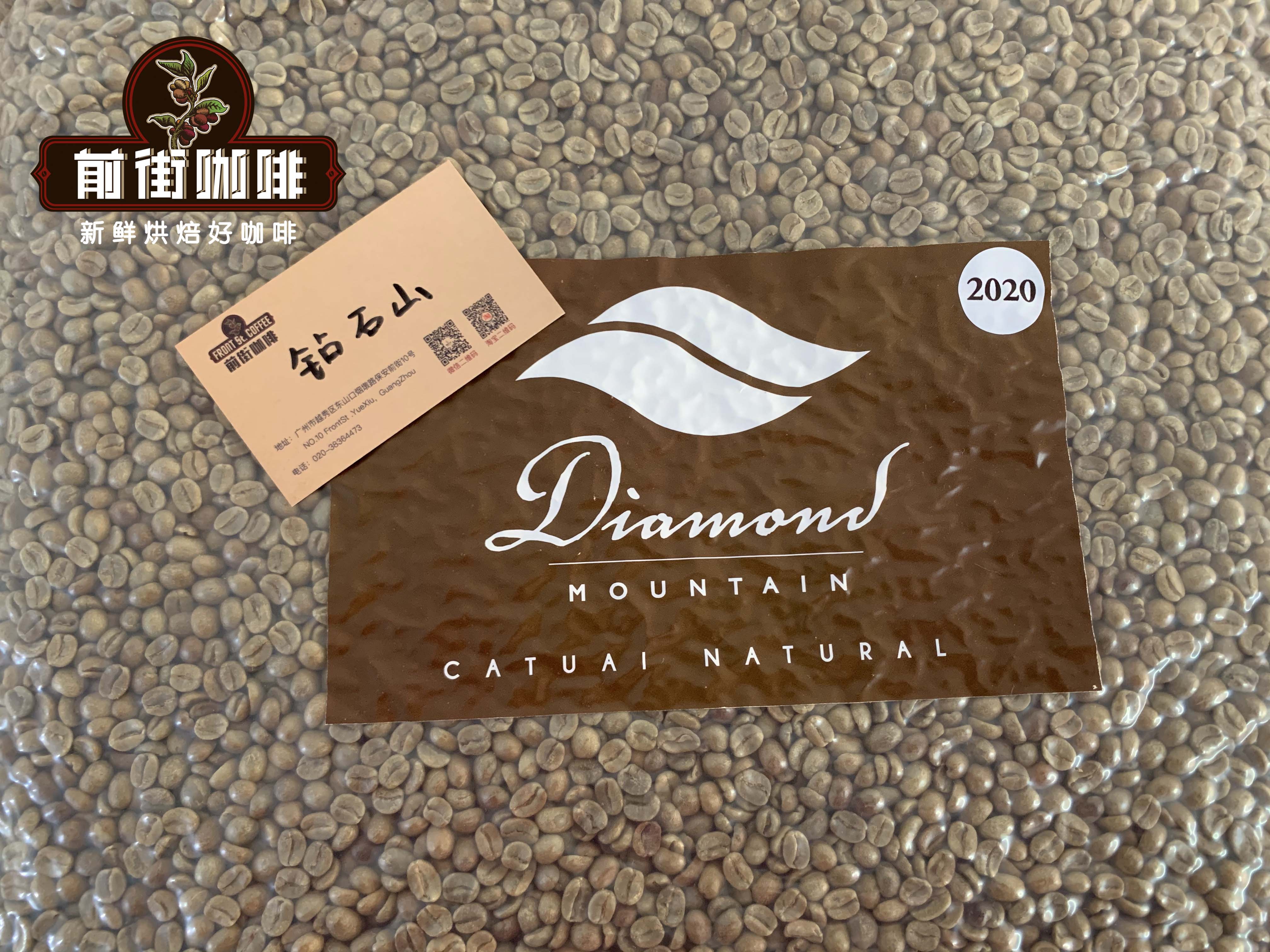
When Front Street chats with customers about Geisha, many friends often think of Hacienda La Esmeralda in the bean list. This famous Panama estate is renowned worldwide for its Geisha variety and is now universally known in the coffee industry, so much so that many have long equated Hacienda La Esmeralda with Geisha. But in reality, aside from the illustrious Geisha, Hacienda La Esmeralda also hides an excellent quality and affordable product line—"Diamond Mountain."
Upon opening Hacienda La Esmeralda's official website, it's clear that the estate first divides its coffees into two major categories by variety: Geisha and Catuai. The Geisha series is further subdivided into three product lines: Esmeralda Special, Private Collection, and Geisha 1500, commonly known as Red Label, Green Label, and Blue Label.
The focus of this article then shifts to the world beyond Geisha—the Catuai series, which also has two brands: Diamond Mountain and Palmyra. The Catuai variety has long been established in Panama and is widely loved for its high yield, strong disease resistance, and clean, bright cup profile. This time, FrontStreet Coffee purchased a batch of Diamond Mountain coffee beans from Hacienda La Esmeralda.
FrontStreet Coffee Panama Hacienda La Esmeralda · Sun-Dried Diamond Mountain Region: Boquete, Panama Estate: Hacienda La Esmeralda Altitude: 1400-1700 meters Variety: Catuai, Caturra Processing Method: Sun-Dried
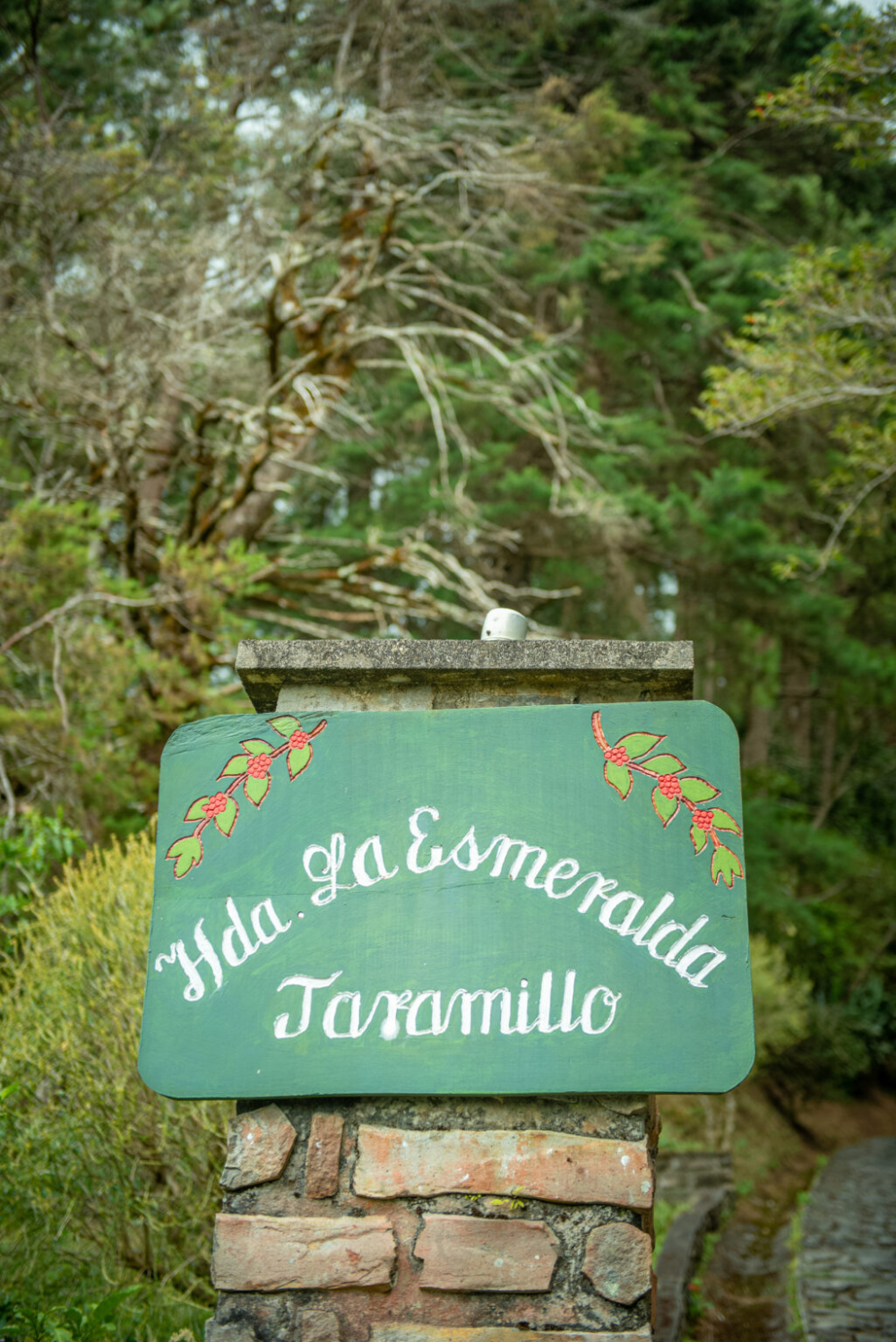
The coffee beans produced by Diamond Mountain come from the two most productive and renowned farms under Hacienda La Esmeralda—Jaramillo and Cañas Verdes.
As the most prestigious plot in Hacienda La Esmeralda, Jaramillo has an average altitude exceeding 1650 meters, with daytime average temperatures between 19 and 25 degrees Celsius and nighttime average temperatures dropping to 11-15°C. The significant temperature difference between day and night allows the coffee trees ample time to accumulate and store nutrients; the average annual rainfall here is about 4000mm. It is this terroir that enabled the Geisha rooted here to win the BOP championship in 2004 with its elegant floral aroma, making the Geisha variety and Hacienda La Esmeralda famous ever since.
Cañas Verdes is one of the farms that the Peterson family acquired along with Hacienda La Esmeralda. It was originally used as a dairy pasture, and later the family gradually consolidated small plots around Cañas to focus on coffee cultivation. Today, Cañas encompasses a total of nine plots, including Lino.

The altitude of each plot in Cañas is also no less than 1650m, with daytime average temperatures between 16 and 23 degrees Celsius and nighttime average temperatures between 11 and 15°C. The annual rainfall is about 3500mm, and there is a distinct dry season of three to four months each year, but the overall climate remains very cool.
Coffee Variety This Diamond Mountain coffee consists of two varieties: Catuai and Caturra.
The name Catuai originates from the Guarani word "multo mom," meaning "very good," and it is divided into two types: Yellow Catuai and Red Catuai. The variety was developed in 1949 by crossing Yellow Caturra with the Mundo Novo variety, initially numbered H-2077.
The Catuai variety has a long history of cultivation in Panama, and its high yield, good disease resistance, and clean, bright flavor make it widely favored locally. Compared to Bourbon, Catuai's yield is quite outstanding, largely because its small tree size allows for tighter spacing, enabling a planting density nearly twice that of Bourbon.
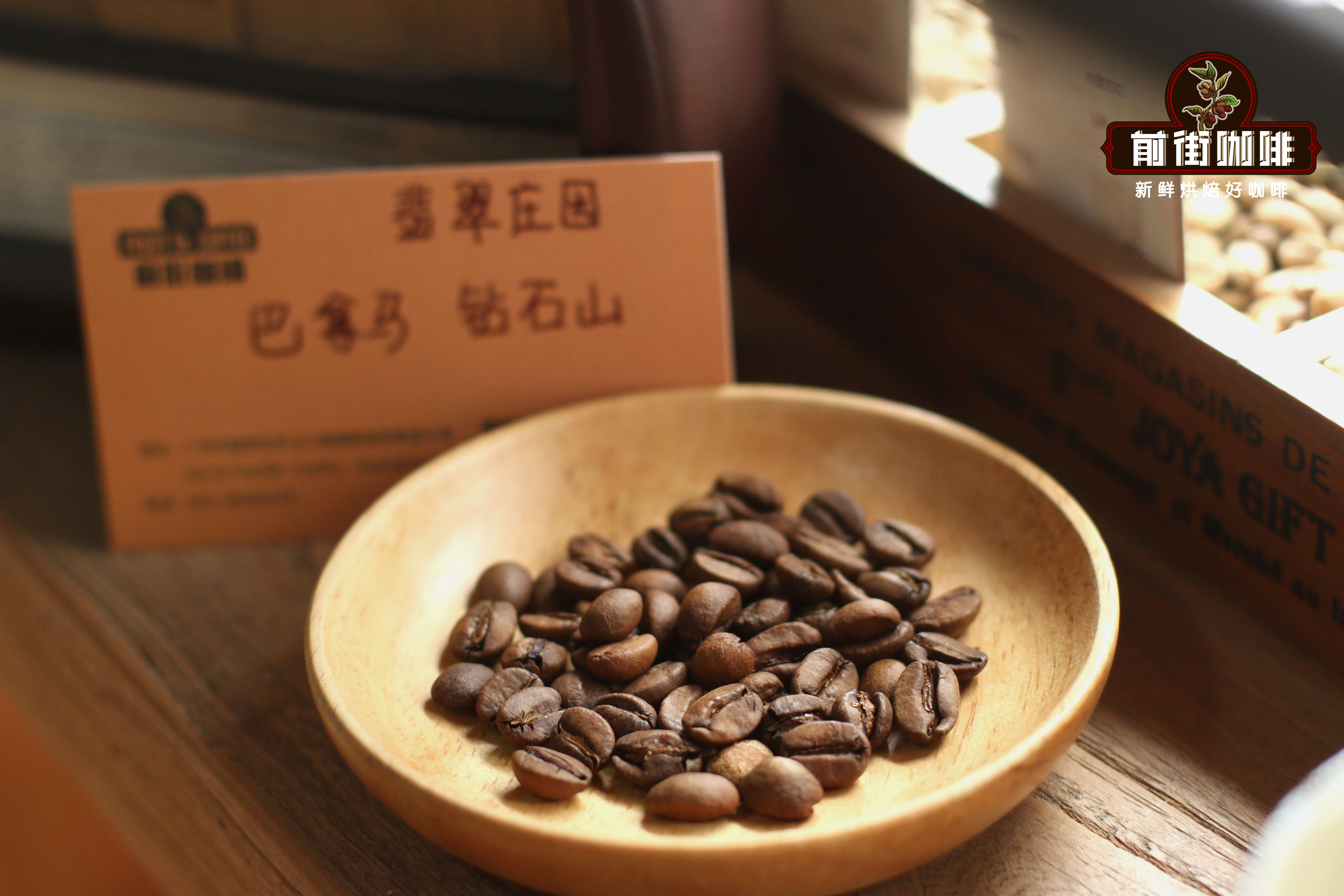
Processing Method This Diamond Mountain coffee is processed using the sun-dried method. In the sun-drying process, harvested coffee cherries are directly transported to drying beds and spread out. The fruits slowly lose moisture under the sun and air, with the green beans remaining inside the pulp, gradually absorbing rich fruit sweetness and aromatic notes.
Depending on weather conditions and site facilities, the coffee cherries are first dried on concrete drying beds for 3 to 5 days (8 hours per day). After the fruits reach a certain level of dryness, they are transferred to a Guardiola drier and rotated for 72 hours to complete the drying process and prevent fermentation. After drying, the coffee cherries are mechanically depulped to remove the skin and pulp.
FrontStreet Coffee Roasting Approach Analysis In terms of flavor alone, Caturra is indeed hard to compare with Geisha coffee, but since it is also a product of Hacienda La Esmeralda's meticulous cultivation and grown at similar altitudes, this bean's quality and flavor remain at a very high level. Therefore, Front Street formulated a medium-light roast profile for it.
At 165°C, the beans are charged with a heat setting of 130 and the damper open to level 3; the turning point is at 97.3°C (1'36"); when the drum temperature rises to 112°C, the damper is increased to level 4 while the heat remains unchanged; after the drum temperature reaches 153.2°C, the bean surface turns yellow, the grassy scent completely fades, and the dehydration phase officially begins; by 8'30", wrinkles and dark spots appear on the bean surface, and the toasted bread aroma distinctly shifts to coffee fragrance, which can be seen as a signal that first crack is approaching.
When the drum temperature reaches 184°C, the heat is reduced to 70, and at this point one must carefully listen for the sound of first crack; at 9'48" first crack officially sounds, and the damper is immediately opened to level 5. After first crack, development continues for 1'20", and the beans are finally discharged at 191°C.
FrontStreet Coffee Cupping Conclusion
FrontStreet Coffee Brewing Parameter Recommendations Dripper Model: V60#01 Brewing Water Temperature: 90-91°C Dose: 15g Coffee-to-Water Ratio: 1:15 Grind Size: Medium-fine (based on No. 20 Chinese standard sieve, 80% pass rate)

Brewing Method: Three-stage extraction. First, bloom with 30g of water for 30 seconds, then pour in a slow circular stream; complete the first stage at 125g; wait for the water level to drop and the coffee bed to almost expose, then pour again until 225g; finally, when the water level drops again and the bed is about to expose, remove the dripper. (Timing starts from the bloom.) Total extraction time is 1'55".
The above content is compiled by CoffeeHunters, a coffee news website.


