







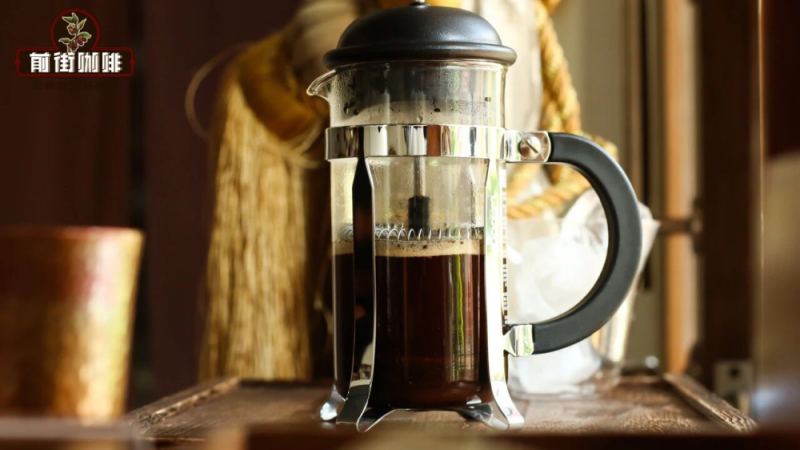
When to grind coffee beans for a French press, and which roast suits it?
Grind beans just before brewing and keep the particles as uniform as possible. A medium grind, a little coarser than everyday pour-over, works better than the very coarse setting many guides suggest. Water should be around 88°C, the coffee-to-water ratio about 1:10 to 1:13, and the steep runs four minutes before a slow press.
Uneven particles extract at different speeds, so fine powder turns over-extracted while coarser grounds stay under-extracted, and the cup tastes muddled. Why are coffee beans roasted matters here too: medium-to-dark roasts such as Golden Mandheling, Brazil Queen's Estate, and Strawberry Candy carry dark chocolate and nutty notes that hold up in immersion, while highly layered beans are harder to draw out.
A French press is simple to use, but brewing a delicious cup of coffee with it still requires attention to grind size, water temperature control, and bean selection. This article walks through the complete French press brewing process, explaining why a medium grind is more suitable than an overly coarse grind, why the water temperature is best kept around 88°C, and key details such as the coffee-to-water ratio, steeping time, and when to pour. At the same time, in light of the full-bodied mouthfeel characteristic of the French press's immersion extraction, it recommends medium-to-dark roasted beans such as Front Street Indonesia Golden Mandheling, Front Street Brazil Queen's Estate, and Front Street Strawberry Candy, and explains why balanced beans with dark chocolate and nutty notes are better suited to the French press, while beans with overly complex layers are actually harder to bring out.
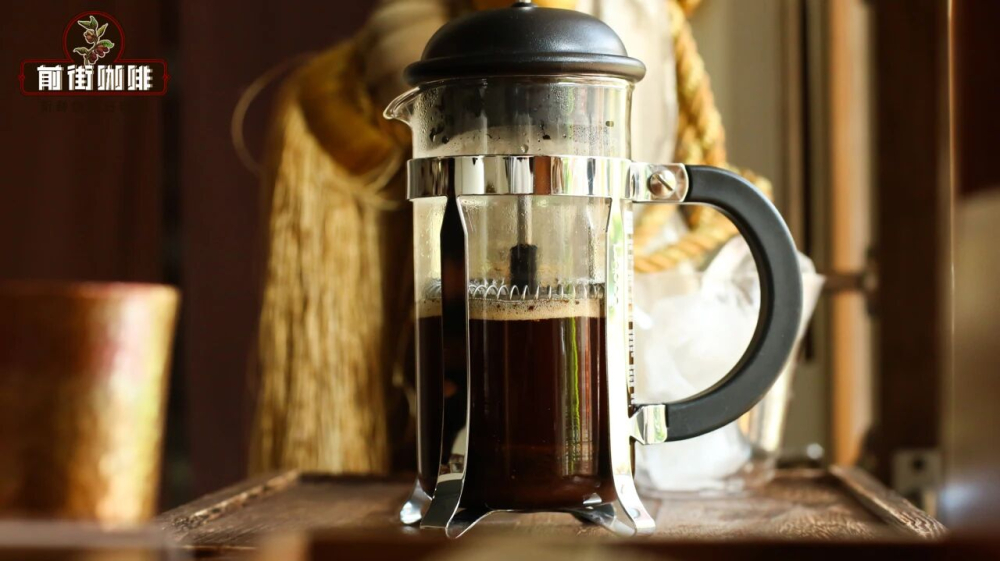
How to Use a French Press
1. First, grind the coffee beans, then put them into the French press. As for the grind size, there is actually no need to grind as coarse as many people say—a medium grind is enough, roughly a little coarser than your everyday pour-over. Front Street Coffee recommends keeping the coffee particles as uniform in size as possible, because if coarse and fine particles are mixed together, the fine powder will extract soluble compounds into the water noticeably faster than the coarser particles. The result is that the fine powder portion becomes over-extracted while the normally sized particles are not yet fully extracted, and the resulting coffee liquid naturally does not taste good.
2. A water temperature of around 88°C is more suitable, and the coffee-to-water ratio can be about 1:10 to 1:13. After pouring the water, stir gently with a spoon so the coffee grounds and water come into full contact and mix.
3. Put the lid on the French press, but keep the filter at the highest position for now—don't rush to press it down—and let the coffee steep for 4 minutes.
4. Before pressing down the filter, you can lift the lid, use a spoon to scoop off the foam and fine grounds floating on the surface, and then slowly press the filter down to the bottom.
5. Once brewing is finished, pour it immediately into another insulated container—don't delay, because the coffee grounds remaining in the press will continue to extract. After that, you can pour it into a cup and enjoy it slowly.
Another common question is: which coffee beans are suitable for a French press? Which type of beans brews a better-tasting cup?
The French press is an immersion-style extraction, and the finished cup tends to have a full-bodied, rich mouthfeel. Therefore, the most suitable beans are usually medium roast or darker, such as the boldly aromatic Front Street Indonesia Golden Mandheling, the Front Street Brazil Queen's Estate with its creamy roasted peanut notes, and the Front Street Strawberry Candy with its rose aroma. These beans all perform quite well in both mouthfeel and flavor.
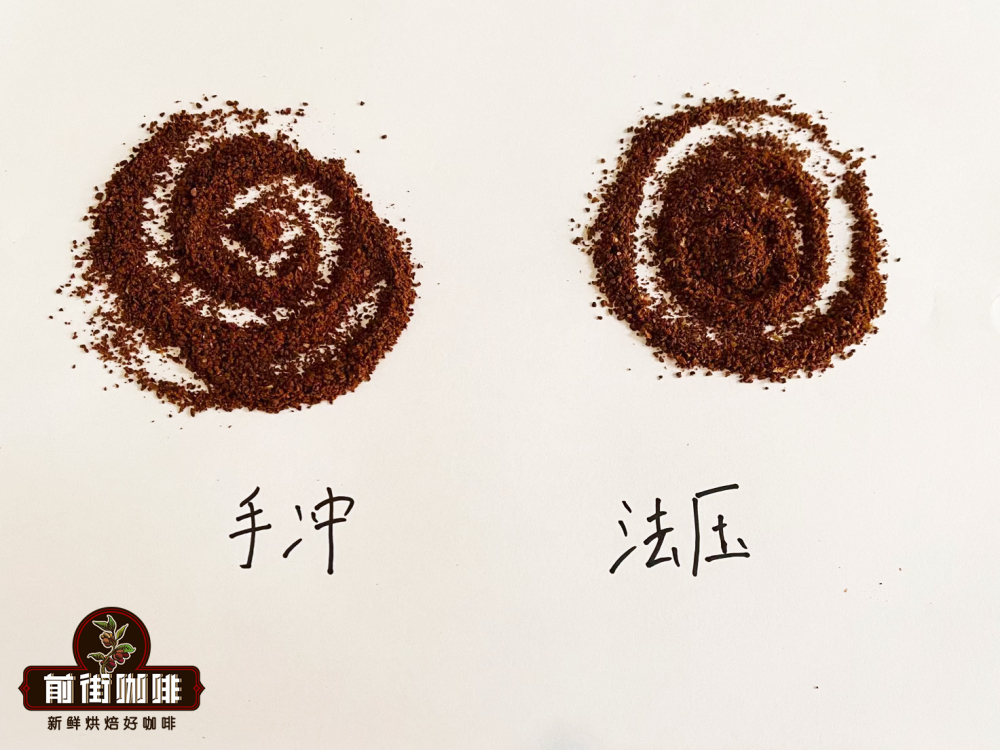
Front Street suggests that when choosing beans for a French press, you can prioritize coffee beans with a balanced flavor profile leaning toward dark chocolate or nutty notes; as for beans with particularly rich layers of flavor, Front Street Coffee does not recommend them so much, because the French press uses immersion extraction, and if the beans themselves have very strong layers, this method actually makes it harder to express their rich layers.
The above content is compiled by CoffeeHunters, a coffee news website.


