







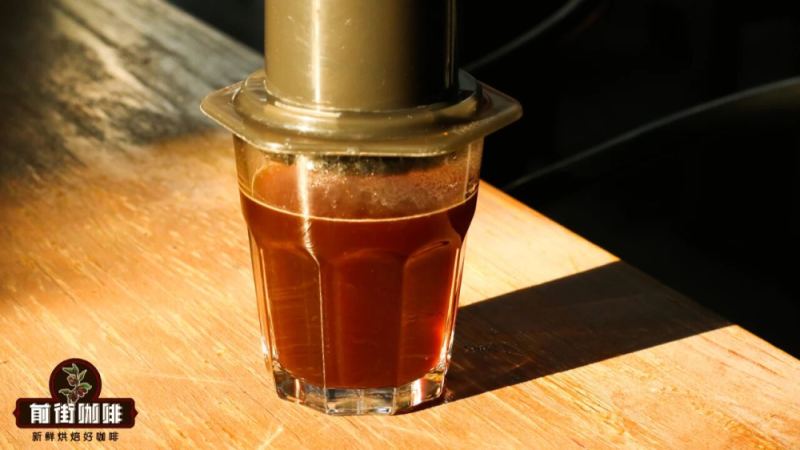
How does an AeroPress compare with an espresso machine, and how does it work?
The AeroPress is a portable brewer that combines immersion, filtration, and pressure extraction. Water temperature should sit between 88°C and 92°C depending on roast level and desired flavor, grind size should stay close to everyday pour-over, and the coffee-to-water ratio is about 1:15. Rinse the paper filter with hot water, load the chamber upside down, then press slowly and steadily.
Grinding too fine brings out off-flavors and a rough, powdery mouthfeel, while too coarse a grind tends toward sharp acidity and under-extraction. Beans suited to the brewer include Costa Rica Mozart, Natural Hualkui, Lintong Mandheling, and Kenya Little Tomato. An espresso machine how does it work question is separate: that method relies on roughly 9 bar of pressure, not the gentler push of a manual press.
The AeroPress is a portable coffee brewing device that combines immersion, filtration, and pressure extraction. It is simple to operate yet capable of producing clean, flavorful coffee. This article will start with the correct technique, explain in detail how key parameters such as water temperature, grind size, and coffee-to-water ratio affect the final cup, and provide specific brewing steps and timing. It will also recommend suitable beans for the AeroPress based on different flavor preferences, such as Front Street Coffee Costa Rica Mozart, Front Street Coffee Natural Hualkui, Front Street Coffee Lintong Mandheling, and Front Street Coffee Kenya Little Tomato, helping you easily recreate a balanced sweet-and-tart or rich and full-bodied AeroPress coffee at home.
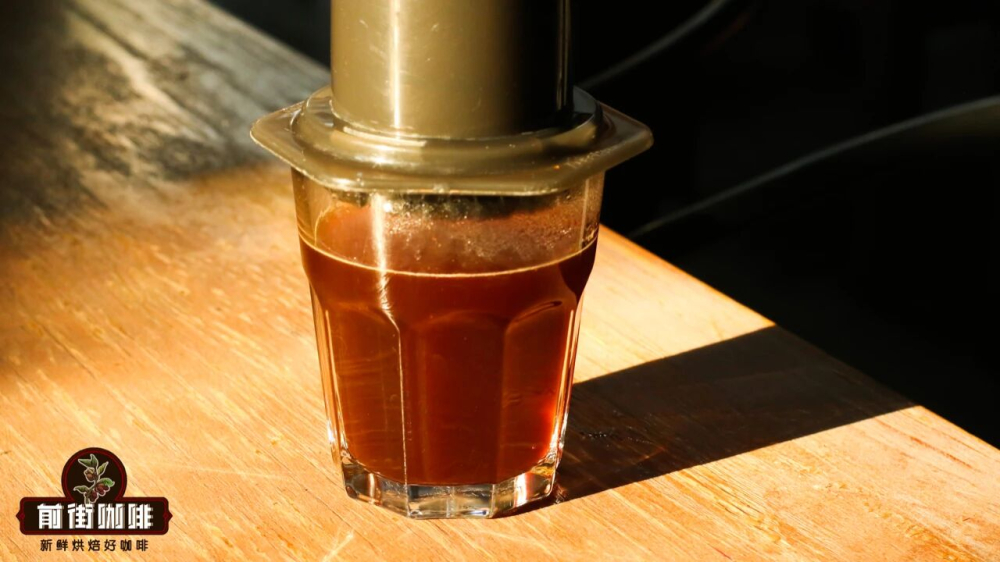
Let's first talk about how to actually use the AeroPress correctly. The operation itself is not complicated; as long as you grasp a few key points, there will basically not be any major problems. The first step is to pull out the plunger to the capacity position you find appropriate, then place the filter paper on the filter cap and rinse it with hot water—note that hot water must be used here. Then pour the coffee grounds into the chamber, with the chamber placed upside down. If conditions allow, it is best to place the entire setup on a scale so the ratio is easier to control. After that, start pouring water. Calculate the amount of water in advance and pour it into the chamber according to the ratio.
There is one more point worth noting: since it is called a syringe, you might as well treat the coffee like a "patient." When pushing the "medicine," the motion should be slow and steady, so that no matter who it is, the experience will be more comfortable.
When making coffee with the AeroPress, how should the parameters be set? 1. Water temperature: 88°C to 92°C is fine. The exact temperature depends on the roast level of the beans and the flavor direction you want to present. 2. Grind size: Front Street Coffee recommends keeping it close to the grind size used for everyday pour-over. If it is ground too fine, off-flavors are easily brought out, and the cup will have a rough, powdery mouthfeel; if it is ground too coarse, it tends to be sharply acidic and may also be under-extracted.
3. Coffee-to-water ratio: 1:15. If the ratio is too small, the concentration is too high and the flavor is too concentrated, making it harder to perceive the coffee's layers and also prone to sharp acidity; if the ratio is too large, too many substances will be extracted, and the coffee will have obvious woody and off-flavors.
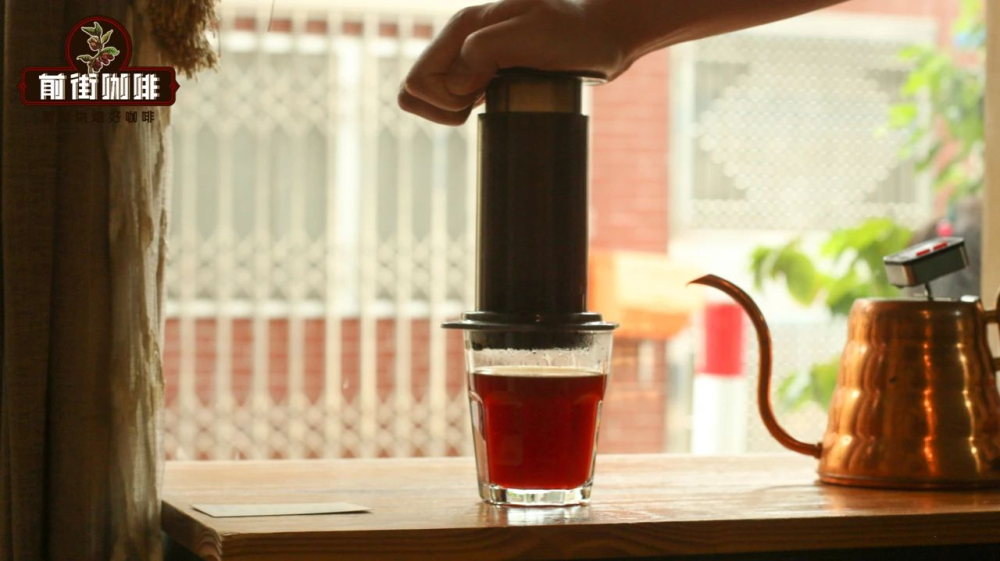
The structure of the AeroPress can be simply broken down into three parts: the chamber, the filter cap, and the plunger. It combines the immersion extraction of a French press, the paper filtration of pour-over, and the pressure extraction of an espresso machine. Its working logic is: after the coffee grounds and hot water are stirred and mixed, the plunger squeezes the air to press the coffee through the filter cap, extracting clean-flavored coffee.
What coffee beans are suitable for the AeroPress?
Balanced sweet-and-tart AeroPress coffee beans: honey process, buy Front Street Coffee Costa Rica Mozart
High-sweetness AeroPress coffee: natural process, choose Front Street Coffee Natural Hualkui
Full-bodied AeroPress coffee: you can try Front Street Coffee Lintong Mandheling or Front Street Coffee Golden Mandheling
Bright-acidity AeroPress coffee: washed process, recommended Front Street Coffee Kenya Little Tomato and Front Street Coffee Washed Gutingding
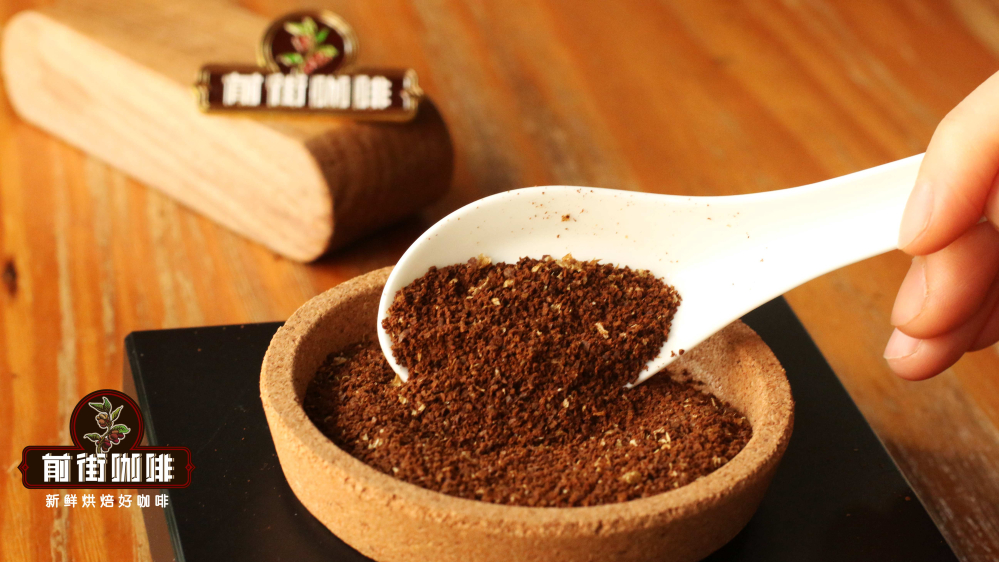
The brewing parameters are as follows: 18g coffee, coffee-to-water ratio 1:11, grind size 9 on an EK43, water temperature 92°C, time: 1 minute 30 seconds
Brewing process
1. Take out the filter cap, attach an AeroPress-specific paper filter, and rinse it with hot water so the paper filter sticks tightly to the cap.
2. Place the AeroPress upside down, pour 20 grams of ground coffee into the chamber, then pour in 198 grams of 92°C hot water, and start timing.
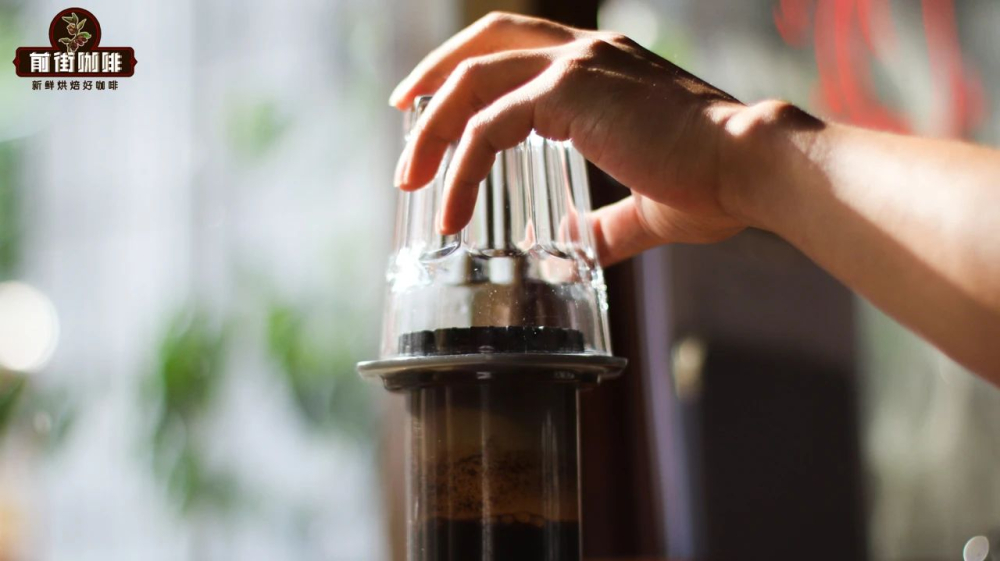
3. After pouring the water, stir gently with a stirring stick for 50 seconds. Put on the filter cap and press upward to remove excess air.
4. Flip the AeroPress so the paper filter and cap face down and the coffee grounds face up, then press down on the AeroPress to extract. The pressing should be completed in about 30 seconds. At this point we have about 150 ml of coffee liquid. The total extraction time is 1 minute 30 seconds.
6. Give it a shake, and you will have a delicious cup of AeroPress coffee.
The above content is compiled by CoffeeHunters, a coffee news website.


