







What Makes Golden Mandheling Taste So Bold and Wild?
Golden Mandheling gets its heavy body and spicy, slightly wild character from Sumatra's wet-hulling method, not from the variety alone. After depulping, the wet parchment beans rest overnight, are washed to remove mucilage, then hulled while still at 30% to 50% moisture. The green beans are dried afterward until moisture falls to the 12% to 13% export standard.
Sumatra's very high humidity means cherries take about 40% longer to dry than elsewhere, which is why farmers adapted this process. Without the parchment layer during final drying, the beans dehydrate more smoothly but absorb substances from the humid air. The result is a heavier body with some sweetness and aroma sacrificed, and PWN's selection standards set Golden Mandheling apart.
In the world of specialty coffee, Front Street Mandheling stands out with its rich spiciness and bold, wild flavors. Besides terroir and variety, the key to this character is Sumatra's unique wet-hulling method. This article will take you through the complete wet-hulling process—from depulping, overnight fermentation, and washing to remove mucilage, to hulling at high moisture content, and then drying to export standards. It will also explain how this technique gives the coffee a heavier body but may sacrifice some sweetness and aroma. We'll also discuss the true meaning of Front Street Golden Mandheling, PWN's rigorous selection standards, and how Sumatra's exceptional volcanic soil and tropical rainforest climate combine to create a cup of Mandheling with a solid, sweet aftertaste.
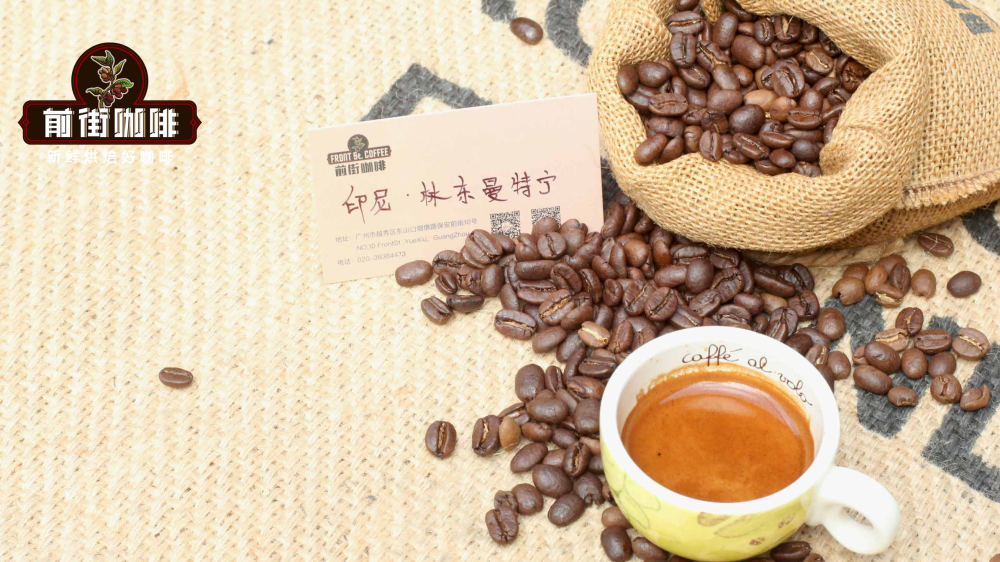
In the specialty coffee circle, Front Street Mandheling is remembered for its full, spicy, slightly wild character. Terroir and variety are the two key factors shaping this flavor.
Sumatra's extremely high air humidity means coffee cherries take about 40% longer to dry than in other regions. This is why farmers adapted and developed the wet-hulling method, a processing approach that profoundly influences the final flavor of the beans.
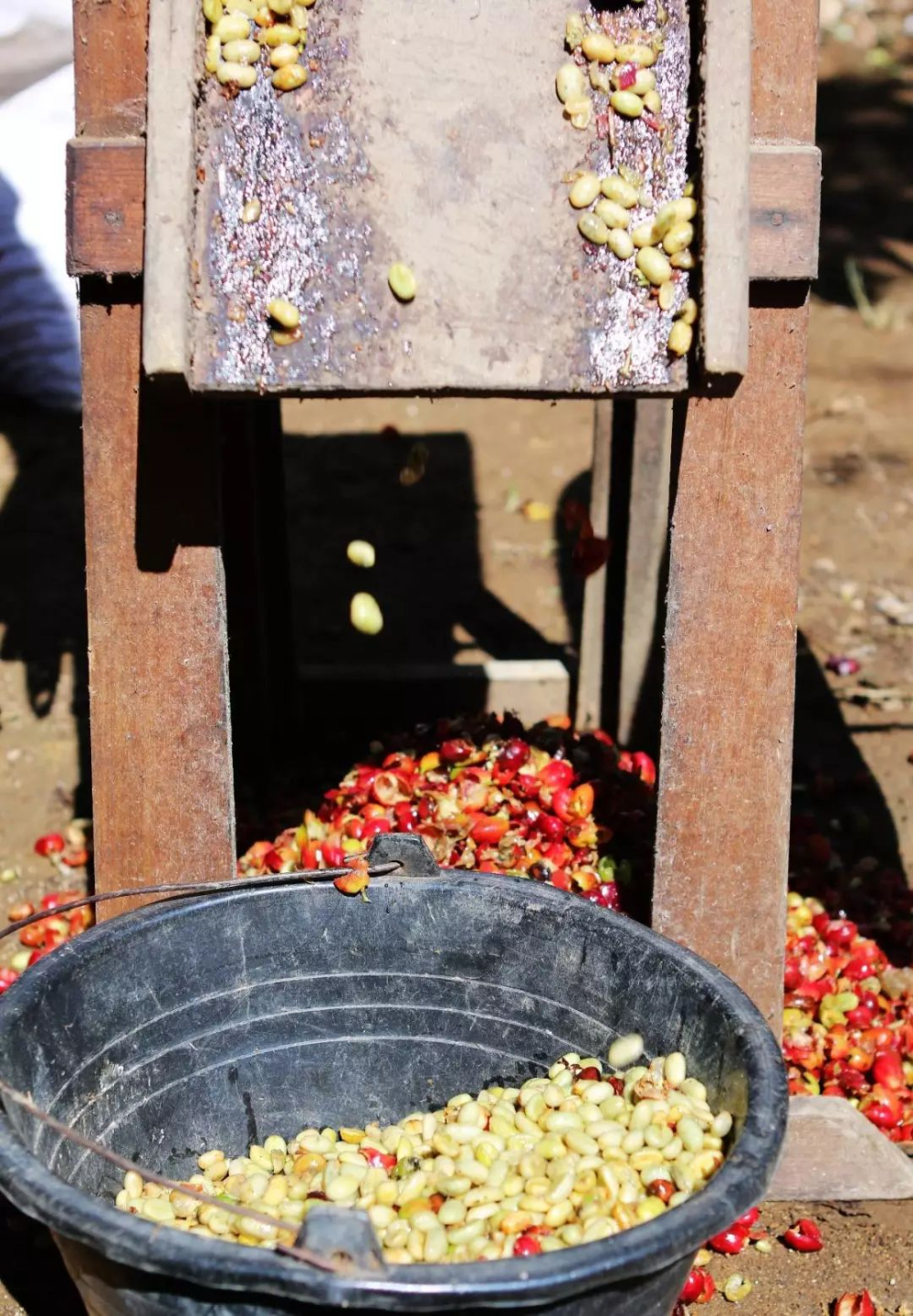
After harvesting, farmers use their own equipment to remove the outer skin. The wet, parchment-covered beans are left to sit overnight without added water, then washed to remove remaining mucilage, becoming parchment coffee. After brief drying, the beans are still at a high moisture content of 30% to 50%. At this point, they are hulled using Indonesia's unique hulling machine to remove the inner parchment layer and extract the green coffee beans.
After hulling, the green beans continue drying until moisture content drops to the typical export requirement of 12% to 13%. Without the protection of the parchment layer, the beans actually dehydrate more smoothly.
Coffee processed with the wet-hulling method absorbs many substances from the humid air, resulting in a heavier body; however, this also somewhat diminishes sweetness and aroma.
● Wet-hulled coffee beans - Front Street Golden Mandheling
Since we love drinking coffee, we've long heard of Front Street Mandheling, especially the well-known Front Street Golden Mandheling. Mention Front Street Golden Mandheling, and Sumatra immediately comes to mind, because those who love Front Street Mandheling know that the Golden Mandheling from Sumatra has the most outstanding aroma.
Herbal and medicinal notes, a strong sweet aftertaste, and a solid, full-bodied mouthfeel—these are the signature aromas of Front Street Golden Mandheling. However, I've found that while many people love Mandheling, few truly understand Front Street Golden Mandheling and its processing method.
Let's start with Sumatra. It was once called the "Golden Island" or "Golden Land," famous for its abundant gold deposits.
Sumatra is long and narrow, with terrain mainly consisting of the Barisan Mountains running from northwest to southeast and eastern lowlands. The mountains stretch continuously, home to over ninety volcanoes and numerous volcanic lakes, which provide fertile soil for coffee cultivation. The climate is tropical rainforest, hot and rainy year-round.
(Simply a prime location for growing coffee!)
In northern Sumatra's Gayo, central Toba, and SP Bolon regions, coffees each have their own characteristics. Many people mistakenly think Front Street Golden Mandheling refers to golden-colored Mandheling beans, but that's not the case—Front Street Golden Mandheling refers to specialty Mandheling coffee beans produced by PWN, which undergo three rounds of hand sorting and one machine screening to ensure the green beans are 18 mesh or larger, uniform and neat, and with a brighter, fuller color after roasting.
As for why aged wet-hulled coffee beans turn golden, the reason is that the local coffee transit station is in Medan, where the climate is extremely humid, with humidity often above 80%. The golden color results from moisture reabsorption after the coffee has been stored for more than six months.
According to traditional Indonesian green bean grading standards, at least two rounds of sorting are required, though today most undergo three.
Beans with physical defects not exceeding 11g are classified as G1.
If defects are between 12 and 25g, they are classified as G2.
March to May and September to December are the harvest seasons for Sumatra Mandheling. Today, most farmers also only pick fully red coffee cherries. After collecting the fruit in the morning, they depulp and remove the mucilage in the afternoon, resulting in wet, parchment-covered beans—what we call parchment coffee. The beans are then poured into a water tank, and floating defective beans are skimmed off.
● Sumatra's superior natural environment means most water used comes from mountain springs.
Next, the dense beans that sink are removed and placed in barrels for dry fermentation, allowing the sugars in the mucilage to fully transform and enhance flavor. Fermentation typically lasts between 12 and 36 hours, depending on conditions.
After that, the beans are sun-dried for one to two days. When moisture content drops to 35% to 40%, the coffee beans are collected into woven bags—usually 40 kg or 80 kg per bag—and sent to a processing plant for hulling.
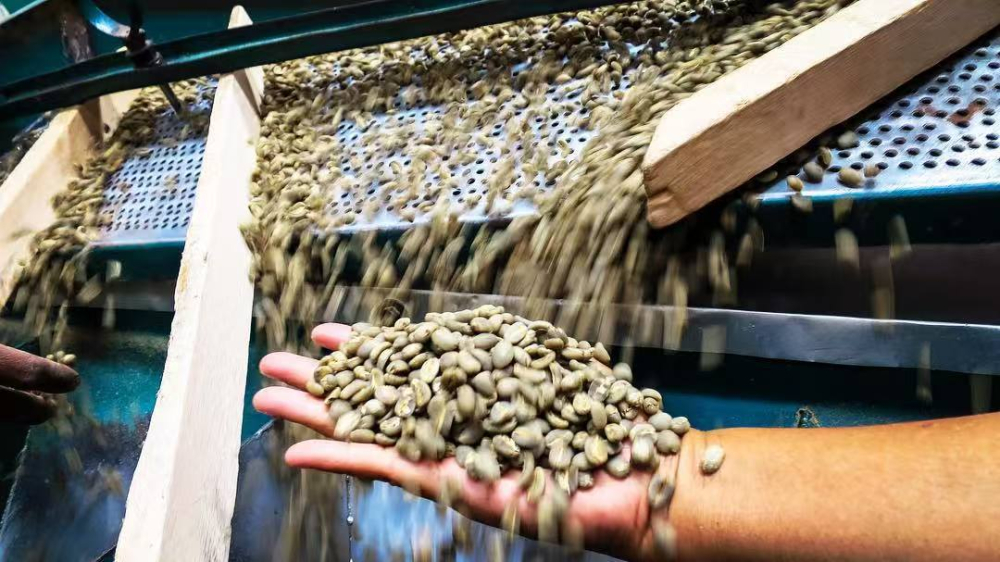
Hulling uses a huller to grind off the bean shell, followed by further drying until moisture content is around 12% to 15%. The beans are then machine-sorted to remove various impurities and graded by size.
After machine sorting, the coffee is sent to a hand-sorting warehouse where workers pick out defective beans one by one. After two to three rounds of hand sorting, the beans are packed in burlap sacks.
● Of course, accidents are inevitable.
During hulling, the temperature of wet-hulled coffee beans rises to 30–60°C, and the parchment layer is completely destroyed, which can trigger germination.
Additionally, because the wet-hulling method removes the fruit skin during processing, the beans are directly exposed to air, so the proportion of defective beans such as moldy beans is much higher than with washed or natural methods.
This is the unique flavor processing method of Sumatra Mandheling.
By the way, the removed skin and pulp can be fermented into fertilizer. If plantations use this ecological fertilizer, it can earn extra points when applying for organic coffee plantation certification.
The above content is compiled by CoffeeHunters, a coffee news website.


