








How Does Golden Mandheling Differ From Other Indonesian Coffee?
Golden Mandheling is a PWN-selected Indonesian coffee from North Sumatra, graded higher than ordinary Mandheling by defect rate, bean size and the number of hand-sorting passes. In the cup it is mellow and clean, which is why the PWN label matters: it signals stricter sorting, clearer packaging information and a more consistent roast than generic Mandheling lots.
Indonesia's variety system grew complicated after leaf rust wiped out Dutch-planted Typica, forcing the introduction of Tim Tim, Catimor, Caturra, S795 and Robusta. Farmers gave these plants local names, so coffee is usually labeled by region instead: Java coffee from Java Island, Mandheling from North Sumatra, Toraja from Sulawesi, and kopi luwak, which is named for its unique processing method.
Indonesia's coffee variety system is intricate for historical reasons, and its green bean grading standards are also unique. From the perspective of Front Street Coffee, this article sorts out the evolution of Indonesian coffee varieties, analyzes its grading logic such as defect rate, bean size, and number of hand-sorting passes, and focuses on comparing the differences between PWN Golden Mandheling and ordinary Mandheling, covering origin, variety, packaging information, roasting curve, and brewing parameters, to help coffee enthusiasts fully understand this mellow and clean Indonesian specialty coffee.
Since Dutch colonists introduced coffee to the Indonesian archipelago in the seventeenth century, this Southeast Asian country's coffee industry has gradually occupied a position in the international market that cannot be ignored. Due to historical factors, Indonesia's coffee variety pedigree is especially complex, and its green bean grading system is also relatively unfamiliar to most people. Front Street Coffee (FrontStreet Coffee) will talk today about how to distinguish the quality of Indonesian coffee.
Why are Indonesian coffee varieties so diverse?
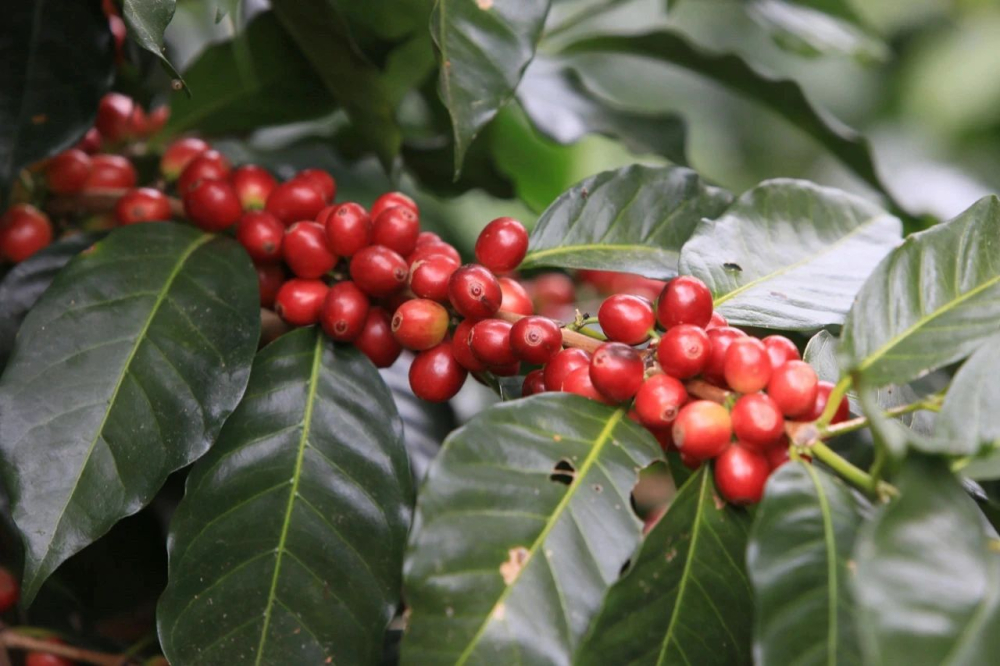
The reason why Indonesia's coffee variety system is so complex can be traced back to the ravages of leaf rust. The Typica plants planted by the Dutch at that time died in large numbers after being infected, and in order to preserve production, they had to introduce disease-resistant varieties from surrounding areas. Tim Tim, Catimor, Caturra, S795, Robusta, and others entered Indonesia one after another against this background. However, local coffee farmers generally had a low level of education, and after these varieties reached their hands and were planted, many localized names emerged. For example, what we usually call the Tim variety is called Tim Tim or Bor Bor in Indonesia.
Faced with such a diverse range of green bean varieties, it is difficult for Indonesia to name coffee by a single variety. In addition, due to historically formed famous producing regions, coffee produced on Java Island is usually called Java coffee, Arabica coffee from North Sumatra is called Mandheling coffee, and the most famous coffee from Sulawesi Island is Toraja coffee—named after the ethnic group on the island that is skilled at growing coffee. There is also kopi luwak, named for its unique processing method.
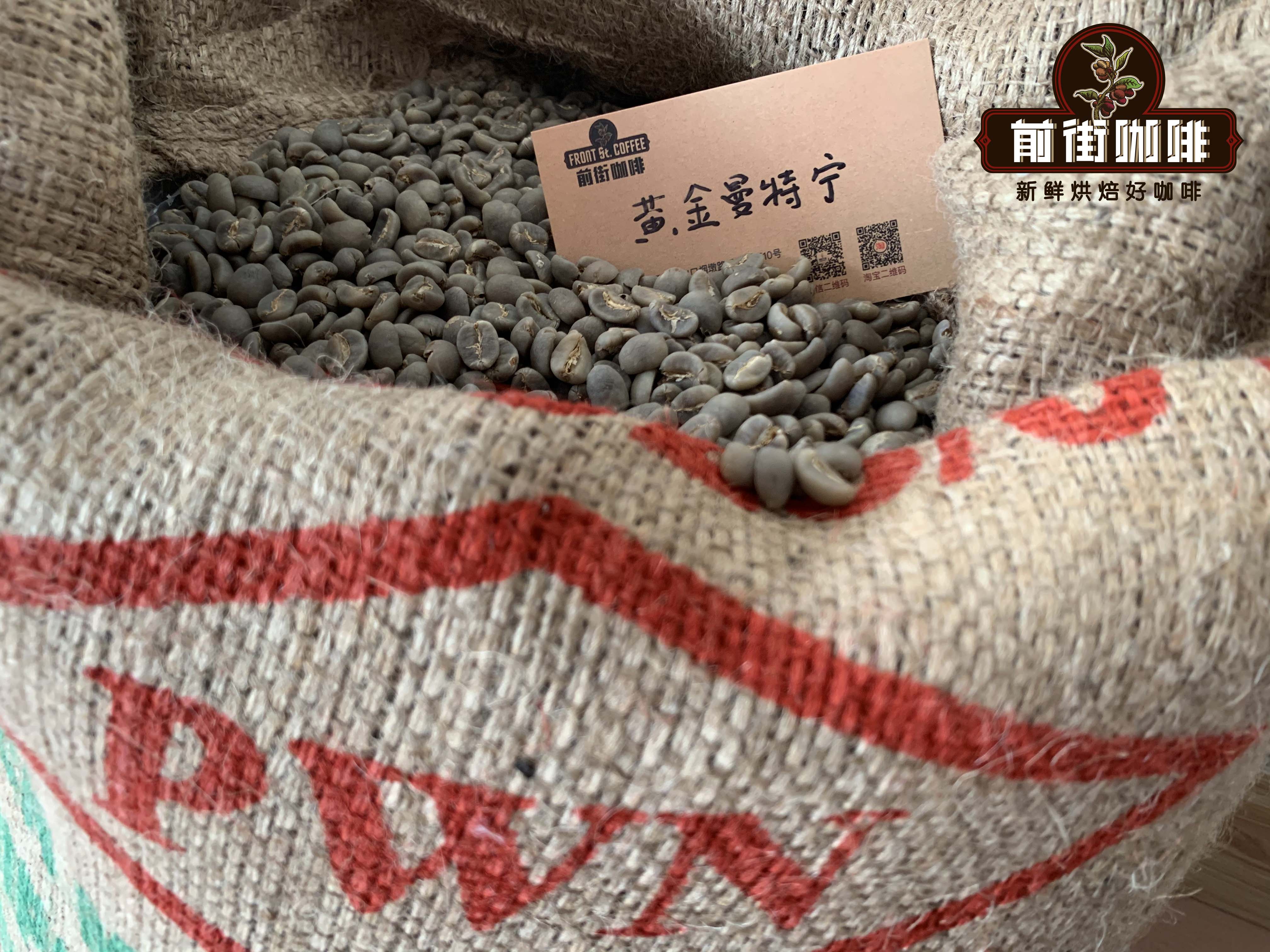
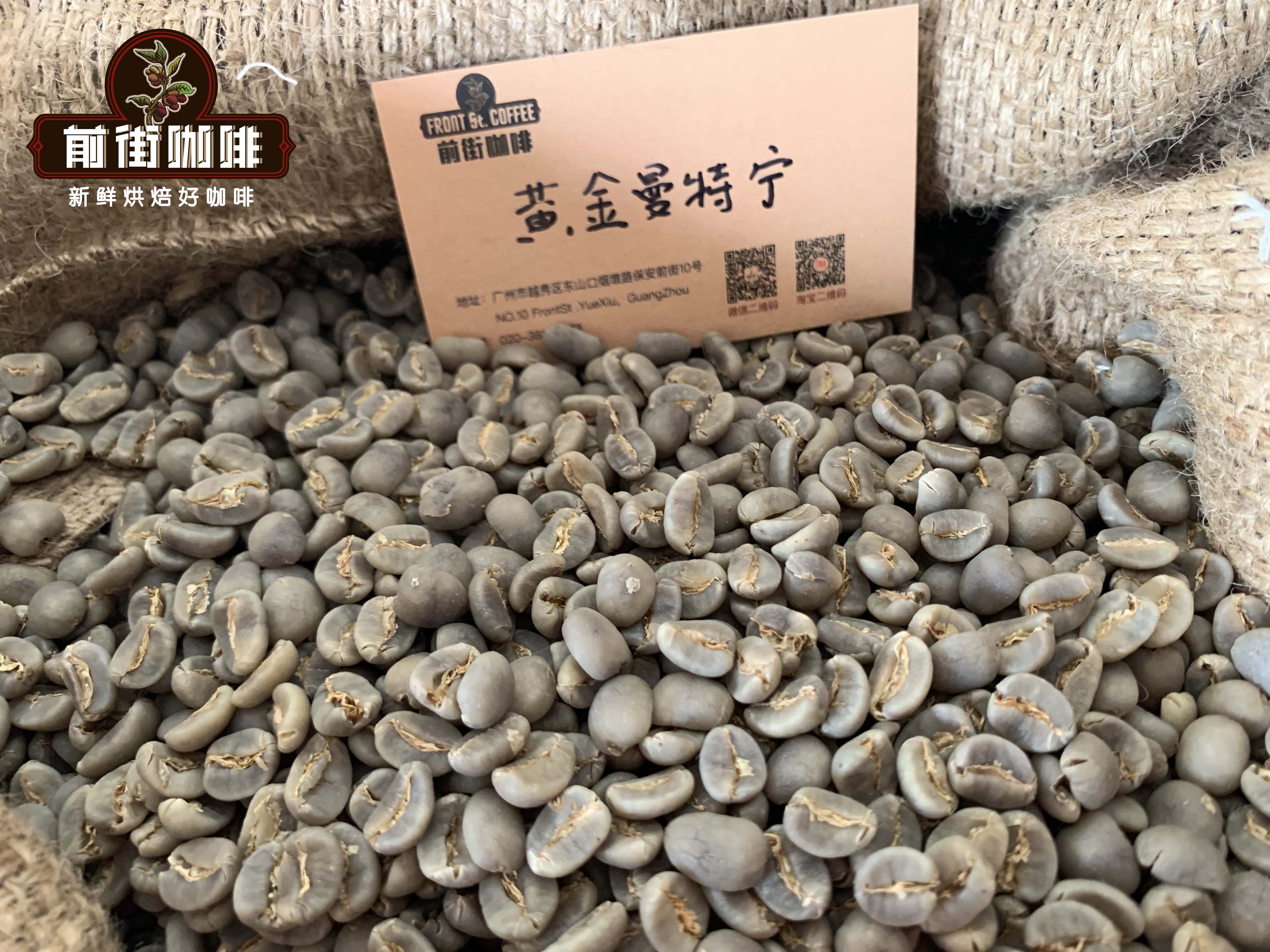
PWN's Golden Mandheling coffee beans are produced in the Gayo Mountain region of Aceh Province at the northern tip of Sumatra Island, and the variety is Ateng, which is the local name given after Catimor was introduced to Aceh for cultivation. Ateng is the abbreviation of Central Aceh (Aceh Tengah).
How complex are Indonesia's green bean grading standards?
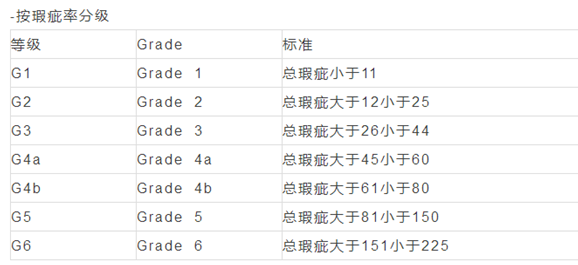
It is precisely because the green bean variety system is so diverse that Indonesia has formed a complex set of coffee grade standards. Its core idea is to grade mainly based on the number of defective beans, with coffee bean size as a supplementary reference.
According to defect rate from low to high, it is divided into six levels, G1 to G6.
Indicators of coffee bean size
Some higher-quality Indonesian coffees also indicate screen size, for example, Golden Mandheling will be marked as 17 mesh or 18 mesh.
Number of sorting passes
In addition to the above grading indicators, some Indonesian specialty coffees also undergo manual sorting, shown on the label as Double Picked or Triple Picked. This is because Indonesia generally uses the wet-hulling method to process green beans, and defective beans are easily produced during the process. The more hand-sorting passes, the more guaranteed the coffee quality is.
Front Street Coffee (FrontStreet Coffee) received a batch of Golden Mandheling coffee from the new October production season of that year in December 2020. The packaging bag is printed with the basic information of the coffee beans, explained one by one below.
PWN: the logo of Pawani Company
GOLDEN MANDHELING: Golden Mandheling
TRIPLE PICKED: triple hand-sorted, highlighting its quality advantage
COFFEE ARABICA: Arabica coffee, referring to the coffee bean variety. PWN used to purchase coffee beans in the Lintong region (the variety was Typica), but in recent years coffee farmers in Lintong have grafted tree varieties in pursuit of yield and profit, and quality has declined noticeably. Therefore, PWN shifted the producing region to the Gayo Mountains in Aceh and changed the variety to Ateng.
GRADE 1: that is, G1, the highest level in Indonesia's green bean grading system, with a total number of green bean defects below 11.
PROD.OF INDONESIA: that is, product of Indonesia, produced in Indonesia
30 KGS NET: 20 kilograms including the burlap sack
EXP: 10.2024: shelf life until October 2024, which also exactly confirms that this batch is from the October 2020 production season.
Front Street Coffee (FrontStreet Coffee) roasting analysis
Golden Mandheling has a high-quality herbal aroma, with caramel sweetness more prominent, fruit acidity steady and elegant, rich sweetness, and a mellow yet wild spice flavor. Usually Lintong Mandheling is best roasted until after second crack before being discharged, which can effectively reduce off-flavors, but Golden Mandheling already has very good transparency and sweetness when discharged before second crack, and there is wider room for roasting expression.
When the roaster temperature rises to 200°C, add the beans, adjust the damper to 3, and after one minute lower the heat to 160°C, keeping the damper unchanged. Roast until 5 minutes 40 seconds, when the temperature is 148°C; the bean surface turns yellow, the grassy smell is completely gone, the drying phase ends, the heat is lowered to 140, and the damper is adjusted to 4;
At 9 minutes 40 seconds, irregular wrinkles and dark patches appear on the bean surface, and the toast aroma clearly changes to coffee aroma, which can be regarded as the prelude to first crack. At this time, carefully catch the cracking sound of first crack. First crack begins at 9 minutes 54 seconds. Turn the heat down to 60, open the damper fully (be sure to adjust the heat carefully, not so low that the cracking sound cannot be heard), and discharge the beans at 204.5°C.
Front Street Coffee (FrontStreet Coffee) brewing sharing
This brewing aims to highlight the mellow, clean, and rich characteristics of Golden Mandheling, using a KONO dripper (the original design intent of this dripper was to imitate the effect of a flannel cloth filter in producing rich coffee). For medium-dark roasted beans, choose a medium-coarse grind (57% passing rate on a No. 20 standard sieve). Use a 1:13 coffee-to-water ratio, with 20 grams of coffee powder; lowering the coffee-to-water ratio can make the mouthfeel richer. Control the water temperature at 87°C.
Brewing steps: slowly pour in the coffee powder, try to keep the powder bed flat during pouring, and do not shake the dripper (shaking will reduce the spacing between coffee powder particles, which is not conducive to degassing during blooming). In the first stage, pour 40 grams of water in a small circle from the center, bloom for 30 seconds, and the powder bed will gradually expand and rise to form a "hamburger" shape.
In the second stage, pour 120 grams of water in circles from the center outward, keeping the pouring height as close to the powder bed as possible, and move slowly to avoid excessive agitation. In the final stage, pour 100 grams, and end extraction when all the coffee liquid in the dripper has flowed into the server. Total extraction time is 2 minutes.
Golden Mandheling flavor description: nuts, chocolate, spices, herbs, caramel. Golden Mandheling tastes cleaner than Lintong Mandheling, and the herbal, earthy, and woody flavors inherent to Mandheling are almost imperceptible, while the caramel sweetness is stronger, and the fruit acidity is brighter and more elegant.
The above content is compiled by CoffeeHunters, a coffee news website.


