







What Makes Yunnan Coffee Producing Regions Distinct?
Yunnan coffee began with Typica, the original small-bean variety planted locally and known as Yunnan small-bean coffee, which is Arabica. After Nestle entered the region, Catimor was planted on a large scale because it resists disease and yields more. Two representative lots show the range: a washed Catimor with nuts, brown sugar and plum, and a sun-dried Typica with dried apricot, cream, chocolate and berries.
Typica traces back to Ethiopia, and nearly all Arabica varieties descend from it. Its cup is elegant but the plant is weak, prone to leaf rust and low yielding, so it has been widely replaced by Caturra and Catuai in Central and South America. Across coffee producing regions in China, that shift shaped what is grown today in Yunnan.
Chinese coffee looks to Yunnan, and the story of Yunnan coffee cannot avoid variety turnover and flavor exploration. This article starts from Typica, the origin of Yunnan small-bean coffee, sorts out the historical thread of the large-scale replacement by Catimor after Nestlé entered, and presents two representative Yunnan beans from Front Street Coffee—washed Catimor and sun-dried Typica—with detailed flavor descriptions and suitable scenarios. Whether you are a beginner just encountering domestic coffee or a seasoned enthusiast looking for specialty Yunnan flavors, you can find a choice that suits you. At the end of the article, there is also a complete method for brewing Yunnan coffee with a French press, explaining grinding, water temperature, and pressing timing one by one, helping you easily reproduce a delicious cup of Yunnan coffee at home.
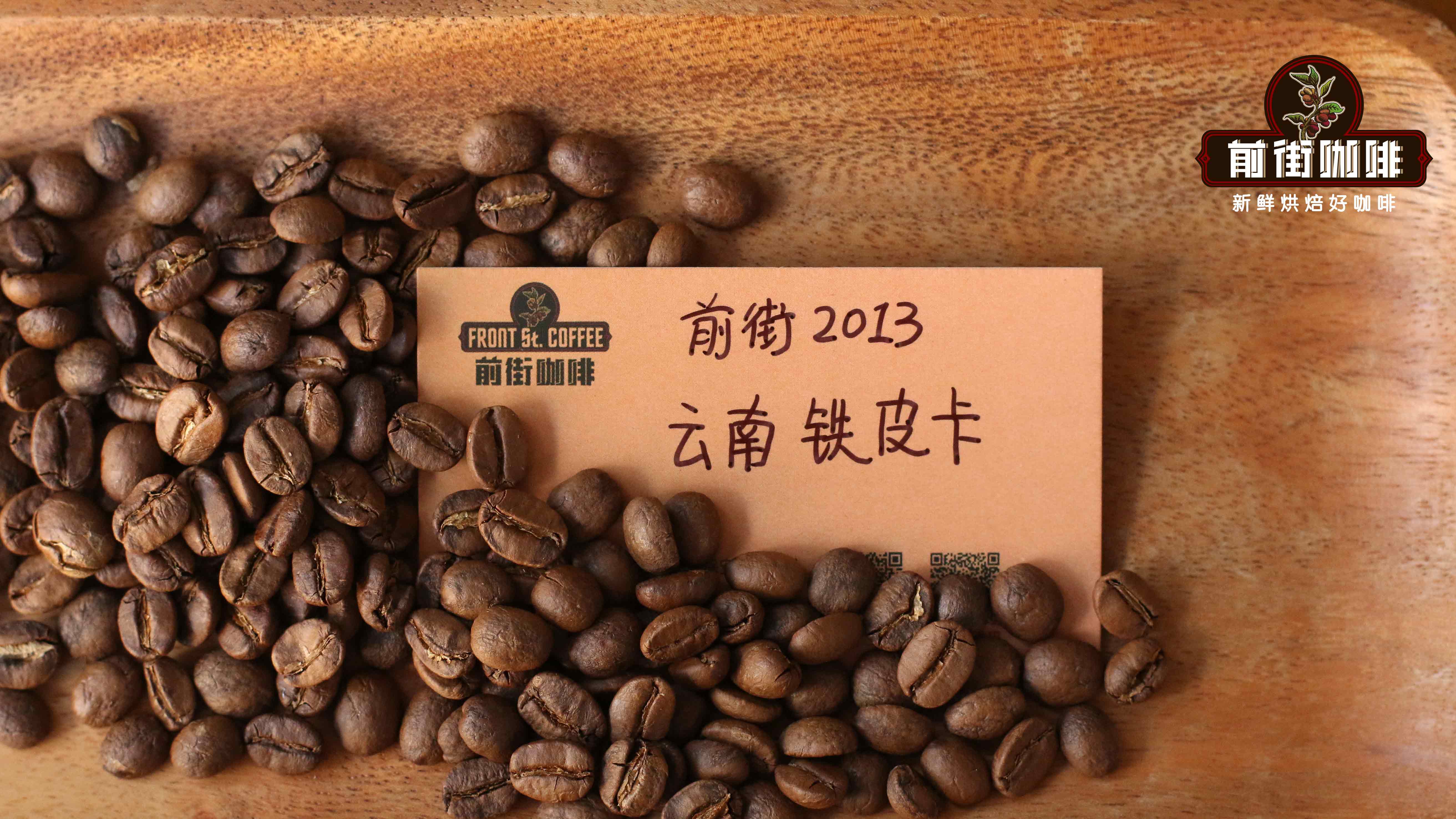
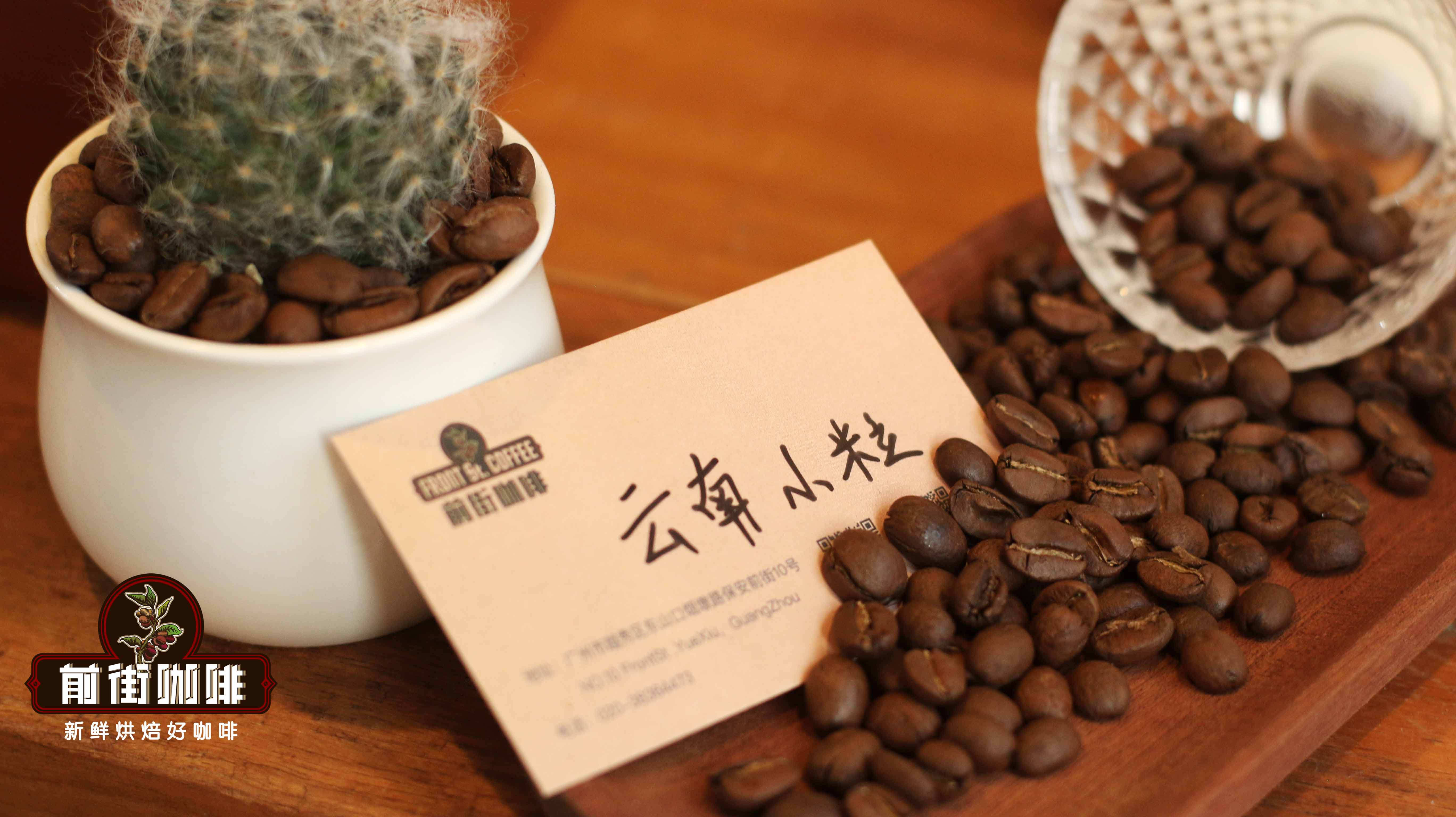
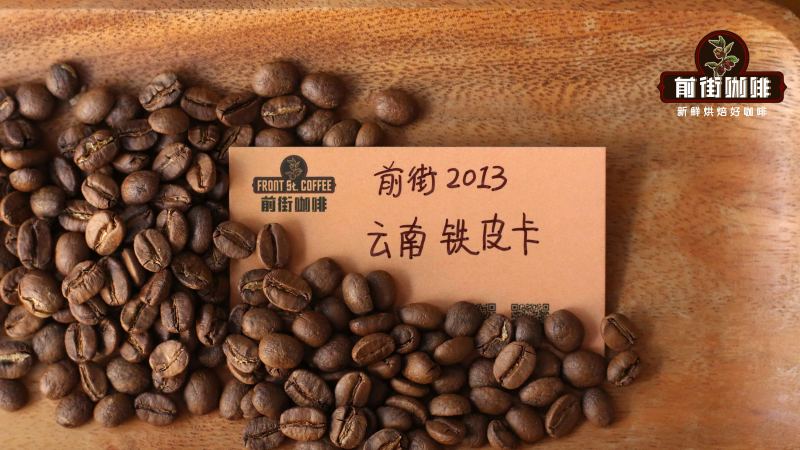
Speaking of Yunnan coffee, Front Street Coffee currently offers two choices. One is the Catimor variety Front Street Yunnan small-bean coffee, whose flavor is centered on nuts, brown sugar, and plum, with an overall balanced profile, suitable for friends just beginning to explore the Yunnan region; the other is Front Street 2013 sun-dried Typica, which after brewing reveals a layered sense of dried apricot, cream, chocolate, Sanhua plum, and berries, aimed at enthusiasts seeking the high-quality expression of Yunnan specialty coffee.
The concept of Yunnan small-bean coffee originally referred to Typica, which was planted locally in the early period. Small-bean coffee means Arabica, so Yunnan coffee originally belonged to the Arabica system. Arabica is further divided into many varieties, among which Typica and Bourbon can be called the two oldest members. Typica originates from Ethiopia and is the oldest native variety there; today almost all Arabica varieties can be traced back to Typica.
Typica has an elegant flavor. Front Street 2013, Front Street Jamaica Blue Mountain, and Front Street Bird of Paradise all belong to this variety. However, the Typica plant is relatively weak, with unsatisfactory disease resistance, is prone to coffee leaf rust, and has low coffee bean yield, making it difficult to satisfy economic benefits. In recent years, Typica in Central and South America has gradually been replaced by Caturra and Catuai, and Typica is seen less and less. Despite its outstanding flavor, Typica's popularity has always lagged behind Bourbon.
Later, Nestlé entered Yunnan. Considering Typica's poor disease resistance and also in order to increase coffee bean yield, Nestlé pushed coffee farmers to cut down the tasty but delicate Typica and switch to new varieties with slightly inferior flavor but disease resistance and high yield.
Catimor is a hybrid of two plants and inherits characteristics from both sides, especially resistance to coffee leaf rust (from its Robusta genes) and a short, compact plant shape, making large-scale cultivation more convenient. Because Tim carries Robusta ancestry, in addition to being stronger than Typica in leaf rust resistance, its flavor also has the intensity and bitterness characteristic of Robusta. It can be used both as a pour-over single origin and is also very suitable for blending with Brazilian coffee into an espresso blend. Here, Front Street Dark Cocoa Basic Blend is recommended; when used to make coffee, you can taste the rich aroma of milk chocolate, caramel, and almond cookies.
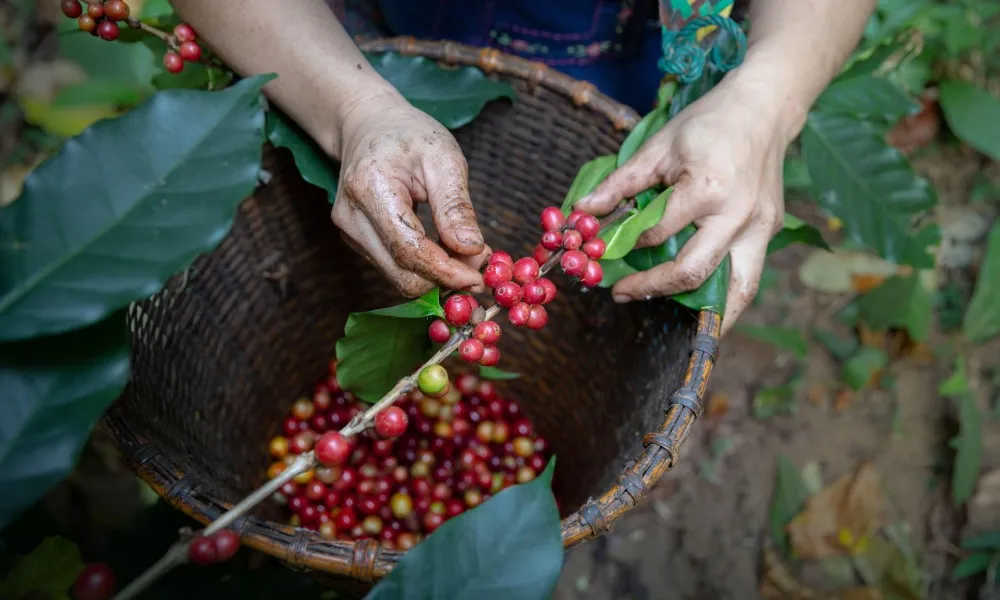
Front Street Yunnan small-bean coffee uses washed processing and medium roasting, capable of presenting the basic regional flavor of Yunnan coffee. After brewing, it has nutty notes, as well as herbal, chocolate, and caramel tones, with a faint fruity acidity in the aftertaste. Suitable for pour-over and drip bags.
As one of its signature offerings, Front Street 2013 Yunnan Typica is grown at high altitude, thus showing the rich aroma of pure small-bean coffee. This bean has undergone sun-dried processing and medium roasting; after brewing, it has the sweet-tartness of dried apricots, nutty tones, brown sugar sweetness, and a tea-like aftertaste. Suitable for making pour-over, cold brew, clever cup, drip bags, and French press.
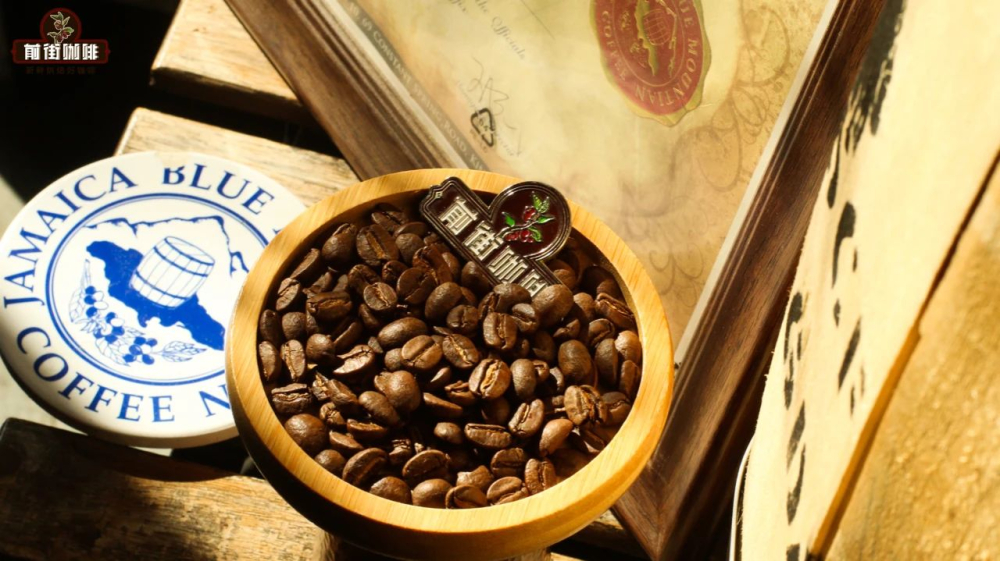
1. First grind the coffee beans, then pour them into the French press. There is no need to agonize over the grind size; it does not need to be too coarse, just keep it at medium grind.
2. Bring the water to a boil; it is recommended to control the water temperature at around 93°C, then pour in the appropriate amount of water. We use 20g of coffee grounds with 200g of hot water, stir with a spoon, and let the coffee grounds fully contact and blend with the water.
3. Put the lid on the French press, leave the filter at the highest position, and let it sit for 4 minutes.
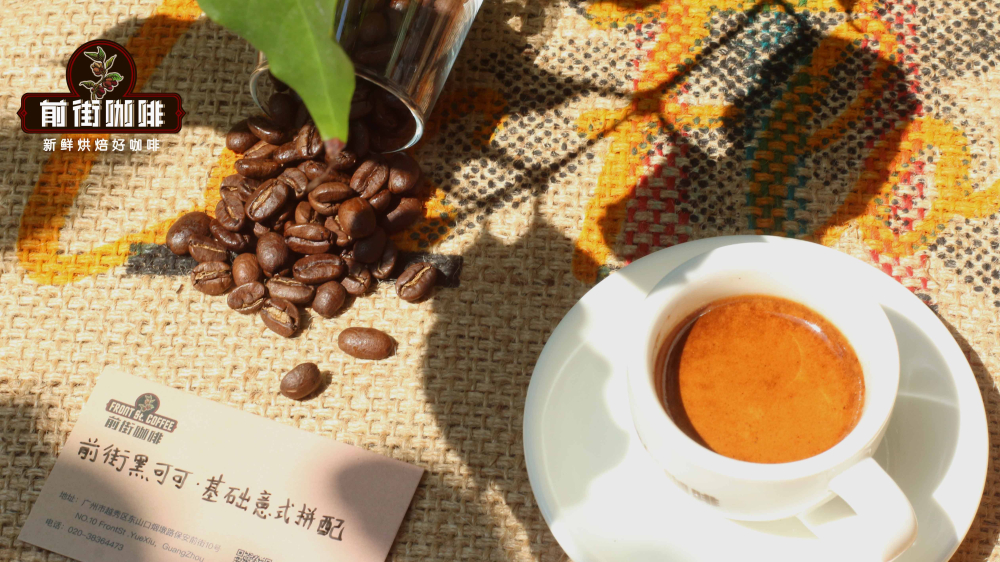
4. Before pressing the filter down, you can first open the lid and use a spoon to scoop off the foam and fine grounds floating on the surface, then press the filter down to the bottom.
5. After brewing is complete, immediately pour it out into another insulated container; do not delay, because the coffee grounds are still soaking in the pot. Next, pour it into a cup and enjoy it slowly.
The above content is compiled by CoffeeHunters, a coffee news website.


