







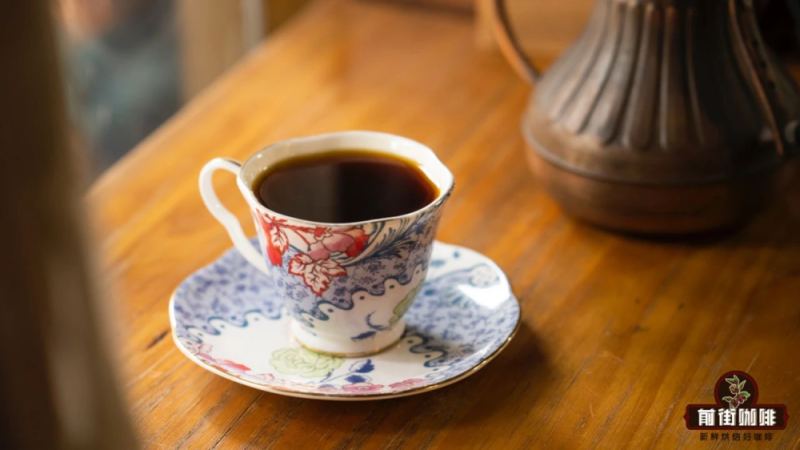
What grind size does French press coffee brewing need?
French press coffee brewing uses immersion extraction, so the grind should be coarse, roughly a size slightly larger than everyday granulated white sugar. Grinding too fine lets superfine powder slip through the metal mesh into the liquid, which clouds the mouthfeel and dulls the clean, full-bodied result the press is known for.
Preheat the glass carafe with hot water before brewing, since glass loses heat quickly and a cold pot drops the water temperature during steeping. Light, medium, and dark roasts behave differently in the press, and matching the bean to immersion extraction is what consistently produces a balanced, delicious coffee at home.
The French press is the introductory tool of choice for many coffee enthusiasts—simple to operate yet capable of brewing a full-bodied cup. Drawing on Front Street Coffee's practical experience, this article explains in detail the history of the French press and the key points to watch during brewing, including grind size, preheating the pot, coffee-to-water ratio, and plunging technique. It also compares three beans—light, medium, and dark roast—to analyze which beans suit the French press's immersion extraction method, and offers Front Street brand purchasing advice to help you easily make a balanced, delicious cup at home.
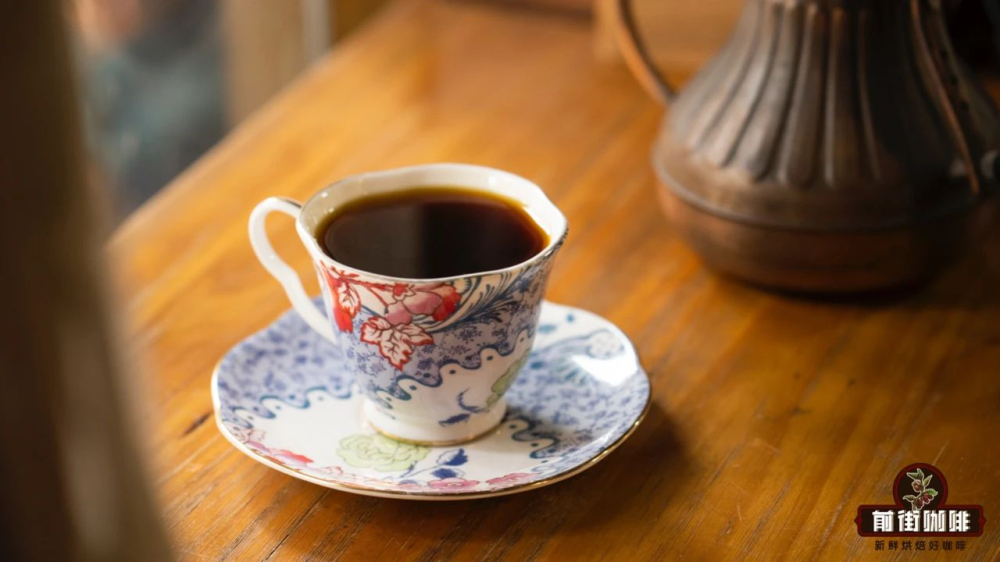
When you want a cup of coffee at home, the French press is a choice worth considering. For Front Street Coffee, it was actually the first coffee tool we ever acquired, so we've always had a special affection for it—though the cleaning step is admittedly a bit of a hassle.
The French press was born in France around 1850. Its structure isn't complex: a heat-resistant glass carafe (there are also clear plastic versions) paired with a plunger fitted with a metal mesh filter. It can brew tea, make coffee, and even froth milk—quite versatile. Its extraction principle is to let hot water fully contact the coffee grounds, releasing the coffee's essence through immersion and steeping. The barrier to entry is low, and it doesn't demand much technical skill.
The core idea of making coffee with a French press is to let the coffee grounds be completely submerged in water inside the pot, then use the plunger with its metal mesh filter to separate the coffee liquid from the grounds. This immersion-style brewing produces excellent body, enhancing mouthfeel and oiliness, and the final cup is relatively clean.
Things to note about the French press!!
Grind size
When brewing coffee with a French press, the grind should be coarser—generally controlled to a size slightly larger than everyday granulated white sugar. If ground too fine, a large amount of superfine powder will pass through the mesh into the coffee liquid, making the mouthfeel less clean and affecting the overall drinking experience.
Preheating the pot
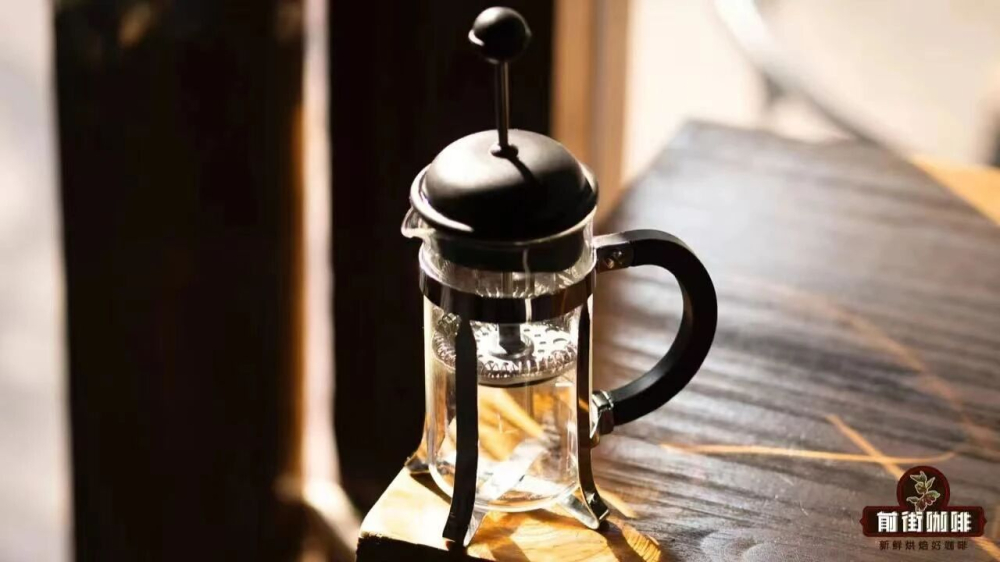
Before brewing, remember to preheat the pot with hot water first. Since French presses are mostly made of glass, if you don't preheat, the water temperature will drop fairly quickly during brewing.
Coffee brewing ratio
The so-called brewing ratio refers to the ratio of coffee grounds to water. The common range is 1:15 to 1:18. Take 1:15 as an example—that means 15 grams of coffee grounds to 225 grams of water. When using a French press at home, you can absolutely adjust this ratio to your personal taste preference.
The plunger
After steeping is complete, when pressing the plunger down, be sure to maintain a steady speed and press all the way down in one go. If you repeatedly pull up and press down, the coffee grounds tend to swirl up, ultimately leaving sediment in the coffee liquid.
How do you choose coffee that suits the French press?
We used three beans of different roast levels—the light-roast 【Elida】, the medium-roast 【Hartmann】, and the dark-roast 【Tiger Mandheling】—to try in the French press and see what flavors they'd present!
Elida: The wet aroma shows a sweet fermented fruitiness; on the palate you can clearly sense jackfruit and passion fruit notes. The acidity is bright, but the sweetness isn't particularly pronounced.
Hartmann: The red wine fermentation-type aroma is very intense, the tropical fruit's sweet-and-sour character is clear, and the overall presentation is rounded.
Tiger Mandheling: Balanced flavor, full body, good oiliness, with pronounced notes of dark chocolate, caramel, and cream.
Because the French press uses immersion extraction, the coffee grounds contact the hot water for a longer time. If you use light-roast beans, it will extract relatively high acidity while masking the original floral-fruity notes and delicate layers. So compared with light roast, the French press is better suited to medium-to-dark roast single-origin coffees, which can better showcase sweetness and caramel-type flavors.
For beginners making French press coffee, the top picks are Front Street PWN Golden Mandheling, Front Street Blue Mountain, and Front Street Queen's Estate; if you prefer coffee with richer fruit notes, go for Front Street Strawberry Candy, Front Street Mozart, and Front Street Sidra.
After this experiment, Front Street believes the beans best suited to the French press are none other than dark-roast beans. Because of the immersion extraction, coffee made with a French press has a full body and balanced flavor. So if you extract with beans that have rich layers of flavor, you actually fail to highlight that bean's characteristics, whereas the full body and balanced flavor of dark-roast beans can be well expressed through the French press's immersion extraction.
The above content is compiled by CoffeeHunters, a coffee news website.


