







Yunnan Baoshan's small-bean coffee has long been exported overseas, but do you know what variety it actually belongs to? Most Yunnan beans on the market are Catimor, while traditional Typica is regaining attention for its unique flavor. This article walks you through the varietal lineage of Baoshan small-bean coffee, and uses a Front Street Coffee sun-dried Typica as an example to break down the cold brew process, grinding parameters, and storage tips in detail. If you're also curious whether Yunnan Typica makes a good cold brew, why not follow along and give it a try yourself.
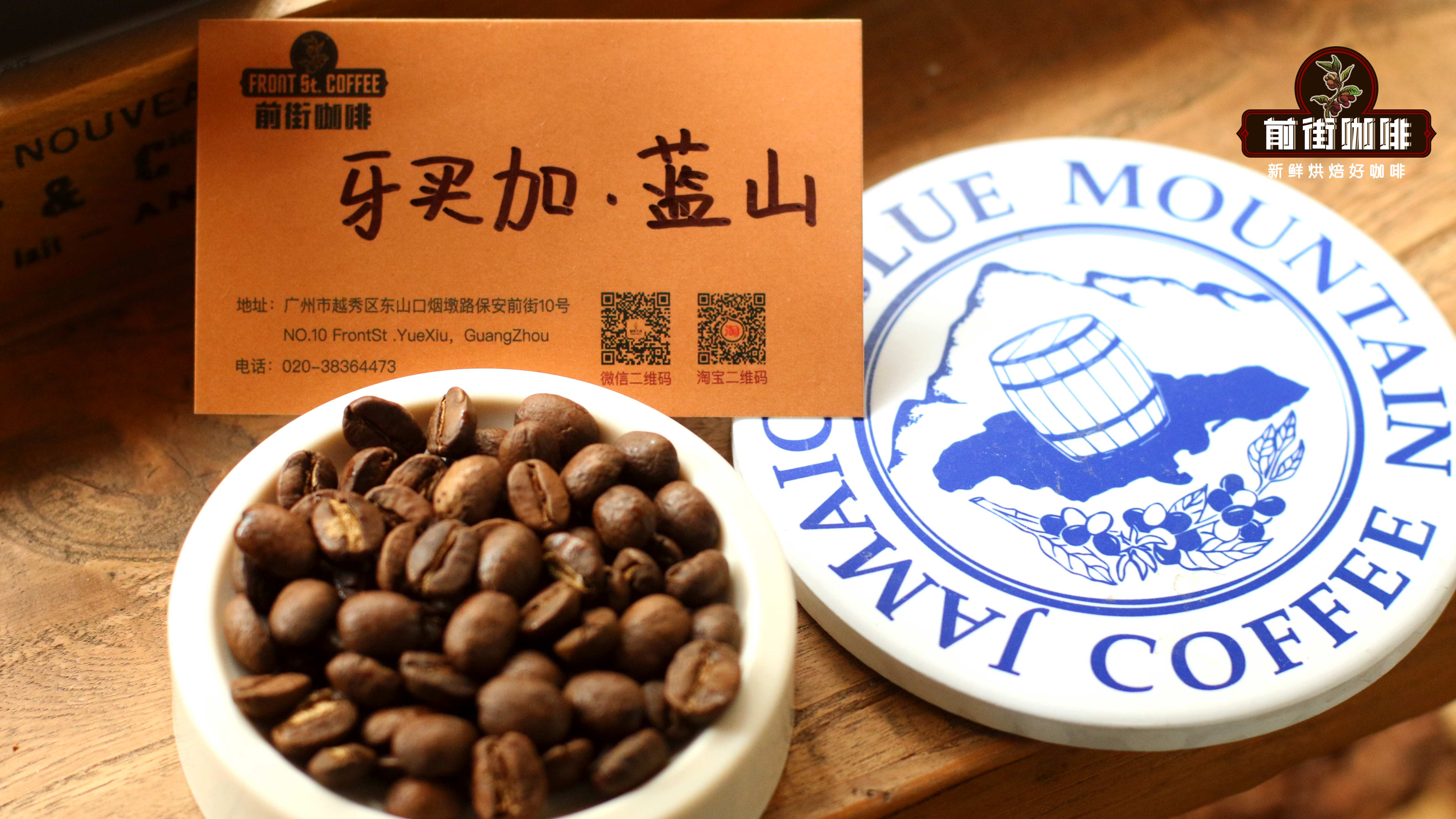
When it comes to coffee, the first thing many people picture is probably the Blue Mountain coffee that showed up so often in Hong Kong dramas of the '80s and '90s. Back then, watching the adults on screen take just a gentle sip, their faces lighting up with a satisfied, blissful expression—that image stayed buried deep in memory. Once you finally taste that cup of coffee that truly lives up to the hype, you've set foot on the coffee path for good. From only recognizing beans from foreign origins at first, to now wholeheartedly embracing China's Yunnan specialty coffee—that shift is something I never would have dared imagine before.
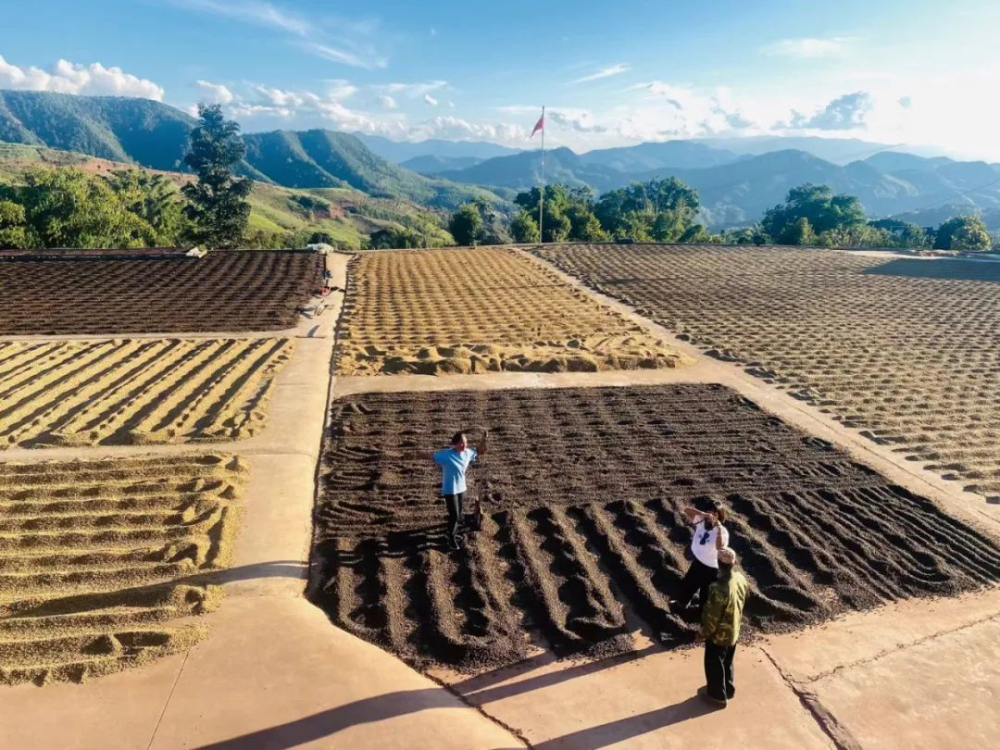
As Yunnan small-bean coffee is promoted vigorously across the country, more and more names of Yunnan growing regions are entering the public eye. People now know that Pu'er doesn't just produce tea—it also grows coffee; and Baoshan's small-bean coffee is even exported overseas, earning plenty of praise.
Yunnan has a high forest coverage rate, good soil conditions, ample rainfall, diverse terrain, relatively high altitude, a mild climate year-round, and sits right near the Tropic of Cancer—making it a rare treasure trove for growing coffee in China. Besides the well-known Pu'er and Baoshan, the province's coffee-growing regions also include Dehong, Lincang, and others. However, Yunnan small-bean coffee from different regions can show subtle differences in taste.
Most Yunnan coffee beans available on the market today are of the Catimor variety, and Front Street Yunnan Small Bean is one of them. Catimor has higher yields, which means more substantial returns. Many local coffee farmers in Yunnan don't know much about coffee varieties and flavors—they care more about income, so they've abandoned the old Typica variety one after another and switched to higher-yielding Catimor. The flavor of Front Street Yunnan Small Bean isn't exactly stunning, but it's enough to represent the entry-level standard of the region.
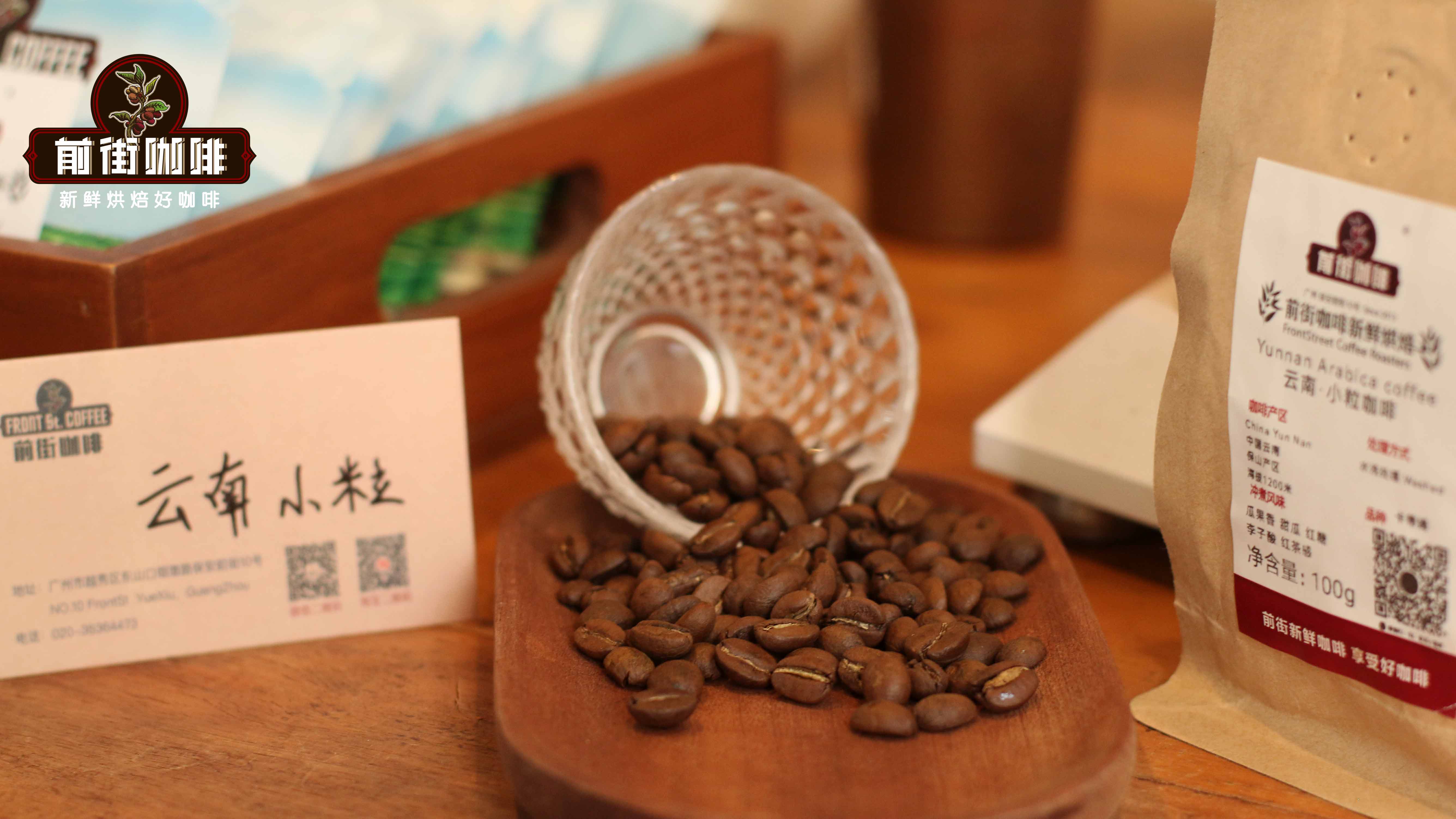
This Front Street sun-dried Typica, because it uses a Japanese-style processing method, has a very full aroma and especially prominent sweetness, with preserved-fruit-like sweetness, soft plum acidity, rich nutty notes, and a finish that brings out brown sugar sweetness and a black-tea-like mouthfeel. Many friends who've bought this Front Street Yunnan coffee bean ask Front Street's baristas how to brew it to bring out its best flavor. Front Street sun-dried Typica is fragrant without being harsh, rich without being bitter, retaining the characteristic taste of traditional Yunnan small-bean coffee.
How to make cold brew with Front Street Yunnan sun-dried Typica
First, prepare a clean, oil-free glass bottle with a lid that can be sealed, 200 milliliters in size.
Next, weigh out 20 grams of coffee beans for making cold brew, and grind to a medium / granulated sugar coarseness (75% passing through a Chinese No. 20 standard sieve).
Pour the coffee grounds into the glass bottle, add room-temperature or ice water at a 1:10 ratio. Stir thoroughly to make sure every coffee particle comes into contact with water, then seal and place in the refrigerator to extract for 8 to 12 hours. No shaking needed during this time—just let it steep.
Once steeping is complete, filter out the coffee grounds with a filtering tool or coffee filter paper, and it's ready to enjoy!
How long can cold brew coffee be stored
Some people have heard that cold brew coffee can last 2 to 3 weeks, but FrontStreet Coffee doesn't recommend storing it that long. After cold brew coffee is extracted and the grounds are filtered out, provided it's kept sealed, it's best to drink it within 72 hours.
Some friends make cold brew at home, and household refrigerators often have meat and vegetables stored together. Even if it's kept sealed, it's hard to completely avoid bacterial contamination. So after making cold brew, remember to drink it as soon as possible!
The above content is compiled by CoffeeHunters, a coffee news website.


