








What is pour-over blending, and how do coffee shops build it?
Pour-over blending means mixing two or more single-origin beans in a set ratio around one flavor focus, rather than brewing a single lot alone. It balances sweetness, bitterness, acidity, and aroma so the cup stays centered on one point while gaining depth. The practice has grown in what is coffee shops' daily menu planning, and it can be done at home with beans already on hand.
The method starts with deciding which flavor to lead with, then learning how each single-origin coffee and roast level behaves in the cup. A jasmine-forward lot such as Yirgacheffe pairs differently with a nutty Brazilian bean than with a bright African one. Affordable single-origin beans work well for daily blending, since the mix smooths small inconsistencies between bags.
Friends who frequent coffee shops may have noticed that pour-over usually uses single-origin coffee beans without any flavoring, in order to taste their unique aroma. But in recent years, the concept of "pour-over blending" has gradually emerged. So-called pour-over blending refers to mixing two or more single-origin beans in proportion, centering on a certain flavor focus, harmonizing sweetness, bitterness, acidity, and aroma layers, to create a personal exclusive coffee experience. This article will explain the meaning of pour-over blending, and share Front Street Coffee's blending ideas and specific plans, helping you make pour-over blends that suit your taste at home, while also recommending affordable pour-over beans suitable for daily use.

Can pour-over coffee beans be blended into composite coffee? What does pour-over blended coffee mean? Affordable pour-over bean recommendations
Friends who often go to coffee shops should know that pour-over is brewed with single-origin coffee beans, then drunk directly without adding any other seasonings, because only in this way can you taste its unique aroma. But some people have proposed such a concept: pour-over blending.
Generally speaking, pour-over blending beans will harmonize flavor, aroma, and mouthfeel around one focus. From sweet, bitter, or acidic coffees, choose the flavor you prefer, then mix according to a certain ratio; coffee flavor includes the aroma smelled before drinking, the aroma contained in the mouth, and the aroma rising back from the throat after drinking. Choose the aroma you prefer, making the mouthfeel rich while still focused on one point. Through pour-over blending, you can emphasize the coffee's flavor and aroma, and encounter a "personal exclusive coffee" that matches your preferences.
1. First determine what flavor of coffee you want to blend. There are many coffee flavors: dark-roasted rich types, light-roasted bright acidity types, and medium-roasted balanced and comfortable types. To make good blended beans, you must find out your own taste preferences.
2. To blend coffee, you must first be thoroughly familiar with the characteristics of each single-origin coffee, and understand the subtle relationship between roast degree and coffee flavor, and all of this can only be achieved through actual practice. For example, Front Street Yirgacheffe's jasmine aroma, Front Street Brazil Cerrado's creamy nuts, Front Street Strawberry Candy's sweet juicy feel, Front Street Mandheling's bittersweet richness, Front Street Jamaica Blue Mountain's balanced softness... all are coffee characteristics brought by origin and variety.
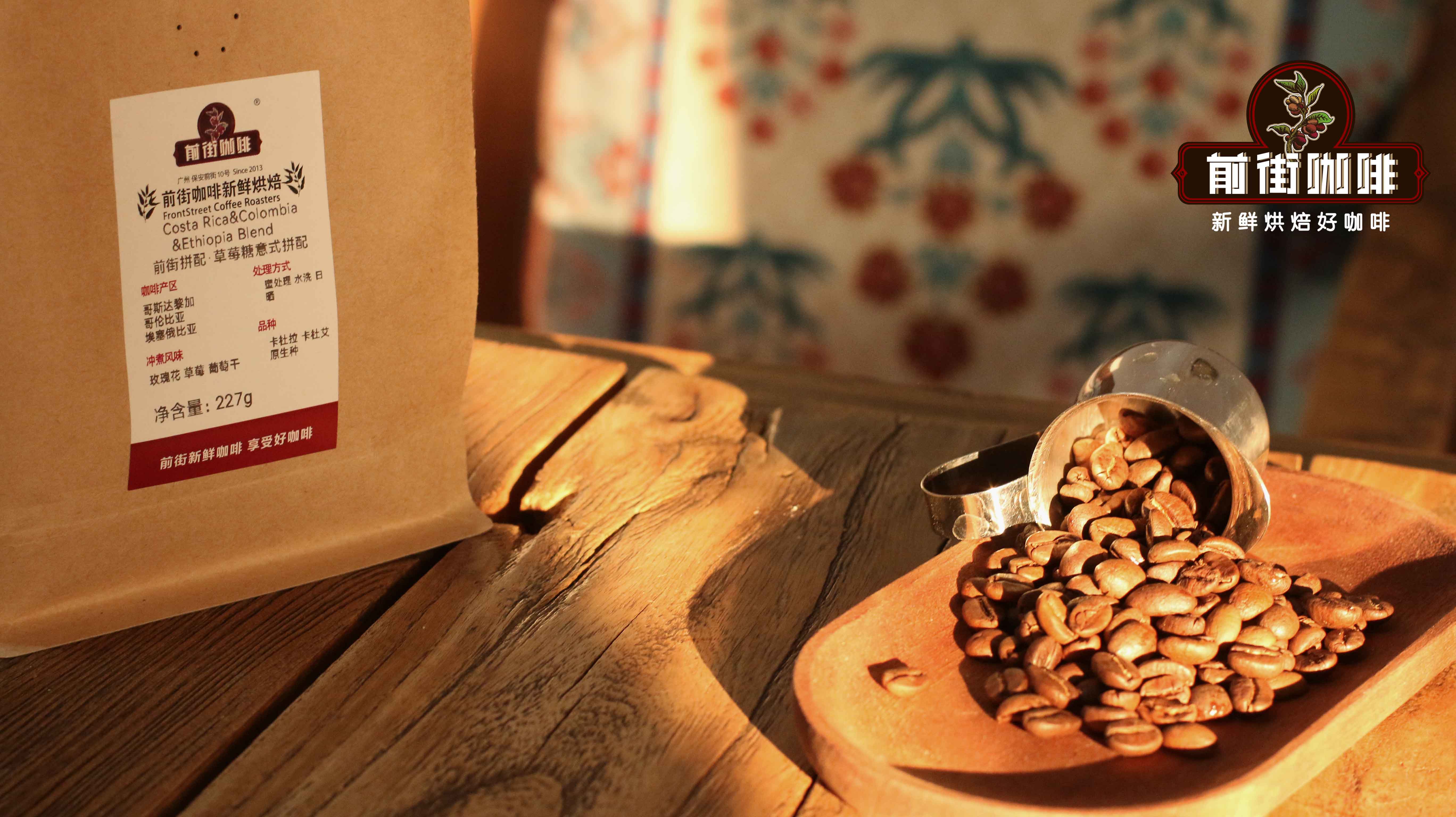
3. Determine the role that the coffee beans participating in the blend should play. Every coffee bean added to a blend has a purpose, so you must make sure what flavor and mouthfeel it provides, then think about how much it should account for. Below, Front Street demonstrates several different ideas for everyone:
For example, if you want to make a pour-over blend that is full of sweetness and also has a slight floral aroma, you can choose Front Street Huakui and Front Street Strawberry Candy in a 7:3 combination. Front Street Huakui is responsible for providing pink floral and berry aromas, while Front Street Strawberry Candy is responsible for presenting the sweetness of grape juice and preserved fruit, making the whole more three-dimensional.
Friends who want a balanced coffee can choose Front Street Queen's Manor and Front Street Bird of Paradise in an 8:2 combination. Front Street Bird of Paradise provides creamy and bread aromas, while Front Street Queen's Manor is responsible for presenting body and nutty characteristics. When poured over, the mouthfeel is balanced and clean, very suitable for people who do not like coffee that is too bitter or too sour.
If you completely cannot accept sourness, you should give priority to medium-dark roasted coffee beans. For example, Front Street PWN Golden Mandheling and Front Street Colombia Huila in a 6:4 ratio can make a cup of pour-over black coffee with extremely high body and rich aroma, with flavors of herbs, spices, pine, dark chocolate, and caramel.
The above content is compiled by CoffeeHunters, a coffee news website.


