







What Causes a Bitter Americano on Home Espresso Machines
A bitter americano usually traces back to bean choice and roast level rather than the machine alone. Semi-automatic espresso machines run at higher pressure, so intensely roasted coffee can dominate the cup. Medium-dark roasted beans are the practical starting point, since extremely light and extremely dark ranges both push extraction out of balance. Single-origin beans are not wasted on espresso as long as the roast suits the style.
Classic milk drinks such as latte, cappuccino, flat white, and dirty all rely on semi-automatic extraction, and crema is part of the appeal. Blends built on Indonesian Mandheling plus Brazilian beans, with some Indonesia robusta coffee beans added, strengthen crema and body. One recipe pairs Mandheling's wild aroma with Brazilian softness, while another adds robusta for a more solid base in lattes.
Semi-automatic home espresso machines are becoming increasingly popular these days. From grinding, distributing, and tamping to extraction, every step requires hands-on operation, but what you get in return is a more refined and controllable espresso quality. When it comes to bean selection, though, many people find themselves torn: what kind of coffee beans should be used? Would using single-origin beans for espresso be too wasteful? This article analyzes roast level selection and the differences between blends and single-origin beans, and offers several Front Street Coffee recommendations suitable for espresso, including the Classic Blend, PWN Golden Mandheling, and Strawberry Candy Espresso, to help coffee lovers find the one that suits their taste.
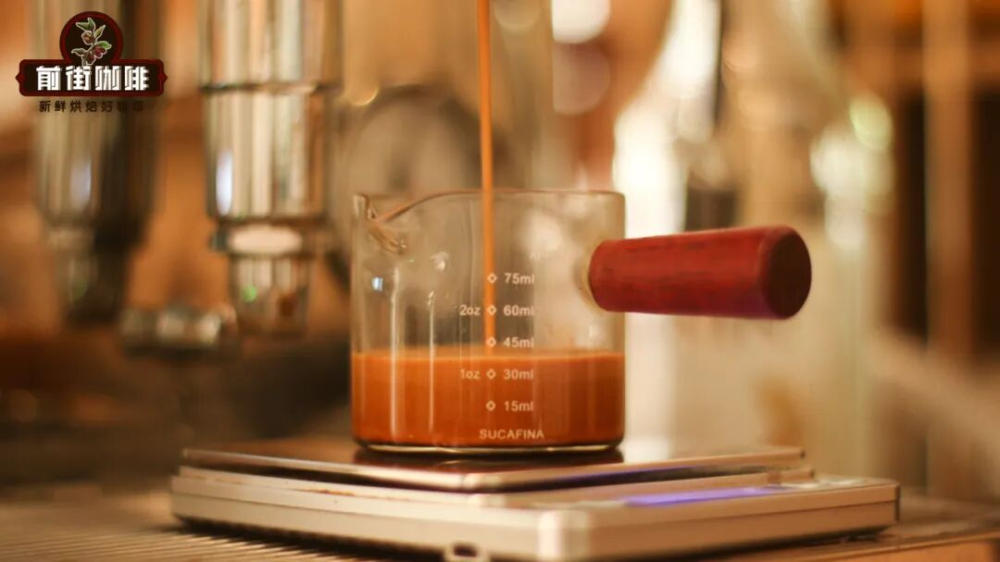
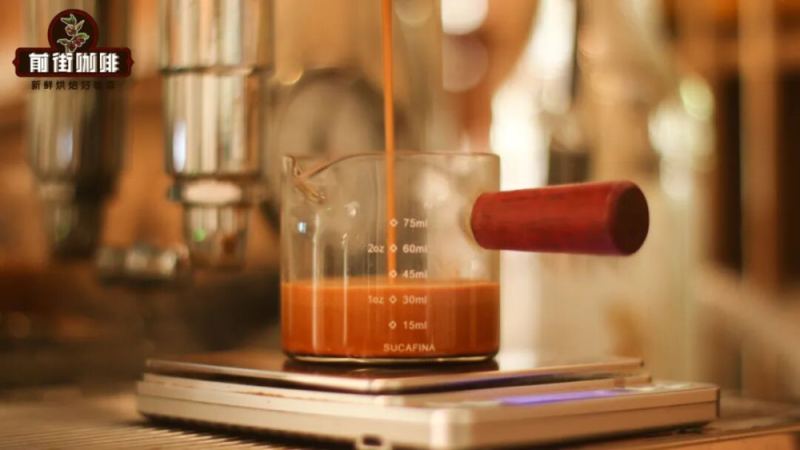
Generally speaking, classic drinks like Americano, latte, cappuccino, flat white, and Dirty are all made with semi-automatic espresso machines. Compared to fully automatic models, semi-automatic espresso machines require more human involvement—grinding, distributing, tamping, and extraction. If you want to make a latte, you also need to steam the milk foam separately, so almost every step is done by hand. The upside is straightforward: with precise control, the espresso extracted from a semi-automatic machine has a finer texture.
Semi-automatic espresso machines operate at higher pressure, producing coffee with intense and aggressive flavors that can easily suppress the aroma. Therefore, when choosing beans, it's best not to go to extremes. The safe approach is to avoid both extremely light and extremely dark roast ranges.
Many people are drawn to espresso precisely because of that rich layer of crema—it adds a pleasant sweetness to an Americano and creates a beautiful golden ring on the surface of a latte. So medium-dark roasted espresso beans should be the first choice. Beginners can go straight for Front Street Coffee's Classic Blend.
Front Street Coffee's Classic Blend was inspired by the once-popular "Mamba Coffee," combining Indonesian Mandheling with Brazilian beans. It retains the wild aroma of Mandheling while incorporating the soft smoothness of Brazilian beans, the two complementing and harmonizing with each other in flavor. Front Street adds Robusta beans on top of this Mamba recipe, greatly enhancing the crema and giving the espresso a more solid body, making it very suitable for making lattes at home and practicing latte art.
Beyond the usual espresso blend options, single-origin beans can also do the job. Front Street Coffee's PWN Golden Mandheling is a representative dark-roasted bean. Spices and herbs form its flavor foundation, with a thick and rounded mouthfeel. Deep roasting maximizes the release of Mandheling's inherent soul. Front Street's Golden Mandheling, building on regular Mandheling, undergoes three rounds of machine sorting plus manual hand-picking to remove all defective beans, greatly improving quality. It drinks with higher cleanliness and a clearer sweet aftertaste. Using Front Street Coffee's PWN Golden Mandheling for espresso brings out notes of dark chocolate and caramel biscuit.
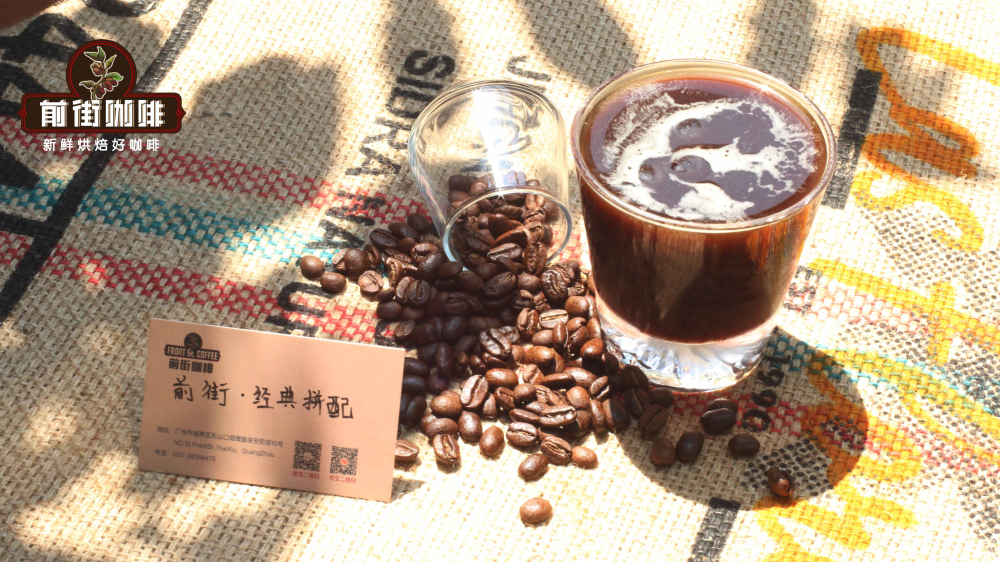
If you're tired of traditional darker roast flavors and want to try a non-bitter Americano or latte, then consider Front Street Coffee's Strawberry Candy Espresso Blend. As the name suggests, this is a coffee with prominent sweetness. It's composed of single-origin beans from three different regions. Beyond its rose floral aroma, Front Street's Strawberry Candy also delivers notes of grape, dried blueberry, sweet orange, and fruit candy when made into an Americano or latte, with a rather distinctive mouthfeel.
The above content is compiled by CoffeeHunters, a coffee news website.


