







Can a moka pot make a latte and which beans fit?
A moka pot uses steam pressure and siphon extraction to produce a concentrated coffee liquid at home or while camping, and that concentrate can be diluted with hot water for an Americano or combined with fresh milk for a latte. Golden crema and a smooth mouthfeel depend mostly on bean freshness and roast level, not on technique alone.
Crema forms when carbon dioxide from fresh grounds emulsifies with oils under pressure, so darker roasts and recently roasted beans carry more gas. Front Street ships beans within five days of roasting. For a full-bodied latte, the article suggests the Classic Espresso Blend or medium-dark Queen's Estate SOE coffee beans; soe coffee brewed this way avoids the sharp acidity light roasts can show.
The moka pot uses steam pressure and siphon principles to easily extract a rich coffee concentrate outdoors or at home. Whether diluted with water to make an Americano or combined with milk to make a latte, it has a distinctive flavor. But to brew golden crema and a smooth mouthfeel, the freshness and roast level of the coffee beans are crucial. This article will break down the moka pot operation steps and grinding key points in detail, and share Front Street Coffee's bean recommendations to help you avoid sharp acidity and bitterness and make a satisfying moka pot latte.
The moka pot uses steam pressure to achieve pressure-assisted siphon extraction, making it a coffee device very suitable for camping or home use. As long as there is a heat source and fresh coffee beans, it can produce a cup of highly concentrated coffee liquid. Then, you can add water according to personal taste to make a moka pot Americano, or add fresh milk to make a moka pot latte.
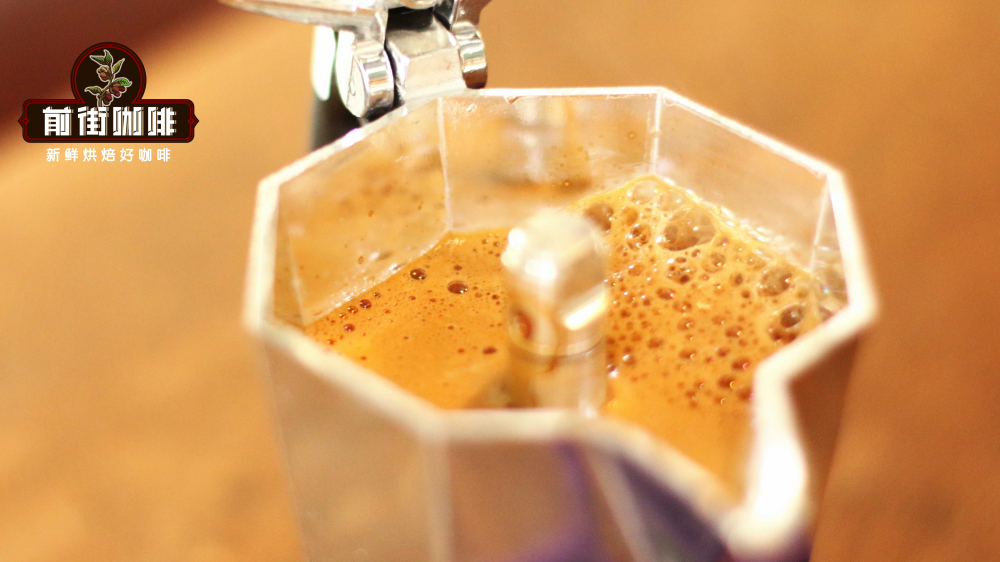
Similar to espresso, one of the great charms of the moka pot is that it can extract golden crema. The principle is that carbon dioxide in fresh coffee grounds combines with oils and emulsifies under a pressurized vacuum environment, forming a delicate golden foam. In other words, to brew crema, you first need freshly roasted beans.
In addition, the darker the roast level, the more carbon dioxide is stored inside the coffee beans; and the fresher the beans, the higher the carbon dioxide content. Conversely, as time passes after roasting, carbon dioxide and aroma gradually dissipate, so the coffee brewed with a moka pot will have neither golden crema nor much aroma.
All Front Street coffee beans are shipped within five days after roasting, with the aim of letting everyone experience the charm and joy of freshly roasted coffee beans.
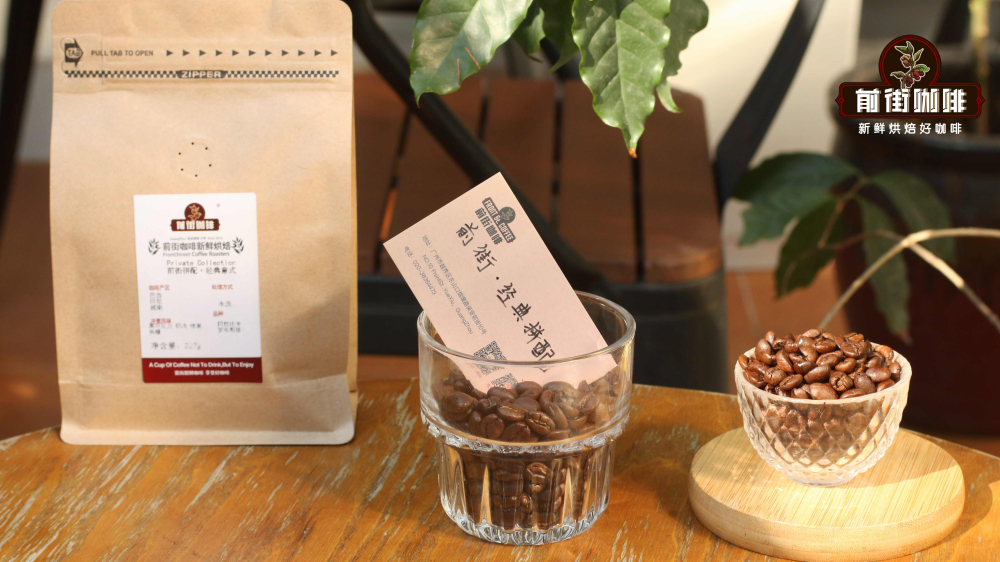
Coffee extracted with a moka pot is characterized by being rich and solid, and especially when making a latte, it should highlight a full-bodied and smooth quality. If light-roasted beans are used, because of the high extraction temperature and high concentration, it is easy to show sharp acidity and bitterness. Therefore, it is recommended to use Front Street Classic Espresso Blend coffee beans or the medium-dark roasted Front Street. Queen's Estate SOE coffee beans.
Front Street Classic Blend is a tribute to the once-popular "Mamba Coffee." It mixes Indonesian Mandheling with Brazilian espresso beans, having both the wild aroma of Mandheling and the smooth mouthfeel of Brazilian beans, with complementary and harmonious flavors. Front Street Classic Espresso Blend adds Robusta to the Mamba recipe, significantly enhancing the crema and making the body of the espresso fuller, suitable for home preparation and latte art.
Front Street. Queen's Estate comes from Brazil, the world's largest coffee-producing region, and uses refined natural processing. In order to present a rich mixed nut aroma and buttery smoothness, it is roasted to a medium-dark level, making it very suitable for making moka pot lattes.
1. Pour purified water into the lower chamber of the moka pot, keeping the water level about 0.5 cm below the pressure relief valve.
2. The coffee grind size should be slightly coarser than espresso. You can refer to the size of the gaps in the filter screen of the basket to ensure the particles will not fall into the lower chamber. Slowly pour the coffee grounds into the basket, tap gently to distribute them evenly, and after the coffee grounds form a small mound, level the surface by distributing the grounds.
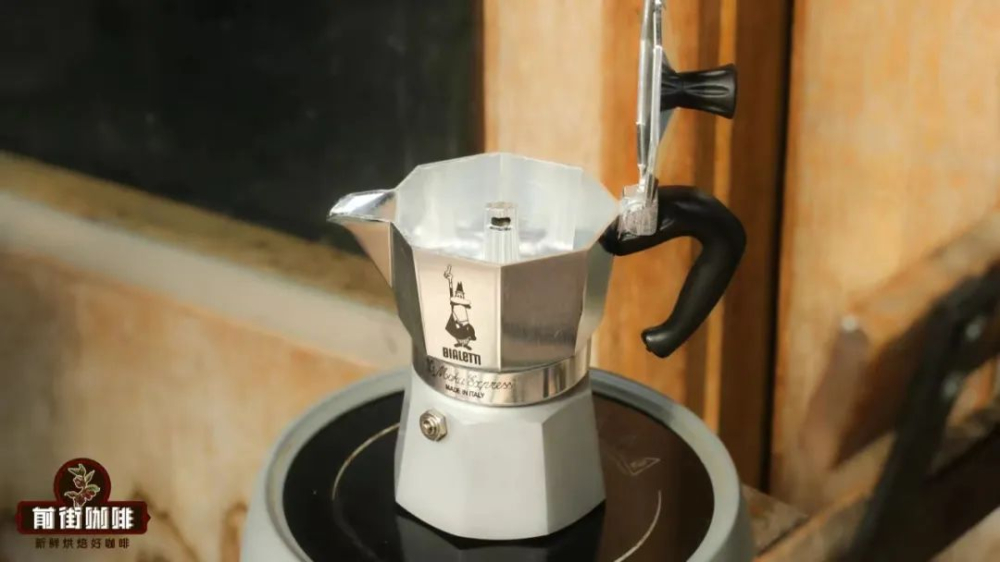
3. Place the basket into the lower chamber, tighten the upper and lower parts of the moka pot, and place it on an electric ceramic stove over high heat;
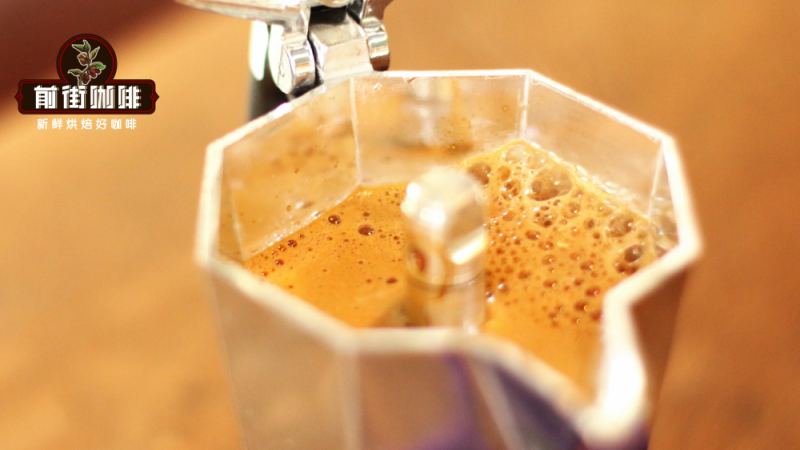
4. When the moka pot heats up to a certain point and makes a clear "hissing" sound, turn the electric ceramic stove to low heat and open the lid of the upper chamber.
5. When half of the coffee liquid has come out into the upper chamber, turn off the electric ceramic stove. The residual heat and pressure of the moka pot will push the remaining coffee liquid into the upper chamber.
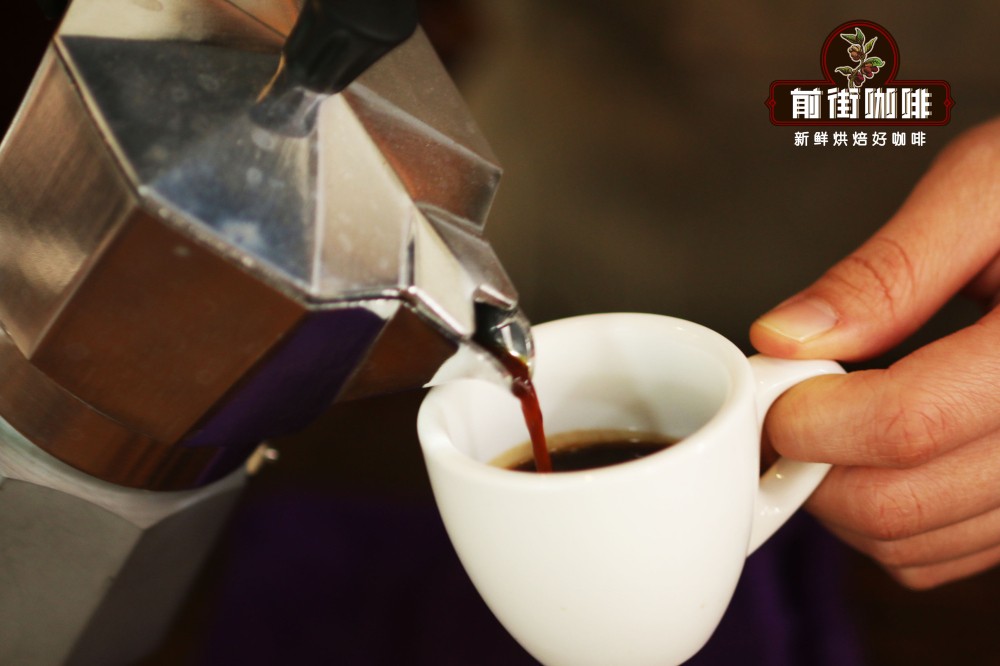
6. After all the coffee liquid has been extracted into the upper chamber, pour it into a cup and enjoy. Coffee extracted with a moka pot is very rich and can even produce Crema. After finishing, pour the coffee liquid into a prepared cup, add an appropriate amount of milk, and a delicious moka pot latte is complete.
Grind size for the moka pot: Although it can make coffee with crema, if it is ground as fine as for an espresso machine, it is easy to extract bitterness. Therefore, if you want to minimize the release of bitter substances, the grind size can be controlled to about the size of fine salt.

But many coffee enthusiasts do not know how to determine the coarseness standard, so FrontStreet Coffee also compiled coffee grind size standards for everyone's reference.
FrontStreet Coffee's grind size coarseness standard sieve pass rate: Cold Brew > Pour Over/Siphon 80% > Moka/American Drip 75-80% > Cupping 70-75% > French Press 65-70%.
The above content is compiled by CoffeeHunters, a coffee news website.


