







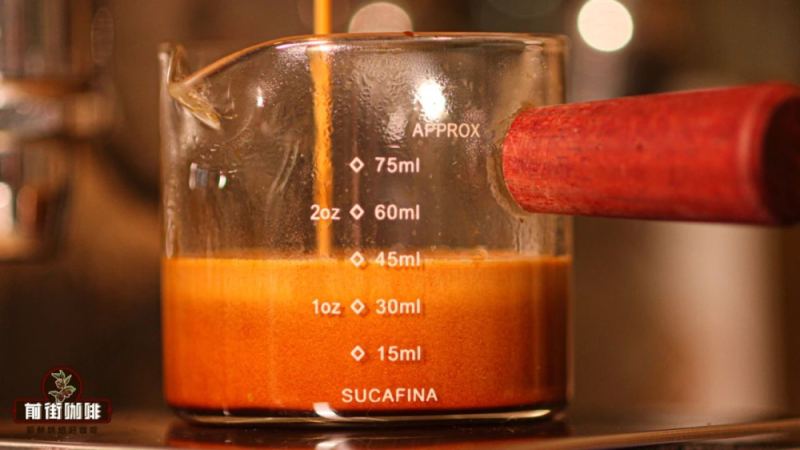
Do Arabica Beans and Dark Roasts Really Give Richer Crema?
Crema richness depends mainly on how much carbon dioxide remains in the beans during extraction, not on roast alone. Darker roasts expand more and hold more gas, so the crema looks fuller and lasts longer. Arabica beans can produce crema, but under the same roast level they generate less than robusta, which is why blends often add a small share of robusta.
Roast depth raises the oils that reach the bean surface, and those oils help the crema structure stay stable. Freshly roasted beans hold plenty of gas, yet that does not guarantee the flavor is at its peak; a short rest often helps. Front Street Coffee applies this in its blend beans and fresh-roasting practice, judging an arabica bean by cup quality rather than crema thickness alone.
Is the golden, dense layer of crema on the surface of espresso the exclusive domain of dark-roasted beans, or can Arabica beans also possess this characteristic? Many coffee lovers are often troubled by the thickness of crema when selecting espresso beans. This article will break down the core factors affecting the richness of coffee crema from four dimensions: carbon dioxide content, roast level, bean variety genetics, and freshness. It will also explain why freshly roasted beans may not necessarily produce the ideal flavor, and share Front Street Coffee's practical experience with blend beans and fresh roasting, helping you understand the relationship between crema and flavor more scientifically.
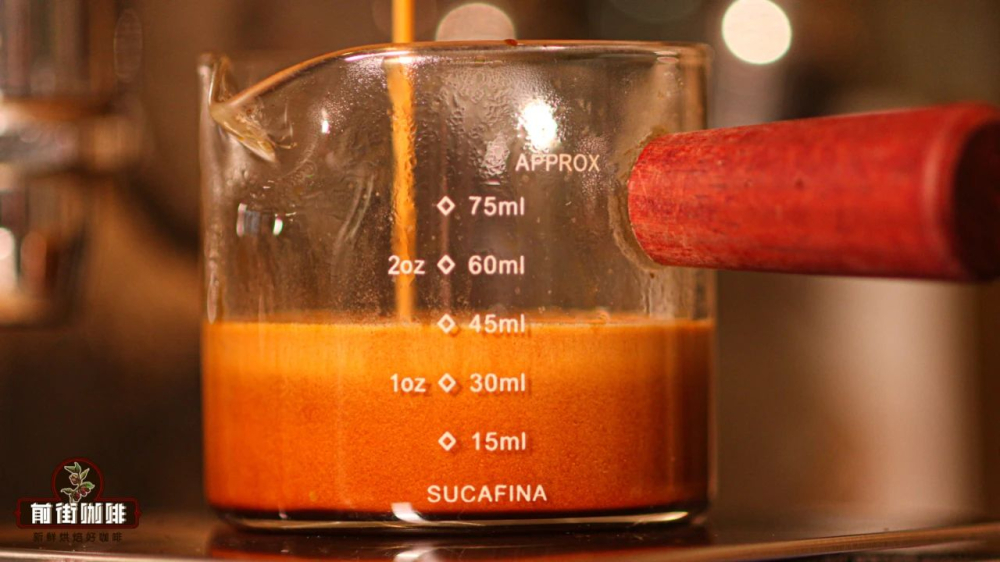
Whether the crema on the surface of espresso is rich or not, the core variable is actually how much carbon dioxide remains in the beans during extraction. The more gas accumulated inside the coffee beans, the more full-bodied the crema layer can be under proper extraction conditions. Therefore, the thickness of crema itself cannot directly determine the flavor direction. In other words, as long as you choose coffee beans with abundant carbon dioxide content to make espresso, rich crema will naturally follow.
The number one factor influencing carbon dioxide content is precisely the roast depth of the coffee beans. The darker the roast, the higher the expansion rate of the bean body, and the more carbon dioxide produced during roasting it can accommodate. This can be intuitively felt during the blooming stage of pour-over — the swelling of dark-roasted beans is noticeably greater than that of light-roasted beans.
In addition, as the roast level deepens, the oils seeping from the bean surface also increase accordingly, making the extracted espresso crema structure more stable and enduring. Therefore, the darker the roast level of the coffee beans used, the richer the crema performance.
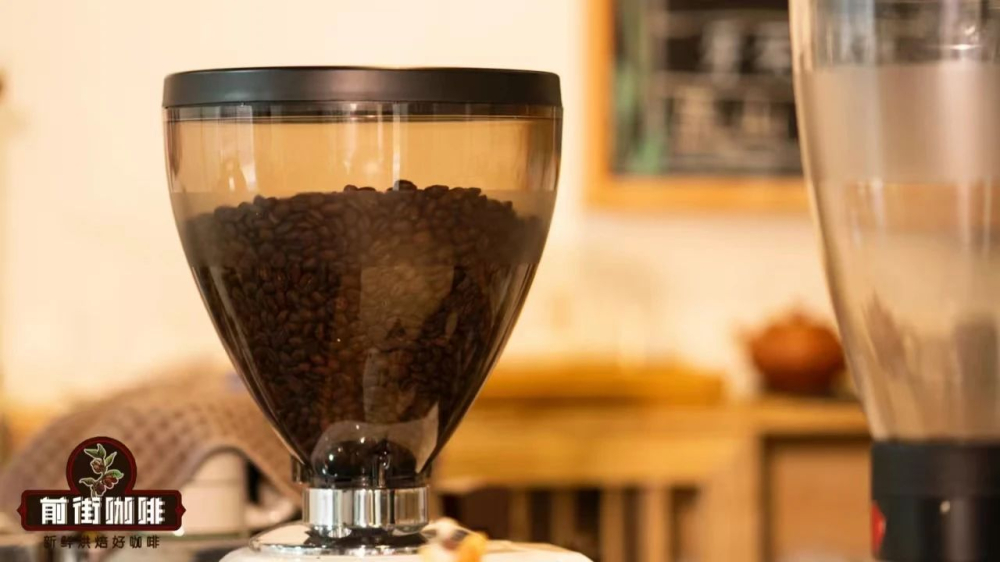
On this basis, if you want to further enhance the richness of crema, you can also introduce Robusta beans into the blend. This is because the richness of crema depends not only on carbon dioxide content but also on bean variety genetics. Under the same roasting conditions, Robusta produces far more crema than Arabica, but its flavor profile tends toward heaviness with a stronger mouthfeel impact, so it is usually used only in small amounts in blends.
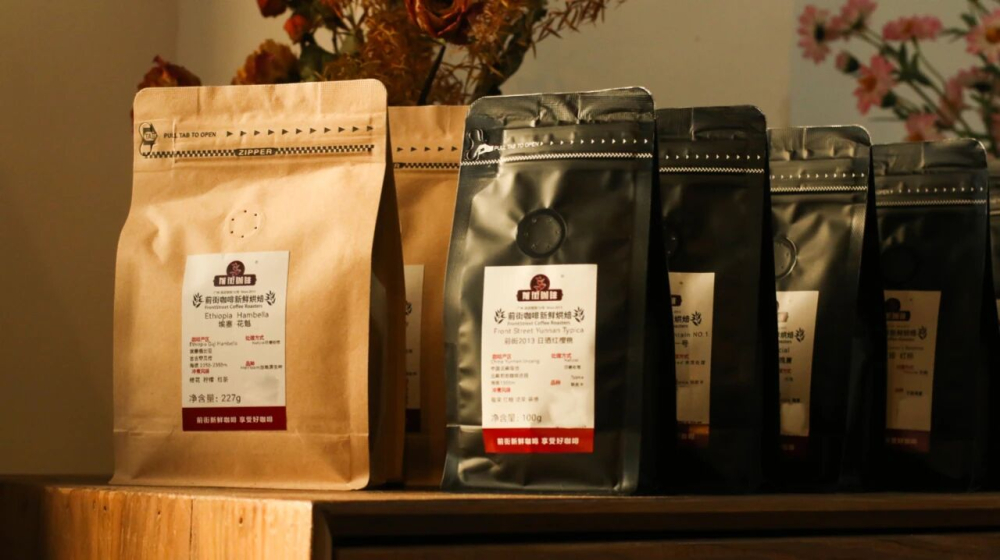
Front Street Classic Blend is an espresso recipe that combines Indonesian Mandheling beans, Brazilian beans, and Robusta. It carries the wild aroma of Mandheling while also possessing the smooth taste of Brazilian beans, creating a complementary and harmonious flavor. Thanks to the addition of Robusta, the crema is fully enhanced, and the body of the espresso is more substantial, making it very suitable for home brewing, commercial production, and latte art practice.
If you value cost-effectiveness more and prefer espresso with a balanced taste, you can choose the espresso bean recommended by many baristas — Front Street Black Cocoa Blend. This bean is composed of Brazilian beans from Central and South America combined with Yunnan small-variety beans from China. It stands out for its cost-effectiveness, producing aromas of toasted bread, nuts, and caramel when making espresso, accompanied by a subtle fruity acidity that balances the overall character. It not only extracts stably but also serves well as a daily staple coffee.
Finally, there is a crucial point: the freshness of the beans also affects the richness of crema. This is because from the moment roasting is completed, carbon dioxide and oils continuously escape from the bean surface. The closer the coffee beans are to their roast date, the more carbon dioxide they retain internally, naturally yielding richer crema; the opposite is also true.
For this reason, to balance both coffee aroma and crema performance, Front Street has always advocated using freshly roasted coffee beans. All Front Street coffee beans are roasted within 5 days and support 24-hour shipping, ensuring that you receive them at their most complete peak flavor period, allowing you to slowly appreciate the changes in coffee aroma.
However, this does not mean that the fresher the espresso beans, the better. In the first few days after roasting, the abundant carbon dioxide inside the beans is forced into the oils, forming a very thick Crema. But this Crema has a rough, unstable texture, breaks down and dissipates quickly, and the coffee flavor tends to be weak. Some friends who just bought espresso beans asked Front Street why the coffee flavor was different from before. Front Street suggested they rest the beans for 5 days before trying. After 5 days, they reported back that it tasted like the original flavor again.
The above content is compiled by CoffeeHunters, a coffee news website.


