







How Do You Brew Geisha Coffee From Hacienda La Esmeralda?
Hacienda La Esmeralda Green Label Geisha is brewed as a pour-over with a V60 dripper, 91-92°C water, 15g of coffee, and a 1:16 coffee-to-water ratio. The light roast keeps the floral aroma and fruity acidity intact, and a three-stage pour at a fine granulated sugar grind size brings out layers of lemon, berries, pomelo, and Tieguanyin tea.
The estate, which won the 2004 reliable of Panama competition with Geisha, grades its lots by growing area: Cañas Verdes, Jaramillo, and El Velo. Green Label comes from the Jaramillo and Cañas Verdes plots, washed and light roasted. Geisha is not the world's most commonly cultivated coffee species; that distinction belongs to widely planted varieties such as Typica and Bourbon.
Hacienda La Esmeralda Green Label Geisha is a classic representative of the fresh fruity acidity in specialty coffee. Harvested from the two high-altitude plots of Jaramillo and Cañas Verdes, and processed with the washed method, it presents layers of lemon, berries, pomelo, and Tieguanyin tea. Front Street Coffee uses a light roast to preserve the floral aroma and acidity, and has provided a complete pour-over recipe for the Green Label Geisha: V60 dripper, 91-92°C water temperature, 15g coffee, 1:16 coffee-to-water ratio, fine granulated sugar grind size, with a three-stage pour. This article will outline the background of Hacienda La Esmeralda's Geisha grading and break down the extraction parameters and operational details of the Green Label Geisha step by step, helping coffee enthusiasts recreate this cup of fragrant, rich orange-blossom honey charm at home.
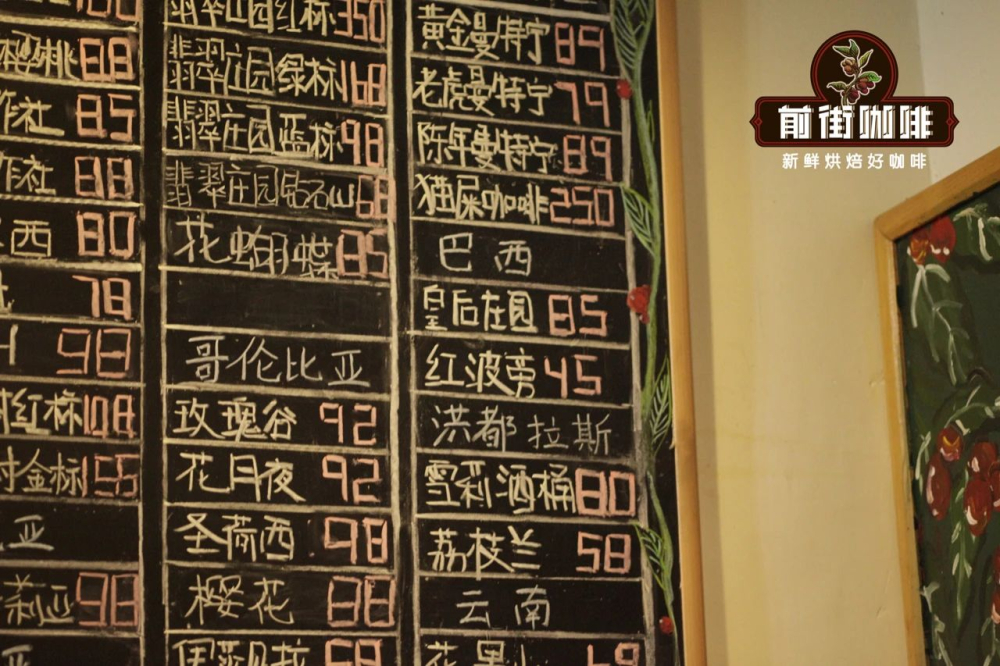
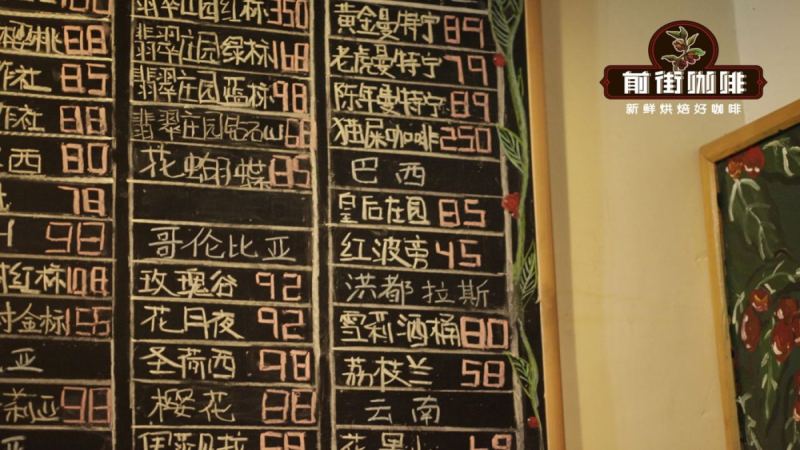
Many guests who walk into Front Street's Dongshankou store wanting to taste a pour-over coffee with rich floral layers—Front Street Coffee's baristas usually first recommend Panama Geisha, that orange-blossom honey charm is especially captivating. Flipping through Front Street's bean list, there are quite a few options for Geisha alone. Among them, in the Panama region, Hacienda La Esmeralda's Red Label and Green Label Geisha are regarded as the most classic representatives of Geisha flavor. If you prefer a crisp, uplifting fruity acidity, Hacienda La Esmeralda Green Label Geisha would be a very suitable choice.
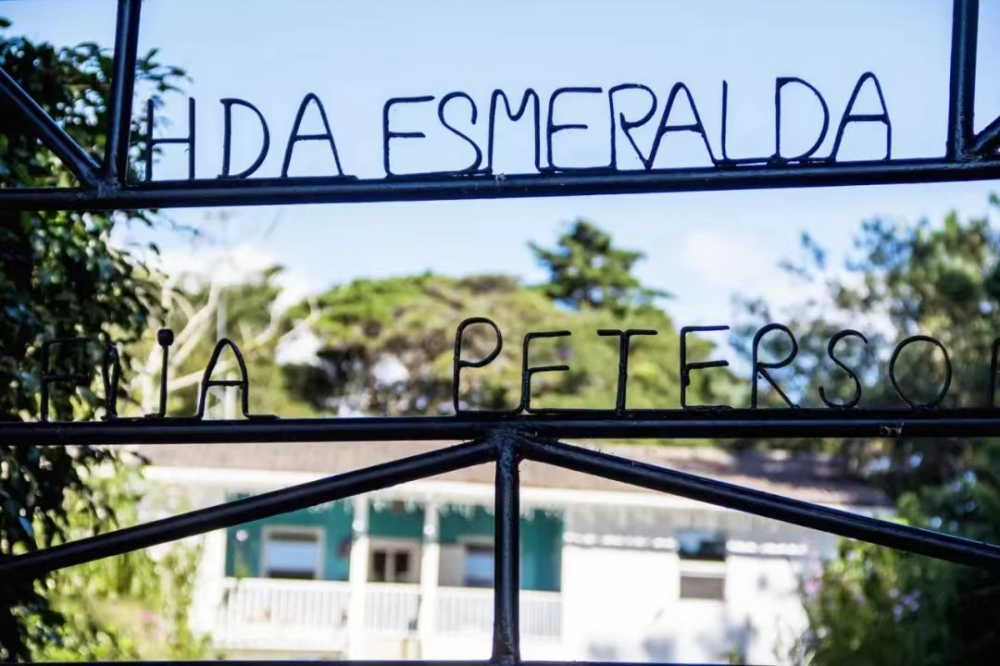
Hacienda La Esmeralda's status in the specialty coffee field is almost universally known. In 2004, it won the Best of Panama coffee competition that year with Geisha, and thereafter repeatedly broke auction price records, becoming the focus of the coffee world ever since. Hacienda La Esmeralda not only brought Geisha into the public eye, but was also the first estate to implement strict grading for Geisha. Every year, the Geisha lots it produces attract industry attention. After Geisha won the championship, the estate owners, the Peterson siblings, carried out more systematic management of the Geisha coffee trees on the estate based on altitude, region, and cup performance.

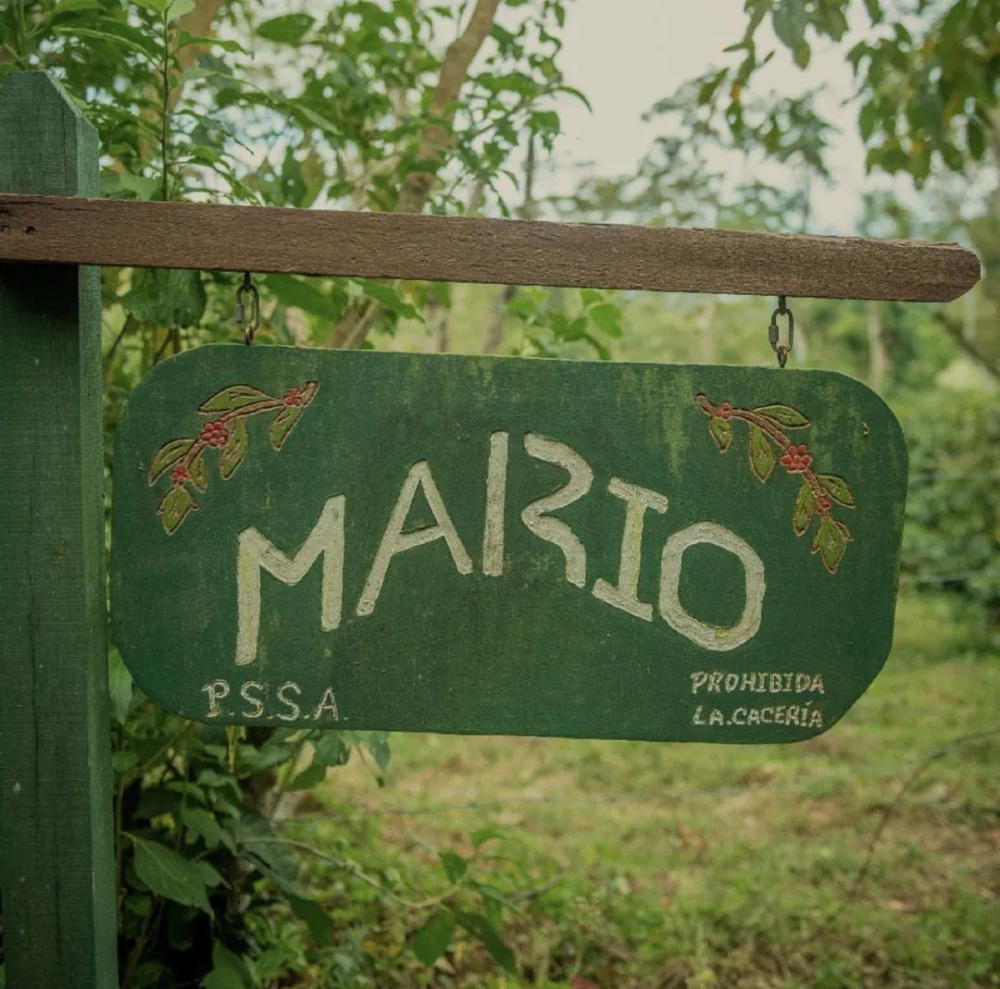
In terms of major divisions, Geisha's growing areas are divided into three parts: Cañas Verdes, Jaramillo, and El Velo. To ensure every lot can be traced to its source, Peterson further subdivided each major area into several smaller plots. Buyers purchasing Geisha can trace the specific growing plot through the lot. The Geisha variety was originally discovered in Jaramillo, and the Daniels siblings' attempt to raise Geisha's growing altitude also started here; as the place where Geisha was discovered and cultivated, Jaramillo naturally became Hacienda La Esmeralda's most famous plot. Jaramillo's average altitude exceeds 1650 meters. The cool, humid air on the high mountain fills the Geisha here with natural essence and a striking aroma. Currently, Jaramillo is divided into five small plots: Mario, Noria, Reina, Bosque, and Buenos Aires. Among them, Mario and Bosque perform especially well in various competitions.
Hacienda La Esmeralda's green bean processing plant is located in Cañas Verdes, at the foot of Barú Volcano, about a twenty-minute drive from the town of Boquete. Whenever the coffee cherries ripen, the estate owners require workers to strictly follow standards and pick fresh fruit only at optimal ripeness, with fully manual picking and selection, and send them to the factory as quickly as possible for the next stage of sorting. The Hacienda La Esmeralda Geisha commonly found on the market is divided into three brands: Red Label, Green Label, and Blue Label. This is the grading the Peterson family established according to the cup flavor of specific plots. Green Label is Private Collection.
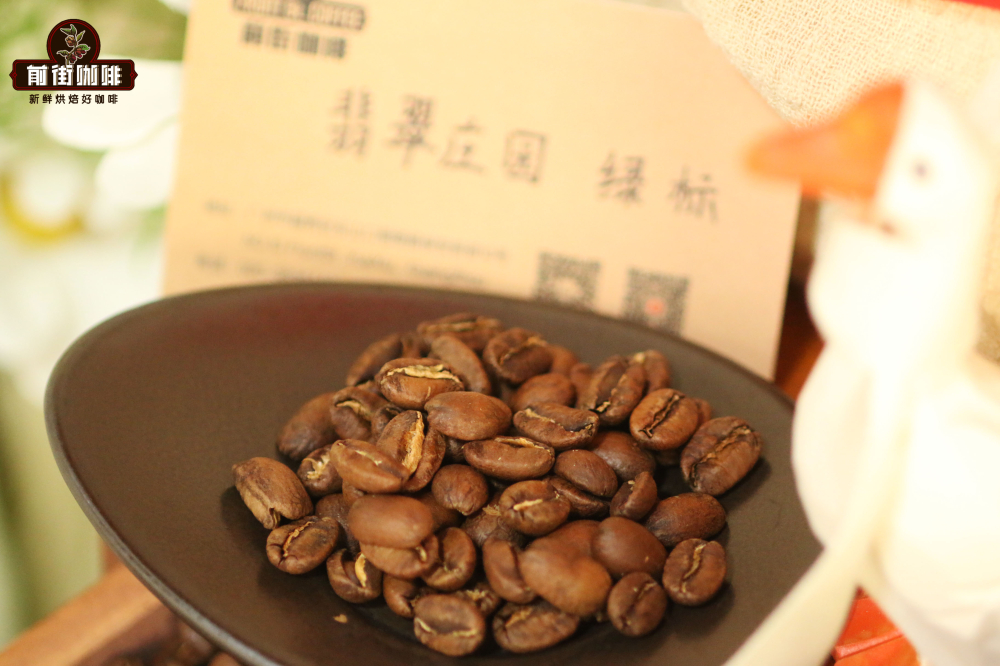
Green Label Geisha is selected from growing areas at 1600-1800 meters, harvested from the two plots of Jaramillo and Cañas Verdes, but Hacienda La Esmeralda does not specifically label plot information, so it also does not participate in bidding. Although its grade is below Red Label, Green Label mainly showcases the signature classic flavor of high-altitude Geisha. The Green Label Geisha obtained by Front Street uses washed processing, with a cup profile of fresher, more natural lemon, berries, pomelo, and Tieguanyin tea flavors.
Washed processing can be said to be a classic representative among coffee processing methods. At Hacienda La Esmeralda, after the coffee fruit is harvested, it is placed into water tanks and transported by pumping. During the process of water transport, fruits with insufficient density float up, which is "floatation." Only coffee fruits that pass floatation and meet density standards enter the step of removing skin and pulp, then ferment in fermentation tanks to remove the mucilage layer, and finally the coffee beans are dried to a moisture content of about 11%. The washed processing method can make coffee's acidity higher and more uplifting, with better cleanliness.
Front Street believes that to present the classic "Geisha flavor," it is necessary to preserve more floral aroma and acidity. Therefore, Front Street's Geisha coffee beans all use a light roast, with roasting curves adjusted accordingly for different processing methods and flavor differences. This roast level does not overly change the high hardness of high-altitude beans, so during brewing it is necessary to increase the extraction yield somewhat in order to show a fuller flavor layering. Here, a higher water temperature and a finer grind size are used to stimulate more aromatic substances; in addition, Front Street wants Geisha's flavor expression to be clearer, so it slightly widens the coffee-to-water ratio, using 1:16.
In order to improve the extraction yield of Geisha coffee while avoiding over-extraction and highlighting the sweet-and-sour layers, Front Street Coffee's baristas use a V60 dripper. The V60 body has guide ribs connecting the top and bottom as well as a large central hole, which can speed up the flow of water downward; while the spiral-shaped vent groove design lengthens the water flow path, increasing the contact time between coffee grounds and hot water. Each stream of water converges along the grooves toward the center of the dripper, concentrating the pressure on the coffee grounds and extracting coffee with richer layering.
Pour-over recommendations for Hacienda La Esmeralda Green Label Geisha coffee:
Dripper: V60
Water temperature: 91-92°C
Dose: 15g
Coffee-to-water ratio: 1:16
Grind size: fine granulated sugar size (sieve to 80% with a No. 20 sieve)
Three-stage extraction: First pour 15 grams of coffee grounds into the dripper and tare the scale. For the first stage, pour 30g of water to bloom for 30 seconds, and start timing at the same time. Throughout, pour with a small stream at the center point and begin circling outward, taking care to wet the entire coffee bed.
For the second stage, begin pouring with a slightly larger stream, adding 120g of water. The purpose is to lift the entire coffee bed. The water stream should be poured vertically and evenly. At this point the timer scale shows 150g, and the pour is completed in about 55 seconds.
When the liquid level drops to the halfway point, begin using a small stream to pour the third stage of 90 grams in small circles, trying to control the stream so it does not circle too widely, as it is easy to break up the coffee bed and cause under-extraction. The final total poured water is 240 grams, and the drip completion time is about 2 minutes 10 seconds. After removing the dripper, swirl the coffee liquid in the server to mix it evenly and it is ready to taste.
The above content is compiled by CoffeeHunters, a coffee news website.


