







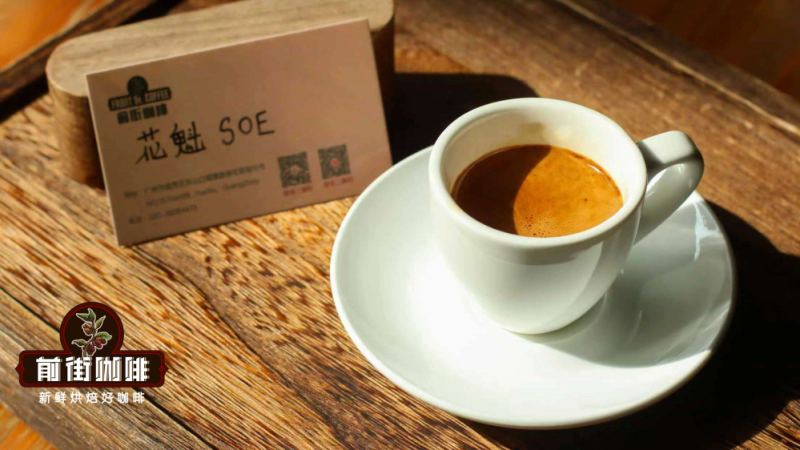
What Does SOE Coffee Mean for Cafes and Home Brewers?
SOE stands for Single Origin Espresso, meaning espresso pulled from beans of one origin rather than a blend. It is not automatically specialty coffee, and it does not automatically taste better than a blend shot. When the beans carry clear flavors, such as the citrus of Yirgacheffe or the fruit of Kenyan lots, pressure extraction makes those notes vivid and easy to notice.
The same single-origin structure also magnifies weak points. Roast level and grind size shift the final cup directly, so a blend often stays more consistent. SOE gained attention as specialty coffee culture spread and chain brands added SOE lines. For a fruity option, look for a natural Yirgacheffe lot with red cherry notes and a caramel finish.
When ordering at a café, have you ever been asked by a barista if you'd like to try an SOE? SOE stands for Single Origin Espresso, meaning espresso extracted from single-origin coffee beans. Many people believe it's superior to blends, but is that really true? This article will walk you through the background of SOE's popularity, its flavor expression, and potential shortcomings, along with bean selection advice for making SOE. We'll also recommend a Yirgacheffe Natural Red Cherry SOE coffee bean from Front Street Coffee, featuring intense berry and orange sweetness with a caramel-like finish — perfect for those who love fruity profiles. Whether you're new to SOE or a coffee enthusiast looking for new flavors, you'll find practical guidance here.
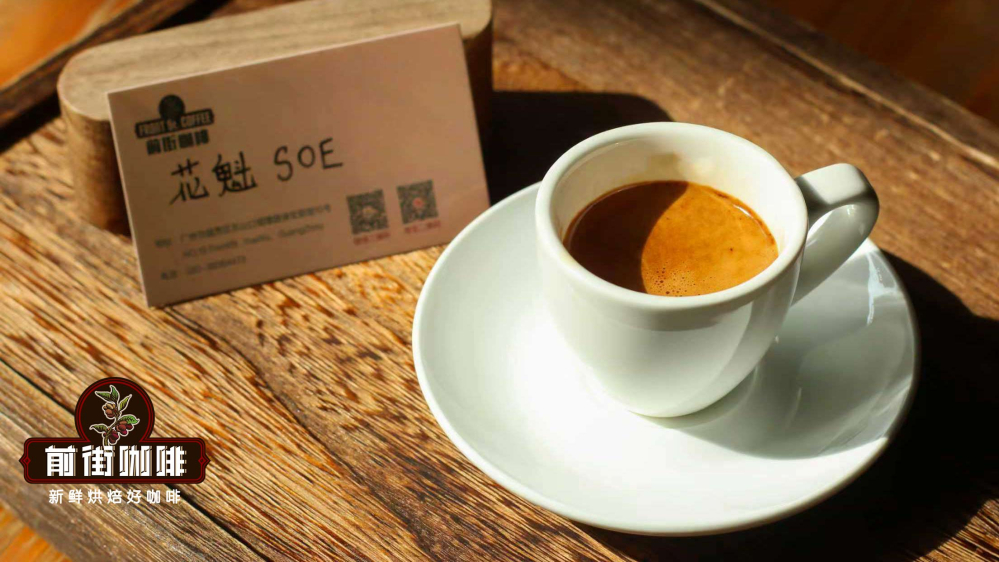
When you walk into a café to order, have you ever had a barista ask: "Would you like to try our SOE?" SOE stands for Single Origin Espresso, meaning espresso made from single-origin coffee beans. Many people think it tastes better than espresso made from blend coffee, but is that always true?
The Rise of the Single Origin Trend
SOE refers to espresso extracted from single-origin (single varietal) coffee beans. It doesn't necessarily qualify as specialty coffee, nor is it guaranteed to taste better than a blend espresso. However, if you choose single-origin beans with easily recognizable flavors to make SOE, you can achieve a highly distinctive espresso.
For example, Yirgacheffe coffee beans have a typical citrus character, while Kenyan beans often carry fruity notes. Espresso extraction amplifies coffee's flavors, so these characteristics that may be relatively subtle in pour-over become all the more vivid and prominent as SOE.
However, while SOE may perform brilliantly, because the raw material comes from a single origin, its weaknesses are equally easy to amplify. Factors like roast level and grind size directly affect the final flavor, so SOE isn't necessarily better than blend espresso. The reason SOE has become popular is largely due to the growing influence of specialty coffee culture — more and more consumers want to taste the distinctive flavors of specific regions in their coffee. On top of that, many chain coffee brands have launched SOE product lines, giving the general public opportunities to encounter and learn about SOE coffee.
SOE Coffee Bean Recommendations
Espresso made from SOE beans doesn't have to be enjoyed on its own. It's the base for all espresso drinks — you can use it for Americanos, milk coffee, various specialty drinks, and even creative coffee concoctions. If you choose beans roasted too light to make SOE, it may be stunning on its own, but once you add milk, water, or other ingredients, the flavor becomes very thin.
Therefore, it's recommended to prioritize beans with a medium roast or darker, or those with distinct flavor characteristics, when making SOE. When purchasing, you can try Front Street Coffee's Yirgacheffe Natural Red Cherry SOE coffee beans.
These beans carry intense fruity flavors, with a medium roast and a natural processing method. During processing, ripe coffee cherries are sorted, sun-dried to 12% moisture content, then pulped and demucilaged. Once made into SOE, it presents berry and orange sweetness with a caramel-like finish — recommended for friends who enjoy fruity profiles.
The above content is compiled by CoffeeHunters, a coffee news website.


