







What does SOE coffee mean for home brewers?
SOE stands for Single Origin Espresso, meaning espresso pulled from beans of one single origin, whether that origin is a country, region, cooperative, or farm. It sits under the broader specialty coffee and single origin categories, and cafes have only recently begun using single origin beans for espresso rather than pour-over.
The soe coffee meaning matters because single origin beans vary far more than blends, so cafes often hesitate to commit a whole grinder to them. For home brewing, choose beans that can handle fine grind and high pressure, then dial in dose and yield. Lighter roasts tend to read more acidic and thin, while medium and darker roasts hold up better in milk drinks.
In recent years, a lot of new terms have popped up in the coffee world—single origin, SOE, specialty blends... and they often leave newcomers confused. This article starts with the concepts, first clarifying the differences between specialty coffee, single origin coffee, SOE, and blends, then discussing what makes SOE special, why cafes don't readily use it for espresso-based drinks, and how to choose beans for making SOE at home. It also features several Front Street beans with specific extraction parameters and flavor descriptions to help you truly understand single origin espresso.
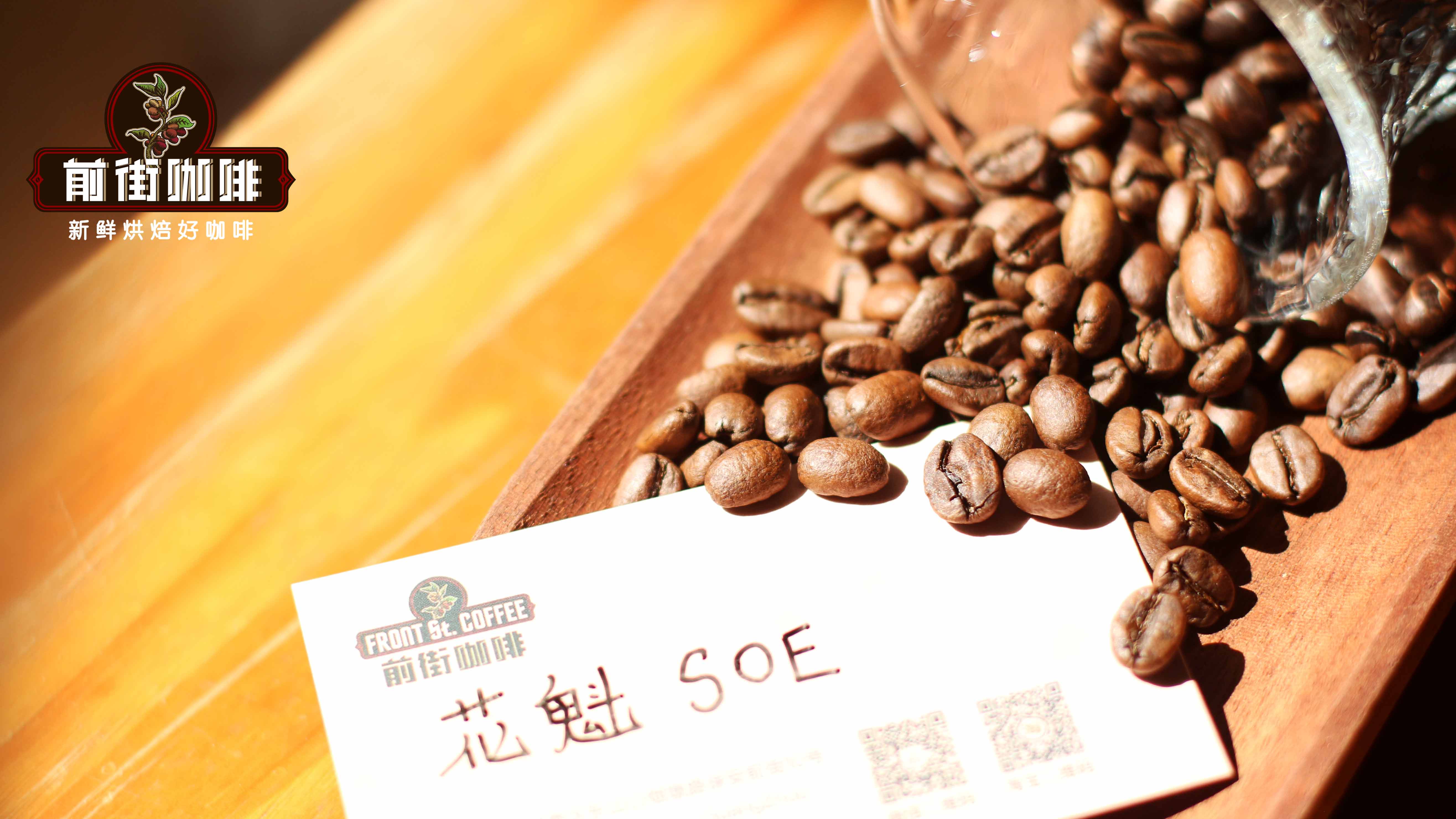
Coffee has been heating up across China, and all kinds of new terms have come along with it—single origin coffee, SOE, specialty blends... Many newcomers easily get tangled up. Front Street is here to sort out these concepts.
First, let's distinguish specialty coffee, single origin coffee, SOE, and blends
The term "Specialty Coffee" was first proposed in 1978 by Erna Knustsen, the "godmother of specialty coffee," at an international coffee conference in France. Her definition at the time was: coffee beans cultivated under a region's unique microclimate and geographic conditions, carrying the flavors of that region. These coffees are produced in small quantities and must pass strict checks from growing, management, selection, to grading; after roasting, they can display positive and rich aromas. Roasters typically use a lighter roast profile to release as much of the flavor layers of specialty beans as possible. To show that their products are higher quality and stand apart from commercial coffee on the market, many merchants put the word "specialty" on packaging and advertising.
"Single Origin Coffee" refers to coffee from a single origin. Here, "origin" can be a country, a region, a cooperative, or an estate or farm—as long as it's from the same harvest batch, it counts as single origin coffee. Single origin coffee was proposed on the foundation of the specialty coffee concept to highlight origin flavors, so it is a branch of specialty coffee. Pour-over offerings in cafes mostly use single origin beans, and as the single origin concept has grown more popular in recent years, more and more single origin beans are being used for espresso extraction.
SOE and blends both fall under the category of espresso coffee. SOE stands for "Single Origin Espresso," which is espresso made from single origin coffee. The counterpart is espresso blend, which combines flavors from more than two origins and typically uses a medium-dark roast to present a balanced taste. SOE, on the other hand, needs to highlight the characteristics of the origin itself, so the roast tends to be lighter. For example, the Ethiopia Natural Yirgacheffe Red Cherry coffee beans on Front Street's menu present berry and citrus sweet-tart notes when extracted as SOE.
What are the characteristics of SOE?
Friends who have had coffee at Front Street's Dongshankou store should have seen Front Street's small blackboard menu, with nearly fifty single origin coffees distributed across multiple origins, all served as pour-over at Front Street; for espresso, Front Street only uses one house-roasted "Sunflower Warm Sun Blend." So some friends ask: why aren't these single origin beans made into SOE?
Those who drink espresso often should know that espresso uses steam pressure to push hot water through a bed of coffee grounds, extracting the essence within tens of seconds, so the flavors are amplified many times over. If you take pour-over single origin beans—whether light or dark roasted—and use them for espresso, with a finer grind, the coffee's flavors become highly concentrated and compacted, easily producing negative notes like bitterness, sourness, and astringency. Therefore, pour-over beans and espresso beans usually differ in roast level.
Front Street believes that the original intent of SOE is to highlight origin characteristics. Even if you choose high-quality green beans from a region, if roasting and extraction aren't done well, emphasizing single origin becomes meaningless. To present SOE's unique style, roasting, grinding, and extraction all need to find matching parameters to bring out the bean's strengths—this is a considerable test of the roaster's and barista's skill and understanding of the bean. In addition, espresso extraction adjustments must account for a series of subtle variables such as ambient humidity, extraction time, grind size, dose, and brew ratio, making stable output even harder. This is also why Front Street doesn't choose SOE for its offerings.
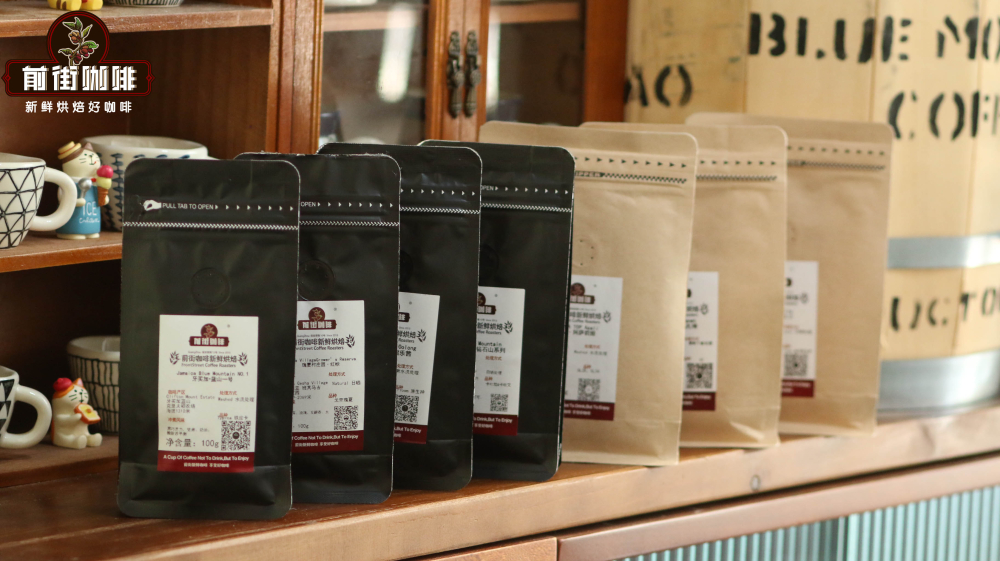
How to choose SOE coffee beans?
If you're making espresso at home, Front Street recommends choosing medium-roasted single origin beans, which avoids the intense stimulation from the roast. Below, Front Street recommends several single origin coffees suitable for espresso, each with a different flavor type.
1. Floral and fruity type recommendation—Front Street. Sidra
This Front Street Sidra SOE comes from Colombia's famous Huila region, produced by Finca La Divisa. This area is close to a volcanic zone, giving the coffee a rich aroma. Ripe coffee cherries undergo double anaerobic natural processing and a medium roast, allowing the floral and fruity notes to fully express themselves. As espresso, it has obvious blueberry juice, passion fruit, and ripe grape flavors, along with an apricot-like sweet-tartness;
2. Fermented wine-aroma type recommendation—Front Street. Blackberry
If you want to extract SOE flavors more vividly, you can choose beans with ripe fruit notes, making it easier to taste that sweet fermented quality similar to fruit wine. During the depulping stage of honey processing, farmers can freely adjust how much mucilage is retained according to the desired fermentation level. Mucilage is rich in sugar; the more retained, the darker the beans after drying. Black honey has the highest mucilage retention among the four honey processing types, removing almost no mucilage, and also takes the longest to dry.
3. Rich and full-bodied type recommendation—Front Street. Queen's Estate
Some friends may feel that the SOE made from the above two types isn't "coffee-flavored" enough, so rich and intense beans should suit their taste. Front Street's Brazil Queen's Estate coffee beans are a very representative example.
The right way to drink SOE coffee
As long as you have a grinder and a pressurized espresso machine at home, and dial in the parameters, you can extract a delicious SOE. Drinking it straight lets you feel the coffee's rich aroma; you can also add water to dilute it for a refreshing taste, or add milk to highlight the sweet, silky quality of milk coffee. Here, taking Front Street's Costa Rica Musician Series Mozart coffee beans as an example, let's briefly talk about Front Street's SOE parameters.
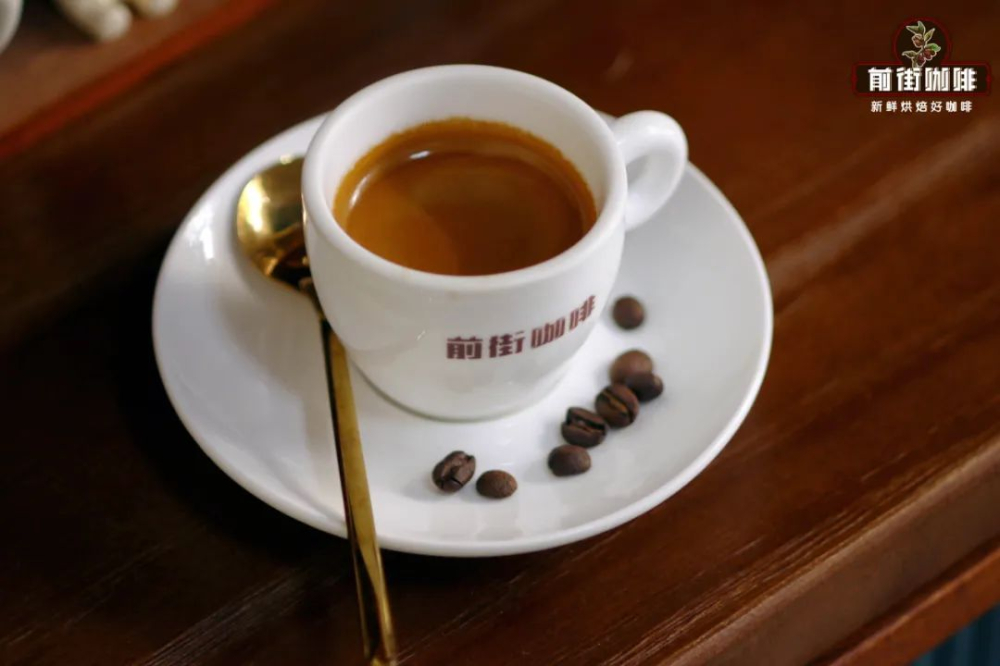
The portafilter that comes with Front Street's store espresso machine uses a 20g double basket, so the dose is 20g. At a 1:2 brew ratio, extract 40g of coffee liquid, with extraction time controlled at 29–30 seconds.
The SOE smells of dried fruit and floral notes; on the palate, there's the fermented sweetness of raisins and tropical fruit, with medium and soft berry acidity, and a long-lasting finish.
The above content is compiled by CoffeeHunters, a coffee news website.


