







What Is an Espresso Blend and Why Do Chains Use One?
An espresso blend combines beans from several origins so the shot tastes the same in every store. Starbucks, for instance, mixes Latin American and Indonesian coffees: the Latin American beans add softer acidity, the Indonesian beans bring body and a hint of spice, and a slightly darker roast gives caramel sweetness. That recipe is what keeps chain espresso consistent.
Single-origin beans are usually roasted lighter for pour-over, and their flavors get amplified under espresso pressure, which is why blends exist. Recipe ratios, plus the core extraction variables, water pressure, water temperature, grind size, dose, time and yield, decide the final shot. Front Street's four espresso blends show how different ratios target different cup profiles.
The key reason why chain brands like Starbucks can ensure a consistent flavor across every store lies in the highly standardized recipe of their espresso blend. Starting from a classic Starbucks blend that combines Latin American and Indonesian beans, this article explains the concept of an espresso blend, how it differs from single-origin beans, and why espresso typically does not use pour-over single-origin beans directly. It then introduces four espresso blends from Front Street Coffee, detailing each recipe ratio and flavor profile one by one, and sorts out the core variables affecting espresso extraction—water pressure, water temperature, grind size, dose, extraction time, and yield—to help coffee lovers understand the bean selection and parameter logic behind a good shot of espresso.
Every independent coffee shop develops its own style, and the beans they choose also vary. But for large chain brands like Starbucks, the espresso beans used to make milk coffee drinks and Americanos basically keep a unified recipe, so customers get a relatively consistent flavor no matter which store they walk into.
Starbucks has a blend regarded as its "signature," mixing Latin American and Indonesian coffees, said to have been finalized after months of repeated adjustments. The Latin American beans bring a softer acidity, while the Indonesian beans add body and a hint of spice, and a slightly darker roast imparts a caramel-like sweetness. This is exactly where blends differ from single-origin beans: an espresso blend uses the individuality of each bean to compose the desired flavor profile.
What is an espresso blend?
Before discussing espresso blends, Front Street first needs to clarify the concept of single-origin coffee beans. Single-origin beans refer to coffee from a single origin, such as Yirgacheffe or Colombia. So why not use single-origin beans directly to make espresso?
Take Front Street Coffee as an example: its single-origin beans cover more than fifty origins. Why not use them directly for espresso extraction, but instead spend extra time blending and separately roasting espresso beans? The reason is that single-origin beans are usually roasted lighter and mostly used for pour-over; if you use pour-over beans for espresso, the flavors are noticeably amplified. Suppose a certain bean has prominent acidity and weak bitterness—once made into espresso, it may well be hard to accept. In that case, you need to pair it with another bean that has lower acidity and relatively clear bitterness, bringing acidity and bitterness back into balance. If both beans lack sweetness, then add a sweeter bean.
So-called blended coffee usually means mixing two or more different varieties of coffee, or the same variety at different roast levels, with the aim of creating a completely new flavor that meets expectations.
Front Street believes this is exactly where the value of blending lies: a good blend not only balances acidity, sweetness, and bitterness, but also brings better body and avoids or diminishes defective flavors. Generally, an espresso blend does not exceed five kinds of beans, because the more beans there are, the more complex the variables to consider—including each bean's origin flavor and processing method—and the higher the demand on the barista's expertise. By relying on their understanding of flavor, the blender lets different beans complement each other and harmonizes them into a delicious blend. When blending espresso beans, Front Street Coffee usually does not use more than three kinds of beans.
What coffee beans are used for espresso?
The ultimate goal of blending is to extract a delicious shot of espresso. So what beans should be chosen for espresso? Front Street discusses this based on its own experience.
At present, Front Street Coffee has four espresso blends, each using a different combination of beans to achieve the flavor Front Street wants.
For example, Front Street's Specialty Blend combines Colombian beans with Brazilian beans in a 3:7 ratio. The nutty and chocolatey notes characteristic of Colombia meet Brazil's rich peanut and creamy flavors; the overall performance is mild, with abundant crema, a smooth entry, a fresh aroma, and the slight bitterness typical of American beans.
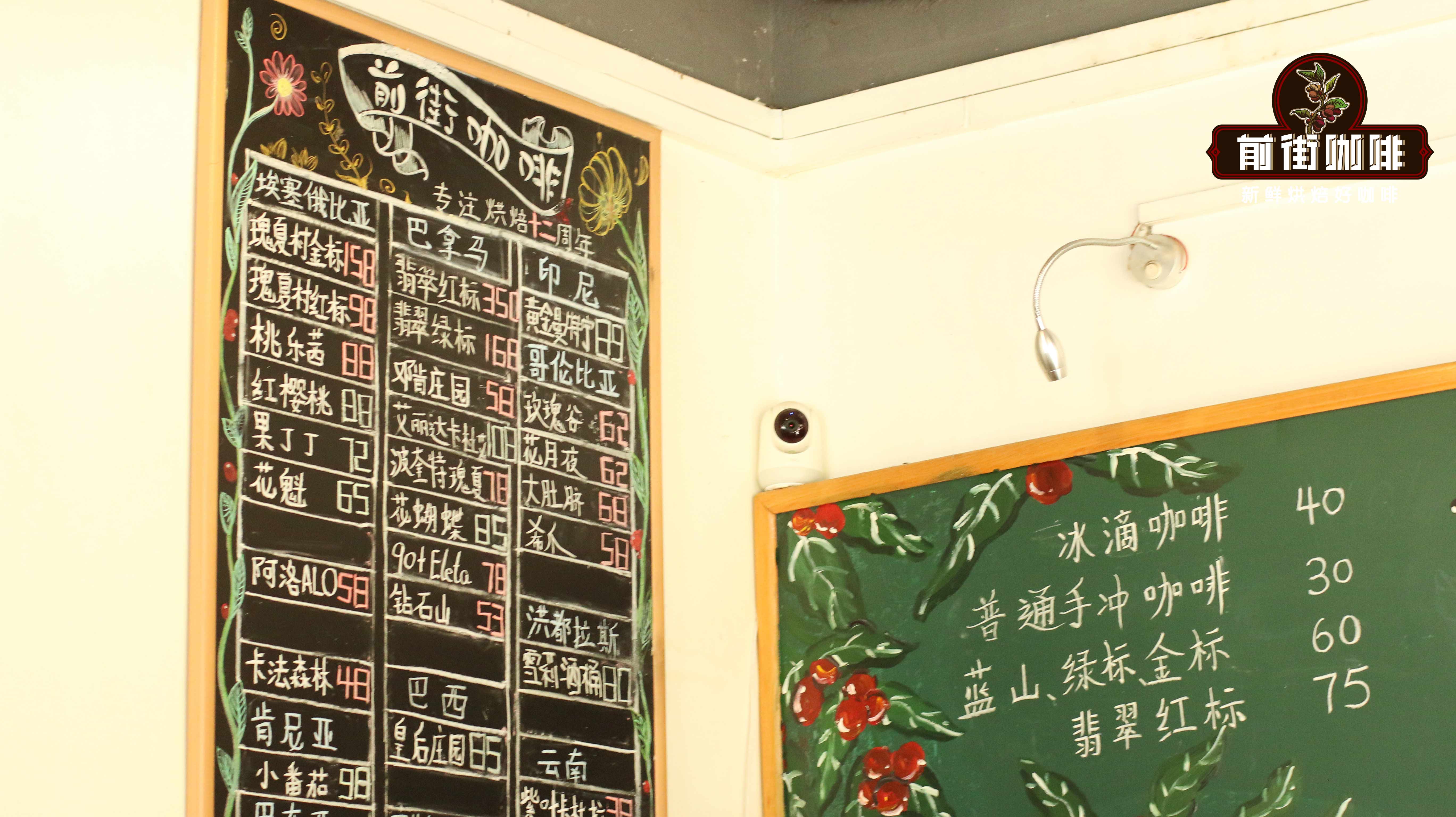
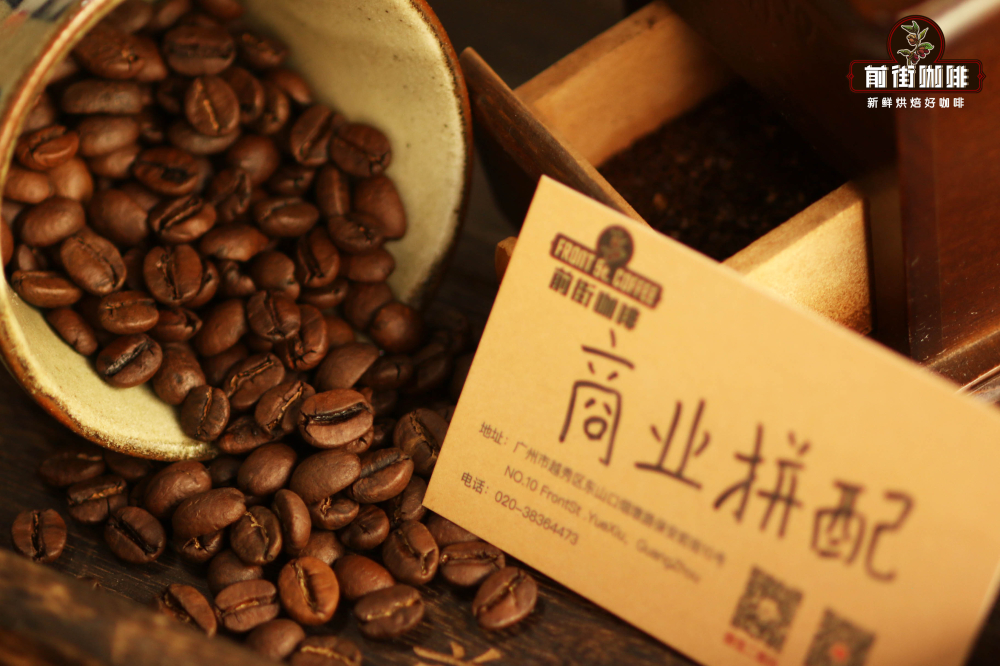
Another is the Commercial Blend espresso beans, with a ratio of Colombia:Brazil:Robusta = 3:6:1. The flavor shows caramel sweetness, accompanied by nutty, cocoa, and dark chocolate notes, balanced acidity and sweetness, slightly bittersweet, with a long finish. Baristas often blend multiple beans to achieve a target flavor, and they also add Robusta. There is no need to be prejudiced against it just because it is Robusta; sometimes this combination can produce unexpectedly good results.
The third is an espresso bean recommended by many baristas—Front Street Black Cocoa Blend, with a ratio of Yunnan beans:Brazilian beans = 3:7. The extracted espresso has soft fruit acidity, caramel sweetness, and nutty and dark chocolate flavors, with a smooth, syrupy mouthfeel, but the taste is on the lighter side.
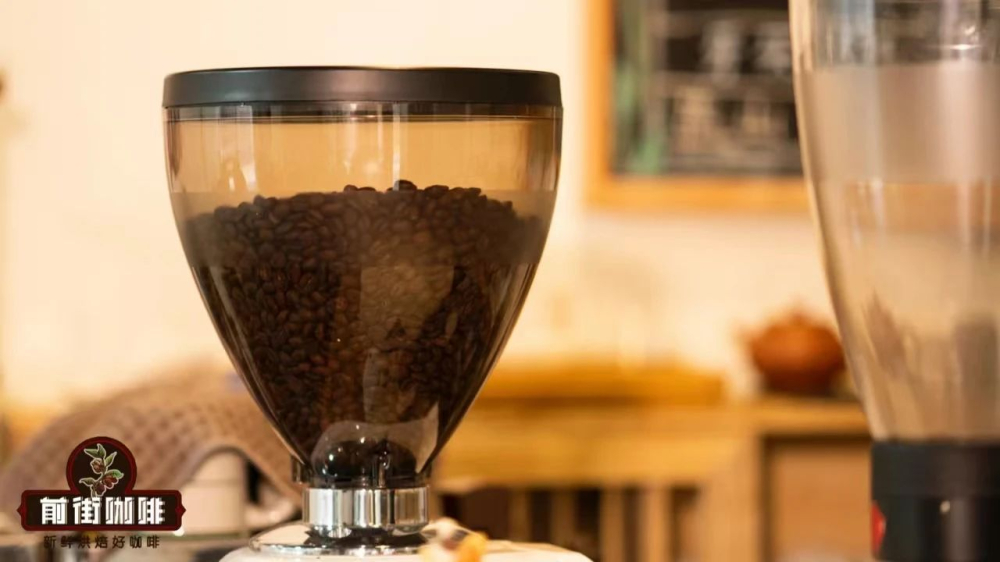
The last is the Sunflower Warm Sun espresso bean, blended from Honduran beans and Yirga Red Cherry beans, and it is also one that Front Street Coffee is currently using. The espresso it extracts has pronounced fruit acidity, a faint berry aroma lingering, rich winey and chocolate flavors, and a comfortable sweet aftertaste.
Once suitable espresso blend beans are chosen, extraction can begin. Although making espresso with an espresso machine is not as multi-step as pour-over, Front Street Coffee believes that extracting espresso is likewise a meticulous task with many factors to pay attention to.
What factors affect espresso extraction?
(1) Water pressure Modern equipment controls water flow and water pressure through a pump. The ideal water pressure for Espresso is generally around 9 BAR, which is also recognized as the most suitable pressure.
(2) Water temperature Water temperature should depend on the needs of different coffee beans. Based on the experience of most baristas, the water temperature falls between 90 and 92 degrees Celsius, and each barista can adjust flexibly according to their own understanding and needs.
(3) Espresso coffee bean grind size
Espresso requires an extremely fine grind. The finer the grind, the slower water passes through the coffee bed; the coarser the grind, the faster the flow. Adjusting the grind size allows you to flexibly change the extraction time while achieving the target yield. Imagine a situation: fix 20g of coffee, extract 40g of espresso, taking 25 seconds—everything looks perfect, but upon tasting you find the body is very thin and sharply acidic. Clearly this espresso is under-extracted and too low in concentration. At this point, grinding the beans finer can solve both the under-extraction and the low concentration, and also reduce the sharp acidity and increase body.
(4) Dose Front Street Coffee uses 12-14 grams for a single espresso and 20-22 grams for a double.
(5) Extraction time The golden rule gives an extraction time of 25-28 seconds, but extraction time is actually a comprehensive reflection of tamping, dose, and grind size, and baristas need to adjust it based on their understanding.
(6) Yield Front Street Coffee extracts 20-21g of liquid for a single and 40g of liquid for a double. Combined with the dose, this is the key to the espresso brew ratio.
Once these parameters are set according to your needs, you can make a delicious cup of espresso. If there is anything still unclear, you can also follow the Front Street Coffee official account to exchange and learn together.
The above content is compiled by CoffeeHunters, a coffee news website.


