







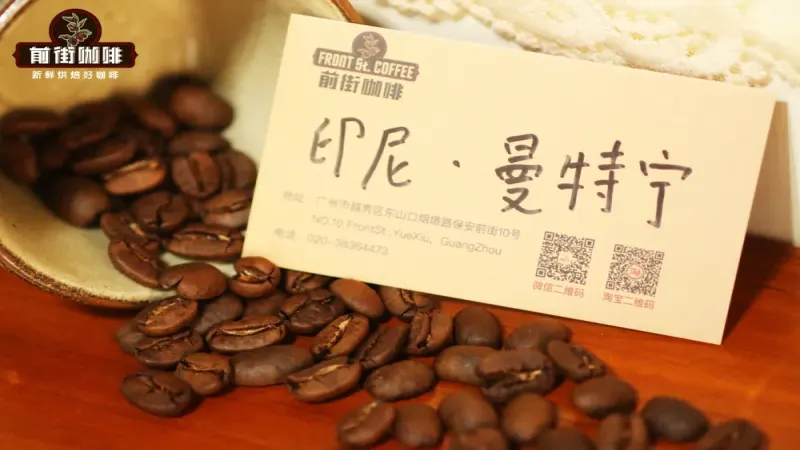
What Sets Golden Mandheling Coffee Apart in the Cup?
Golden Mandheling coffee is a PWN-selected Indonesian Arabica from North Sumatra, and it drinks cleaner and sweeter than ordinary Mandheling. Expect a full body with toasted nut, dark chocolate, caramel, and herbal spice notes. The name traces to a mispronunciation of the Mandailing people; in 1968 a Japanese trading company imported 15,000 kilograms of Sumatra Mandheling and its reputation grew.
Pwani Coffee Company, known as PWN, was founded in 1957 and buys green bean from the top Mandheling regions, applying wet-hulling and G1 grading before export. For pour-over, pair a deep roast with a measured coffee-to-water ratio, moderate water temperature, a medium grind, and three-stage extraction so the sweetness and clean entry stay intact.
Mandheling is a name that coffee lovers can't avoid, and PWN Golden Mandheling is regarded as the finest representative of Indonesian Mandheling. Where exactly does it come from? Why is its taste cleaner than ordinary Mandheling, with a clearer sweetness? This article will start with the origin of the name Mandheling, the background of the PWN company, the wet-hulling process, and the G1 grading standard, then combine Front Street's deep roasting and pour-over method to explain in detail the coffee-to-water ratio, water temperature, grind size, and three-stage extraction technique, giving you a complete understanding of this Golden Mandheling—rich and solid, with herbal spice and dark chocolate flavors.
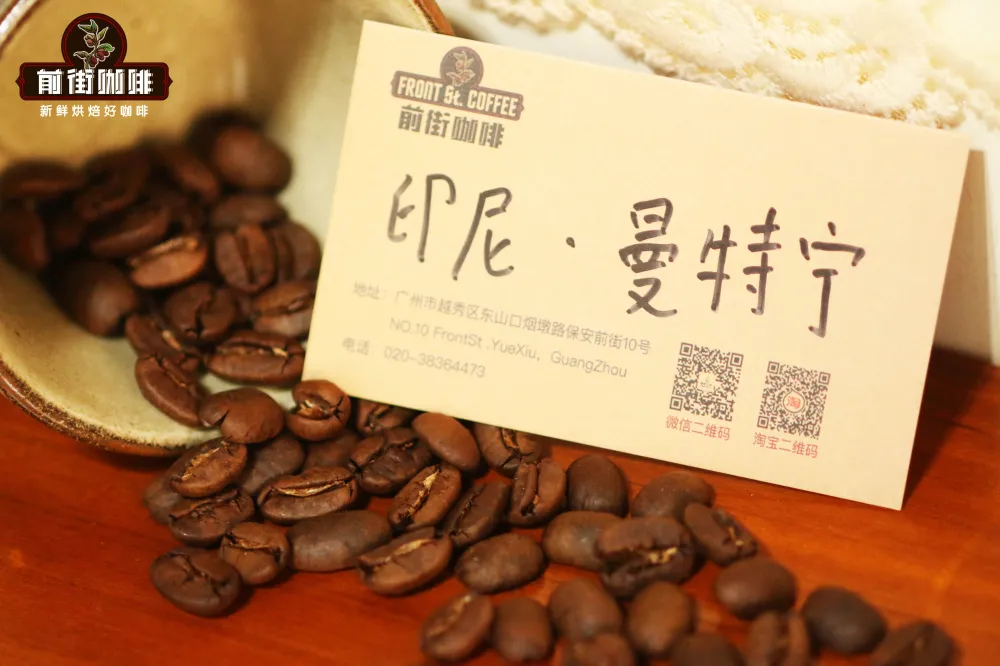
Mandheling coffee is known for its full-bodied mouthfeel, often carrying notes of toasted nuts, dark chocolate, caramel, and herbal plants. Front Street believes that Golden Mandheling is superior in quality to ordinary Mandheling, with a cleaner entry and higher recognizability of each flavor note.
What exactly is Mandheling coffee?
Indonesia is the world's second-largest coffee producer, growing mainly Robusta, while Mandheling specifically refers to a small batch of high-quality Arabica coffee produced in the North Sumatra region.
"Mandheling" is neither a place name in Indonesia, nor the name of a producing region or variety. It actually comes from a mispronounced transliteration of the Mandailing ethnic group, the indigenous people of Sumatra. During World War II, a Japanese soldier drank coffee in a shop in central Indonesia and asked the owner what coffee it was. The owner mistakenly thought he was asking where he was from, so he answered "Mandailing." After the war, the soldier returned home and remembered that the special-tasting coffee from back then seemed to be called "Mandheling." In 1968, the Nomura Trading Company of Osaka, Japan, went to the Indonesian company N.V. Pawani Medan to negotiate and imported 15,000 kilograms of Sumatra Mandheling coffee, which was well received after being launched on the Japanese market. From then on, the fame of Mandheling coffee and the Pwani Coffee Company spread rapidly.
PWN Pwani Coffee Company
Pwani Coffee Company is a well-known Indonesian green bean buyer, founded in 1957, with the purchase of Mandheling coffee as its core business. PWN Company covers the highest-quality Mandheling producing regions in Indonesia, so all the coffee batches it produces reach specialty grade.
Golden Mandheling is precisely a product of PWN Company. The purchased green beans undergo multiple rounds of manual hand-sorting, leaving only plump, flawless beans, thereby minimizing the defect rate of Mandheling green beans. PWN Company was also very forward-looking, registering the "Golden Mandheling" trademark early on and becoming the exclusive supplier of this product. When importing Golden Mandheling green beans, a PWN company certificate (used to verify authenticity) is attached, and the gunny bags for Golden Mandheling are 30kg in specification, with each batch having a corresponding number that matches the certificate one-to-one.
This certificate is displayed on the wall of the Front Street store, so you can take a look when you have the chance.
Characteristics of PWN Golden Mandheling Coffee
Traditional Mandheling coffee beans are processed using the local specialty wet-hulling method. When processing green beans with the wet-hulled method, the fermentation time is extremely short, but the drying process is longer, so the acidity is lower, yet the mouthfeel is very full-bodied. This is also the flavor characteristic that the wet-hulled method gives to Mandheling coffee.
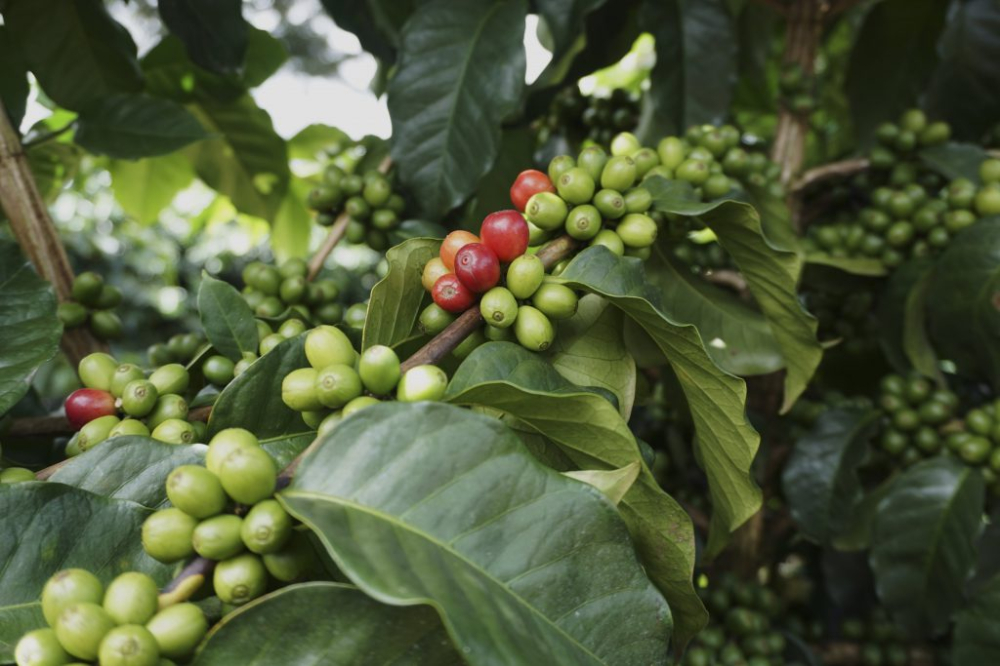
However, during the wet-hulling stage, the parchment layer must be removed from the half-dry, half-wet green beans before drying. The beans are directly exposed to the air, and combined with Indonesia's local high-temperature, high-humidity environment, improperly processed Mandheling coffee beans are prone to mold, taking on earthy and grassy notes, and the defect rate also rises. Therefore, to produce higher-quality Mandheling green beans, strict control is necessary.
Indonesia's grading of coffee green beans is mainly based on the proportion of defective beans, supplemented by size specifications, and is divided into 6 grades, namely G1 to G6. The highest grade is G1, which requires fewer than 3 total defects in a 300-gram green bean sample, with bean size above 18 mesh. Front Street's PWN Golden Mandheling coffee is G1 grade, with neat green bean shapes and a dark green color.
Every time Front Street releases a coffee bean, it evaluates it through cupping. After comparison, Front Street found that Front Street's PWN Golden Mandheling coffee not only lacks the earthy and grassy notes of ordinary Mandheling, but also presents a cleaner and more transparent mouthfeel, with clearer sweetness.
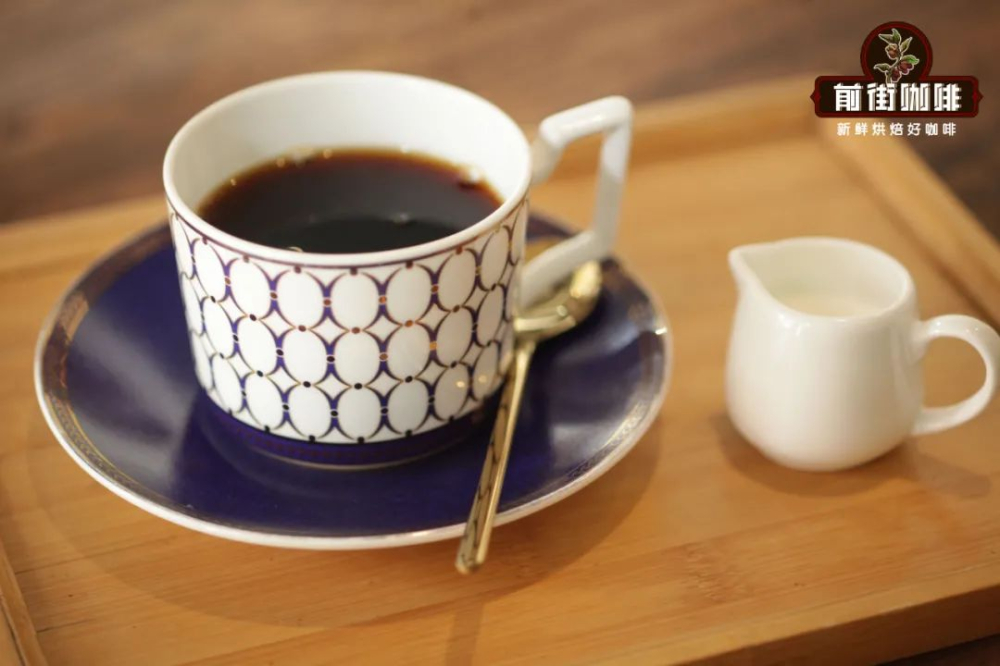
Brewing Suggestions for PWN Golden Mandheling Coffee
In order to highlight the rich aroma of Mandheling coffee, Front Street uses a deep roast. Deep-roasted beans are loose in texture and highly absorbent, making it easy to brew out bitter and muddy flavors, so you may want to refer to Front Street's brewing plan.
Whether a cup of coffee has a full aroma depends largely on the freshness of the coffee beans. Front Street recommends using coffee beans at their optimal flavor period for brewing. To highlight the richness of deep-roasted coffee, Front Street uses a Kono dripper. The Kono dripper can form a better siphon effect during extraction, thereby enhancing the full-bodied mouthfeel. If you don't have one, you can also use a V60 or other dripper.
Front Street's standard for brewing one serving is 15 grams of coffee grounds, with a coffee-to-water ratio of 1:15.
To avoid Golden Mandheling coffee absorbing too much water and releasing too many bitter substances, the grind size should be coarser, with a coarseness of 70% passing through a No. 20 sieve. Similarly, the water temperature should be lower, using 87–88°C. Too low and the coffee easily becomes flat and tasteless; too high and it easily develops burnt bitterness.
Three-stage extraction: Front Street first uses a small amount of hot water to moisten the KONO dripper, aligns and places the filter paper, then fully wets the filter paper so it fits the dripper more closely. After pouring out the water in the sharing pot, add 15g of coffee grounds, bloom with 30g of water for 30s, then begin pouring in a small stream in a circular motion from the center until reaching 125g, at which point the stages begin. When the coffee bed drops to half the height of the dripper, pour the second stage in the same manner until 225g, and once all dripping is complete, remove the dripper.
Front Street PWN Golden Mandheling Coffee Pour-Over Flavor: herbal spice, dark chocolate, nuts, caramel, strong sweet aftertaste, solid and full-bodied mouthfeel.
For professional coffee knowledge exchange and more coffee bean information, please follow Coffee Workshop (WeChat public account: cafe_style)
For more specialty coffee beans, please add the private WeChat of Front Street Coffee (FrontStreet Coffee), WeChat ID: qjcoffeex
The above content is compiled by CoffeeHunters, a coffee news website.


