







What Does Java Coffee Taste Like in Sumatra Mandheling?
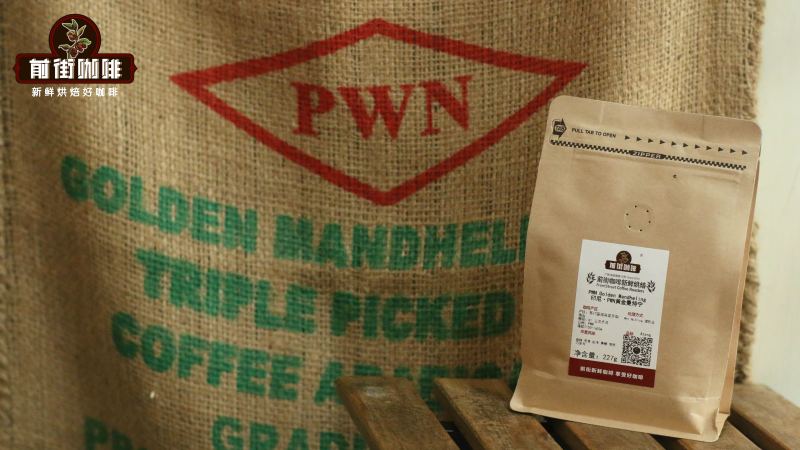
Sumatra Mandheling comes from Indonesia and is known for low acidity, a heavy body and herbal, spicy notes. The wet-hulling process, where parchment is removed while the beans are still damp, is what builds that thick mouthfeel. Five Mandhelings from one roaster cover Lintong, PWN Golden, Tiger, Aged and Wahana Natural, each with its own origin, variety and altitude.
When people ask what does java coffee taste like, Mandheling is a useful reference point: earthy, cedar-like and low in brightness rather than fruity. Aged lots add deeper, woody tones, while natural-process Wahana brings sweeter fruit into the profile. Pour-over parameters shift with roast level, so lighter roasts need finer grinds and slower pours to open up the cup.
Mandheling is the most recognizable coffee category from Sumatra, Indonesia, known for its low acidity, high body, and herbal spice flavors. This article starts from the history of the producing region, systematically sorting out the origin of the name Mandheling, the process principles of wet hulling and the branching evolution of aged processing, and introduces one by one the five Mandhelings sold by Front Street Coffee—Lintong, PWN Golden, Tiger, Aged, and Wahana Natural—covering their respective producing regions, varieties, altitudes, and flavor descriptions. At the end, there are Front Street's pour-over parameter suggestions for different roast levels and a complete flavor comparison, helping coffee lovers understand how wet hulling shapes Mandheling's thick mouthfeel, and what new changes natural processing has brought to this traditional category.
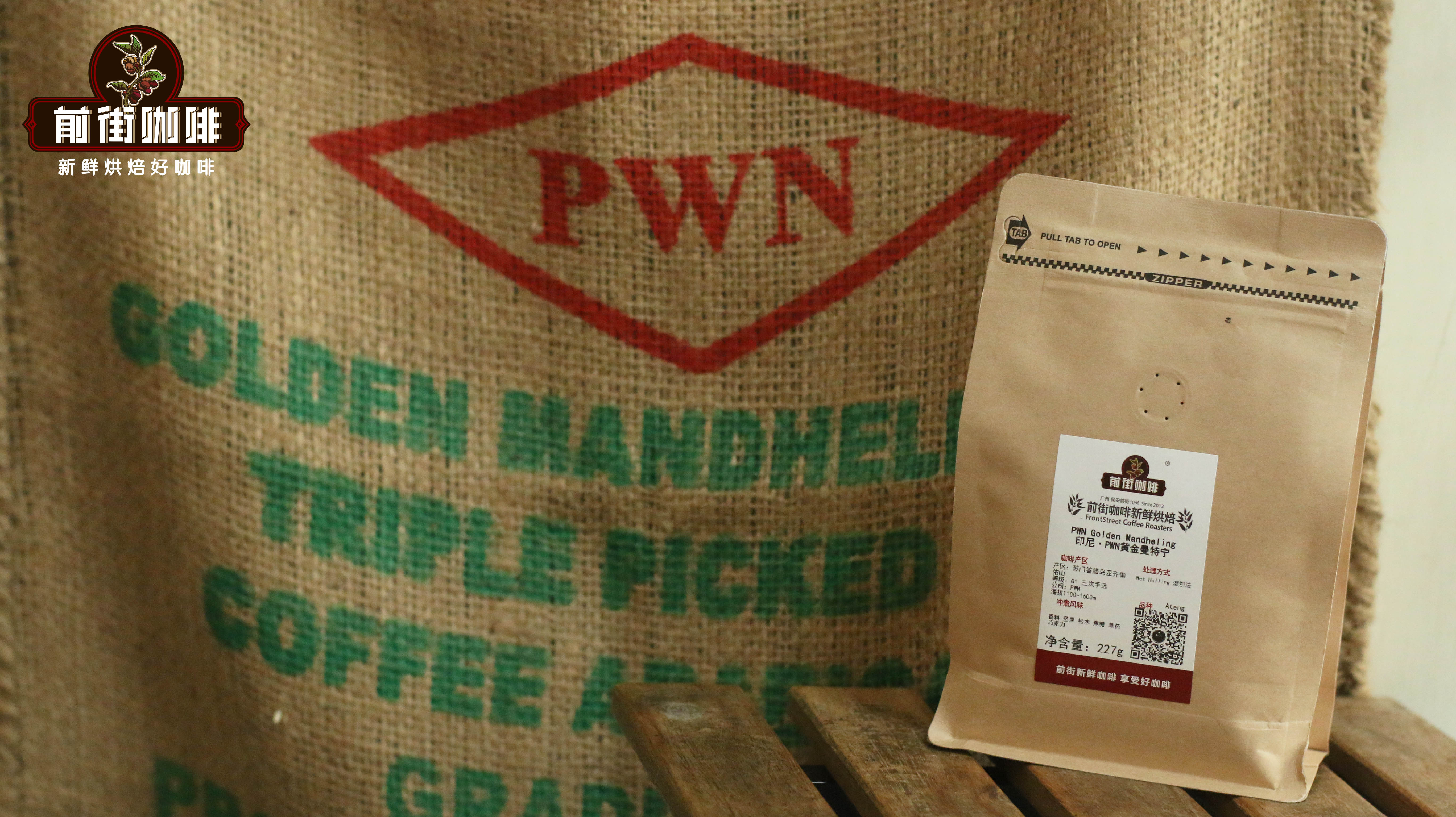
Sumatra Mandheling can be called the most recognizable category among Indonesian coffee beans. Front Street Coffee currently offers five Mandhelings with different styles, each differing in origin, tree variety, and post-processing method, and even the roasting curves Front Street designed for them are not the same. Friends familiar with Front Street Coffee probably know that before launching each new bean, Front Street first does a large amount of practice in identifying regional flavors, then plans multiple roasting curves, and through cupping and pour-over finds the plan that best suits that bean. Roasting is precisely the stage, independent of variety and processing method, that can influence the final flavor, which is also why Front Street always insists on roasting in-house.
Front Street focuses on freshly roasted coffee. Many people mistake "freshly ground" for "fresh beans," but the two cannot be equated—the freshness of coffee beans is determined only by the roast date. The beans shipped by Front Street generally have a roast date controlled within one week; if a customer specifically requests beans roasted the same day, Front Street can also arrange it accordingly.
Indonesia is located in Southeast Asia, and the history of coffee cultivation there can be traced back to 1696. At that time, Dutch coffee estate owners wanted to find broader planting areas, and after several surveys they chose Java. Over the following roughly thirty years, Indonesia had already established a firm foothold on the coffee trade map.
However, as it has developed to this day, the face of Indonesian coffee has fallen to Sumatra-produced Mandheling. This is not entirely surprising—among the earliest Java coffee shipped to Europe, a considerable proportion originally came from the Sumatra region, and Mandheling is precisely a product of Sumatra. It can be said that Sumatra occupies a pivotal position in Indonesian coffee production.
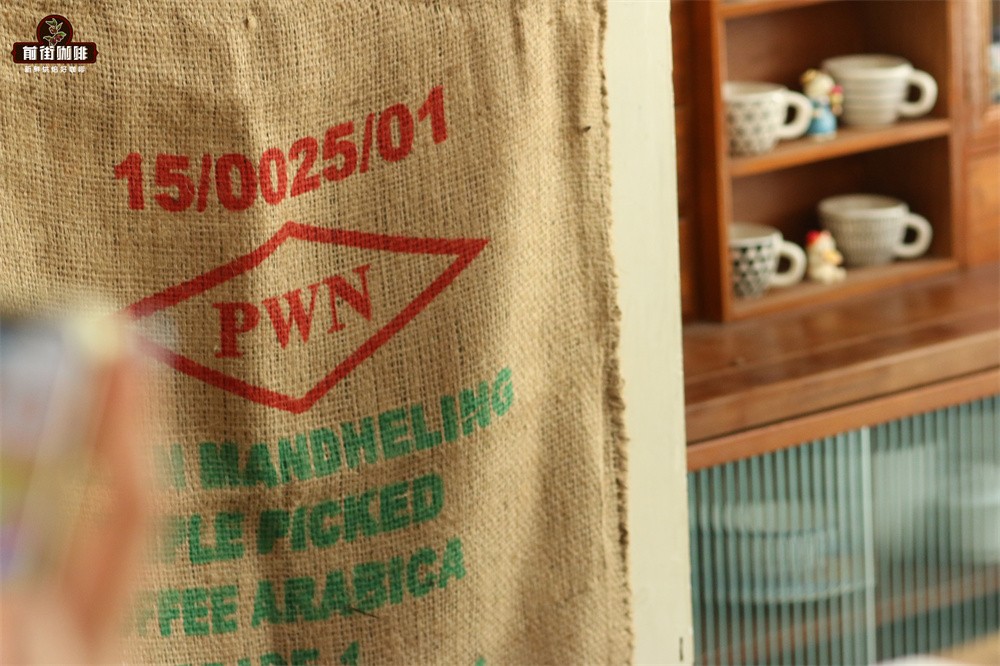
Mandheling was originally the name of an Indonesian tribe, and later by a twist of fate became a byname for coffee beans; there is an anecdote behind this. When the Japanese army withdrew to Japan after colonizing Indonesia, they could not forget the coffee they had drunk locally, so through the introduction of trade partners they asked locals to purchase high-quality coffee beans on their behalf, including this Mandheling. The Japanese were very fond of this bean and asked for its name, but the locals, considering that it was inconvenient to disclose their commercial channels, casually answered with the three words "Mandheling," and just like that Mandheling became the name of this coffee through a mistake.
The "locals" mentioned earlier are precisely the operators of Indonesia's PWN company (Pwani Coffee Company), which will be discussed below.
Most Mandheling is processed using Sumatra's unique wet-hulling method. The area is rainy year-round and frequently hit by typhoons, so it lacks the good weather required for natural processing; in addition, limited economic conditions mean it cannot afford the relatively high cost of the washed method, so wet hulling emerged in response and became a processing method with strong regional character.
Wet hulling is completed in two stages. In the first stage, a wooden pulper removes the skin and pulp, and after three hours of fermentation, drying begins, reducing the moisture content to a semi-dry, semi-wet state of 30% to 50%. In the second stage, the mucilage and parchment layer are removed, and the later stage of drying is completed; the entire drying process takes two to four days, and finally the moisture content drops to 12% to 13%.
In addition to conventional wet hulling, there is also aged wet hulling. After coffee beans are processed by ordinary wet hulling, they are sealed in a warehouse and stored for two to three years. The warehouse must meet conditions of coolness and ventilation, and the beans must be turned regularly to prevent mold and deterioration. During storage, the beans' acidity gradually weakens and transforms into sugar, and the color deepens accordingly, mostly appearing yellowish-brown or dark brown. Mandheling processed this way is called Aged Mandheling.
Wet hulling made Mandheling's special flavor, and the two can almost be equated. But today's coffee market is no longer satisfied with staying unchanged; even though wet hulling is Mandheling's signature, some also try other processing paths, such as the natural Mandheling from Wahana Estate. Of course, changing the processing method is not done arbitrarily; the premise is to preserve the bean's original flavor foundation, then add new layers on top.
Front Street Coffee: Lintong Mandheling Coffee Beans Region: Lintong producing region, Sumatra Altitude: 1100-1600 meters Variety: Typica, Caturra Processing Method: Wet Hulling Flavor: Baked toast, nuts, caramel, pine, herbs
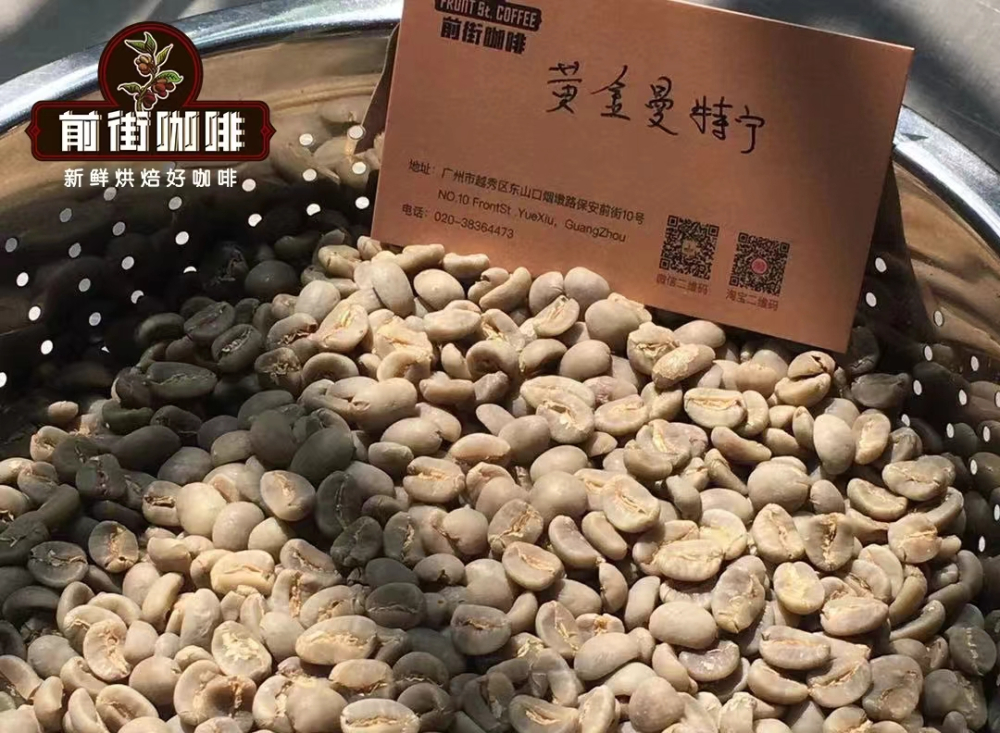
Lintong Mandheling comes from the Lintong highlands in north-central Sumatra, near Lake Toba, and belongs to the regular version of Mandheling. It also uses the standard wet-hulling method, and therefore has low acidity and prominent body. However, wet hulling also brings a by-product: the semi-hard, semi-soft moist raw beans are easily crushed when the mucilage and parchment layer are removed, and the bean body splits open in a shape resembling a goat's hoof, commonly known as "goat hoof beans." This is not a defective bean, but has instead become a distinctive mark of Mandheling.
Lintong Mandheling is not particular in the screening stage, and insufficiently refined processing can easily lead to unstable output, but this does not affect people's enthusiasm for its rich flavor at all.
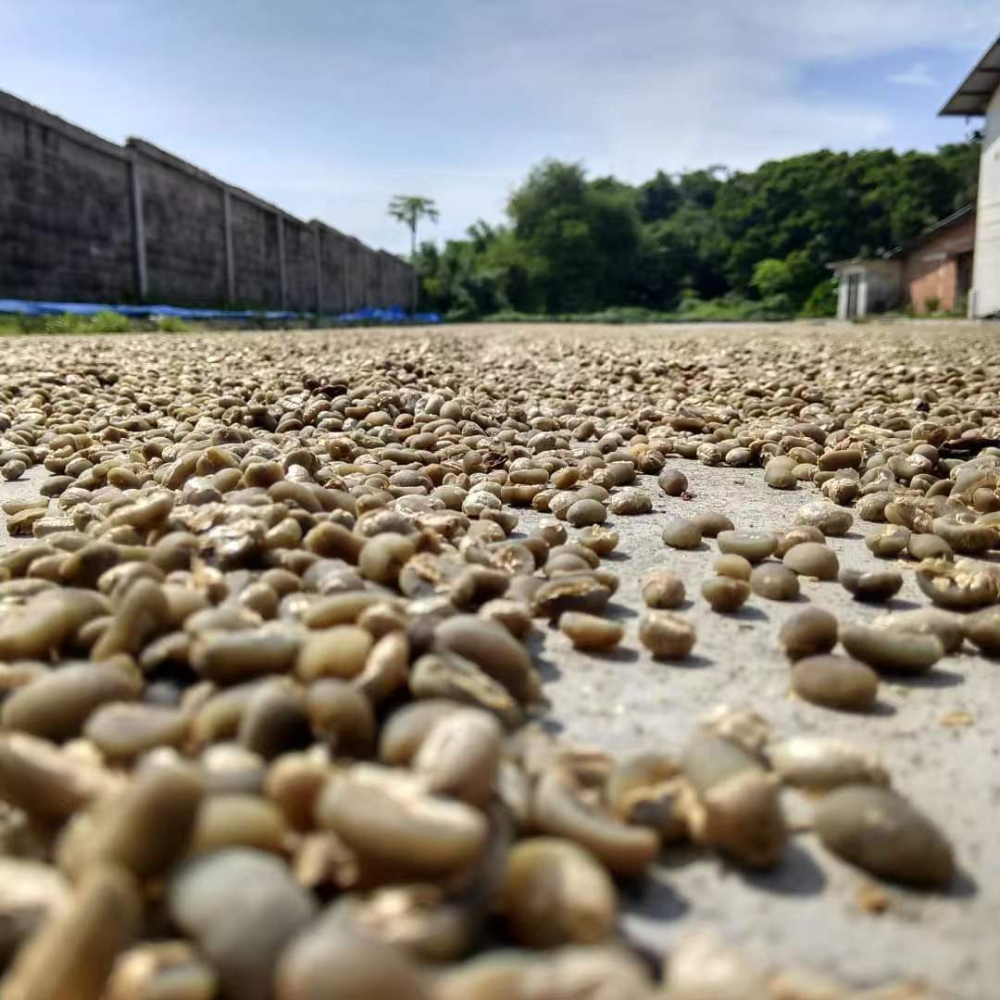
Typica's top leaves are bronze-colored, the bean shape is somewhat oval or slender-pointed, and the flavor is elegant, but the plant itself is relatively weak, has poor disease resistance, and also produces little fruit. Besides Mandheling, several other Front Street beans, such as Jamaica Blue Mountain and Hawaii Kona and other high-quality coffees, also belong to Typica. Caturra is a natural mutation of the Arabica Bourbon variety, discovered in Brazil in 1937. Its tree is shorter than Bourbon, and because it inherits Bourbon bloodline it has relatively weak disease resistance, but its yield is higher than Bourbon's.
Front Street Coffee: PWN Golden Mandheling Coffee Beans Region: Gayo Mountain, Aceh, Sumatra Altitude: 1100-1600 meters Variety: Ateng Grade: G1, 3 times hand-sorted Processing Method: Wet Hulling Flavor: Spices, herbs, caramel, pine, nuts, chocolate
Since the Japanese discovered Mandheling, they have always favored it. In the course of cooperating with local green bean merchants, they established strict screening standards: after processing, the raw beans first undergo density and color sorting, then multiple rounds of manual picking, finally presenting Mandheling with uniform color and neat bean shape. It is said that when processing the raw beans, Mandheling in the sunlight gives off a golden luster, and the name "Golden Mandheling" comes from this.
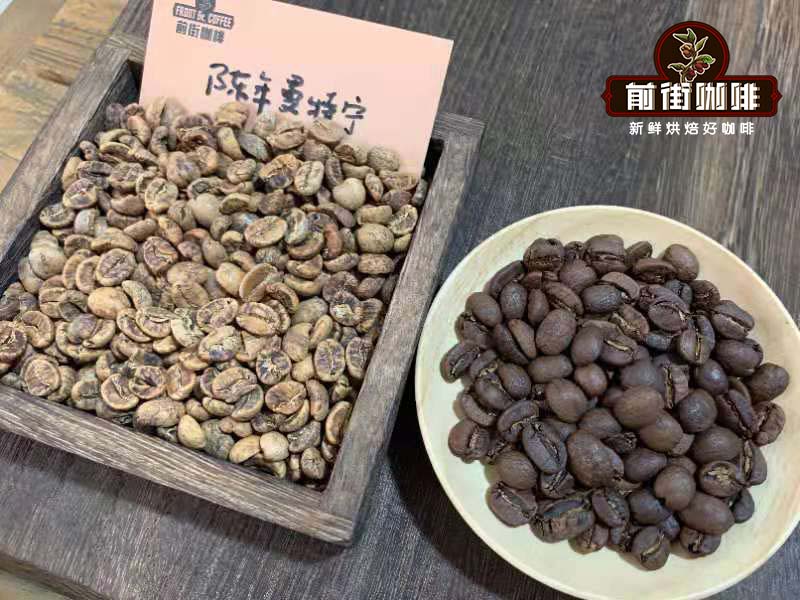
The specifications of Golden Mandheling require screen size 18 or above, with no more than 3 defective beans in a 300-gram raw bean sample, belonging to the highest grade G1, with a darker green color and a neat flat-bean shape. After strict screening, Golden Mandheling not only sheds the earthy, miscellaneous flavors common in ordinary Mandheling, but its mouthfeel is cleaner and more transparent, and its sweetness is also stronger.
However, it was not a Japanese company that registered Golden Mandheling as a trademark, but the Indonesian local enterprise PWN (Pwani Coffee Company), which cooperated with the Japanese side in exporting Mandheling in the early days. What the Japanese company registered was Gold Top Mandheling. In terms of flavor performance, the two are actually not very different, but different brands and different merchants' marketing strategies may lead to divergent public evaluations. As for which of the two Golden Mandhelings is better, it can only be said that opinions differ.
Ateng is a hybrid variety between Arabica and Robusta, divided into several subtypes, and widely planted in Sumatra and other small Indonesian islands. Put plainly, it is a branch of Catimor, and Ateng is the local name for it.
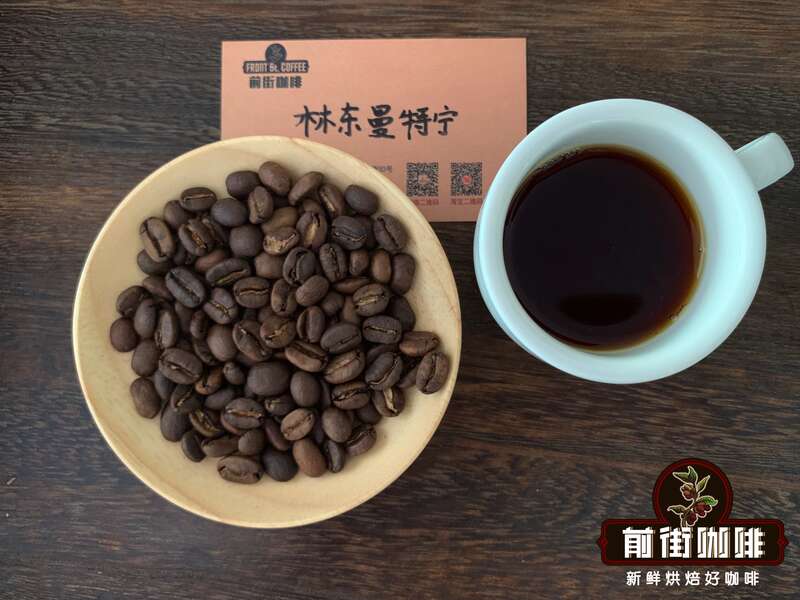
Front Street Coffee: Tiger Mandheling Coffee Beans Region: Sumatra Altitude: 1500 meters Variety: Caturra, Typica, Sidikalong Processing Method: Wet Hulling Flavor: Nuts, cream, dark chocolate, caramel, pine
Front Street Coffee: Aged Mandheling Coffee Beans Region: Sumatra Altitude: 1500 meters Variety: Caturra, Typica Processing Method: Wet Hulling Flavor: Ripe pu'er, caramel, herbs, chocolate, relatively low acidity
When it comes to alcohol, people often think the longer it is stored, the better, hence the term aged liquor. The same is true of coffee. Among aged coffees, Aged Mandheling is the most outstanding. The formation of this unique flavor was, in fact, not intentional at first. Indonesia was once a Dutch colony, and during the colonial period it needed to continuously ship coffee beans to Europe; to ensure supply was not interrupted, beans would be appropriately stockpiled. But the transport route was long, and combined with the erosion of sea breezes, by the time the beans arrived in Europe they had transformed into another flavor—this was the source of the aged flavor. Fortunately, the European colonists at the time were moved by this taste and quickly accepted and promoted this processing method.
Today the processing of Aged Mandheling is already quite mature. The coffee beans are first processed by wet hulling (that is, during the conventional washed process they are sun-dried with parchment for 2-3 days, reducing the moisture content to 20-24%, then the parchment is removed, and the raw beans are dried to a moisture content of 12-13%), and then sealed in a warehouse. The warehouse must remain cool and ventilated, and the beans must be turned regularly to prevent mold, and stored for two to three years. During this period the beans' acidity gradually weakens and turns into sugar, and the color also deepens to yellowish-brown or dark brown, making them highly recognizable.
The special processing of Aged Mandheling gives it a rounder, fuller flavor, intoxicating to taste, like pu'er.
Front Street Coffee: Natural Mandheling Coffee Beans Region: Lake Toba, Sumatra Estate: Wahana Estate Altitude: 1000-1700 meters Variety: Bourbon, Typica Processing Method: Natural Flavor: Melon, fermented aroma, mango, tropical fruit, peach
Wahana Estate was established in 2005 and is located near LeaMungkur village in the Sidikalang district of North Sumatra, Indonesia, and Sidikalang has been a well-known coffee producing region in Indonesia since ancient times. The estate is located at an altitude of 1200 to 1500 meters, with annual rainfall of 2000 to 3000 millimeters, a relatively cool climate, and a day-night temperature difference of more than 10°C. Based on these conditions, the sugar content of red cherries produced by Wahana is generally above 13%.
Wahana Estate is still relatively young and is still developing year by year. The estate covers about 500 hectares, and the owner plans to expand the coffee planting area as much as possible in the coming years. The estate separates different varieties by plot and harvests them separately, so as to fully unleash the potential of each variety. In addition, only red cherries are allowed to be picked, and they are processed separately.
Roast Comparison
Front Street Coffee Golden Mandheling Roast Record Table
Front Street Coffee Lintong Mandheling Roast Record Table
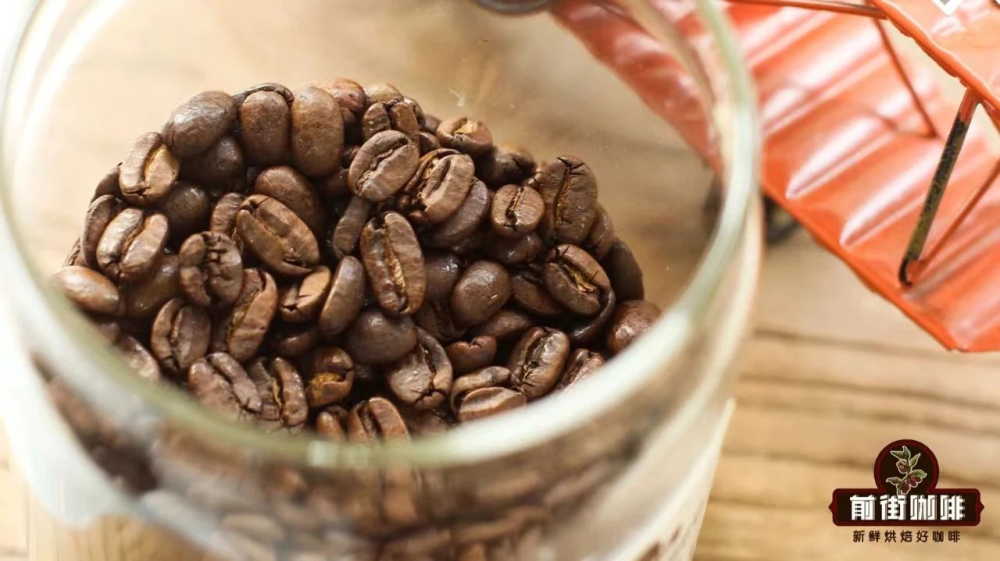
Front Street Coffee Tiger Mandheling Roast Record Table
Front Street Coffee Aged Mandheling Roast Record Table
Front Street Coffee Natural Mandheling Roast Record Table
Pour-over Flavor Comparison
When Front Street brews Mandheling, it tries to keep the parameters unified. Because Natural Mandheling uses a medium-light roast while the other four Mandhelings are medium-dark roasted, the roast levels differ and the brewing parameters also need to be adjusted accordingly.
Brewing parameters for light-medium roasted coffee beans: V60 dripper, 1:15 coffee-to-water ratio, 15 grams of coffee, 90°C water temperature, grind size (80% passing through a No. 20 standard sieve)
Brewing parameters for medium-dark roasted coffee beans: Kono dripper, 1:15 coffee-to-water ratio, 15 grams of coffee, 88°C water temperature, grind size (70-75% passing through a No. 20 standard sieve)
Front Street uses staged extraction: first bloom with 30 grams of water for 30 seconds, then pour in a small stream in circles until 125 grams for the stage break, and when the water level drops and is about to expose the coffee bed, continue pouring until 225 grams and stop, then when the water level again drops and is about to expose the coffee bed, remove the dripper. Timing starts from the bloom; the V60 dripper extraction time is 2 minutes 00 seconds, and the Kono dripper is slightly longer at 2 minutes 10 seconds.
[Flavor Description]
Golden Mandheling: Layered and varied, rich and clean, highly balanced, with intense nut and caramel aroma, carrying a chocolate note, and a lasting finish.
Lintong Mandheling: Herbal and medicinal plant notes on entry, dark chocolate, caramel, and a sweet aftertaste.
Tiger Mandheling: Pine and spice aromas, a relatively balanced mouthfeel, with obvious cream, dark chocolate, and nut flavors.
Aged Mandheling: Aromas of wood, malt, and caramel rush to the nose; on the palate it lacks the wildness of traditional Mandheling and gains a bit more richness and delicacy, with a sense of mature steadiness, relatively low acidity, and on entry flavors of ripe pu'er, caramel, herbs, and chocolate, with abundant sweetness.
Natural Mandheling: Tropical fruit, fermented note, moderate acidity, smooth mouthfeel, and obvious sweetness.
For more specialty coffee beans, please add the private WeChat of Front Street Coffee, WeChat ID: kaixinguoguo0925
The above content is compiled by CoffeeHunters, a coffee news website.


