







How does wet-hulling shape classic coffee like Mandheling?
Mandheling, the signature coffee of Sumatra, Indonesia, is a classic coffee known for full body, low acidity and a sweet, lingering aftertaste. The name comes from the Mandailing ethnic group, not a region or variety, and it spread after World War II when a Japanese soldier arranged for 15 tons to be shipped to Japan through the trader PWN.
The wet-hulling process, called giling basah, removes the parchment while the bean is still moist and shapes much of that heavy, herbal character. A medium-dark roast suits it best. Five varieties are compared here: Lintong, PWN Golden, Tiger, Aged and Wahana Natural, with notes on espresso bitterness.
Mandheling is the most iconic coffee of Sumatra, Indonesia, renowned for its full-bodied richness, low acidity, and sweet aftertaste. This article begins with the origin of the name Mandheling, then delves into how the wet-hulling process shapes its flavor, details the flavor differences and brewing performance of five Mandheling varieties—Front Street Lintong, PWN Golden, Tiger, Aged, and Wahana Natural—and answers the common question of whether Mandheling makes bitter espresso. Whether you are a newcomer just discovering Mandheling or a seasoned connoisseur looking for a reliable everyday bean, you will find a complete flavor map of this classic coffee.
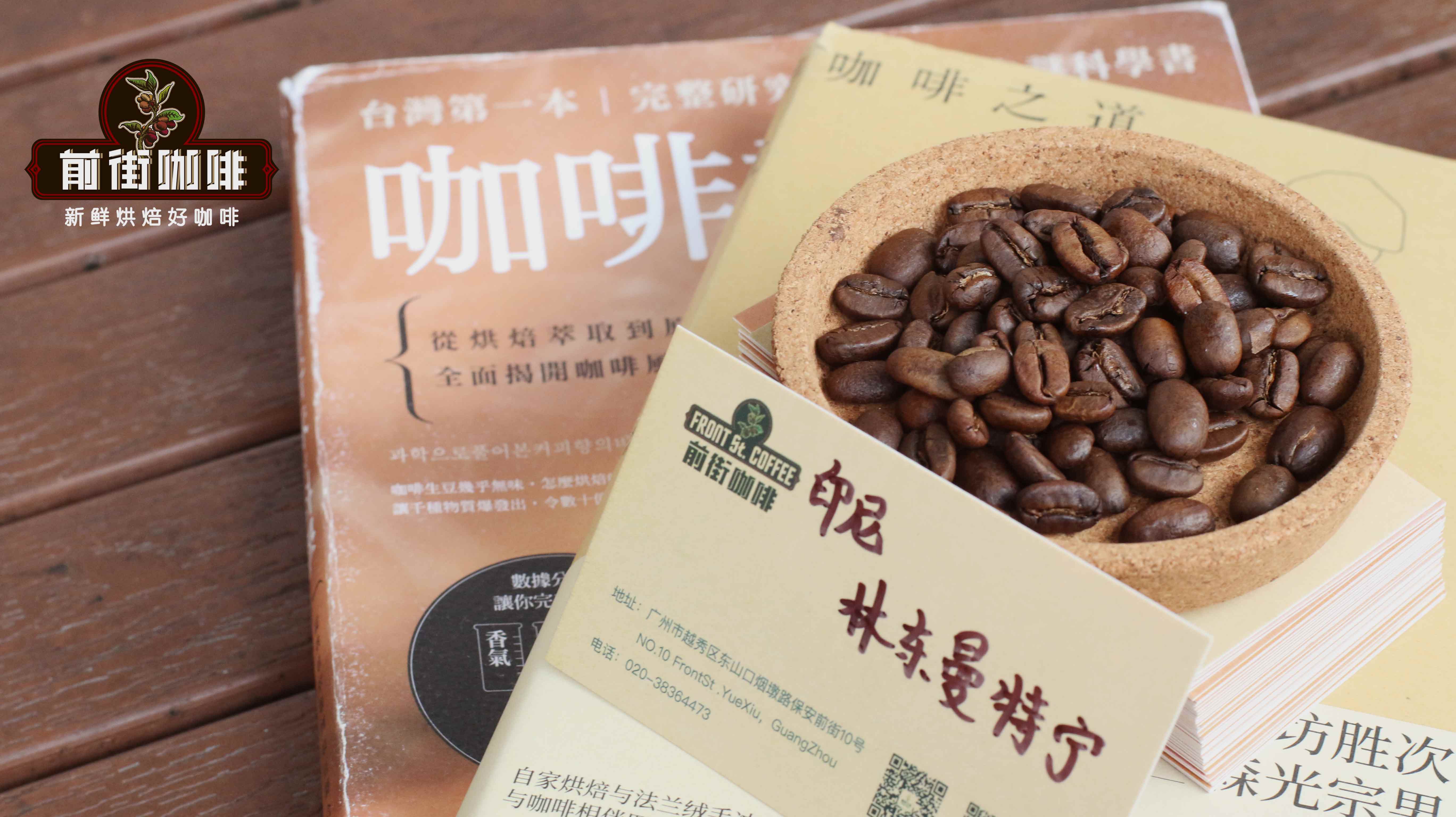
When it comes to coffee from Sumatra, Indonesia, Front Street believes the first thing that comes to many coffee lovers' minds is Mandheling. This bean is also often simply called "Sumatra coffee." Front Street Mandheling has a very distinct flavor profile—full aroma, solid bitterness, high body, and very low acidity. Front Street believes it is not a monotonous bitterness, but rather closer to the rich, aromatic depth of dark chocolate, with a lingering sweetness emerging in the mid-to-late palate, which is why a medium-dark roast brings out its best qualities. Some people use it for single-origin pour-over, while others blend it into espresso recipes.
The origin of the name Mandheling is quite interesting too. Front Street will now share it with you.
Actually, "Mandheling" is neither a producing region, a place name, a port, nor a coffee variety, but a transliteration of the Indonesian Mandailing ethnic group. During World War II, when Japanese forces occupied Indonesia, a Japanese soldier drank a cup of extremely aromatic coffee in a café and asked the owner what coffee it was. The owner mistook it for a question about where he was from and answered "Mandailing." After the war, the soldier recalled the taste he had experienced in Indonesia and arranged for a coffee trader to ship 15 tons to Japan, where it became hugely popular, and the name Mandheling spread from there. That coffee trader was none other than the later-famous Pwani Coffee Company (PWN).
The fact that Mandheling has been embraced by so many coffee lovers is also related to the third wave of specialty coffee. People's tolerance for different flavors has grown, and beans like Indonesian Mandheling, known for their herbal notes and heavy mouthfeel, were quite controversial in early evaluations, but Front Street Coffee (FrontStreet Coffee) has found that many people still enjoy it today.
To judge specialty coffee, Front Street Coffee (FrontStreet Coffee) usually looks at four dimensions: altitude, variety, processing method, and cupping score (above 80). But Mandheling often falls short of 80 in the cupping stage. Some therefore conclude that Front Street Mandheling is not a specialty coffee. Front Street Coffee (FrontStreet Coffee)'s view is that "specialty coffee" is merely the result of a set of public evaluation standards, and when a bean has a distinctive regional style and high market acceptance, whether it is labeled specialty is actually no longer that crucial.
The reason Front Street Coffee (FrontStreet Coffee) insists on doing the laborious cupping and continuously introducing beans from different producing regions is to show everyone that coffee beans are changing, and people's tastes are changing too. Existing evaluation standards are only the starting point for understanding coffee; beyond that, one must build one's own judgment, which is also what Front Street Coffee (FrontStreet Coffee) has always wanted to convey.
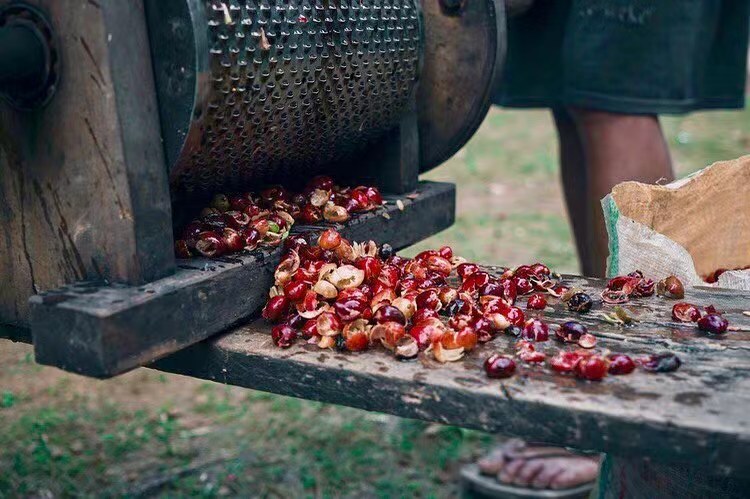
Front Street believes that the full-bodied flavor of Front Street Mandheling is inseparable from its special processing method—the wet-hulling process widely used in Indonesia. Most Mandheling uses the wet-hulling method unique to Sumatra.
The local area has abundant rain and frequent typhoons, making it difficult to meet the good weather required for natural processing, and economic conditions are also limited, while the washed method is too costly, so the wet-hulling method was born locally. Today the Indonesian coffee industry is no longer the impoverished scene it once was, and estates and companies with the means can fully use washed processing, but wet-hulling has not been abandoned. Front Street Coffee (FrontStreet Coffee) believes that wet-hulling is the hero that pushed Mandheling onto the world stage; mention Mandheling and you think of wet-hulling—the two have long been mutually成就. The wet-hulling method specifically has two stages:
In the first stage, a wooden depulper is used to remove the skin and mucilage, followed by 3 hours of fermentation and drying, bringing the moisture content down to 30-50%, half-dry and half-wet.
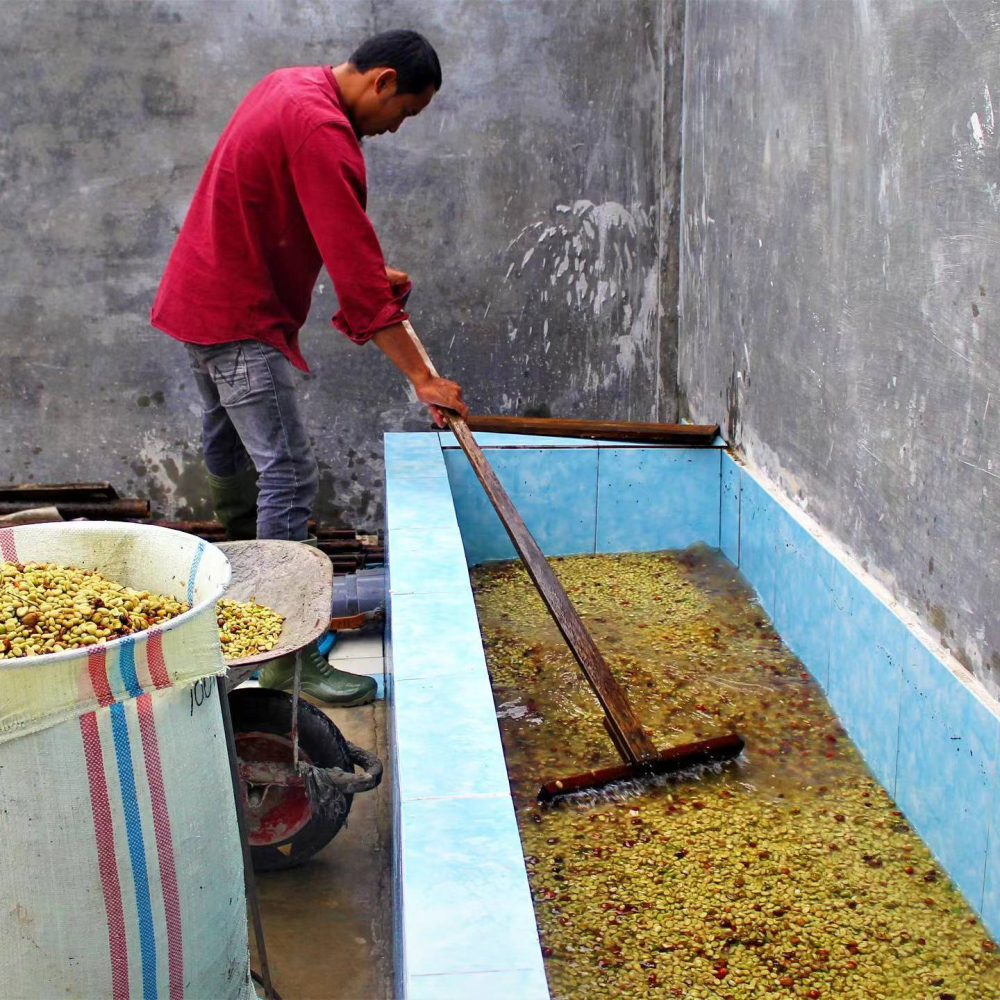
In the second stage, the mucilage and parchment layer are removed, and drying continues. The drying process takes 2-4 days, and the moisture content finally drops to 12-13%.
Besides the conventional wet-hulling method, there is also an aged wet-hulling method. The beans are first processed by the regular wet-hulling method, then sealed in a warehouse for 2-3 years. The warehouse needs to be cool and ventilated, and the beans must be turned regularly to prevent mold. During this period, acidity slowly converts to sugars, and the color darkens, mostly to yellowish-brown or dark brown—this is the aged Mandheling commonly seen on coffee lists.
Front Street believes that wet-hulling shaped Mandheling's special flavor, and it can be said that Mandheling and wet-hulling are bound together. But today's coffee market no longer settles for staying the same; even if wet-hulling is Mandheling's signature, estates will try other processing methods. For example, the Front Street Wahana Estate Natural Mandheling coffee that Front Street Coffee (FrontStreet Coffee) sources uses natural processing.
And Front Street believes that natural processing amplifies the bean's own flavors, with high body, intense flavor, and a noticeable sweetness; washed coffee has more pronounced acidity, better cleanliness, medium mouthfeel, and the most consistent green bean quality; honey processing offers better flavor, balanced acidity and sweetness, and like natural processing, because it undergoes sun-drying, the coffee bean's own aroma is also amplified, with a rich, full-bodied taste.
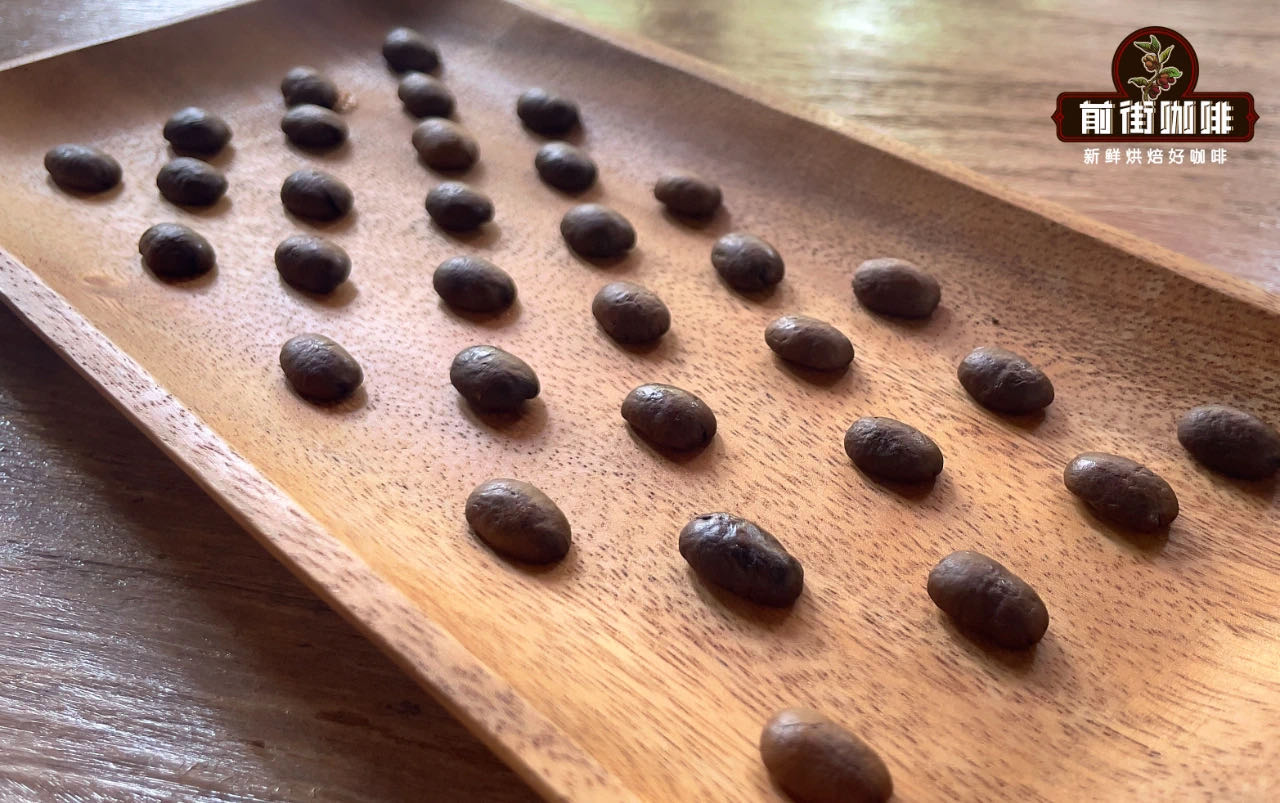
Front Street believes that whether natural or wet-hulled, each has its own characteristics, and coffee lovers can simply choose according to their own taste. Next, Front Street will introduce the information and flavor characteristics of five Front Street Mandheling offerings at the store.
Front Street Lintong Mandheling Coffee Beans Country: Indonesia Region: Sumatra (Lintong) Altitude: 1100-1600m Variety: Typica, Caturra Processing: Wet-hulled Flavor: Baked toast, nuts, caramel, pine, herbs
Front Street Lintong Mandheling comes from the Lintong hills of north-central Sumatra, near Lake Toba. Front Street Lintong Mandheling also uses the conventional wet-hulling method, hence its low acidity and high body. But wet-hulling has a quirk: the half-hard, half-soft moist green beans can easily be crushed when the mucilage and parchment layer are removed, and the split beans form a hoof shape, commonly known as hoof beans. Front Street Coffee (FrontStreet Coffee) considers this a very distinctive feature of Mandheling and not a defect bean. However, according to Front Street's understanding, Lintong Mandheling does not put much effort into screening, and insufficiently refined processing can easily lead to inconsistent output, but this does not diminish the world's love for the full-bodied flavor of Front Street Lintong Mandheling.
Front Street PWN Golden Mandheling Coffee Beans Country: Indonesia Region: Sumatra Altitude: 1100-1600m Variety: Typica, 19 screen Processing: Wet-hulled Flavor: Nuts, spices, herbs, licorice, chocolate, caramel; clean and smooth flavor
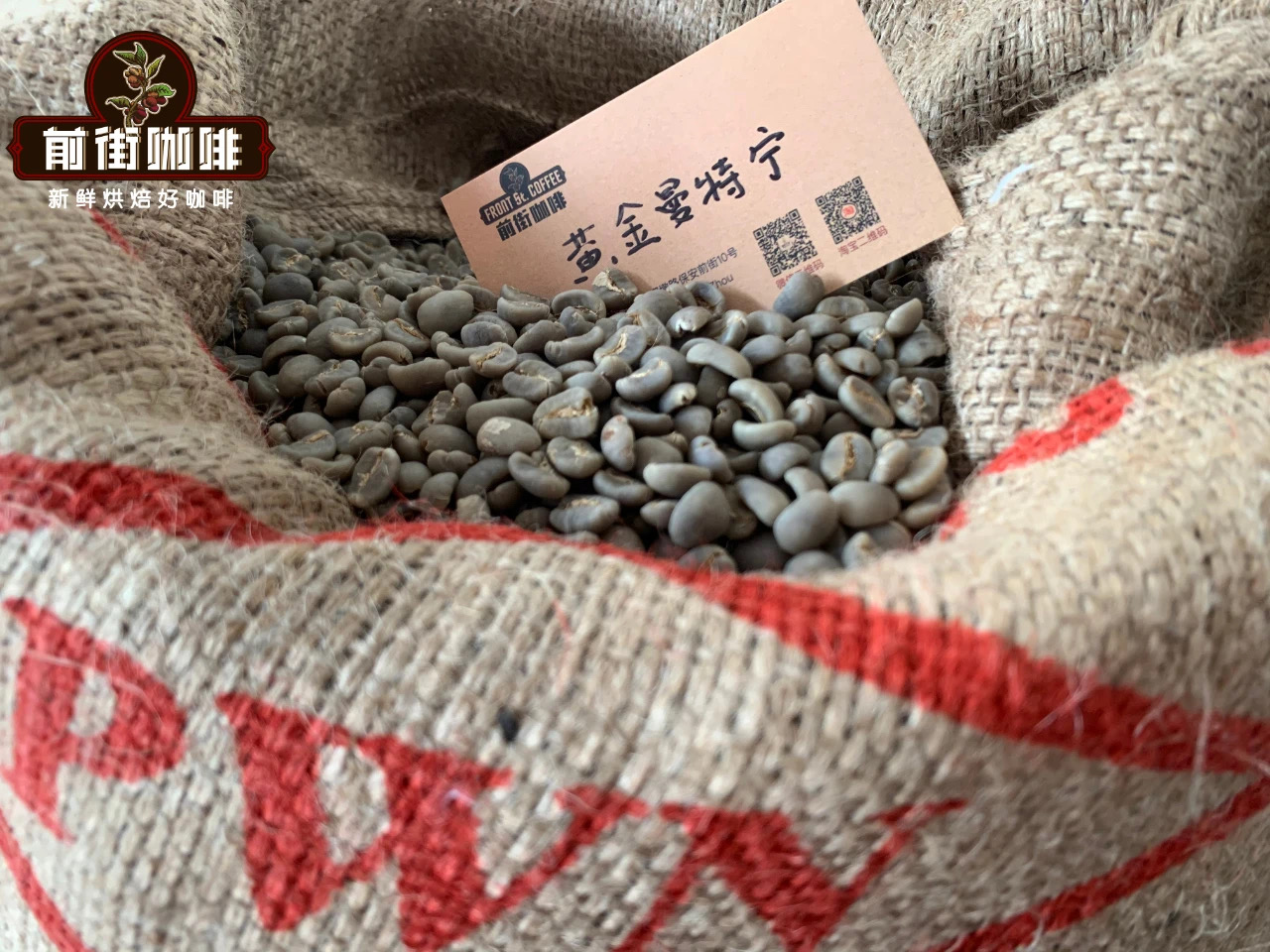
Front Street PWN Golden Mandheling Coffee Beans come from Lake Tawar in the Gayo Mountains of northwestern Sumatra. After the Japanese discovered Mandheling, they remained very devoted to this bean, and in the course of cooperating with local green bean traders, they established a strict screening system. After processing, the green beans undergo density and color sorting, and then are hand-sorted four times, finally producing the uniform-colored, uniform-shaped Front Street Golden Mandheling. It is said that during processing, Mandheling beans under sunlight give off a golden sheen, hence the name Golden Mandheling.
However, it was not a Japanese company that registered Golden Mandheling as a trademark, but the local Indonesian company that cooperated with Japanese companies in exporting Mandheling in the early days—PWN Company (Pwani Coffee Company). The Japanese company registered "Gold Top Mandheling" instead. Front Street Coffee (FrontStreet Coffee) believes that the difference in flavor between PWN's Golden Mandheling and Japan's Gold Top Mandheling is actually not great, but different brands and different merchant marketing strategies can lead to changes in public opinion, so which of the two Golden Mandhelings is better is a matter of opinion.
The specification of Front Street PWN Golden Mandheling is 18 screen and above, with fewer than 3 defect beans (per 300g green bean sample), belonging to the highest grade G1, with a darker green color and a neat, flat bean shape. After strict screening, Front Street Coffee (FrontStreet Coffee) has found that Front Street Golden Mandheling not only loses the earthy, miscellaneous flavors unique to ordinary Mandheling, but also tastes cleaner and more transparent, with a stronger sweetness and aroma.
Front Street Tiger Mandheling Coffee Beans Country: Indonesia Region: Sumatra Altitude: 1500m Variety: Caturra, Typica, Sidikalong Processing: Wet-hulled Flavor: Butter, dark chocolate, nuts, balanced taste
Tiger Mandheling uses extremely rare AA-grade coffee beans, meaning beans of 19 screen and above. According to Front Street's understanding, the reason Tiger Mandheling is called Tiger is that there are different subspecies of tigers, including the Siberian tiger, Bengal tiger, Sumatran tiger, and Indochinese tiger, mainly distributed across the Indonesian archipelago of Sumatra, and it is the only surviving tiger found exclusively on islands. So some people use "Sumatran Tiger" to describe the rarity and preciousness of this Mandheling, calling it "Sumatran Tiger Mandheling," which Chinese people also call "Tiger Mandheling." Of course there is another explanation: there is a "Tiger Estate" in Sumatra that specializes in producing Sumatran Mandheling, and the lots specially selected by them are named "Tiger Mandheling."
Front Street Aged Mandheling Coffee Beans Country: Indonesia Region: Sumatra Altitude: 1500m Variety: Caturra, Catuai Processing: Wet-hulled Flavor: Ripe pu-erh, caramel, herbs, chocolate; relatively low acidity
Front Street believes that as soon as coffee lovers hear "aged coffee beans," they will literally interpret it as green beans that have been stored for a long time, which is of course incorrect. Green coffee beans will also spoil if stored too long, turning from fresh green to white and then yellow, becoming bland, or even getting infested with bugs. So Front Street Aged Mandheling, like aged wine, must undergo proper processing and long-term storage before it can truly be called Front Street Aged Mandheling.
The origin of aged Mandheling also has its reasons. According to Front Street's understanding, Indonesia was once a Dutch colony, and during the colonial period it continuously shipped coffee beans to Europe. To ensure an uninterrupted supply, coffee beans would be properly stored, but the transport distance was long, and combined with sea breeze erosion, the coffee beans had already developed another flavor by the time they reached Europe—this was the progenitor of the aged flavor. Fortunately, the European colonists at the time were amazed by this taste and quickly accepted and promoted this processing method.
Of course, with technological development, today's aging process has become quite mature. The coffee beans first undergo wet-hulling (wet-hulling is when, during the regular washed process, the beans are dried in the sun with the parchment for 2-3 days to a moisture content of 20-24%, and finally the parchment is removed and the green beans are dried to a moisture content of 12-13%), and then are sealed in a warehouse. The warehouse environment needs to be cool and ventilated, and the beans must be turned regularly to prevent mold and spoilage, stored for 2-3 years, during which acidity gradually diminishes and converts to sugars, and the color darkens, mostly to yellowish-brown or dark brown, very recognizable. The special processing of Front Street Aged Mandheling gives it a rounder, deeper flavor, as intoxicating as pu-erh.
Regarding the characteristics of these five Mandheling varieties, Front Street Coffee (FrontStreet Coffee) brewed them with the same parameters and obtained the following flavors, which coffee lovers can use for reference.
[Front Street PWN Golden Mandheling]: Multi-layered, full-bodied and clean, highly balanced, with rich nut and caramel aromas, a hint of chocolate, and a long finish.
[Front Street Lintong Mandheling]: Herbal, medicinal notes on entry, dark chocolate, caramel, sweet aftertaste. Tiger Mandheling: Pine and spice aromas, relatively balanced mouthfeel, with obvious butter, dark chocolate, and nut flavors.
[Front Street Aged Mandheling]: Aromas of wood, malt, and caramel rush forth. On the palate, it lacks the wildness of traditional Mandheling and gains more richness and finesse, with a sense of mature steadiness. Acidity is relatively low, and on entry there are flavors of ripe pu-erh, caramel, herbs, and chocolate, with abundant sweetness.
[Front Street Wahana Estate Natural Mandheling]: Tropical fruit sweet-and-sour notes on entry, obvious fermentation aroma, smooth mouthfeel.
[Front Street Tiger Mandheling]: Relatively balanced mouthfeel, with obvious butter, dark chocolate, and nut flavors.
Earlier we mentioned that Mandheling is sometimes blended into espresso, so will using Mandheling for espresso make it bitter?
To answer this question, we must start with what espresso coffee is. As everyone knows, the foundation of espresso coffee is Espresso. Espresso is the product extracted by an espresso machine under high temperature (generally 92°C) and high pressure (generally 9 bar), and espresso can be combined with milk, water, syrup, etc. to make other coffee drinks.
Due to the different extraction method, there will be crema on the surface, giving it a thicker texture compared to pour-over drip coffee. At the same time, each unit volume contains more dissolved substances than drip coffee, so the flavor is more concentrated, and it will be bitter! Besides the coffee beans themselves, the powder-to-liquid ratio of espresso also affects the overall flavor. Generally the powder-to-liquid ratio is between 1:1.5 and 1:2.5, with 1:2 being common. A ratio that is too low makes the coffee taste very heavy and prone to bitterness from over-extraction; a ratio that is too high makes it overall bland or produces sharp acidity.
Extraction time is also a factor affecting espresso flavor. Generally speaking, extraction time is about 20-30 seconds. A longer time leads to over-extraction, and too short a time leads to under-extraction. The length of extraction time is closely related to the grind size: the coarser the coffee grounds, the looser the puck, the smoother the water flow, and the shorter the time, resulting in under-extraction.
Brewing suggestion: Front Street Coffee (FrontStreet Coffee) recommends the following brewing parameters: Kono dripper, 86°C water temperature, 15g dose, 1:15 coffee-to-water ratio, grind size BG#6K (70-75% passing a Chinese standard No. 20 sieve).
Front Street Coffee (FrontStreet Coffee) chose the Kono dripper because the V60 dripper flows too fast and tends to under-extract at low water temperatures; the Kono dripper has few ribs and they are located at the bottom, so the filter paper clings tightly to the dripper, restricting airflow and延长 the contact time between water and coffee grounds, allowing the coffee grounds to be fully extracted and enhancing the full-bodied mouthfeel.
For the pouring technique, Front Street Coffee (FrontStreet Coffee) uses staged extraction: bloom with 30g of water for 30 seconds, then pour in a slow circle with a small stream until 125g and pause, then when the water level is about to reveal the coffee bed continue pouring until 225g and stop, and when the water level is about to reveal the coffee bed again remove the dripper. The extraction time (starting from the beginning of the bloom) is 2'00".
The above content is compiled by CoffeeHunters, a coffee news website.


