







How does Yirgacheffe coffee flavor shape its brewing of coffee?
Yirgacheffe, one of Ethiopia's iconic specialty regions, is known for vivid floral aromas and citrus flavors. Its heirloom varieties grow mostly on smallholder plots, and cherries go to nearby processing stations, so many beans carry the name of a station or cooperative, such as the washed Gedingding Cooperative lots that show jasmine florals with citrus and berry acidity.
Because of that profile, the brewing of coffee from Yirgacheffe rewards a lighter touch, and the region's washed and natural lots suit different drinkers. As the birthplace of arabica, Ethiopia supplies heirloom genetics, and comparisons of washed against natural processing help buyers choose between a clean, delicate cup and a heavier, fermented fruit character.
Yirgacheffe is one of Ethiopia's most iconic specialty coffee regions, known for its vivid floral aromas and citrus flavors. Starting from the region's characteristics, this article introduces the varietal origins of Yirgacheffe coffee, its flavor distinctiveness, and the cupping performance and pour-over parameters of two beans: Front Street washed Gedingding and natural Red Cherry. Whether you're a beginner just getting into coffee or an enthusiast wanting to understand the differences between washed and natural processing methods, you'll find practical brewing advice and bean-selection references here.
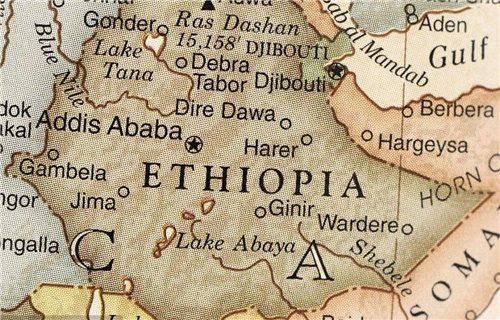
As the birthplace of Arabica coffee, Ethiopia is recognized worldwide as one of the core specialty coffee producing countries, thanks to its exceptional climate conditions, topography, and altitude advantages. Today, Front Street Coffee wants to introduce you to the Yirgacheffe region within Ethiopia.
Yirgacheffe and Sidamo are both pivotal specialty coffee regions in Ethiopia, where a large number of wild or yet-to-be-named coffee tree species grow, collectively known as "heirloom varieties." If you've ever looked at the packaging labels of Ethiopian coffee beans, you'll notice the variety column usually says "local heirloom varieties"—this refers to the tree species origin, not the region name.
When Front Street Coffee introduces Ethiopian coffee to customers, we often describe it as having intense floral aromas and fruity flavors, but the floral expression varies across different regions. Take Yirgacheffe, for example: it sits among Ethiopia's highest-altitude coffee regions, and it was precisely because its flavors were so outstanding that it was separated from the Sidamo region. Yirgacheffe farming is mostly smallholder-based, with farmers cultivating coffee trees on their own plots and sending the ripe cherries to nearby processing stations for processing.
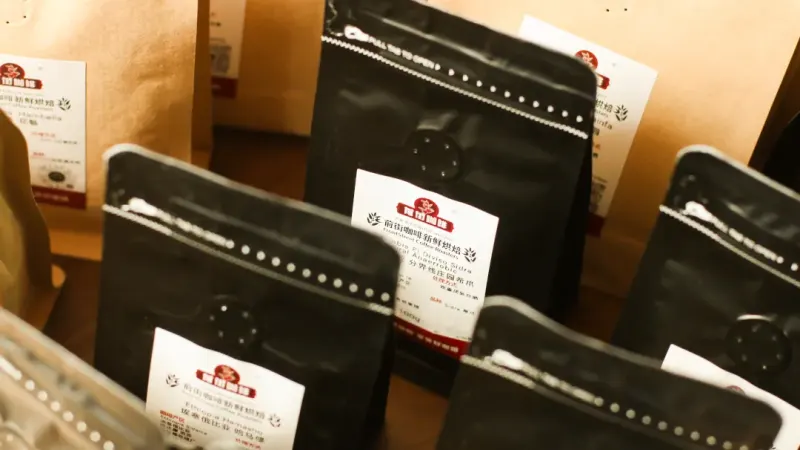
For this reason, many coffee beans from the Yirgacheffe region are named after processing stations or cooperatives. For instance, the Front Street Yirgacheffe Gedingding coffee beans listed by Front Street Coffee come from the Gedingding Cooperative. This bean is highly representative of the Yirgacheffe region, using washed processing, and after brewing it presents delicate jasmine florals accompanied by citrus and berry acidity, effectively conveying the region's typical flavors—this is one of the reasons Front Street Coffee chose to list this washed Gedingding.
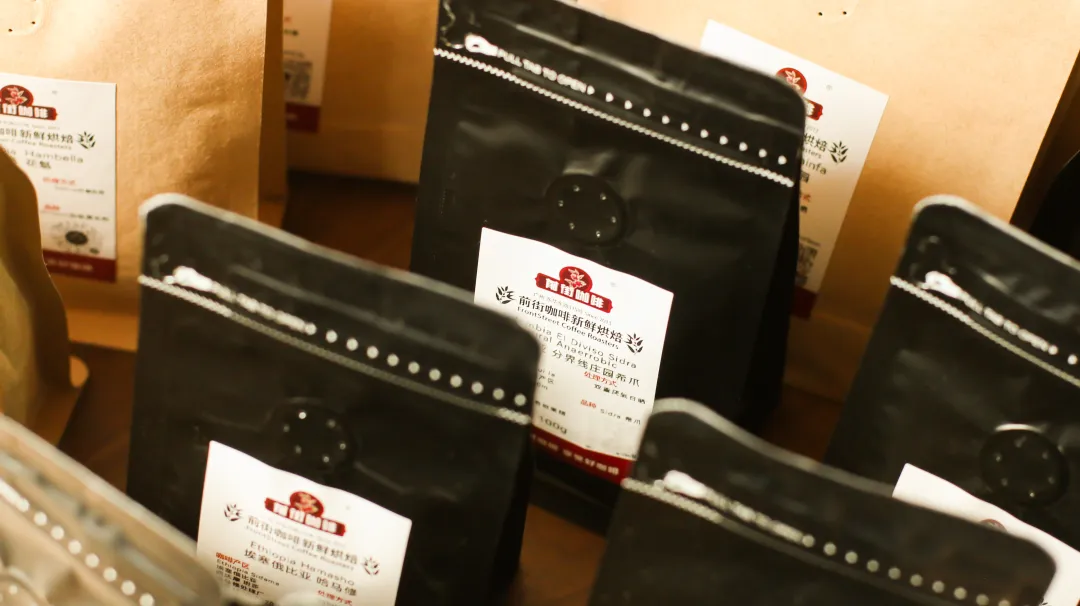
Front Street Coffee stores regularly stock coffee beans from over 50 regions. Before any bean is listed, it undergoes adjustment and testing across multiple roasting profiles, and only after cupping confirms the flavor is it officially released. This Front Street washed Gedingding is no exception.
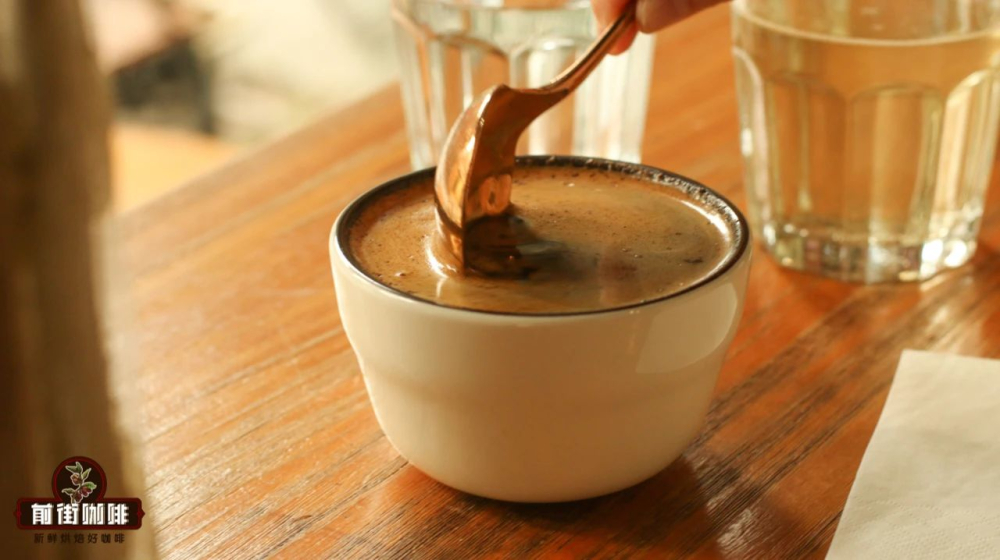
The Front Street barista uses a standard 200ml cupping bowl, with grind size set at 70%-75% passing a No. 20 standard sieve, 11.3g of coffee, and water at 94°C. Grind first and smell the dry fragrance—Front Street Gedingding's dry aroma carries fermented notes; then pour water to fill the bowl and confirm the wet aroma. After 4 minutes, break the crust and skim, then proceed with flavor evaluation. The wet aroma presents berry notes, and the overall flavor shows a refreshing fruit acidity on entry, followed by a balance of sweet and sour, with berry-like sweetness. After cupping comes the pour-over stage, to showcase the true flavors of Yirgacheffe Front Street Gedingding.
When brewing Yirgacheffe coffee beans, Front Street Coffee prefers the V60 dripper, aiming to enhance layering. For a single serving, use 15g of coffee beans with a 1:15 coffee-to-water ratio, meaning pour 225g of water. Water temperature is controlled at 91-93°C, grind size is medium-fine, with 80% passing a 0.85mm standard sieve, corresponding to 10 on an EK43s electric grinder.
For the first pour, add 30g of water for blooming, lasting 30 seconds, allowing carbon dioxide to fully escape. For the second pour, add water up to 125g. When the coffee liquid drops halfway, pour the third stage of water, finally reaching 225g, with a total extraction time of 2 minutes. Once time is up, immediately remove the dripper to stop extraction. When tasting Front Street washed Yirgacheffe, you can perceive distinct citrus notes, a smooth mouthfeel, and subtle florals and tea-like qualities.
Therefore, Front Street believes this Front Street washed Yirgacheffe is very suitable for coffee enthusiasts just starting out, because Front Street washed Gedingding has highly recognizable flavors—it's easy to taste the region's basic characteristics.
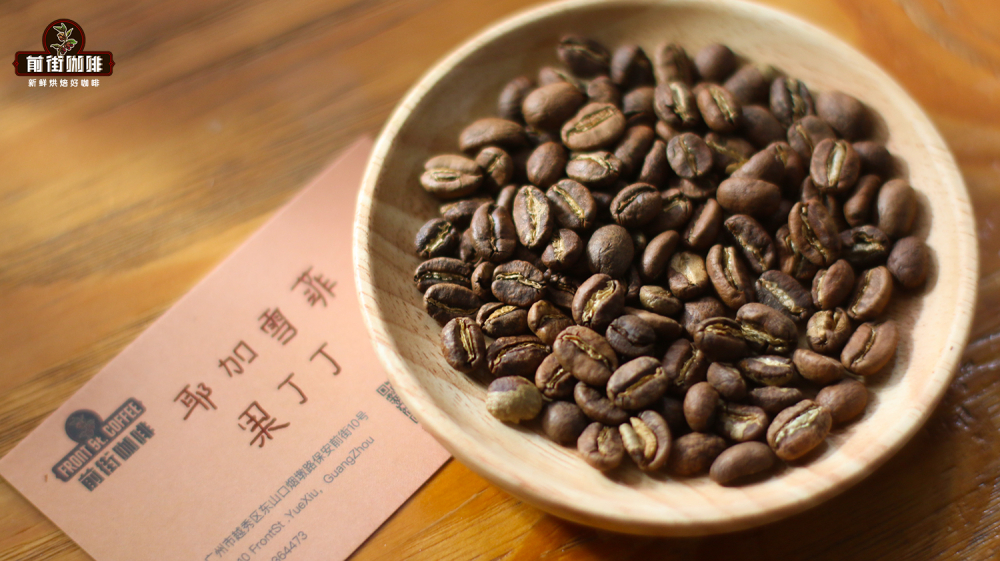
If you prefer a Yirgacheffe with some sweetness, you might want to try naturally processed beans. Front Street Coffee has a natural bean—Front Street Yirgacheffe Natural Red Cherry coffee beans. These beans come from the "Red Cherry Project" jointly initiated by local cooperatives and a Dutch green bean merchant. The project aims to improve Ethiopian coffee bean quality and improve the lives of local coffee farmers. According to the project's requirements, farmers only pick fully ripe red cherries, thereby reducing the defect rate of coffee cherries.
Front Street Coffee's cupping results for this Front Street Natural Red Cherry are as follows: dry aroma is sweet fruity, wet aroma is fresh berries. On entry, strawberry aroma is abundant, with pronounced sweet and sour notes and richer layering; after cooling, the strawberry flavor remains prominent. Comparing Front Street Natural Red Cherry with washed Gedingding, the flavors are somewhat similar—after all, both belong to the Yirgacheffe region, so similar flavors are only natural. But Front Street Coffee believes Front Street washed Gedingding has brighter acidity and a cleaner mouthfeel, while Front Street Natural Yirgacheffe has richer layering and more prominent strawberry aroma.
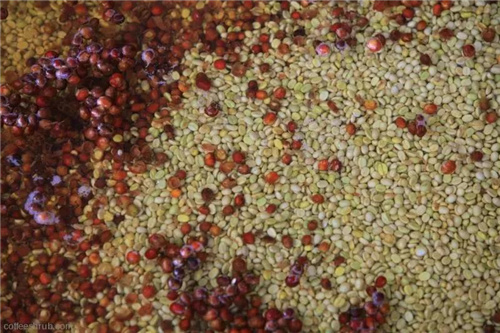
The natural processing flow is: after picking the coffee cherries, the pulp is not removed immediately; instead, the cherries are first dried to a moisture content of 11%-13%, then sent to the processing station to be hulled by machine. During this slow fermentation process, the fruit flavors gradually seep into the bean's interior, unlike the washed method where they get rinsed away.
Natural processing gives Front Street Yirgacheffe Red Cherry its unique flavor, with more intense fruitiness and lower acidity than washed beans. But correspondingly, the long sun-drying process also brings challenges—for example, compared to washed processing, natural Yirgacheffe requires more time and effort, because warm, humid coffee beans are prone to off-flavors from mold and rot.
Ethiopian coffee presents different flavors depending on the processing method, but either way, they're distinctive and intense enough. Pour-over brewing of coffee beans from Ethiopia's Yirgacheffe region doesn't require advanced techniques to make a delicious cup, making it very beginner-friendly.
The above content is compiled by CoffeeHunters, a coffee news website.


