







Is Coffee From Yirgacheffe and Mandheling Really That Different?
Yirgacheffe and Mandheling sit at opposite ends of the flavor map. Indonesian wet-hulled Mandheling is rich and deep, while washed Yirgacheffe is bright and floral. Tasting one acidic coffee and one bitter coffee side by side helps beginners build a framework for regional flavors, which is why baristas often suggest starting with this pair.
Yirgacheffe is a town in Ethiopia's Sidama area, grown at 1,700 to 2,100 meters in cool, foggy conditions, and it was separated from Sidamo because of its distinct cup. Front Street offers both beans at 25 yuan per 100g, so new drinkers can compare origin, processing, and brewing without spending much.
For friends who are just getting into specialty coffee, the dazzling array of beans often leaves them unsure where to start. Front Street Coffee's baristas often recommend two highly representative beans—Indonesian wet-hulled Mandheling and washed Yirgacheffe. The former is rich and deep, the latter bright and floral; one acidic and one bitter, they help beginners build a cognitive framework for regional flavors, and Front Street shares them at 25 yuan/100g, offering outstanding value. This article will guide you through the growing region background, processing methods, and brewing parameters to fully understand these two beans and step into the exotic world of coffee.
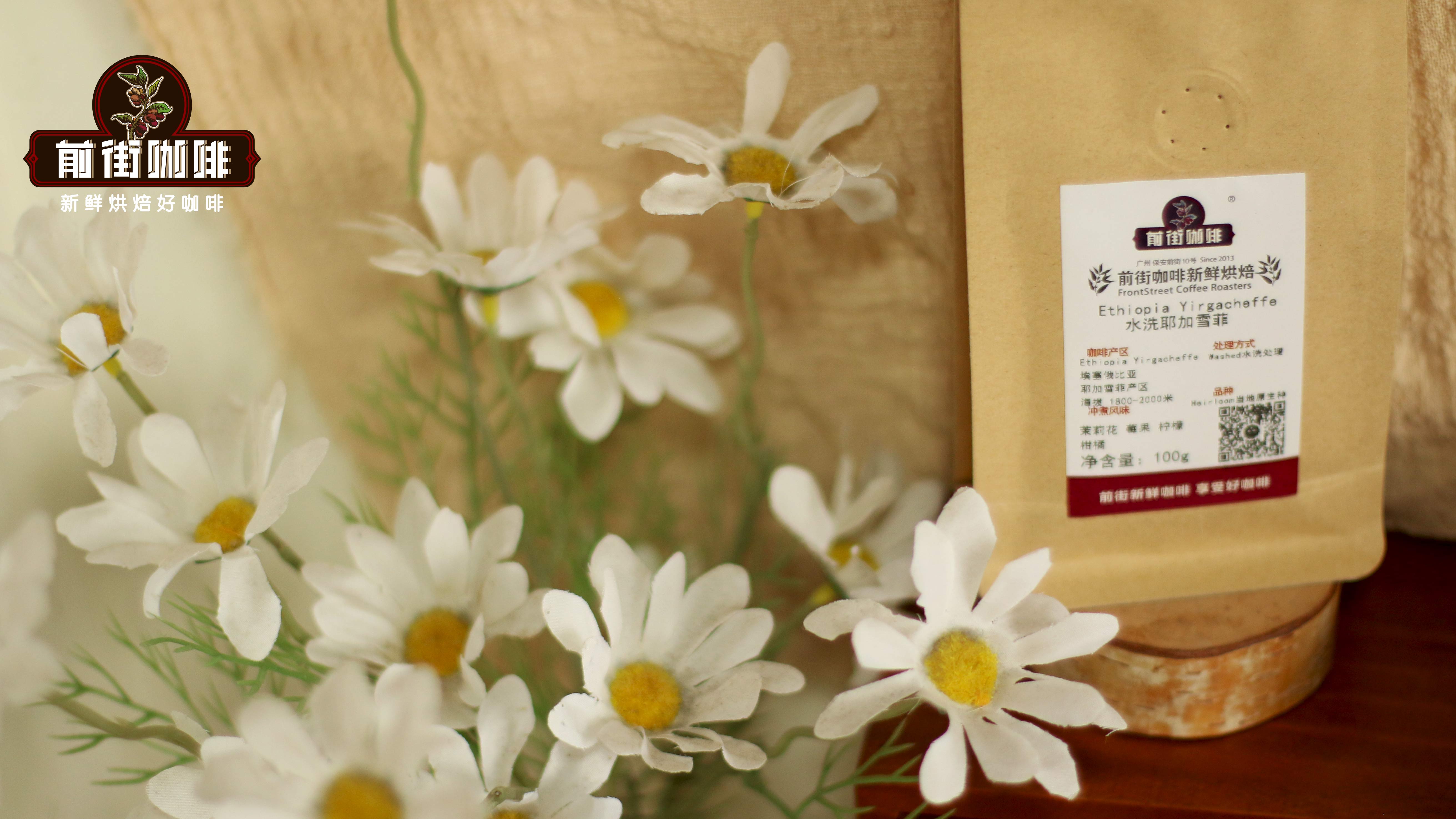
Do friends who are just stepping through the door of specialty coffee often feel at a loss when choosing coffee beans? For such beginners, the baristas at Front Street Coffee (FrontStreet Coffee) generally recommend two highly representative specialty beans: one is Front Street Indonesian wet-hulled Mandheling, and the other is Front Street washed Yirgacheffe. They showcase the typical flavors of their places of origin, and because their acidity and bitterness are distinctly different, they help us understand the characteristics of different countries' growing regions. Front Street shares them at 25 yuan/100g, offering excellent value. Next, let us get to know these two coffees from multiple angles and step together into the exotic world of coffee.
|About Yirgacheffe
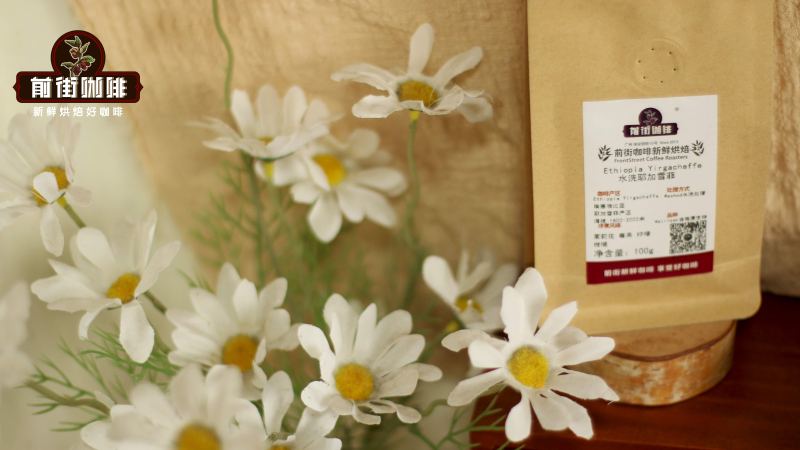
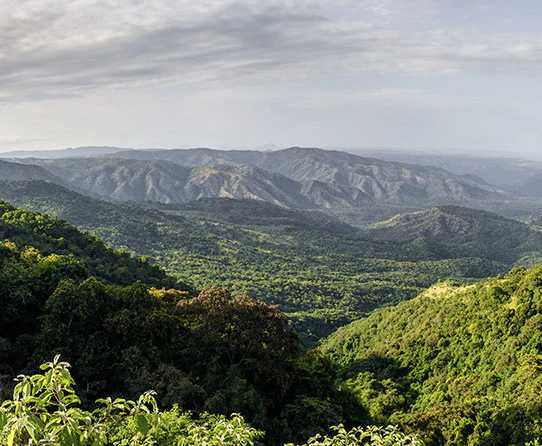
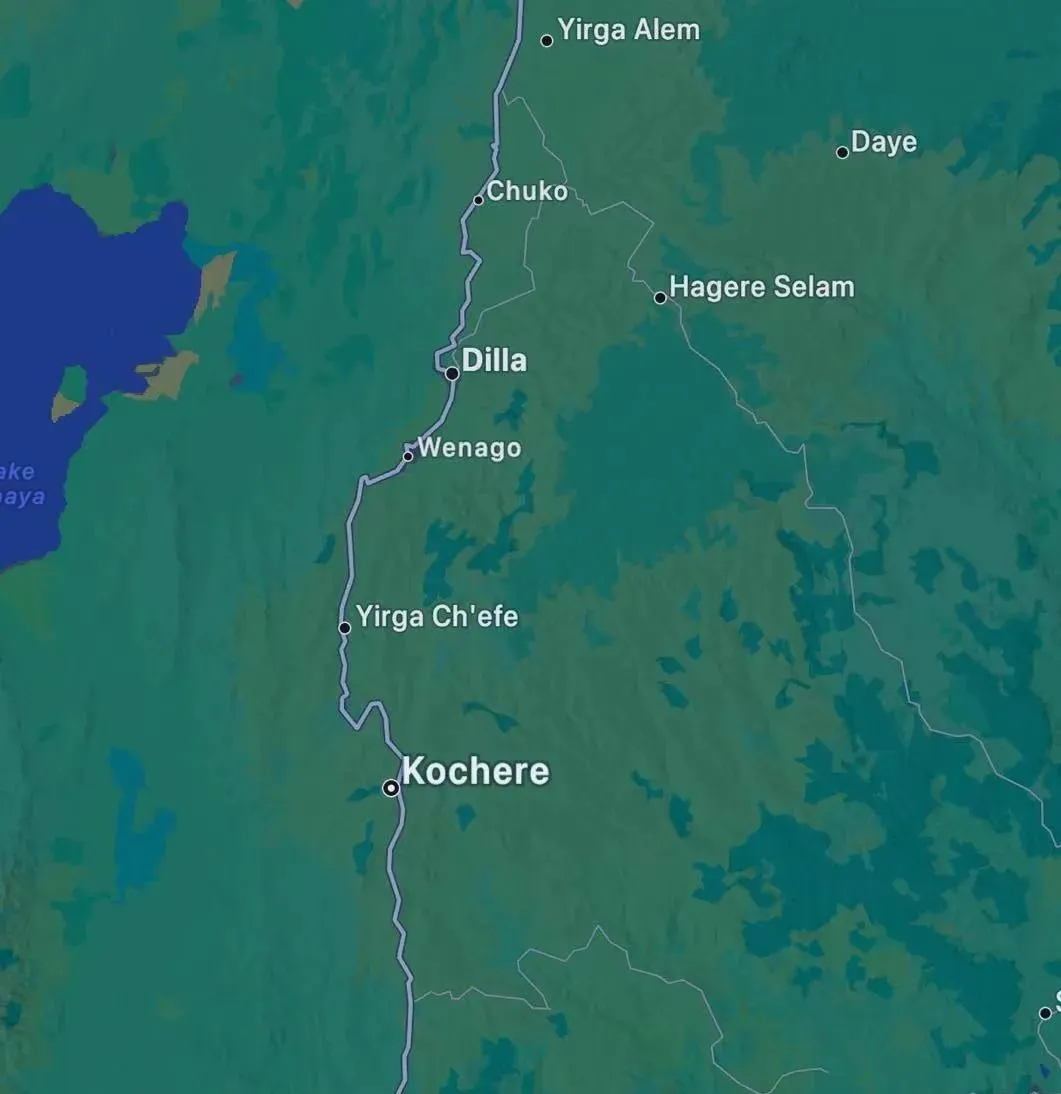
Yirgacheffe was originally a small town located in the Sidama province administrative region. This town has been a wetland since ancient times—in the local language, "Yirga" means "to settle down," and "Cheffe" means "wetland." Yirgacheffe is one of the highest-altitude coffee-growing regions in the world and is synonymous with Ethiopian specialty coffee. At an altitude of 1,700 to 2,100 meters, it is cool and foggy year-round, like spring in all four seasons. This terrain and unique cultivation system provide ideal conditions for growing specialty coffee.
Strictly speaking, Yirgacheffe is a sub-region of Sidamo. This town is located northwest of Sidamo, nestled by mountains and lakes, and is one of the highest-altitude coffee-growing regions in Ethiopia. However, because of its unique flavor, it was separated from Sidamo and became its own distinct region, also becoming one of the most famous growing regions in Africa.
What we often call "Yirgacheffe flavor" refers to intense jasmine floral aromas, lemon or lime acidity, and peach, almond sweetness with tea-like notes. Yirgacheffe coffee is layered and complex, with a delicate body and an alluring taste and sweet finish. The phrase "coffee enters the mouth, a hundred flowers bloom" describes it most aptly, as if flowers awakened a soothing sensation in the taste buds and nasal olfactory cells. Beyond the floral notes, the delicate body is like silk massaging the mouth, a wondrous tactile sensation.
|Introduction to the Yirgacheffe Growing Region
Gedeb is a township located below Kochere town, 60 kilometers from Yirgacheffe town, and is a famous specialty coffee bean growing region in Ethiopia. At an altitude of 1,900 to 2,200 meters, it is considerably higher than the general Yirgacheffe region. The advantage of high altitude makes Gedeb a natural treasure for coffee cultivation and a micro-region that is gradually emerging. Although in the ECX auction market this town is classified under the Kochere growing region, it is at the same administrative level as Kochere town.
In the specialty coffee world, it can be distinguished separately from Kochere as a Yirgacheffe sub-region at the same level as Kochere. This town has villages such as Worka Sakaro, Halo Bariti, Banko Gotiti, and Banko Dahato that produce coffee. Correspondingly, coffees such as Front Street Gotiti Cooperative and Front Street Worka come from these sub-regions.
|About Mandheling
Unlike other coffee beans we are familiar with, Mandheling is neither the name of an Indonesian coffee-growing region nor the name of a coffee people, but the name of an indigenous ethnic group on the island of Sumatra—Mandheling. The reason for "unconventionally" using an ethnic name to name a regional coffee bean is that the unique muted character of Mandheling coffee was first appreciated by the Japanese, who then introduced it back to their country. If Indonesian Sumatra coffee were used directly, the Japanese translation would be very long and awkward.
To help Japanese consumers better remember this coffee bean and to make people associate the bean with the Indonesian island of Sumatra, the pronunciation of the local indigenous ethnic group's name was borrowed. Mandheling coffee beans thus became the top choice for Japanese consumers' coffee tastes. As its fame grew, Mandheling coffee beans also became one of the most widely known coffee beans in Asia.
So, if Mandheling is not the name of a coffee bean variety, what exactly is it? According to the officially recognized definition, Mandheling coffee specifically refers to Arabica coffee beans grown on the Indonesian island of Sumatra, and its greatest characteristic comes from the region's unique wet-hulling method.
|Introduction to the Wet-Hulling Method
Since Dutch colonists introduced coffee to Indonesia for cultivation in 1699, coffee has become the main cash crop for local farmers. Using the traditional natural processing method takes too much time, making it difficult to sell to traders promptly for profit; sun-drying and washing require at least 2 to 3 weeks of drying time. Most critically, the islands of Indonesia often experience wind and rain, with high air humidity, so the green coffee beans would mold and spoil before even drying.
The steps before wet-hulling are the same as the washed method. Indonesians first remove the pulp from the coffee fruit, then ferment it in water for 3 hours, wash off the mucilage, and briefly dry the parchment-covered green coffee beans for 2 to 3 days. When the moisture content is 20% to 24% and the beans are in a semi-soft, semi-hard state, the parchment is removed from the hulled beans, and drying continues until the coffee's moisture content drops to 13%, at which point it can be bagged.
Because the hulling machine uses relatively high friction to tear open the parchment layer tightly attached to the green beans, the friction and agitation also make the green beans more prone to being crushed or squeezed, especially at both ends, forming small gaps that create "goat hoof" beans. The "naked beans" with the parchment layer removed dry very quickly, and at the same time are directly exposed to the humid environment, developing certain types of bacteria. This gives Indonesian coffee its unique woody, spicy, and herbal character—what we call "Mandheling flavor."
|Brewing Yirgacheffe and Mandheling
For Yirgacheffe beans, Front Street's roasters often use a light roast to present its floral and fruity character, so the beans are smaller and harder in texture. For brewing parameters, the same approach is used: high water temperature and fine granulated sugar-like grind, combined with a three-stage pouring technique for extraction.
Recommended brewing method: Pour-over
Dripper: Hario V60
Water temperature: 92°C
Coffee dose: 15 grams
Coffee-to-water ratio: 1:15
Grind size: Medium-fine (80% passing through Chinese standard No. 20 sieve)
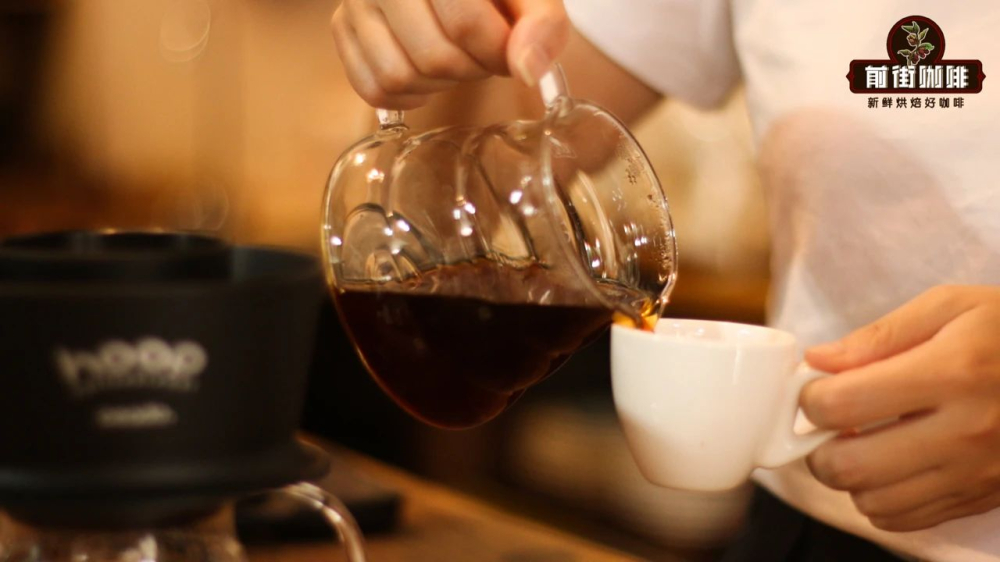
Brewing technique: Staged extraction. Use 30 grams of water for a 30-second bloom, then pour in a slow circular stream until reaching 120 grams for the first stage. When the water level drops and is about to expose the coffee bed, continue pouring until 225 grams and stop. When the water level drops and is about to expose the coffee bed again, remove the dripper. (Timing starts at the beginning of the bloom.) Total extraction time is 1'50".
The Front Street washed Yirgacheffe coffee brewed this way offers a fresh, elegant floral aroma, clear sweetness, and a slightly astringent finish before it even enters the mouth—like unfermented green tea.
Conversely, to highlight Mandheling coffee's deep, muted aroma and solid, rich body, the baristas roast Front Street Golden Mandheling coffee beans to a medium-dark roast level. The beans' texture becomes relatively porous, and the dissolution rate of substances within is higher. Therefore, Front Street recommends using a medium-coarse grind and relatively lower water temperature for brewing Front Street Golden Mandheling coffee.
Front Street brewing parameters for Front Street Golden Mandheling coffee: freshly roasted coffee beans, water temperature: 88°C, coffee dose: 15 grams, coffee-to-water ratio: 1:15, grind size: medium-coarse (70% passing through No. 20 sieve).
Front Street generally uses a three-stage pour with a 1:15 coffee-to-water ratio. For 1–2 servings, use 15 grams of coffee, meaning a total water amount of 225 grams. In the first stage, gently pour 30 grams of water for the bloom, with a bloom time of 30 seconds. In the second stage, pour to about 125 grams of water, evenly and steadily circling outward. Then wait for the coffee liquid to drop; when it has dropped by half, pour the final stage of water to 225 grams. After all the coffee has dripped through, the total extraction time is generally about 2 minutes.
The pour-over Front Street Sumatra Mandheling coffee has a solid, full-bodied richness upon entry, and after swallowing, you can feel a caramel-like sweetness and finish.
The above content is compiled by CoffeeHunters, a coffee news website.


