







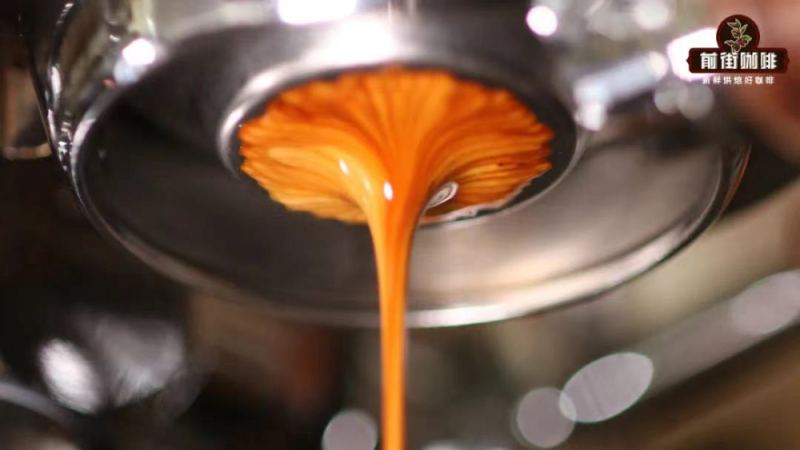
What is espresso coffee and where did the caffe machine begin?
Espresso is a coffee system built around one core drink: a small, highly concentrated shot pulled under pressure in tens of seconds. It began in Italy during the industrial age, when steam-driven machines were used to make a quick, strong cup during short breaks. From that base, Americano, latte, cappuccino, and mocha were added as milk, foam, water, and chocolate spread worldwide.
The early caffe machine relied on steam pressure, and modern espresso production is far more refined, with blends used for stability. A well-pulled shot should be intense and rich but clean in the mouth, bitter without being burnt, and with a clear sweet aftertaste. The cappuccino origin of name and other milk drinks all trace back to this same concentrated base.
Espresso is an entire coffee system built around Espresso. It was born in Italy during the industrial age, using pressurized extraction to obtain a small but extremely concentrated amount of coffee liquid within tens of seconds. As it spread around the world, people added milk, milk foam, water, chocolate, and more according to local tastes, extending it into classic products such as Americano, Latte, Cappuccino, and Mocha. This article will start from the definition, origin, and flavor evaluation, introduce four espresso blend beans from Front Street Coffee, and explain one by one the methods and characteristics of four common types of espresso coffee, helping you systematically understand espresso.
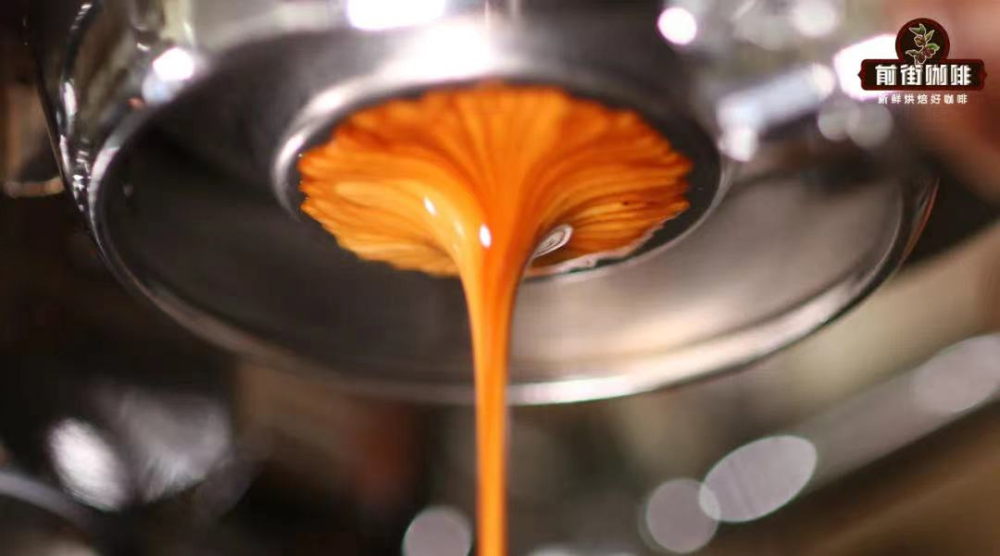
So-called espresso coffee, at its core, refers to Espresso. According to the Oxford Dictionary, it is a highly concentrated coffee extracted under pressure, belonging to a category of coffee with a very strong flavor impact.
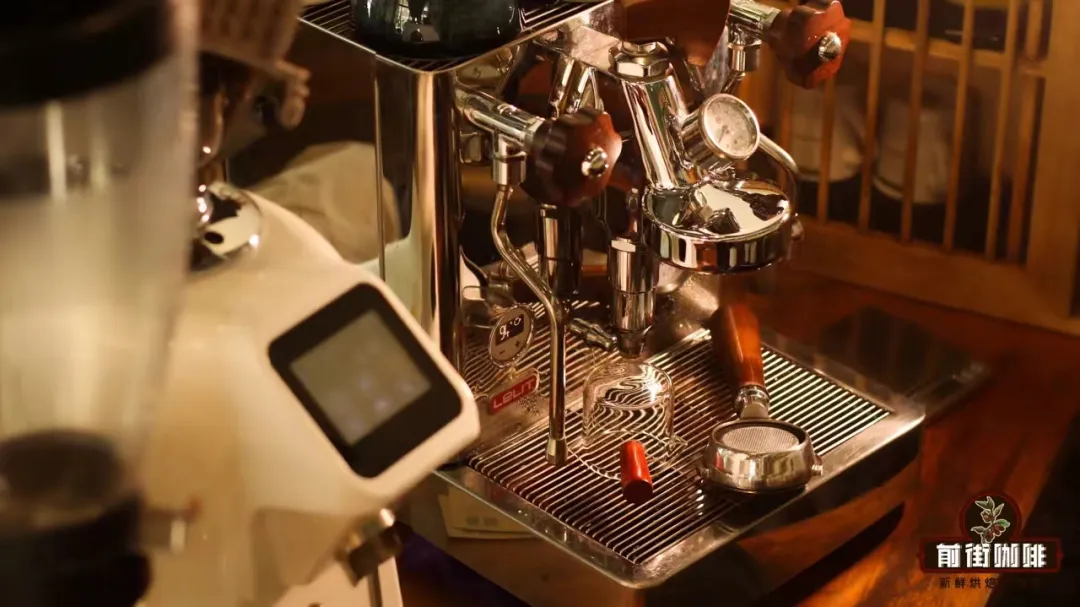
Espresso was born in Italy as it entered the industrial age. At that time, people wanted to quickly drink a cup of coffee that could refresh them during a very short break, so someone used the pressure generated by steam to create a pressurized coffee machine, which could produce a small but very concentrated coffee liquid in just tens of seconds.
Because of its outstanding concentration, after Espresso spread globally, drinkers in different places added different ingredients according to their own taste preferences, gradually evolving many world-famous espresso coffees, such as Americano, Latte, Cappuccino, Mocha, and so on.
Compared with when it was first invented, the production of espresso coffee today has become much more refined, and the quality of the coffee beans used for espresso has also continued to improve, so many coffee shops' Espresso is left with only bitterness. Front Street Coffee's view is that a good cup of Espresso should be intense and rich, but clean in mouthfeel, bitter without being burnt, and with obvious sweet aftertaste.
Front Street Coffee stores use blend coffee beans in daily production to extract Espresso, because compared with single-origin coffee beans, blend beans can better keep the taste and quality of each cup of Espresso stable. Centered on the taste needs of mass consumers, Front Street Coffee has also launched four blend coffee beans specially used for making espresso coffee.
"Front Street Coffee Specialty Blend Coffee Beans" is composed of Brazilian Arabica and Colombian Arabica. The Espresso presents black cocoa, roasted nuts, and a caramel-like finish, with a mellow mouthfeel and strong sweet aftertaste.
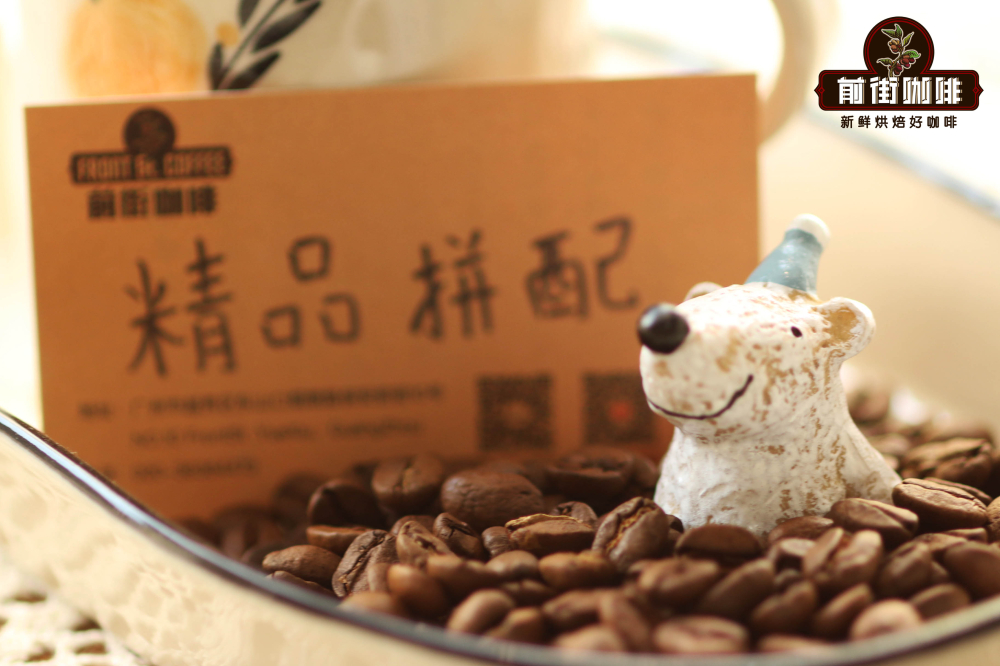
"Front Street Coffee Commercial Blend Coffee Beans" is composed of Brazilian Arabica, Colombian Arabica, and Vietnamese Robusta. The Espresso presents cocoa and nutty notes, with a mellow and intense mouthfeel and strong sweet aftertaste.
"Front Street Coffee Espresso Coffee Beans Recommended by Many Baristas - Front Street Black Cocoa Blend Coffee Beans" is composed of Yunnan Arabica and Brazilian Arabica. The Espresso has slight fruit acidity and notes of dark chocolate and nuts, with a rich and slightly sour mouthfeel.
"Front Street Coffee Warm Sun Blend Coffee Beans" is composed of Ethiopian sun-dried Yirgacheffe and Honduras Sherry. The Espresso presents fermented wine aroma, berries, vanilla cream, and nutty caramel, with a rich and smooth mouthfeel and highly recognizable flavor.

Because of its rich and intense taste, Espresso is very suitable as the base for various coffee products. Combined with different proportions of milk, milk foam, water, and so on, it can make a wide variety of espresso coffees.
1. Caffe Latte
Latte means milk in Italian. If you walk into an Italian coffee bar and tell the barista you want to order a "Latte," the other person will probably look very confused, then hand you a cup of milk. In Italy, if you want to drink a coffee latte, you must say "Caffe Latte" to get the cup of latte coffee you want.
When Front Street Coffee baristas make a latte, they usually use a double Espresso (40g) as the base, then add 200 milliliters of hot milk or iced milk steamed into smooth milk foam, so that it blends evenly.
2. Cappuccino
Compared with a latte, cappuccino's milk foam is thicker and denser. Its appearance is very much like an Italian Franciscan friar: a dark brown outer garment topped with a pure white hood. The Italian word Cappuccino refers to the Franciscan friars, and cappuccino is named for this reason.
In order to highlight the characteristics of cappuccino, Front Street Coffee baristas usually only make hot cappuccino, because this makes it easier to taste the rich coffee flavor. The method is not complicated: first use a double Espresso (40g), add 150 milliliters of hot milk, and when steaming it, let it carry about 3cm of dense milk foam. When you take the first sip, it is all the rich mouthfeel of mellow coffee crema combined with fluffy foam.
3. Mocha
Originally, Mocha referred to a port in Yemen. Coffee beans exported from there to surrounding countries and regions carried a rich chocolate flavor, so Mocha coffee was once broadly used to refer to a special coffee bean variety with chocolate aroma. Later, after the port was demolished, in order to drink coffee with the same flavor, Europeans came up with the idea of adding chocolate sauce or cocoa powder to milk coffee, and it gradually became the espresso mocha coffee we are familiar with today.
When Front Street Coffee baristas make an espresso mocha, they usually use a double Espresso (40g) plus 20–30g of chocolate sauce or cocoa powder, stir it evenly, then use 200 milliliters of fresh milk to steam smooth milk foam, and control the temperature at 50–60°C. Finally, combine it with the chocolate Espresso base, pour a pattern you like, and a cup of rich and fragrant mocha coffee is complete.
4. Americano
During World War II, American soldiers came to Italy and were not used to drinking the coffee made by Italian espresso machines, so they added a large amount of hot water to the Espresso to dilute the taste.
This practice surprised Italians quite a bit, so they called this American way of drinking it "Americano," which means "American" in Italian. When Americans heard this slightly mocking name, they not only did not mind, but were rather pleased, so the name Americano spread, specifically referring to the drinking method of diluting Espresso with hot water.
In fact, Americano has no hard-and-fast rules for the amount and temperature of water, and it can be adjusted according to your own preference for strength. After many experiments, Front Street Coffee baristas developed a ratio of 1:6: pour 40 grams of double Espresso into 180 grams of 80°C hot water, and hot Americano is complete. If you like a refreshing and thirst-quenching iced Americano, simply replace the hot water with 90 grams of ice cubes plus 150 grams of room-temperature water, and finally pour double Espresso over it in the same way.
The above content is compiled by CoffeeHunters, a coffee news website.


