







How does the Honduras coffee beans process shape flavor?
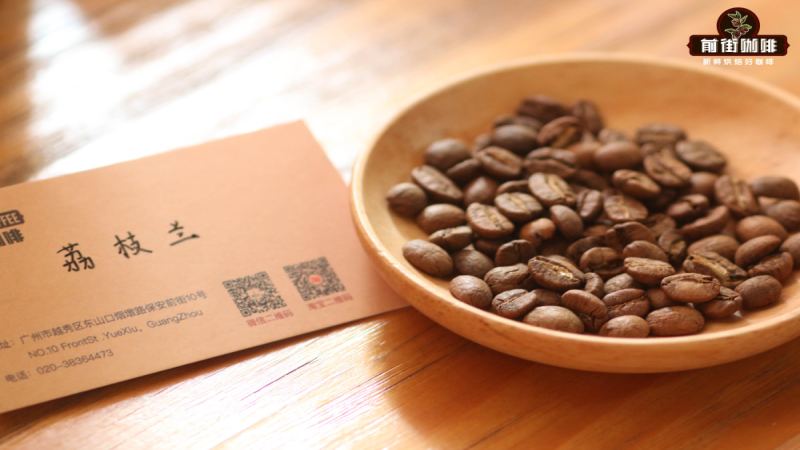
The Honduras Lychee Orchid bean from Moka Estate in Masaguara combines fine washing with brandy barrel fermentation, a process that layers floral, berry, lychee, brandy and dark chocolate notes into the cup. Grown at 1500 to 1700 meters from Caturra and Catuai varieties, it shows how a coffee beans process can define aroma and body before roasting even begins.
Two roasting curves were compared through cupping and pour-over brewing to track how heat develops those layers. The barrel fermentation stage adds the winey character, while careful washing keeps the floral top notes intact. The estate sits among Honduras coffee farms in a mild tropical climate with steady rainfall, conditions that support dense, sweet cherries for specialty lots.
Located in Central America, Honduras has become an important origin for specialty coffee thanks to its mild tropical climate and abundant rainfall. This article focuses on the Honduras Moka Estate Lychee Orchid coffee beans launched by Front Street Coffee, providing a detailed introduction to the terroir conditions of its origin, Masaguara, the characteristics of the Caturra and Catuai varieties, and the unique processing method combining fine washing with brandy barrel fermentation. By comparing the cupping and pour-over performances of two roasting curves, it deeply analyzes the layered changes of this bean among floral aromas, berries, lychee, brandy notes, and dark chocolate flavors, offering coffee enthusiasts a complete reference for roasting and brewing.
For professional coffee knowledge exchange and more coffee bean information, please follow Coffee Workshop (WeChat public account: cafe_style)
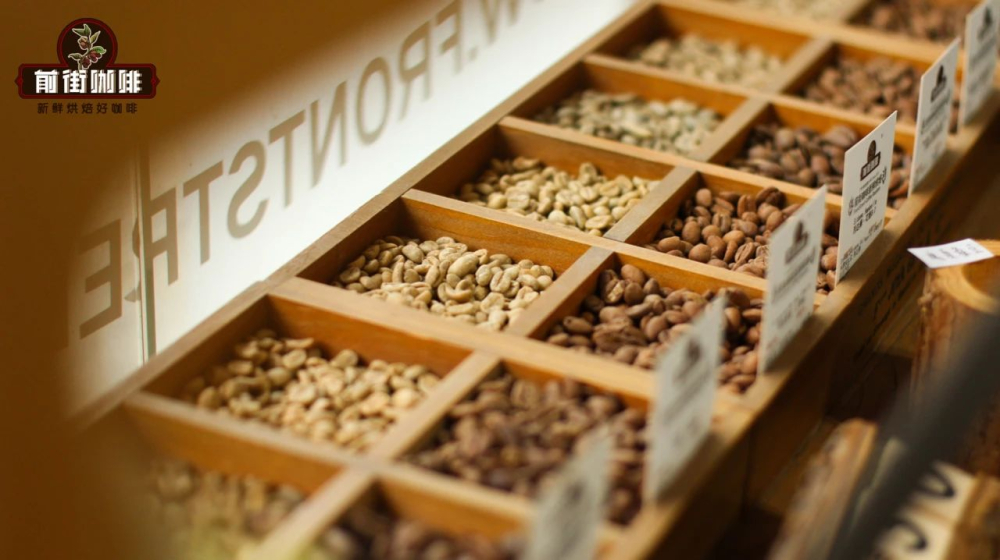
The coffee beans provided by Front Street Coffee are divided into three major coffee-producing regions: the Asian region, the Latin American region, and the African region. Whether at the online Taobao store or the Guangzhou physical store, various types of coffee beans can be seen on display. Today, Front Street Coffee mainly introduces this Honduras Lychee Orchid coffee bean from the Latin American coffee-producing region, which has a surprising winey flavor and a rich nutty chocolate mouthfeel.
Front Street Coffee specializes in freshly roasted coffee beans. A cup of pour-over coffee in the store costs 30 yuan, and you can also directly buy freshly roasted coffee beans. Front Street Coffee's packaging is uniformly one pound, which ensures it can be just finished within the bean's suitable flavor period. Some customers request grinding, and Front Street Coffee will grind according to the customer's purpose (pour-over or espresso), but it is recommended to finish it as soon as possible, as ground coffee beans lose their flavor very quickly.
Front Street Coffee (FrontStreet Coffee): Honduras Moka Estate Lychee Orchid Coffee Beans
Country: Honduras
Origin: Masaguara
Estate: Moka Estate
Altitude: 1500-1700m
Variety: Caturra, Catuai
Processing Method: Fine Washing + Brandy Barrel Fermentation
Honduras Coffee Beans
Honduras is located in northern Central America, bordered by the Caribbean Sea to the north, the Gulf of Fonseca of the Pacific Ocean to the south, Nicaragua and El Salvador to the east and south, and Guatemala to the west. It is mostly mountainous and plateau terrain, with a tropical climate, mild temperatures, and abundant rainfall, making it an ideal place for coffee cultivation.
Honduras has 280,000 hectares of coffee plantations, mainly small coffee farms, most of which are less than 3.5 hectares. These coffee plantations account for 60% of Honduras's total coffee bean production. Honduras has made many improvements and upgrades in processing technology and transportation capacity, and has also achieved remarkable development in the coffee market over the past 20 years. In the coffee plantations, because the growing areas are mountainous, people pick coffee beans by hand and then carefully process them to produce higher-quality coffee beans. Honduras harvests three million bags of coffee each year, mostly specialty coffee beans, and has now become one of the world's top ten coffee exporting countries.
Honduras Coffee-Producing Regions There are mainly 6 coffee-producing regions in Honduras: Copen, El Paraiso, Comayagua, Opalaca, Montecillos, and Agalta. The average growing altitude of Honduran coffee beans is 1000-1600m, and the main cultivated varieties include Bourbon, Caturra, Typica, Catuai, and Pacas.
Honduras Coffee Beans The beans are relatively large in size, uniform in size, and even and glossy in color. For ease of harvesting, farmers prune coffee trees to no more than 150 cm, because if they grow too tall, ladders must be used for picking, which is not only time-consuming but may also damage the tree by bending branches. Since each coffee cherry ripens at a different time, maintaining good coffee bean quality requires manual picking, and then selecting the ripe red cherries from them. For coffee cherries on the same branch, picking often takes several weeks to completely finish. Honduran coffee beans are characterized by a rich and full-bodied mouthfeel, with a taste that is neither astringent nor sour, and both body and aroma are high, making them quite distinctive. By adjusting different roasting levels for Honduran coffee beans, Front Street Coffee can bring out multi-layered flavors.
Masaguara
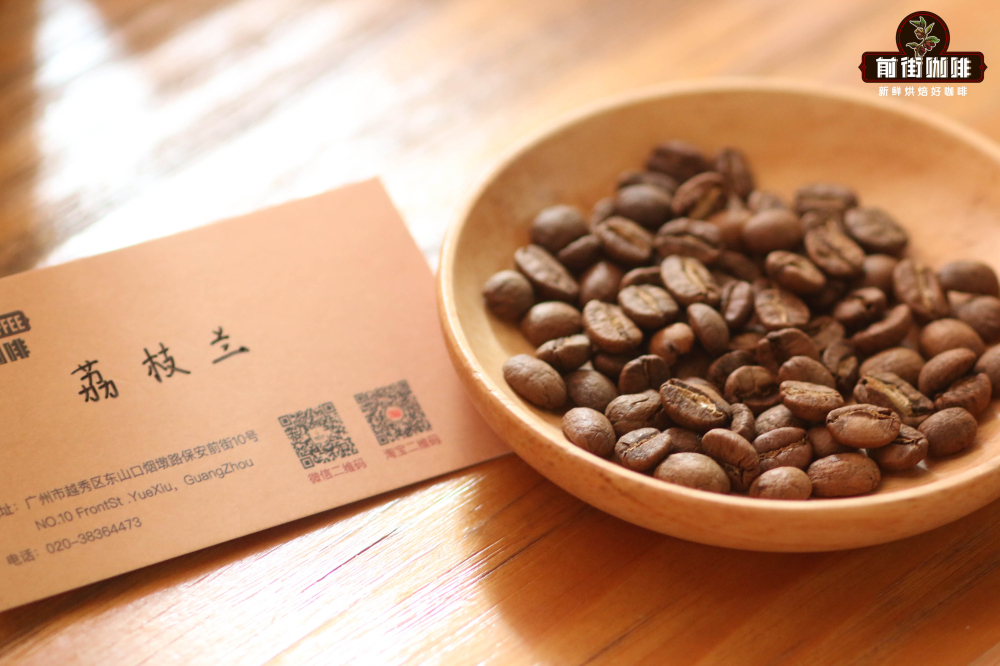
Lychee Orchid coffee beans come from Masaguara, a municipality in the Intibuca department of Honduras, located in the southern part of the Jesus de Otoro Valley, surrounded by mountains and hills. It is mainly dedicated to coffee growers and is the main engine of the local economy, while the areas corresponding to the valley are devoted to growing basic grains and livestock. Origin of its name: according to Mr. Alberto Membre, the indigenous place name Masaguara means "place with deer."
Honduras Coffee Bean Varieties
Caturra is a natural mutation of Bourbon, discovered in Brazil in 1937. Its tree is shorter and smaller than Bourbon. Because it inherits Bourbon's lineage, its disease resistance is relatively weak, but its yield is higher than Bourbon's. Although it was discovered in Brazil, Caturra is not suitable for growing in Brazil, so it was not planted on a large scale there. Instead, it became widely popular in Central and South America, such as in Colombia, Costa Rica, Nicaragua, and Honduras. For Caturra, the higher the growing altitude, the higher the quality, but the corresponding yield is also lower.
During roasting, Front Street Coffee can clearly feel that when adjusted to a light roast, Caturra's acidity and aroma are obvious and the overall profile is bright. With proper handling, the sweetness can perform very well, but the body is relatively lower compared with Bourbon, and the cleanliness of the mouthfeel is somewhat lacking. Caturra is usually a red berry, but there are also very rare areas with yellow Caturra, such as a very small amount of yellow Caturra grown in Hawaii.
Catuai is a coffee variety artificially crossbred from Caturra and Mundo Novo. Catuai has relatively good resistance to natural disasters, especially wind and rain. The Catuai tree is relatively short. Compared with other coffee trees, Catuai's fruit grows more firmly and is not easy to pick. The fruit can be either red or yellow.
Honduras Coffee Beans Processing Method
The barrel fermentation method draws on winemaking techniques. Its greatest influence on wine lies in the fact that wine, through moderate oxidation, stabilizes its structure and integrates the aroma of the barrel into the wine. It plays a similar role in the coffee fermentation process.
The barrel allows a very small amount of air to pass through the barrel wall and penetrate into the barrel, causing the coffee beans to undergo moderate oxidation. The entry of an appropriate amount of oxygen also accelerates the coffee's fermentation, softens the tannic acid, and at the same time allows the fresh fruit aroma to gradually develop into a rich and varied mature wine aroma. The moderate hardness of the barrel ensures good waterproofness and storage safety. In addition, the barrel contains a certain amount of tannic acid. When the green coffee beans are stored, the tannic acid in the barrel also penetrates into the green beans inside, giving the coffee layers and a rich wine aroma.
For this Lychee Orchid coffee bean processed with fine washing and brandy barrel fermentation, the freshly picked coffee cherries are first finely washed, then placed in brandy oak barrels for low-temperature fermentation for 30-40 days (at about 15-20°C), allowing the green coffee beans to absorb the flavor of the barrel, and finally shade-dried.
Beans processed through brandy barrel fermentation have a soft sweetness of lychee and honey, while also combining the winey aroma of brandy and the aroma of oak barrels.
Roasting Suggestions
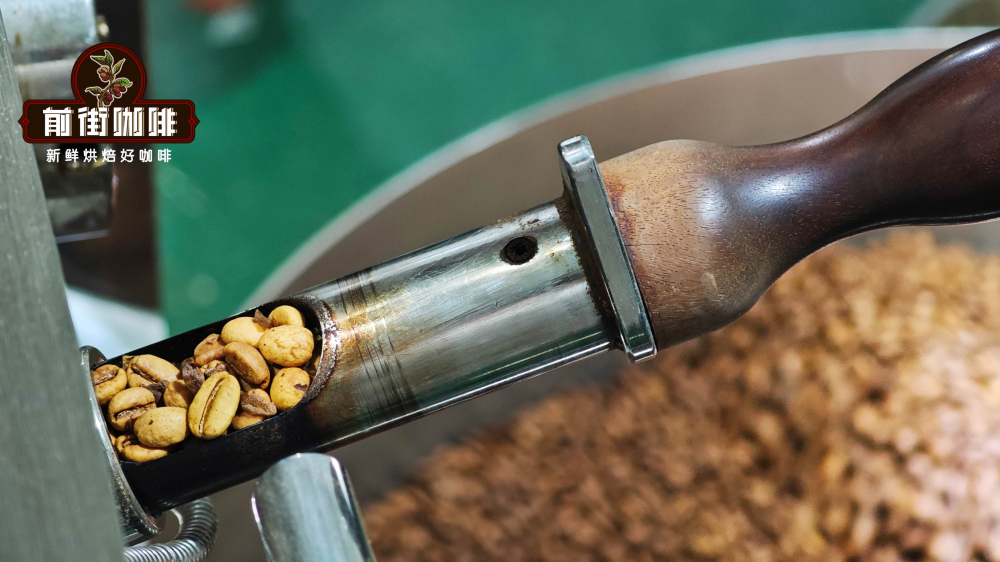
This Honduran coffee bean from Front Street Coffee smells distinctly creamy. In order to show the personality of this bean, the Front Street Coffee roaster roasted two curves for comparison.
[Curve One] Charge temperature: 220°C, turning point: 6'30", 151.6°C, first crack: 9'53", 183°C, development after first crack 1'40", discharged at 196°C.
[Curve Two] Charge temperature: 220°C, turning point: 5'50", 152.6°C, first crack: 9'15", 183°C, development after first crack 2'10", discharged at 195°C.
Cupping Flavor
[Curve One] Flavor: floral, berries, dark chocolate, honey, lychee. In terms of mouthfeel, the berry acidity is obvious, and as the temperature changes, there is a faint wine aroma when slurping.
[Curve Two] Flavor: cream, dark chocolate, honey, lychee, brandy. In terms of mouthfeel, it is relatively full-bodied, with obvious sweetness, and as the temperature changes, the winey note is obvious when slurping.
Brewing Flavor
The brewing parameters used by Front Street Coffee are: Hario V60 dripper, 90°C water temperature, 1:15 coffee-to-water ratio, grind size (fine granulated sugar: 80% passing through China standard No. 20 sieve).
Brewing method: staged extraction. Use 30 grams of water for a 30-second bloom, then pour in a small stream in circles until 125 grams for the stage. When the water level drops and is about to expose the coffee bed, continue pouring until 225 grams and stop. When the water level drops and is about to expose the coffee bed, remove the dripper. (Timing starts at the beginning of the bloom.) The extraction time is 2'00".
When brewing these two curves, Front Street Coffee tries to keep the parameters and technique as consistent as possible.
[Curve One] On the palate: berries, flowers, honey. As the temperature changes, brandy notes and creamy flavors gradually appear. In terms of mouthfeel, the berry acidity is clearly noticeable when hot, but there is a green or unripe sensation.
[Curve Two] On the palate: lychee, brandy, dark chocolate, cream. As the temperature changes, the winey note and dark chocolate become obvious, the mouthfeel is full-bodied, and the sweetness in the aftertaste is clear.
Comparing the two curves of Front Street Coffee's Honduras Lychee Orchid coffee beans, although [Curve One] has decent sweetness and berry aroma, with a berry acidity on the palate, its cleanliness is slightly poorer and it has an astringent sensation. The aftertaste is insufficient. Although it has flavor, the fruit acidity is obvious when drinking, and the wine aroma of this bean is not fully highlighted, proving that this bean is not suitable for light roasting or fast roasting.
[Curve Two], however, performs better than [Curve One] in terms of winey note and sweetness. The flavors are distinct, the mouthfeel is thick and smooth, and from entry to aftertaste the wine aroma and dark chocolate flavors are obvious, with some honeyed sweetness as well.
Because the flavors shown by [Curve One] lean more toward fruit acidity and carry a green or unripe sensation, the bean's flavors were not fully expressed. Therefore, the Front Street Coffee roaster extended the development time in [Curve Two] to develop more flavors, making this bean's overall performance more balanced.
For more specialty coffee beans, please add the private WeChat of Front Street Coffee (FrontStreet Coffee), WeChat ID: kaixinguoguo0925
The above content is compiled by CoffeeHunters, a coffee news website.


