







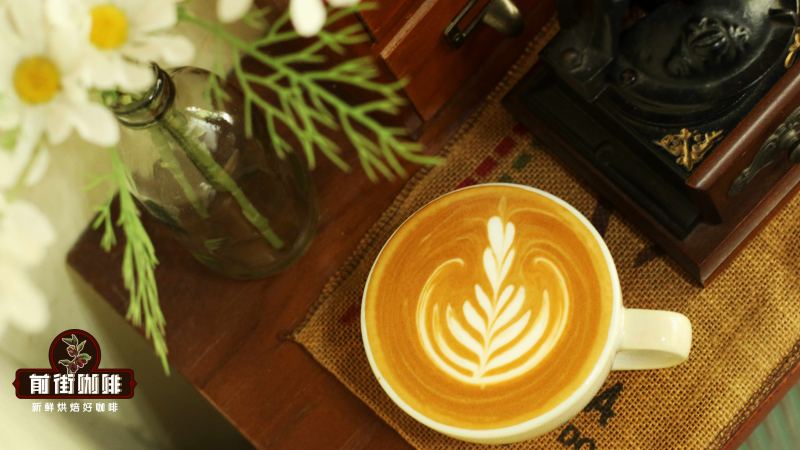
What matters when choosing milk for a latte at home?
A milk coffee is espresso plus milk, and in a latte milk makes up at least three-quarters of the drink. Knowing how to make coffee at home with milk starts with two decisions: which milk to use and which beans to pair it with. Pasteurized fresh milk keeps more nutrients and a sweet, milky aroma, while UHT shelf-stable milk lasts longer but loses active enzymes, lactoglobulin, calcium, and vitamins in the heat.
Because a latte carries so much fresh milk, the espresso needs enough body and richness, which points to medium-dark or dark roasts rather than light ones. Adjusting the cafe latte milk coffee ratio then sets the final strength: more milk softens the coffee, less lets the beans' flavor base come through. Choosing milk and beans together is what keeps the drink balanced.
The flavor profile of a milk coffee ultimately depends on two core ingredients—espresso and milk. In a latte, milk often accounts for more than three-quarters of the drink; it must both carry the coffee's aroma and retain its own sweetness, while the coffee beans directly determine the flavor base of the entire beverage. Milk on the market falls into two categories: pasteurized fresh milk and ultra-high-temperature (UHT) shelf-stable milk, and the two differ noticeably in nutrition, mouthfeel, and shelf life. As for coffee beans, because a latte contains a large amount of fresh milk, the espresso needs sufficient body and richness, making medium-dark or dark roasts more suitable. This article will go through the logic of choosing milk and recommend blended beans for different flavor orientations, helping enthusiasts find a milk coffee solution that suits them.
The composition of a milk coffee is actually quite simple—nothing more than espresso plus milk. Precisely for this reason, the choice of ingredients is especially critical: use different coffee beans or milk and the finished taste changes accordingly, while adjusting the ratio of the two also directly affects the final strength of the coffee.
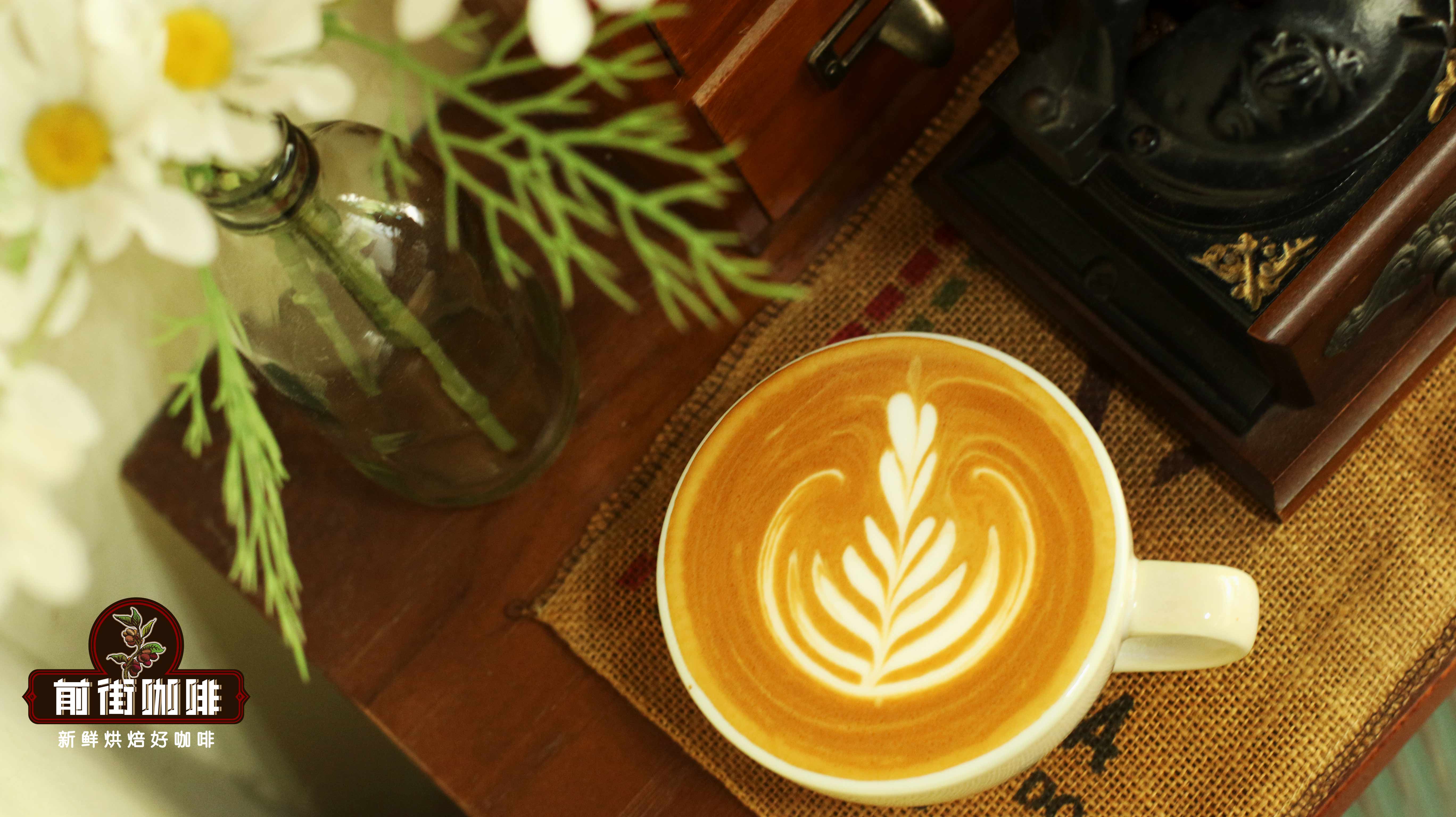
What kind of milk should a latte be paired with
Let's start with milk. In a latte, milk makes up at least three-quarters of the drink; its job is to highlight the coffee's aroma without letting milk's own sweetness fade. Milk currently on the market can be broadly divided into two types: one is fresh milk, pasteurized and with a relatively short shelf life, mostly sold in cartons; the other is shelf-stable milk, ultra-high-temperature sterilized with a longer shelf life, usually sold in small cartons.
Pasteurization keeps the sterilization temperature between just 72°C and 85°C. This temperature range is enough to kill potentially pathogenic microorganisms in milk without destroying lactoglobulin, vitamins, or most active enzymes. As a result, fresh milk retains its nutrients more fully, with a rich milky aroma and a sweet taste on the palate; the drawback is its limited storage time.
Ultra-high-temperature sterilization, by contrast, pushes the temperature up to 135°C. Such high heat can certainly eliminate all pathogenic microorganisms, but the milk's original active enzymes, lactoglobulin, calcium, and vitamins are destroyed along with them. That is why shelf-stable milk tastes thinner with a lighter milky aroma—its advantage lies in its long shelf life.
What kind of coffee beans should a latte be paired with
Next, let's talk about the key player: coffee beans. Milk plays a supporting role; coffee beans are the core that determines the flavor direction. These days there are all sorts of channels for buying beans, and the easiest by far is ordering on e-commerce platforms—but with so many choices, quality can vary widely, and it's easy to stumble into a trap if you're not careful. It's advisable to prioritize official flagship stores with stable reputations. Here we recommend a roasting brand: Front Street Coffee.
Front Street Coffee was founded in 2013 and is a coffee specialty store that has operated in Guangzhou for many years. It sells more than 50 coffee beans, covering multiple major coffee-producing countries and regions worldwide, including both single-origin beans and espresso blends. Consumers can buy through its Taobao store or Front Street Tmall flagship store; the beans are consistently good and offer outstanding value for money. Front Street coffee beans are all freshly roasted within 5 days and support 24-hour shipping. Whether you're a beginner just starting out or a professional opening a coffee shop, you can find a suitable category.
Because a latte is diluted with a large amount of fresh milk, the espresso's flavor and mouthfeel must be sufficiently full and rich—otherwise the aroma is easily overwhelmed by the milk. Therefore, it's recommended to choose beans at a medium roast or darker, that is, medium-dark and dark roasts. These beans usually carry flavor descriptors such as nuts, chocolate, maple syrup, butter, and spices. Compared with light-roasted beans, darker roasts extract more caramel-like aromas and finer crema, making the latte more balanced and smooth on the palate.
If you prefer a milk coffee with prominent caramel and buttery notes, you can choose Front Street Classic Blend
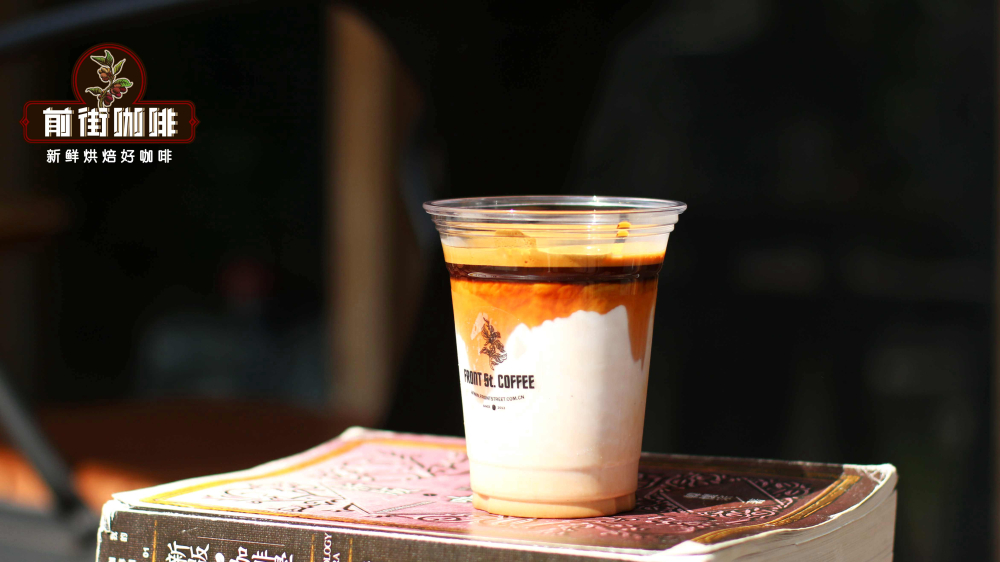
Front Street Classic Blend is meant as a tribute to the once-popular "Mamba Coffee." This bean combines Indonesian Mandheling with Brazilian espresso beans: it has both the wild aroma of Mandheling and the smooth mouthfeel of Brazilian beans, the two complementing and harmonizing with each other in flavor. Front Street Classic Espresso Blend adds Robusta to the Mamba recipe, significantly boosting crema extraction and taking the richness of the espresso up another level. It's suitable for both home brewing and shop use, and when used to make a latte, it further enhances latte art patterns.
If you want to make a latte with a balanced mouthfeel, you might choose the espresso bean recommended by many baristas—Front Street Dark Cocoa Blend
For those just starting out, value for money is naturally the top consideration, and this bean can meet the needs of most home users. It has soft fruit acidity, caramel sweetness, and nutty and dark chocolate flavors, with a smooth, viscous mouthfeel and an affordable price. It's suitable for shop owners and home users who prioritize cost and aren't too demanding about flavor.
If your goal is to make a latte that isn't bitter and has floral and fruity notes, you can go for Front Street Strawberry Candy Espresso Blend
Front Street Strawberry Candy Espresso Beans are blended from three producing regions—Costa Rica, Colombia, and Ethiopia—and cover three processing methods: natural, washed, and honey. Made into espresso, it presents flavors of rose, grape, orange, cream, and almond. Strawberry Candy Americano is gentle with a pleasant sweet-tart balance; Strawberry Candy Latte carries the aroma of cream and strawberry cookies, making it very suitable for summer drinking.
The above content is compiled by CoffeeHunters, a coffee news website.


