







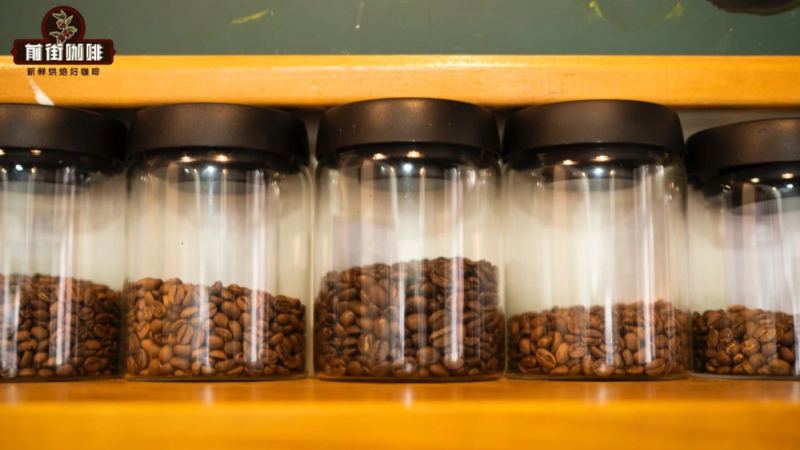
What Separates Blending Coffee From Single-Origin Beans?
Single-origin beans come from one origin, which can be a specific estate, a cooperative, or several estates within the same producing region. Blended coffee mixes beans from different regions or countries for a set purpose. Single origins emphasize traceability back to a farm, while blends pursue balance and consistency.
Before blending, the goal has to be clear: each component plays a role, and bean selection plus ratio control decide the result. Recipes may combine a base for body with beans that add acidity or aroma. Common directions include rich and chocolatey profiles, brighter fruit-forward blends, and commercial blends built for milk drinks.
Coffee beans on the market can be broadly divided into two main camps: single-origin and blended. The former emphasizes pure traceability to a single origin, while the latter pursues balance and consistency of flavor through combining multiple origins. This article starts with definitions, sorting out the essential differences between single-origin beans and blend beans, then expands into the goals that need to be clarified before blending, the roles each bean type plays, and the principles of bean selection and ratio control to follow. At the same time, by combining four classic blends from FrontStreet Coffee—Sunflower Warm Sun, Specialty Blend, Commercial Blend, and Black Cocoa Blend—it explains each blend's formula composition, flavor direction, and suitable scenarios, helping coffee enthusiasts understand the logic behind blending and providing a reference for purchasing espresso beans.
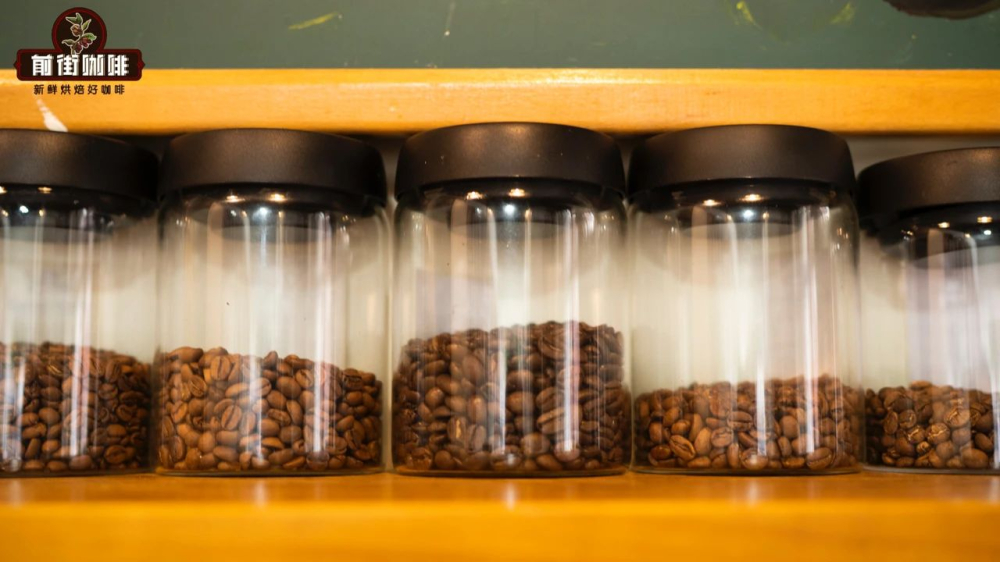
The Core Differences Between Pour-Over Single-Origin Coffee Beans and Blended Coffee Beans
Before diving into the discussion, FrontStreet Coffee first needs to clarify what exactly is meant by blend beans in this article. Since we are comparing them with single-origin beans, it is necessary to first define the concept of single-origin beans—they refer to coffee beans from a single origin (which can be a specific estate, cooperative, or multiple estates or cooperatives within the same producing region). In contrast, blend beans are coffee beans from different regions, or even different countries, mixed together for a specific purpose, never randomly thrown together.
The most prominent attribute of single-origin beans is traceability, which can be traced all the way back to a specific estate or even a particular coffee farmer. This traceability mechanism, in turn, helps producing regions improve their cultivation standards, thereby yielding higher-quality coffee. Therefore, single-origin coffees commonly found on the market often establish themselves as specialty coffee (this is the result of natural selection and market screening). Generally speaking, the more specific the origin information, the easier it is to observe coffee quality, and thereby screen out superior lots for the consumer end.
Blend beans (blends) have existed for a long time. As early as when espresso became popular, blending was already highly regarded. Early popular espresso was based on a rich, bittersweet profile, while single-origin coffees often had pronounced flavors with both strengths and weaknesses present at the same time; moreover, high-quality single-origin beans were expensive, which gave rise to an idea: retain the strengths of a certain bean and use beans from other regions to compensate for its shortcomings, ultimately achieving a cup of coffee with better balance.
At the roasting level, pour-over single-origin coffee beans usually have different roast levels chosen based on the flavor characteristics of the origin. For example, FrontStreet Coffee uses a medium-light roast for Ethiopian beans to highlight floral notes and the fruity acidity of citrus and berries; while for Indonesian Mandheling, it uses a medium-dark roast to emphasize nutty, chocolate, and caramel notes along with a rich, full body.
Before starting to blend, there are several things that need to be clarified first:
1. Clarify the blending theme, that is, what kind of coffee flavor you hope to achieve in the final blend. Set the goal first.
2. Understand the characteristics of each coffee bean. To blend coffee, you must first be familiar with the characteristics of each single-origin bean and understand the subtle relationship between roast degree and flavor, and all of this can only be achieved through cupping.
3. Determine what task each bean participating in the blend is responsible for. Since multiple beans are mixed together, it is essential to know what each bean is responsible for—whether it is to present a soft bitterness, a bright acidity, or a heavy body.
When blending, the following principles are usually followed:
1. The raw beans used for blending should each have their own characteristics; avoid selecting beans with similar flavors. When choosing raw beans, three dimensions can be considered:
Green bean processing method: that is, whether a washed or dry method is used. The processing method is closely related to coffee flavor.
Green bean origin: Coffee origins are roughly divided into three major regions, including Central and South America, namely about 20 countries such as Brazil, Colombia, Guatemala, Mexico, El Salvador, Jamaica, and Peru; Southeast Asia, namely about 10 countries such as India, Indonesia (including islands such as Java and Sumatra), and Papua New Guinea; and Arabia and Africa, namely about 25 countries such as Ethiopia, Kenya, Tanzania, Arabia, and Uganda.
Coffee bean flavor: refers to which of acidity, bitterness, sweetness, or body is more prominent in this bean, or whether it is a neutral bean that is relatively balanced in all aspects.
Currently, the most commonly used raw beans are Brazil, Colombia, and Mocha.
2. The types and proportions of beans participating in the blend.
Since it is a blend, it naturally means a combination of two or more raw beans. But there is a special case: you can also blend different roast levels of the same coffee bean together, or even blend new beans with aged beans or old beans of the same bean. Therefore, the types referred to in blending are no longer limited to coffee varieties in the narrow sense, but extend broadly to the level of coffee flavor. Blending generally uses 2 to 6 kinds of coffee beans; too many kinds instead makes it impossible to showcase the unique flavor of the coffee. Blended coffee usually does not use a 1:1 ratio, because in that way the beans easily suppress each other's distinctive flavors, so there needs to be a distinction between primary and secondary in order to create a taste better than single-origin coffee. If you want the final product to have a complex and varied taste, you can reduce the proportion of the main raw bean; otherwise, increase it.
3. Blending coffee depends on repeated experimentation.
Therefore, before blending, a blending plan table should be drawn up using mathematical combinations, and then the optimal formula should be determined through a cyclical process of blending and cupping.
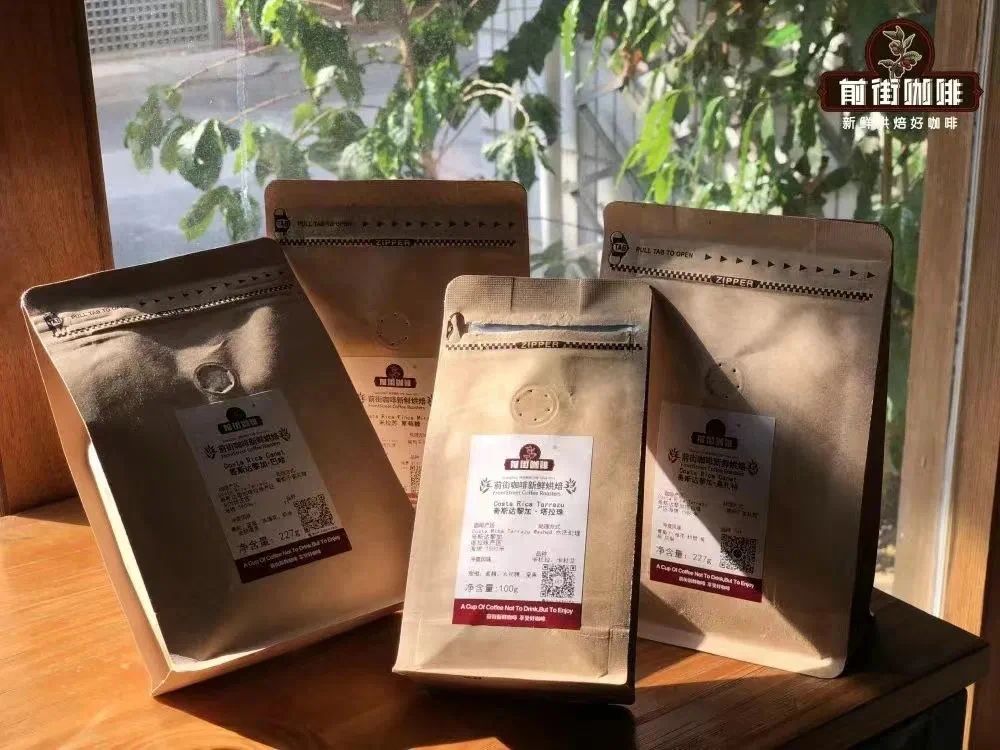
Do not think this is a passive, clumsy method. In fact, only by relying on the blender's experience, inspiration, and this tireless repeated experimentation can a good cup of coffee be blended. FrontStreet's roasters also went through continuous experimentation to create Sunflower Warm Sun Blend, Specialty Blend, Commercial Blend, and the espresso bean recommended by many baristas—FrontStreet Black Cocoa Blend. These blends target different price points and achieve balanced, high-quality blended flavors.
FrontStreet Coffee's Sunflower Warm Sun Blend is made by blending Yirgacheffe natural Red Cherry and Honduras Sherry. FrontStreet's design for this blend bean is that it can be used for both espresso and pour-over. Using this Warm Sun Blend to make espresso, it smells of obvious fermented wine aroma; on the palate, the acidity of citrus and berries immediately emerges, accompanied by whiskey-like aroma, with a finish of dark chocolate. If brewed by pour-over instead, the flavor is not as rich as when making espresso. After brewing, there is fermented wine aroma and a hint of citrus aroma. When hot, only the obvious wine aroma and dark chocolate finish are present. After the temperature drops, the acidity of citrus and berries becomes slightly more apparent. Overall it is clean and refreshing, without a vanilla-cream-like mouthfeel.

FrontStreet Coffee's Specialty Blend is made by blending Brazil and Colombia. It has a comfortable bittersweet taste and an extremely smooth entry, with a faint roasted grassy aroma. In its fresh aroma there is a slight bitterness, and it is sweet and smooth on the palate, with a pleasant aftertaste. Coffee beans from Colombia's Huila region have a pleasant acidity, an aromatic smell, moderate acidity, and rich sweetness that is very intriguing; coffee beans from Brazil's Cerrado region have a comfortable bittersweet taste and an extremely smooth entry. This Specialty Blend coffee is suitable for all kinds of specialty coffee shops.
FrontStreet Coffee's Commercial Blend uses Brazil and Colombia plus 10% Robusta. The taste is classic. This blend brings rich crema and mouthfeel, with caramel sweetness, nutty and cocoa-like, dark chocolate flavors, balanced acidity and sweetness, a slight bitterness, and a lasting finish. Coffee beans from Colombia's Huila region have a pleasant acidity, an aromatic smell, moderate acidity, and rich sweetness that is very intriguing; coffee beans from Brazil's Cerrado region have a comfortable bittersweet taste and an extremely smooth entry; Robusta provides rich crema. This Commercial Blend coffee is suitable for coffee shops and beverage shops of all sizes.
FrontStreet Coffee's espresso bean recommended by many baristas—FrontStreet Black Cocoa Blend—is made by blending Brazil and Yunnan. It has soft fruity acidity, caramel sweetness, nutty and dark chocolate flavors, and is smooth and viscous, but the taste is on the lighter side. Yunnan's natural conditions are very similar to Colombia's: high altitude and a large temperature difference between day and night. Its flavor is of the mellow-aromatic type, with moderate acidity, a rich and full-bodied taste, uniform bean size, high oil content, and fruity aroma. Its quality and mouthfeel are close to Colombian coffee. Coffee beans from Brazil's Cerrado region have a comfortable bittersweet taste and an extremely smooth entry. This espresso bean recommended by many baristas—FrontStreet Black Cocoa Blend coffee beans—is highly cost-effective and suitable for espresso beginners and small coffee shops.
The above content is compiled by CoffeeHunters, a coffee news website.


