







Is hanging coffee a practical daily brewing method?
Hanging coffee, also called drip bag coffee, is ground coffee sealed in a non-woven filter bag with two paper tabs that hook over the cup rim. It belongs to the drip filtration family, so the final flavor comes down to the beans inside. It removes the need for a scale, a gooseneck kettle or precise pouring, but the aroma and layering are more limited than a full pour-over.
The design was inspired by teabags, and the brewing steps stay simple: tear the packet open, suspend the bag on the cup, pour hot water and let it drain. Water temperature and the coffee-to-water ratio still decide the result. Because dozens of single-origin beans can be packed as drip bags, the format offers range as well as speed, and it works with brewing coffee with milk if a milder drink is wanted.
Drip bag coffee, with its portability and ease of use, has become the preferred way for many office workers to enjoy black coffee in their daily routine. It essentially belongs to the drip filtration method, and its flavor performance depends on the quality of the coffee beans used. Compared to pour-over, drip bags eliminate the need for complex equipment and rigorous techniques—all you need is hot water and a cup—though the aroma and layering are relatively limited. This article will explain the origins of drip bag coffee, its pros and cons, the correct brewing steps, and key details such as water temperature and coffee-to-water ratio, as well as introduce Front Street Coffee's recommendations on fresh roasting and drip bag production, helping you enjoy a stable, aromatic cup of coffee even when busy.
For more specialty coffee knowledge, please follow: Front Street Coffee ( Frontsteet Coffee )
Drip bag coffee is made by first grinding coffee beans into powder, then sealing them in filter bags. To drink, tear open the packaging, place the filter bag over the rim of a cup, pour in hot water, and you get a cup of black coffee—saving considerable time for busy office workers.
Brewing coffee with drip bags is more convenient
Drip bag coffee, like the pour-over coffee people drink daily, belongs to the drip filtration method, and the final flavor is determined by the coffee beans chosen. The design of the drip bag was inspired by tea bags with strings—the inventor hoped to use it to simulate the effect of pour-over drip coffee: coffee grounds are pre-placed in a non-woven filter bag, and the paper tabs on both sides of the bag can suspend the coffee packet in the center of the cup. Because these two pieces of paper hook onto both sides of the cup rim like little ears, people habitually call it "drip bag coffee" (ear-hanging coffee).
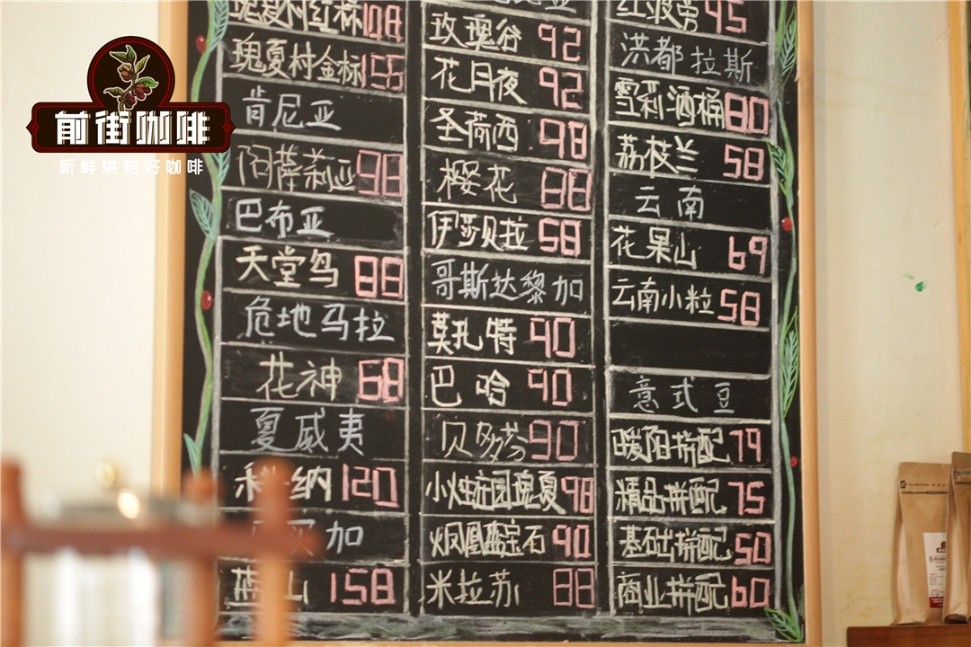
When brewing a drip bag coffee packet, you only need to prepare a pot of hot water and a cup to easily get a cup of aromatic coffee, saving many cumbersome steps. As the specialty coffee industry continues to mature, the variety of coffee beans on the market is becoming increasingly rich—for example, the dozens of coffee beans on Front Street's bean list can all be made into drip bags. Therefore, in addition to convenience, drip bag coffee also offers considerable choice.
Pros and cons of drip bag coffee
Compared to pour-over extraction, drip bags don't require complex tools, and the pouring technique, timing, and ratio don't need to be as strictly controlled as with pour-over—as long as the hot water temperature is high enough and the ratio is appropriate. But precisely because the operation is more "casual," the flavor expression of the coffee is usually not as rich and varied as pour-over. In addition, since drip bags are pre-ground and packed into bags, the aroma is not as full as freshly ground coffee, and if stored for several months, it may even develop some woody notes.
To preserve the coffee's original flavor as much as possible, the coffee powder used in drip bags is usually ground from freshly roasted coffee beans. The coffee beans shipped by Front Street are all freshly roasted within 5 days. If made into drip bag coffee, by the time you receive it, it is generally 4–5 days after roasting—just the right time to start brewing and tasting. Front Street recommends drinking it as soon as possible after receiving it, otherwise long-term storage can easily cause the coffee aroma to fade. If you want to experience the fullest flavor, Front Street recommends buying whole beans and grinding fresh for each brew, for better flavor layering.
How to correctly brew a drip bag coffee packet?
Brewing a drip bag is very simple. Front Street's drip bag coffee packets are made at 10g per packet, capable of brewing about 120–130ml of coffee liquid.
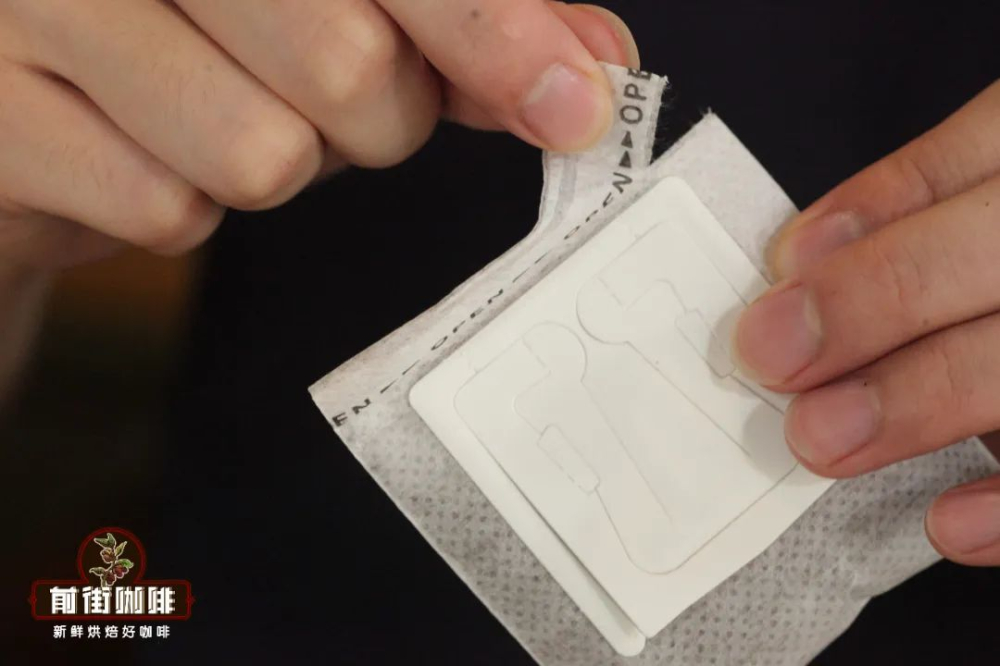
Before brewing, boil water first and prepare a cup or sharing pot that can hold coffee. Tear open the sealed packaging, take out the coffee drip bag, and tear open the non-woven pouch along the dotted line. Then pull open the two ears, unfold the entire drip bag, and hang it on the rim of the cup or sharing pot.
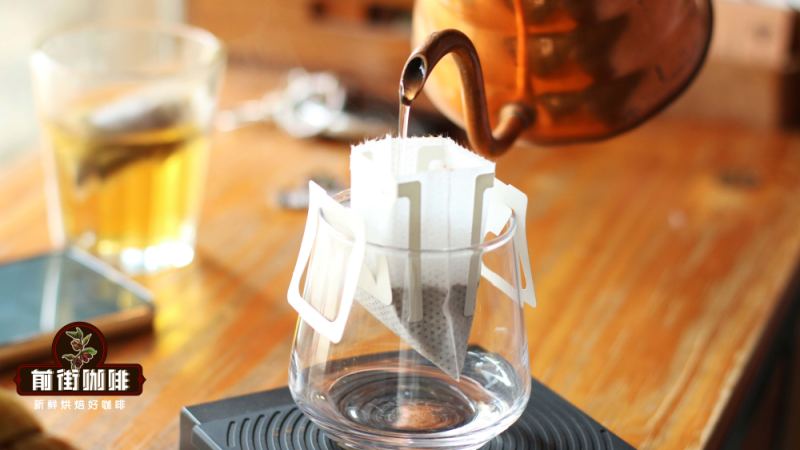
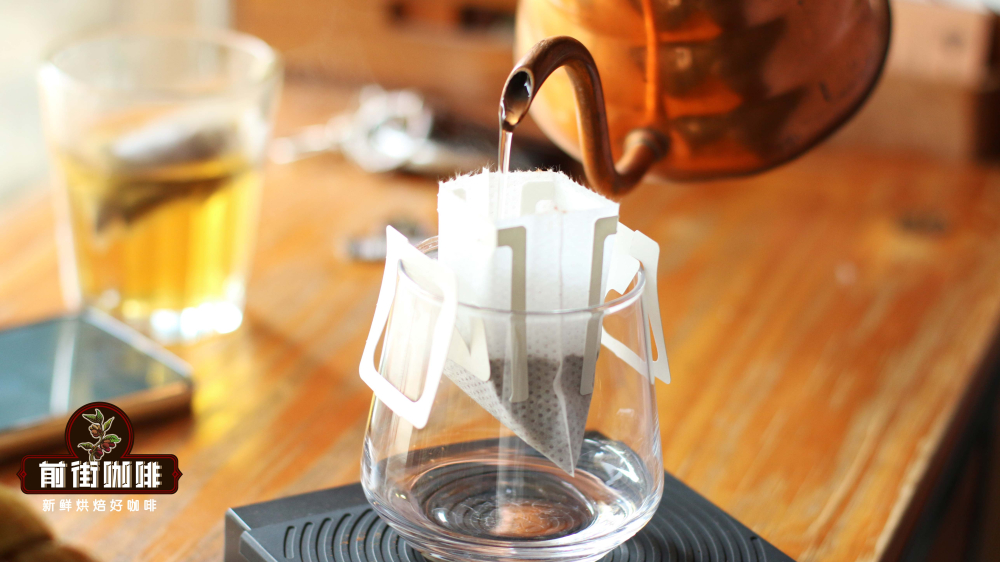
First, pour in a small amount of hot water for the first stage to moisten all the coffee grounds, and let it bloom for about 10–20 seconds to help release the gases in the coffee grounds and make the later extraction more stable. For the second stage, pour steadily with a small stream until the liquid surface is nearly full, then wait for the coffee liquid to descend until it has completely drained. Then pour in the final stage of water until full, with a total water amount of about 150g. Wait for all the coffee liquid to finish dripping, and the extraction is complete.
Before drinking, Front Street gently swirls the coffee liquid to even it out, then drinks it directly to taste the pure flavor of black coffee. You can also add an appropriate amount of sugar or milk to adjust it according to personal preference.
Issues to note when brewing drip bags
First, you need to prepare sufficiently hot water, because only when the water temperature is high enough can more aromatic substances be released from the coffee grounds. When making pour-over coffee, Front Street recommends using a water temperature of 86–93°C; if the temperature is only around 80°C, the brewed coffee tends to be bland and tasteless, while boiling water easily extracts burnt and bitter flavors. Therefore, Front Street lets boiled water sit uncovered at room temperature for 1–2 minutes to let the temperature drop slightly to around 90°C.
In pour-over coffee, the coffee-to-water ratio is very important. If a cup uses a 1:12 coffee-to-water ratio, the coffee tends to be too strong with only bitterness left; at 1:18, there is too much water, making the coffee flat and lacking aroma. Front Street recommends starting with 1:15—10g of coffee grounds correspond to 150g of hot water—for a more balanced flavor and more stable extraction. If you don't have a scale, just find a cup with measurement markings.
After coffee is ground into powder, it needs to come into contact with water to release soluble substances. If the pouring method is too aggressive, it easily causes uneven extraction and flawed flavors. Front Street recommends using a tool that can pour a fine stream, such as a gooseneck kettle, pouring hot water steadily in multiple stages. Proper blooming allows the coffee grounds to release gases, making the later extraction more stable and the flavor better.
The above content is compiled by CoffeeHunters, a coffee news website.


