







What defines Honduran coffee within Central American coffee?
Honduras is the largest coffee producer in Central America and the second-largest global supplier of washed Arabica beans, despite entering the regional market relatively late. Its cups rest on black sugar and caramel sweetness, layered with tropical fruit, berries, apricot and chocolate, at low acidity and pronounced sweetness, a profile that has drawn long-term support from roasters such as Tim Wendelboe.
The country's rise has been rapid: production scale grew quickly and quality stayed consistent enough to hold buyer attention, which is unusual for a producing region that started late. For anyone comparing central american coffee with other origins, Honduran lots read differently from Brazilian coffee, which tends toward nutty and creamy notes. A washed Caturra from Honduras, taken to a medium roast, is a straightforward introduction.
Although Honduras is a latecomer on the Central American coffee map, it has quickly won market favor with its bold and distinct character. As the largest producer in Central America and the second-largest global supplier of washed Arabica beans, its coffee is based on notes of black sugar and caramel, interwoven with layers of tropical fruit, berries, and even apricot and chocolate, with low acidity and pronounced sweetness—even renowned Norwegian coffee figure Tim Wendelboe is a devoted fan. This article will outline the development of Honduran coffee, provide a practical price reference, and recommend beans that offer both flavor and value, among which Front Street Coffee's washed Honduran Caturra is a convenient entry point to the region.
Among the major Central American producing regions, Honduran coffee beans stand out for their particularly bold personality—rich flavor and high recognizability. Its coffee industry started relatively late, yet its growth momentum has been remarkably rapid: considerable production scale, abundant sweetness, obvious fruity aromas, and relatively low acidity, which together have earned it a steady following. Norwegian roasting master Tim Wendelboe is one of the long-term supporters of Honduran beans.
As Front Street Coffee has consistently emphasized, different producing regions naturally yield different flavors in the cup; however, each producing country generally has a few signature characteristics to follow. For example, Brazilian beans often carry nutty and creamy qualities, Ethiopian beans are known for their citrus notes, while Honduran beans lean toward a sweetness woven from black sugar and caramel, with a hint of tropical fruit or berries in the finish. Some also describe its flavor as apricot plus chocolate, which is why a medium roast often brings out its strengths best.
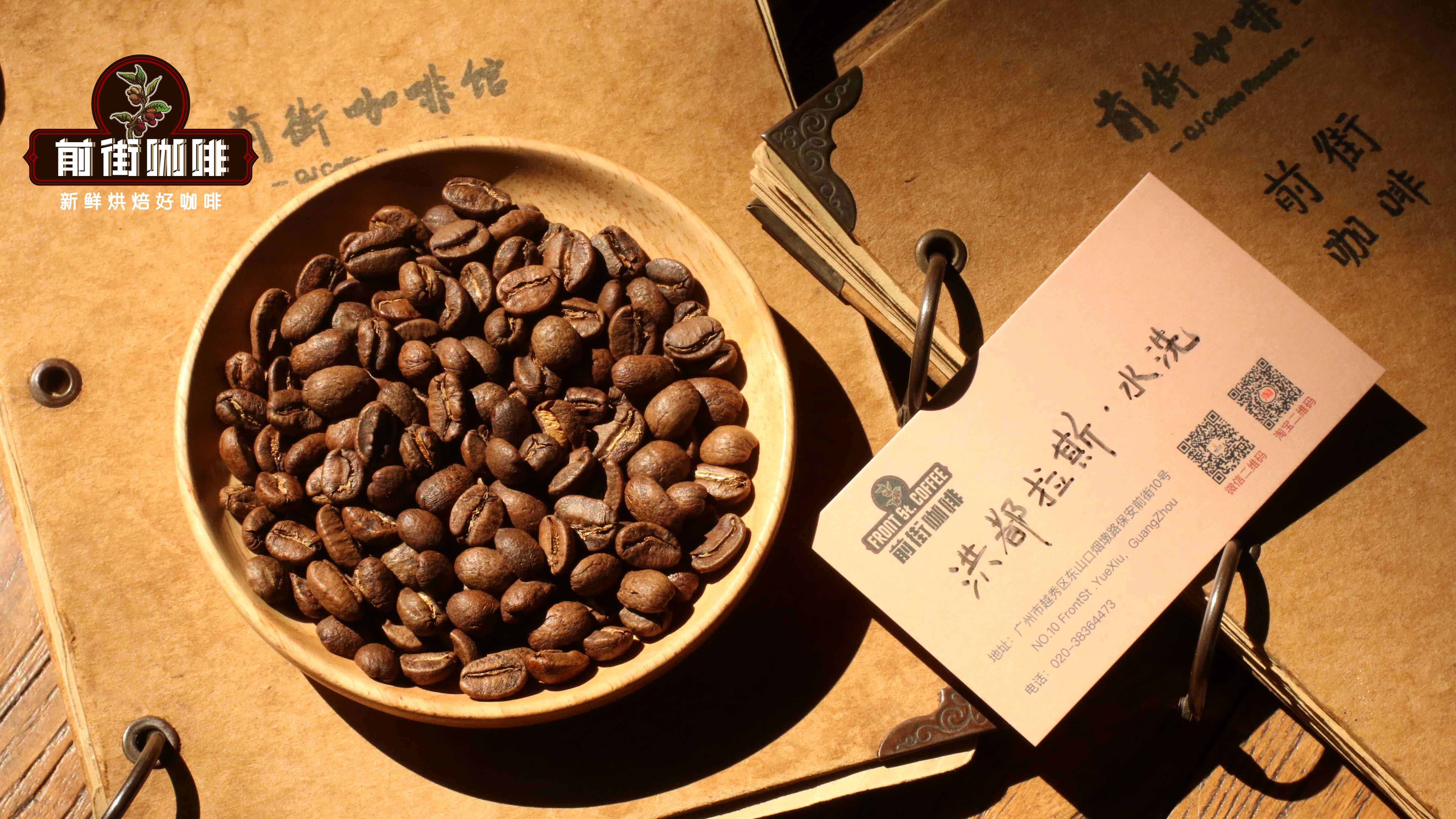
Honduras is not only the largest coffee producer in Central America, but if the statistical scope is limited to washed Arabica beans, it is also the world's second-largest supplier. To quickly build an understanding of the Honduran producing region, one may start with washed Front Street Honduras coffee: using the most common local Caturra variety, after medium roasting, the layers of nuts, brown sugar, chocolate, and berries achieve balance—making it a shortcut to understanding the style of this region.
The above content is compiled by CoffeeHunters, a coffee news website.


