







Where Did the Geisha Coffee Variety Originate?
Geisha coffee originated in the Geisha forest of Ethiopia, where the variety was first identified in 1931. It later traveled to the Kenya Coffee Research Institute, then Uganda and Tanzania in 1936, Costa Rica in 1953 and Panama in 1970. It stayed obscure for decades because of low yields and poor returns.
Panama's Hacienda La Esmeralda separated out the variety in 2003 and won the BOP competition with it in 2004, which is what brought Geisha worldwide attention. Ethiopia's own Gesha Village Estate now grows the variety in its homeland, grading lots as Auction, Gold Label, Red Label and Chaka. Kenya coffee research played an early role in keeping the variety alive.
On the pour-over coffee bean list, Geisha is always a name that cannot be avoided. This variety originated in Ethiopia, yet rose to fame through its discovery at Panama's Hacienda La Esmeralda. Today, Ethiopia's own Gesha Village Coffee Estate has also become a new focus in the specialty coffee circle, thanks to its native germplasm and meticulous grading. From the perspective of Front Street Coffee, this article traces Geisha's migration path from forest to cup, compares Hacienda La Esmeralda's Red, Green, and Blue Label systems with Gesha Village's grading logic of Auction, Gold Label, Red Label, and Chaka lots, and details the flavor profiles of Front Street's currently available Gesha Village Gold Label, Red Label, and Chaka Natural Geisha, offering bean selection guidance for pour-over enthusiasts.
If one were to pick the most talked-about variety in the world of specialty coffee, Geisha would undoubtedly be it. Its genetic roots lie in Ethiopia, but what truly brought it to the global stage was Panama's Hacienda La Esmeralda. As specialty coffee consumption continues to heat up, estates dedicated to growing Geisha have also emerged in its Ethiopian homeland. In this article, Front Street Coffee guides you through Geisha's origin story and flavor characteristics.
The Origins of the Geisha Variety
In 1931, this variety was first identified in the Geisha forest of Ethiopia. It was subsequently sent to the Kenya Coffee Research Institute, then introduced to Uganda and Tanzania in 1936, reached Costa Rica in 1953, and was only brought to Panama in 1970.
According to Front Street's understanding, Geisha went unnoticed for a long time. The reason was its low yield, difficulty of cultivation, and limited economic return—so naturally no one paid attention. It was not until the owner of Panama's Hacienda La Esmeralda and his son discovered that Geisha beans had a flavor significantly different from locally grown Panamanian coffee that the variety was separated out in 2003. In 2004, Hacienda La Esmeralda entered Geisha in the BOP coffee competition and won first place, and Geisha became famous overnight, entering the sight of coffee lovers worldwide, sparking a wave of Geisha planting in Panama.
Geisha from Panama's Hacienda La Esmeralda
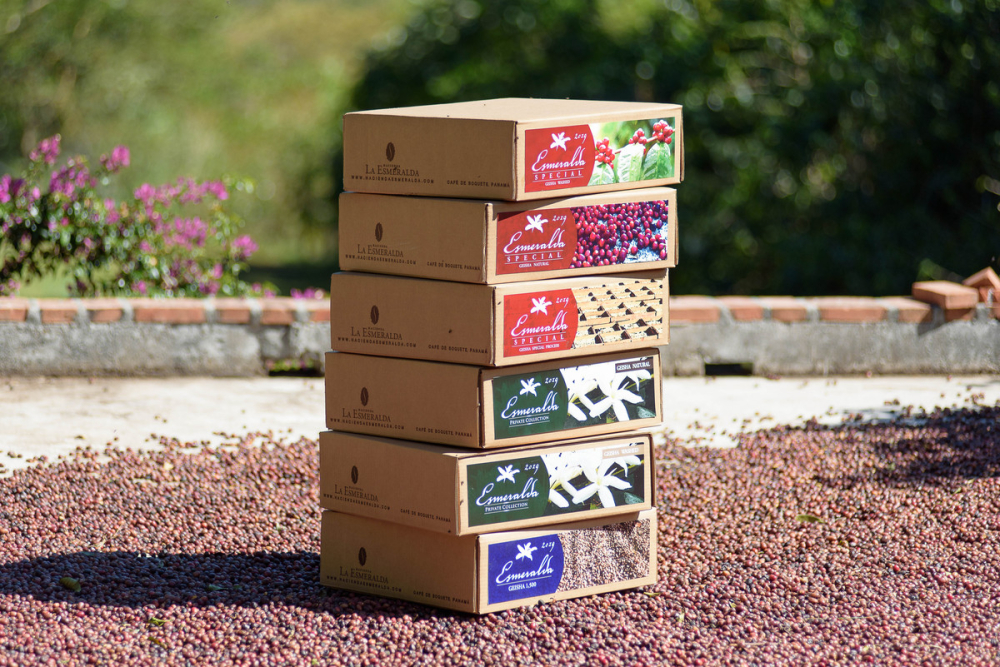
When discussing Geisha, one naturally cannot avoid Hacienda La Esmeralda, which Front Street often regards as Geisha's talent scout. As mentioned earlier, Hacienda La Esmeralda is the promoter of Geisha; the estate owner invested heavily in infrastructure to support strict lot separation and meticulous processing, and divided Geisha grades by plot—these are the Red Label, Green Label, and Blue Label Geishas commonly seen in Front Street Coffee shops.
The Grading Logic of Hacienda La Esmeralda's Red, Green, and Blue Labels
As Front Street Coffee mentioned earlier, Hacienda La Esmeralda has a strict and meticulous classification of its own coffee beans, and its marketing strategy therefore differs from other estates. Based on cupping performance, planted variety, and plot, the estate divides its products into five major brands, of which Geisha occupies three, namely Esmeralda Special (Red Label) and Private Collection (Green Label).
Hacienda La Esmeralda Red Label Geisha
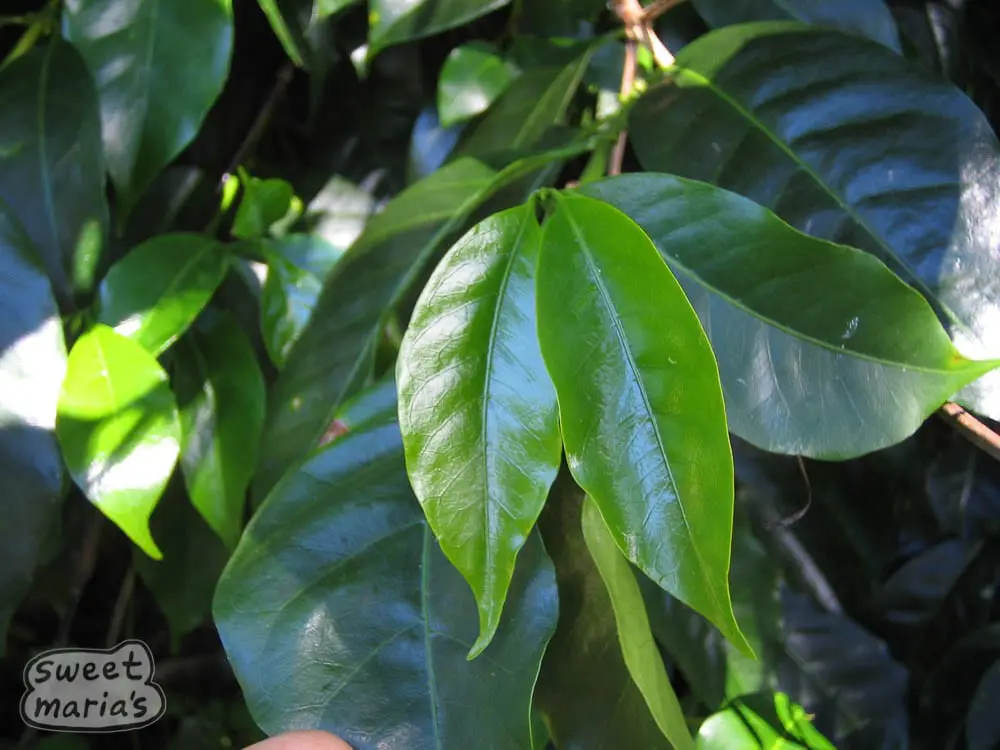
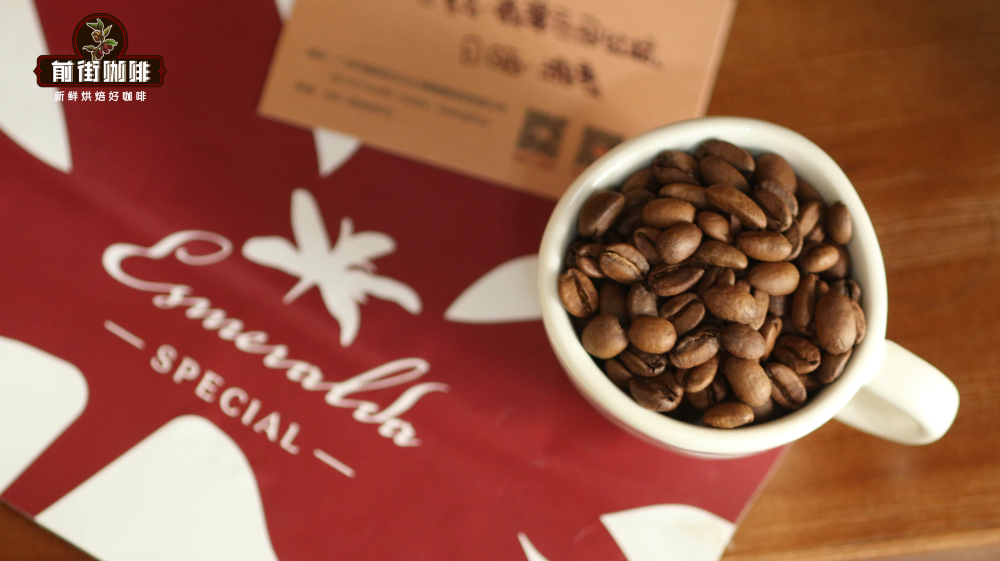
The Geisha from Esmeralda Special is what everyone commonly calls Red Label. It is sourced from Geisha beans from the two sub-estates of Jaramillo and Cañas Verdes, requiring a growing altitude of 1,600 to 1,800 meters and a cupping score of 90 or above.
In addition, it must participate in Hacienda La Esmeralda's own independent auction. Only Geisha lots selected from designated plots and used for auction qualify as Auction Red Label. There is another category on the market, Non-Auction Red Label, which essentially consists of Geisha selected from the same plots but not entered into the auction and flowing to market; the variety and quality are identical, with the difference mainly reflected in price.
Front Street Hacienda La Esmeralda Red Label Geisha Coffee Beans
Country: Panama Region: Boquete (Hacienda La Esmeralda) Altitude: 1700 m Variety: Geisha Processing: Natural Flavor: Citrus, complex fruits, rose tea, honey
Geisha from Gesha Village Coffee Estate
According to Front Street Coffee's understanding, the estate owner's cultivation of Geisha stemmed from a chance encounter. In 2007, documentary filmmaker Adam Overton and his wife, photographer Rachel Samuel, were filming a coffee documentary for the Ethiopian government when they came into contact with the Gera coffee forest in the Bench-Maji region. This experience not only gave them a new understanding of the land but also planted the idea of establishing their own coffee estate and brand.
In 2009, they met Willem Boot, owner of Finca La Mula and BOP judge. Willem Boot's vision of "returning to Ethiopia to find the birthplace of Geisha" provided the couple with an opportunity. In 2011, they returned to Bench-Maji, where several local areas are called Gesha Village and are the most likely places to find native Geisha.
Adam followed Willem Boot on an expedition into the surrounding forests and discovered multiple wild coffee tree species in a jungle wrapped in dense forest (called the Gori Gesha forest), among which the most exciting discovery was native Geisha. They collected seeds from native Geisha trees, selected and planted them in Gesha Village, and decided to establish an estate there, named Gesha Village Coffee Estate.
Gesha Village Coffee Estate is located in the Bench-Maji region of western Ethiopia, surrounded by dense jungle. The scenery is pleasant and the climate comfortable, with views of ancient, vast forests from higher ground. Estate owners Adam and Rachel spent three years searching for a suitable site, guided by locals to the forest of Geisha's native homeland, about a two-day drive from the capital Addis Ababa.
Gesha Village Coffee Estate covers about 471 hectares, with approximately 320 hectares of coffee planting area; the soil is brown-red loam. Planting density is maintained at 7,000 coffee trees per hectare. The plot is named Oma after a person, intended to commemorate a respected and beloved religious leader. Gesha Village's coffee beans have complex flavors and scarce yields and are often selected by international competition baristas. While maintaining the local ecology and good cooperation with residents, the estate also established the Gesha Village Foundation, promoting educational development through two schools near the estate.
Coffee Varieties at Gesha Village
Front Street Coffee also learned that in just over a decade, the estate has planted three Geisha varieties. Among them, Gesha 1931 and Gori Gesha are both named after the expedition teams that discovered the coffee trees, while the other is Illubabor, provided by the Ethiopian Coffee Research Center.
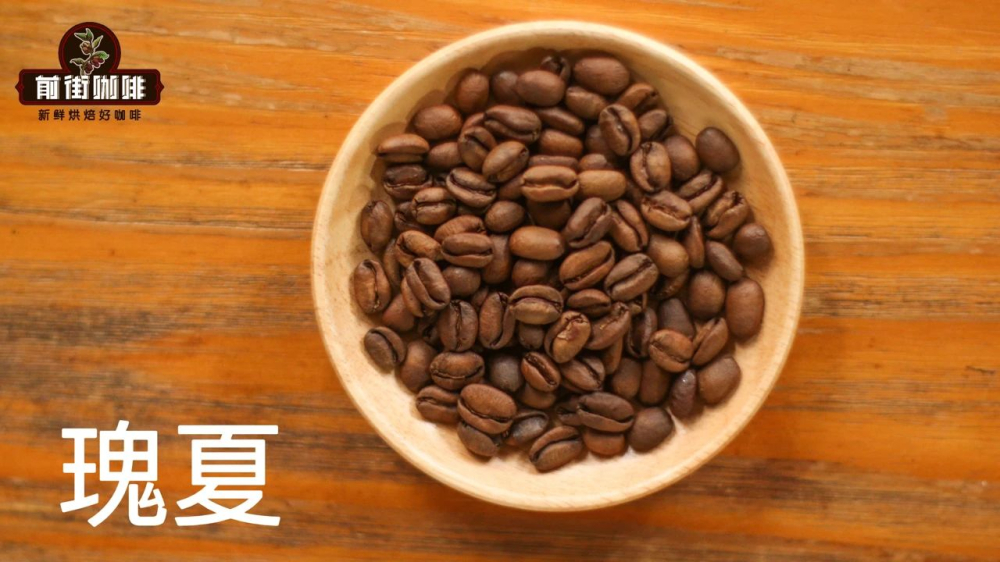
Gesha 1931 is considered by research to be the closest to Panama Geisha, a conclusion confirmed by observing plant morphology, bean shape, size, and cupping. The Gori Gesha native variety was collected by the estate owner during the 2011 expedition from the Gori Gesha wild coffee forest about 20 kilometers from the current Gesha Village Coffee Estate; no duplicate samples have yet been found elsewhere.
Gesha Village's Geisha Grading System
Front Street Coffee also learned that Willem Boot brought the Panamanian business model to Gesha Village, giving rise to the estate's current Geisha grading system—namely the Gesha Village Auction, Gold Label, Red Label, Green Label, and Chaka Geisha coffee beans on Front Street Coffee's menu.
However, this grading standard differs considerably from Panama's Hacienda La Esmeralda. Front Street Coffee shops currently carry Gesha Village Gold Label lots, Red Label lots, and Chaka lots of Geisha. Below, Front Street Coffee briefly explains the grading basis for these tiers of Gesha from Gesha Village Coffee Estate.
Auction Lot: Accounting for only 3.7% of Gesha Village's annual production, it is the estate's top-tier lot after rigorous selection, obtainable only through the 2018 Gesha Village Coffee Estate global auction. The 2018 auction lots scored 88.15 to 92.67 in cupping, further divided into Champion's Reserve and Farm Reserve. For example, Gesha Village 2018 Auction Lot RSV.6 belongs to the auction lot.
Gold Label Lot: Gold Label accounts for only 10% of Gesha Village's annual production, with quality almost on par with auction lots. Competitors around the world often choose this lot; for example, at the 2018 WBC World Championship held in the Netherlands, the Australian and Japanese champions chose Gold Label lots to compete. Roasters with high quality demands also purchase it; the lot has full traceability, outstanding flavor, and high complexity, making it the estate's best grade second only to auction. The Gesha Village Gold Label Front Street acquired this time comes from the Oma 059 lot.
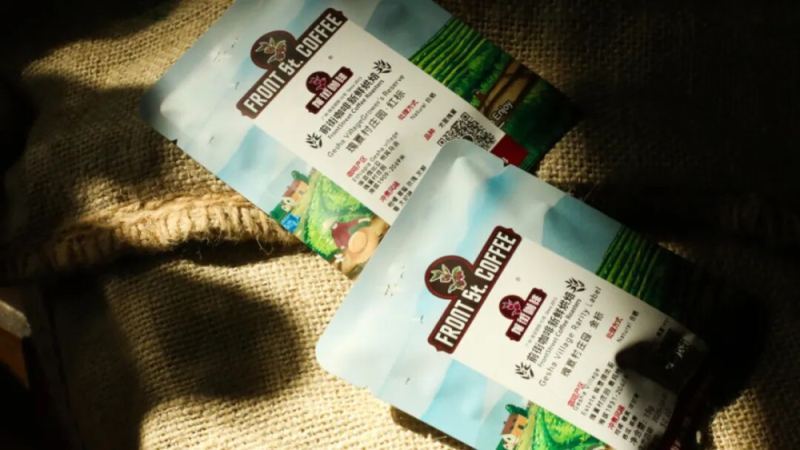
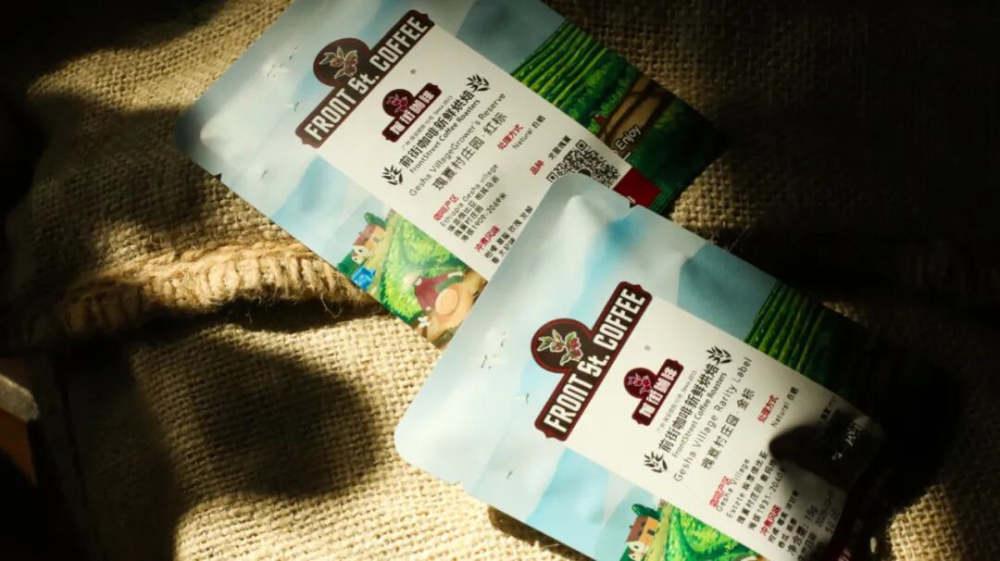
Front Street Gesha Village Coffee Estate Gold Label Geisha Coffee Beans
Region: Ethiopia, Bench-Maji Region Estate: Gesha Village Coffee Estate, Oma Plot Altitude: 1900-2040 m Variety: Gesha 1931 Processing: Natural Flavor: Citrus, lemon, tropical fruits, cream, nuts, tea-like SCA
Red Label Lot: This lot accounts for 15% of Gesha Village Coffee Estate's total production, also with full traceability; the cupping score must reach the 88-point standard under the SCA scoring system and possess typical Gesha Village flavor. Its flavor intensity and complexity are slightly weaker than Gold Label lots, making it a single-origin lot with relatively high value for money.
Front Street Gesha Village Coffee Estate Red Label Geisha Coffee Beans
Region: Ethiopia, Bench-Maji Region Estate: Gesha Village Coffee Estate Altitude: 1909-2069 m Variety: Gori Gesha Processing: Natural Flavor: Coconut, licorice, cream, chocolate, toffee, citrus, almond, strawberry
Chaka Lot: This is a Geisha blend produced by Gesha Village, comprising three varieties: Gori Gesha, Gesha 1931, and Illubabor (a native Ethiopian disease-resistant variety).
Front Street Gesha Village Coffee Estate Chaka Geisha Coffee Beans
Region: Ethiopia, Bench-Maji Region Estate: Gesha Village Coffee Estate Altitude: 1909-2069 m Variety: Gesha 1931, Gori Gesha, Illubabor
Processing: Natural Flavor: Citrus, grapefruit, cream, chocolate caramel
The above content is compiled by CoffeeHunters, a coffee news website.


