







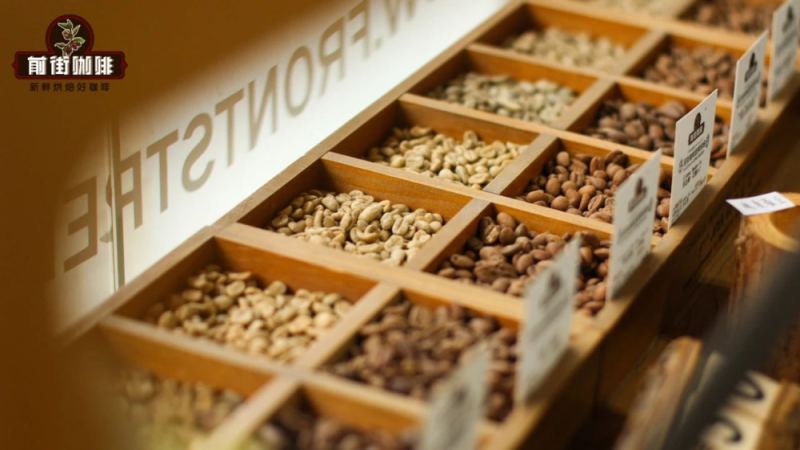
Who Grows Coffee Beans in Yirgacheffe?
In Yirgacheffe, Ethiopia, coffee is grown by smallholder farmers, and the Konga Cooperative collects and processes their cherry. The area sits in the Gedeo Zone at 1,700 to 2,100 meters, a high-altitude belt where heirloom varieties grow in red soil. Konga is known for natural processing, which sets it apart from the region's more common washed lots.
Yirgacheffe was once part of the Sidamo region and later became its own classification because its cup profile is so recognizable. Nearby areas such as Wenago, Kochere, and Gelena Abaya share similar flavors, which is why Kochere often falls under the Yirgacheffe name. Brewing Konga coffee with a V60 at 90°C and a 1:15 ratio brings out jasmine, berry, and citrus notes.
Yirgacheffe is often regarded as the benchmark for washed specialty coffee, but this region also produces stunning natural-process beans. This article focuses on Front Street Konga Coffee, first outlining Yirgacheffe's growing environment and its position in the industry, then delving into the Konga Cooperative's geographical conditions, red soil characteristics, heirloom varieties, and rigorous natural processing methods. It then presents Front Street's brewing approach and specific parameters, including the V60 dripper, 90°C water temperature, 1:15 coffee-to-water ratio, and a staged extraction scheme, along with an explanation of Front Street Coffee's commitment to fresh roasting and bean resting periods. Finally, it summarizes Konga Coffee's jasmine aroma, berry and citrus acidity, and creamy honey sweetness, helping you fully understand this bean's origin logic and in-cup performance.
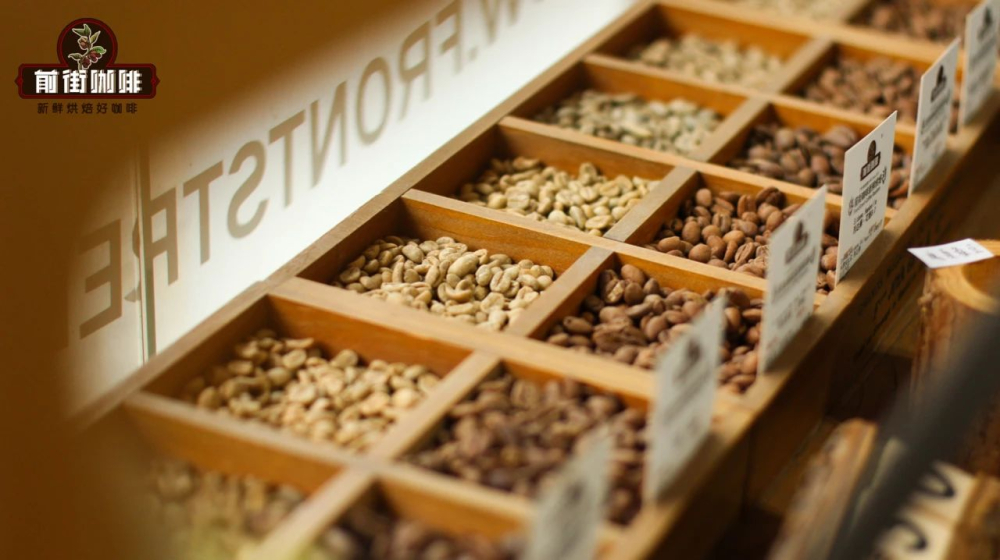
When people talk about Yirgacheffe, many immediately think of Front Street Washed Yirgacheffe. That impression itself isn't wrong, but it can lead to a misunderstanding: does the Yirgacheffe region only produce washed beans? That's not the case. Natural-processed coffees are also produced here, and their flavor profile often surprises and delights. Today, Front Street will introduce the natural-processed representative of the Yirgacheffe region—Front Street Konga Coffee.
Yirgacheffe is located in Ethiopia, the birthplace of coffee, and is a highly representative region in the specialty coffee world—almost a calling card for specialty coffee. Front Street Washed Yirgacheffe is also the first bean through which many people encounter specialty coffee. So why does Yirgacheffe earn such high praise?
Let's start with Yirgacheffe's growing environment.
The region behind Front Street Yirgacheffe Coffee was originally settled by inhabitants who gathered in marshy areas, and the name Yirgacheffe carries the meaning of "leaving the waters and settling on the highlands." It is located in the Gedeo Zone in the south, a small town at an altitude of 1,700–2,100 meters, making it one of the highest coffee-growing regions in the world.
According to Front Street's research, Yirgacheffe was originally classified under the Sidamo region, but because its coffee has such distinctive characteristics and highly recognizable flavor, it was later separated into its own region. Around it are three smaller regions—Wenago, Kochere, and Gelena Abaya—whose coffees have flavors similar to Yirgacheffe, which is why Kochere is also included under the Yirgacheffe regional classification. The entire Yirgacheffe region contains 28 member cooperatives of varying sizes, each typically producing modest volumes. Coffee is mostly grown in household backyards or intercropped with other crops, in a typical smallholder farming model.
The reason each Ethiopian coffee region has a distinct flavor profile is closely tied to its local growing environment. To let enthusiasts taste the differences between Ethiopia's various regions, Front Street has prepared over a dozen Ethiopian single-origin coffees, including five single-origin beans from the Yirgacheffe region alone.
Now let's look at the Konga Cooperative.
The Konga Cooperative is affiliated with The Yirgacheffe Coffee Farmers Cooperatives Union (YCFCU), one of the union's 26 cooperatives, and is located about 5 kilometers south of Yirgacheffe town. The Konga Cooperative was established in 1994 and joined the YCFCU cooperative union in 2002.
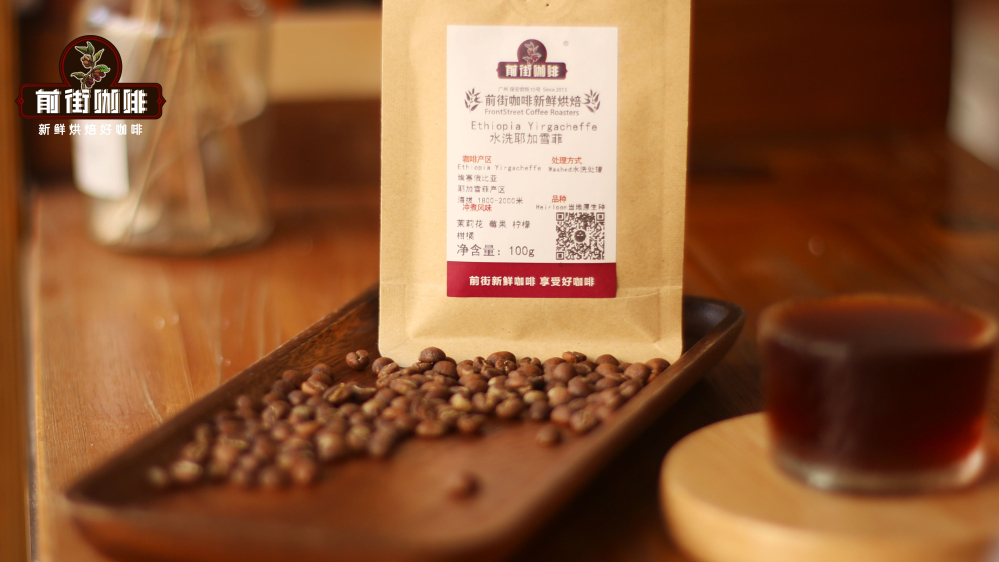
The cooperative's name comes from the nearby Konga River watershed and Konga village, hence the name Konga. The Konga Cooperative is made up of more than 1,500 smallholder coffee farming families, whose average farm size is less than 1.25 hectares, at growing altitudes of approximately 1,800 to 2,250 meters. The main coffee variety is the local heirloom.
What makes Konga special is that the local soil for growing coffee is iron-rich red soil, with a red soil layer reaching up to 1.5 meters thick. The deep soil is relatively nutrient-rich, and soil with high iron content is quite beneficial for coffee cultivation: iron is a micronutrient that helps plants produce chlorophyll, and through photosynthesis, coffee plants can absorb more nutrients, thereby improving the quality of the coffee fruit. It is precisely this unique geographical condition that creates Konga Coffee's outstanding performance. The local fertile red soil is one of the key factors enabling the Konga Cooperative to produce great coffee.
Now let's discuss Konga Coffee's variety.
Observant readers may notice that Ethiopian coffee beans are mostly listed as heirloom varieties. What variety is that exactly? Front Street has learned that Ethiopia is the birthplace of coffee and also coffee's gene bank, with a vast number of coffee varieties that are very difficult to identify. For protection purposes, the local government does not disclose information about these varieties. Since so many varieties have taken root here for years and have long formed flavors characteristic of the origin, they are simply collectively referred to as heirloom. Konga Coffee beans, like many Ethiopian beans, belong to the local heirloom varieties.
Additionally, Ethiopia's green coffee export grading standards do not include bean size; grades are mainly determined by the proportion of defective beans in the coffee fruit and cup quality. If there are fewer than 3 defective beans per 300 grams of green coffee, it qualifies as G1 grade. This is also why the Ethiopian beans we see vary in shape and size.
Next, let's talk about the natural processing method.
Konga Coffee belongs to the Yirgacheffe region—so does it also use washed processing? Front Street has already explained that Konga Coffee is a natural-processed coffee bean from the Yirgacheffe region. In fact, Yirgacheffe originally used the oldest natural processing method. But in 1972, Ethiopia introduced washed processing technology from Central and South America to improve quality, making Front Street Yirgacheffe's jasmine and citrus notes clearer and more refined, instantly becoming a standout among the world's specialty beans—the exquisite washing technique played an indispensable role. After the 1970s, the region became predominantly washed, turning into Ethiopia's most vibrant washed coffee region.
Konga's natural processing method follows its own standards. The Konga Cooperative has uniform drying beds for sun-drying coffee beans, with extremely strict selection of coffee cherries: unripe, damaged, and overripe cherries are all removed, keeping only ripe, bright red cherries. The parchment coffee cherries are placed on shaded raised drying beds and sun-dried directly for about two weeks until moisture content drops to 12%, then bagged and sent to warehouses for grading and packaging. Front Street believes that natural-processed coffee beans have slightly less brightness compared to washed beans, but carry a rich fermented fruit aroma and a fuller, juicier mouthfeel.
Front Street's coffee brewing recommendations:
When it comes to coffee brewing, Front Street has always believed that the freshness of coffee beans is a crucial factor—only with sufficient freshness can you experience coffee's rich flavors to the fullest. The coffee beans shipped by Front Street Coffee are all roasted within 5 days, because Front Street well understands the significant impact of freshness on flavor. Front Street's roasting philosophy is "freshly roasted good coffee," so that every customer who places an order receives the freshest coffee possible. The bean resting period is about 4–7 days, so by the time customers receive it, the flavor is at its peak.
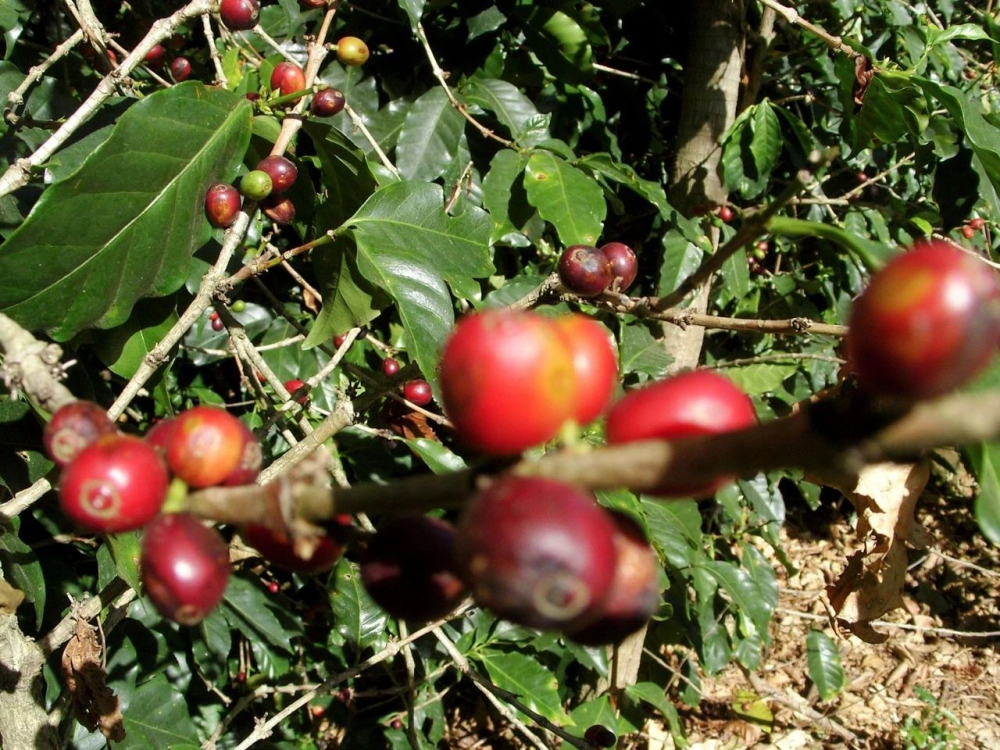
Of course, some customers ask Front Street to grind the beans for them, which is also fine, but Front Street must remind you: once coffee beans are pre-ground, there's no need for a resting period, because the pressure from carbon dioxide inside the packaging during transport also rounds out the coffee's flavor, so you can brew a cup immediately upon receiving the ground coffee. However, ground coffee needs to be brewed as soon as possible, because it oxidizes quickly upon contact with air—meaning the coffee's flavors will dissipate faster and the flavor performance won't be as good. Therefore, Front Street recommends buying whole beans and grinding fresh for each brew, so you can better enjoy the coffee's flavors.
Front Street's brewing parameters for Front Street Konga Coffee:
Front Street Konga Coffee beans have the classic flavor of Front Street Yirgacheffe. To bring out its fresh citrus notes while preserving the jasmine aroma, Front Street uses a medium-light roast. Because Ethiopian coffee grows at high altitudes and the beans are harder, Front Street chooses the V60 dripper, taking advantage of its even flow rate to better highlight the layers of acidity and sweetness; water temperature is 90°C, using higher temperature to extract the coffee's aromatic compounds; coffee-to-water ratio is 1:15, with 15g of coffee, ground to 80% passing through a China standard No. 20 sieve.
A staged extraction is used: first, bloom with 2 times the coffee dose in water, i.e., 30 grams of water for 30 seconds. The purpose of blooming is to let the coffee grounds release internal carbon dioxide, making the subsequent extraction more stable. Then, pour in a slow circular stream until reaching 125 grams, pause, continue pouring until 225 grams and stop, and remove the dripper after the water in the dripper has finished dripping. Time from the start of pouring; extraction time is 2'00". Finally, swirl the entire cup of coffee to mix evenly, then pour into a cup and enjoy.
Front Street Konga Coffee flavor characteristics: after grinding, it has a fresh, delicate jasmine aroma; when brewed, you can taste lively berry and citrus acidity, accompanied by a creamy, honey-like sweetness. The overall mouthfeel is like drinking a blended fruit juice, lifting your mood considerably.
Ethiopian coffee is like a treasure trove that makes it impossible to stop exploring. That's why Front Street has stocked over a dozen single-origin beans from different Ethiopian regions; and of course, over fifty coffee beans from other regions as well, each with a distinct taste, offering you a different experience.
The above content is compiled by CoffeeHunters, a coffee news website.


