







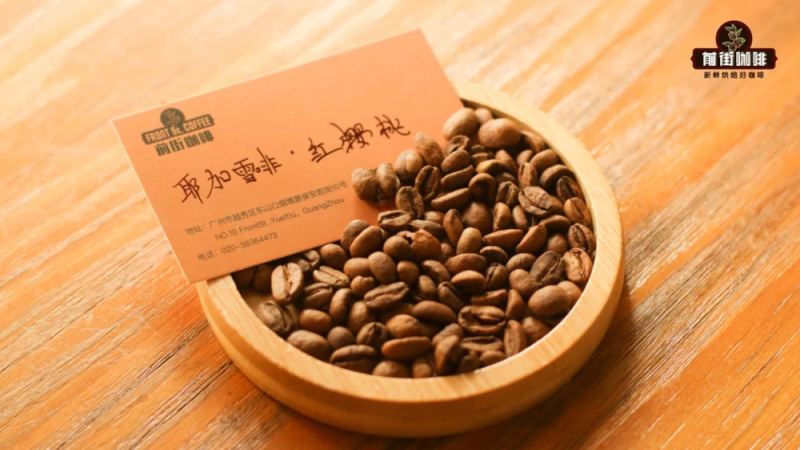
Ethiopia is an important origin for specialty coffee, and its Yirgacheffe region is famous for its unique terroir. This article will guide you through how the Red Cherry Project initiated by the Dutch green bean trader Trabocca improves Ethiopian coffee quality, provide an in-depth analysis of the flavor differences between two Front Street Coffee Yirgacheffe Red Cherry coffee beans—natural and red honey processed—and compare the effects of two brewing methods, one-pour and three-stage pouring, on coffee taste. Whether you are a beginner just getting into specialty coffee or an experienced enthusiast keen on exploring flavor details, you can gain practical tasting ideas and brewing references from this.
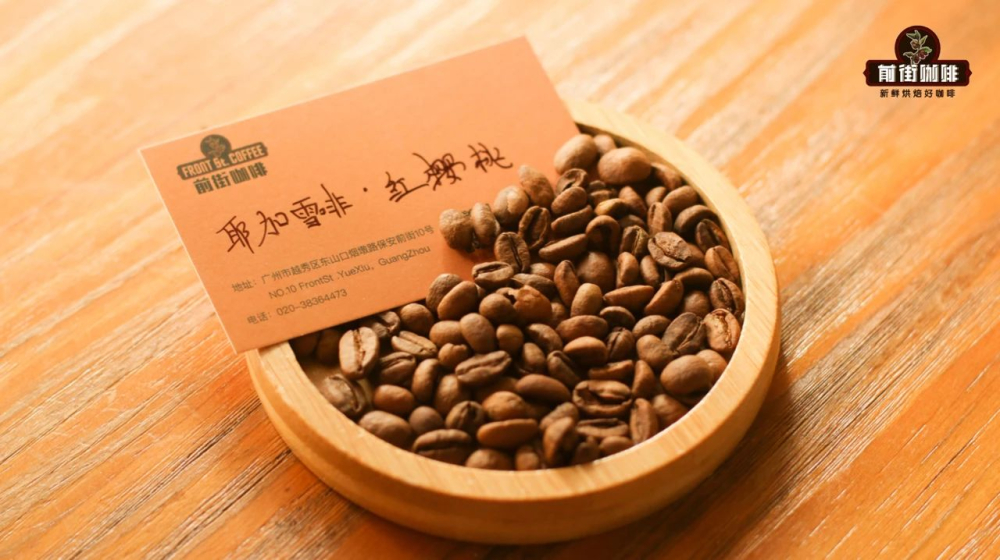
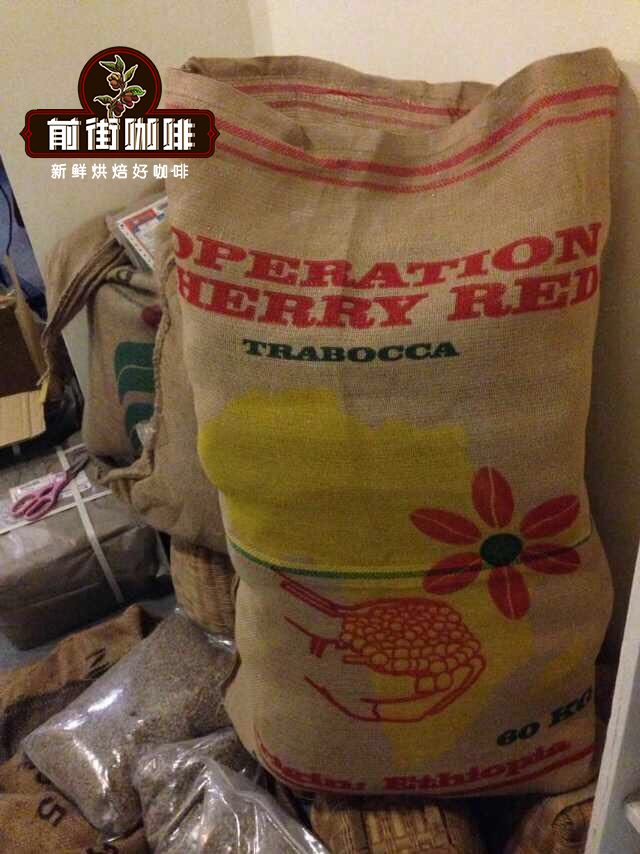
On Front Street Coffee's bean list, there is a Front Street Yirgacheffe Red Cherry coffee bean. Regular customers at Front Street stores know that we offer multiple Front Street Yirgacheffe coffee beans from different cooperatives or processing plants. So some guests wonder: "Is Red Cherry also the name of a cooperative?" In fact, Red Cherry is not a cooperative, but a commercial program aimed at improving coffee quality, initiated by the Dutch green bean trader Trabocca. The implementation of this program not only ensures the quality of Ethiopian coffee but also increases the income of coffee farmers. Front Street Coffee has mentioned in previous articles that ensuring coffee quality involves multiple aspects, and overall, it can be reflected through four main dimensions: variety, processing method, altitude, and roasting. Therefore, when you drink an excellent cup of coffee, try to analyze it from these perspectives.
Every time Front Street Coffee receives a batch of roasted coffee beans, it repeatedly tastes them using various brewing methods to find their best flavor expression. Some might think that adjusting the technique has limited impact on the result. Indeed, the impact is not particularly significant, especially for Front Street Yirgacheffe's signature citrus fruit notes, which are hard to completely disappear due to technique changes (unless the beans are no longer fresh), but it will more or less alter the intensity of these notes, and many details will also differ. Front Street always believes that coffee is a beverage that requires calming down and savoring slowly; only in this way can you capture every subtle change it brings in your mouth.
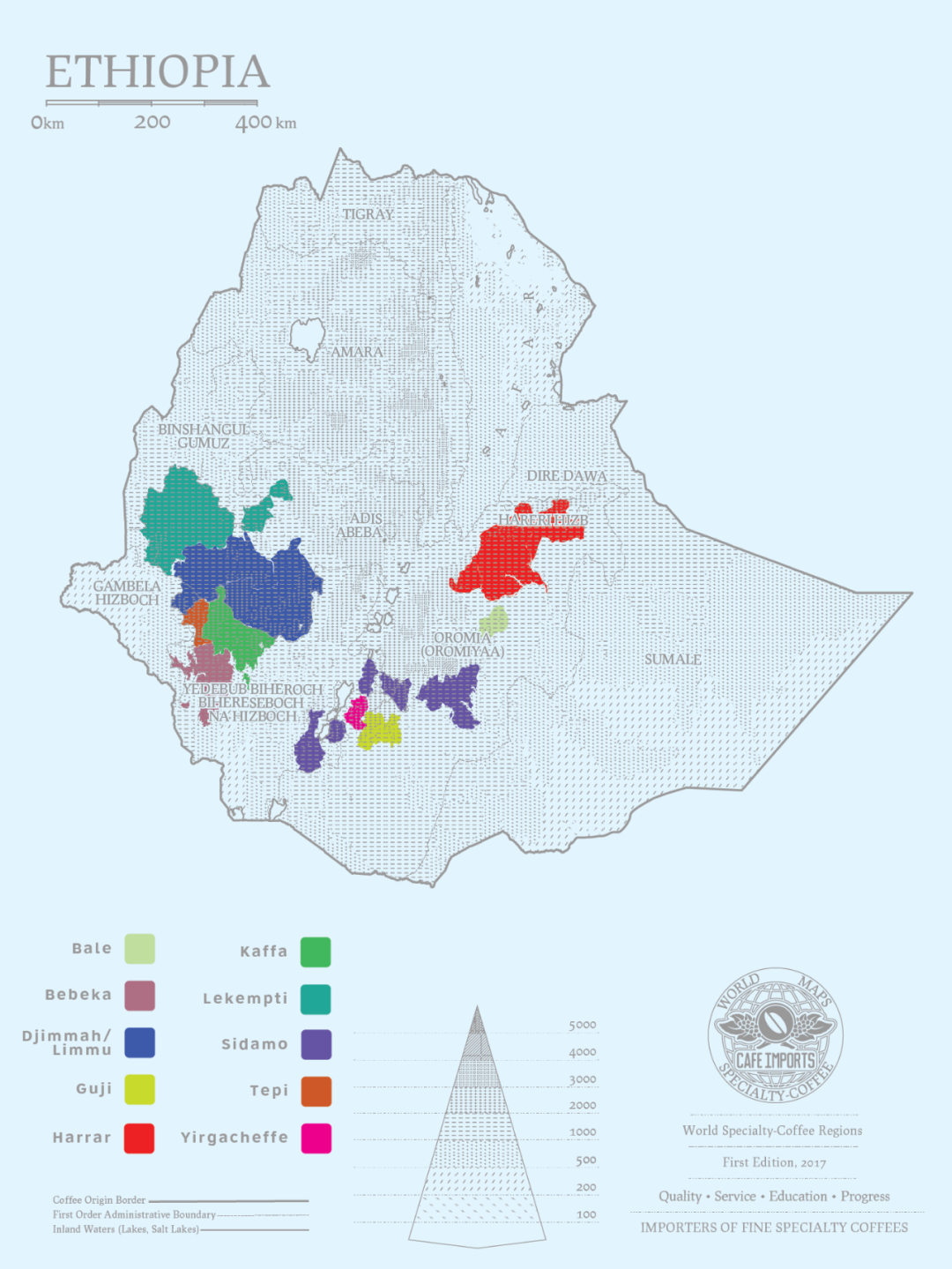
Yirgacheffe Region
Yirgacheffe is a small town in Ethiopia, with an altitude between 1,700 and 2,100 meters, making it one of the highest coffee-producing regions in the world and synonymous with Ethiopian specialty coffee. Lake Turkana, Lake Abaya, and Lake Chamo bring abundant moisture to this land. The rift valley area, represented by the Misty Valley, is shrouded in fog all year round, with spring-like weather in all seasons, gentle breezes, and a cool, humid climate. Thousands of coffee trees grow luxuriantly here, creating the unique terroir of Front Street Yirgacheffe with its interwoven floral and fruity aromas and ever-changing character.
Initially, the Yirgacheffe coffee trees in Ethiopia were planted by European monastic scholars (similar to Belgian monks growing wheat to brew beer), but later management was taken over by farmers or cooperatives. The coffee trees are naturally scattered in forests, fields, and backyards. Every harvest season, Ethiopian coffee trading companies go to the town to purchase coffee beans collected by farmers, and eventually auction and export them under the "Yirgacheffe" brand.
Red Cherry Project
Trabocca realized that the quality of Ethiopian coffee beans was inconsistent, making it difficult to raise prices, and coffee farmers' incomes remained low for a long time. To change this situation, Trabocca co-initiated the Red Cherry Project with local coffee farmers, starting from the source by increasing the purchase price for high-quality green coffee beans to incentivize farmers to more carefully complete harvesting, processing, and other stages, adopting manual methods entirely during harvesting and selecting highly mature coffee cherries. Front Street Coffee believes that the specialty coffees launched by other countries today can basically also be classified under the Red Cherry coffee category, as they all adopt similar operational models.
The Red Cherry Project is also a reinforcement measure, encouraging farms to invest more effort in the screening and sorting stages, and these coffees are relatively higher priced. The main implementing regions include Yirgacheffe, Sidamo, Bonga Forest, Lekempti, Kembata, Illubabor, Harar, Limu, etc. These regions each have unique flavor characteristics, fully showcasing the distinctive charm of Ethiopian coffee.
Yirgacheffe Red Cherry Coffee Grades
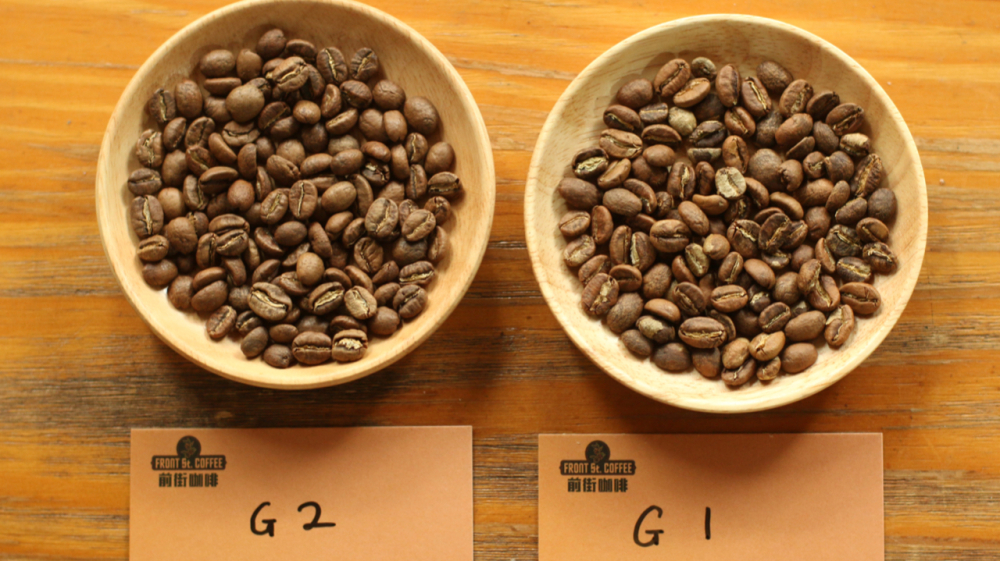
The ECX (Ethiopian Commodity Exchange) has established grading standards based on the defect rate of coffee beans, divided into G1 and G2. G1 means no more than 3 defective beans per 300 grams of green beans, while G2 means 4 to 12 defective beans per 300 grams of green beans. Front Street Coffee currently has two Front Street Yirgacheffe Red Cherry coffee beans, both reaching G1 grade.
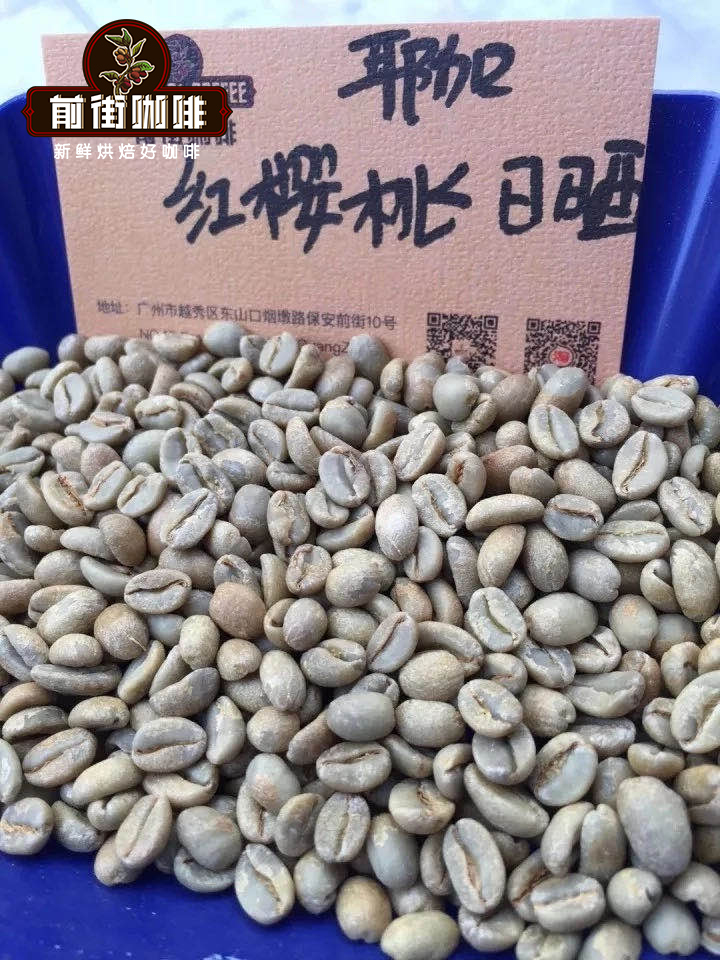
The image above shows two Front Street Yirgacheffe Red Cherry coffee beans with different processing methods.
Front Street Coffee currently has two Front Street Yirgacheffe Red Cherry coffee beans using different processing methods, namely red honey processed and natural processed.
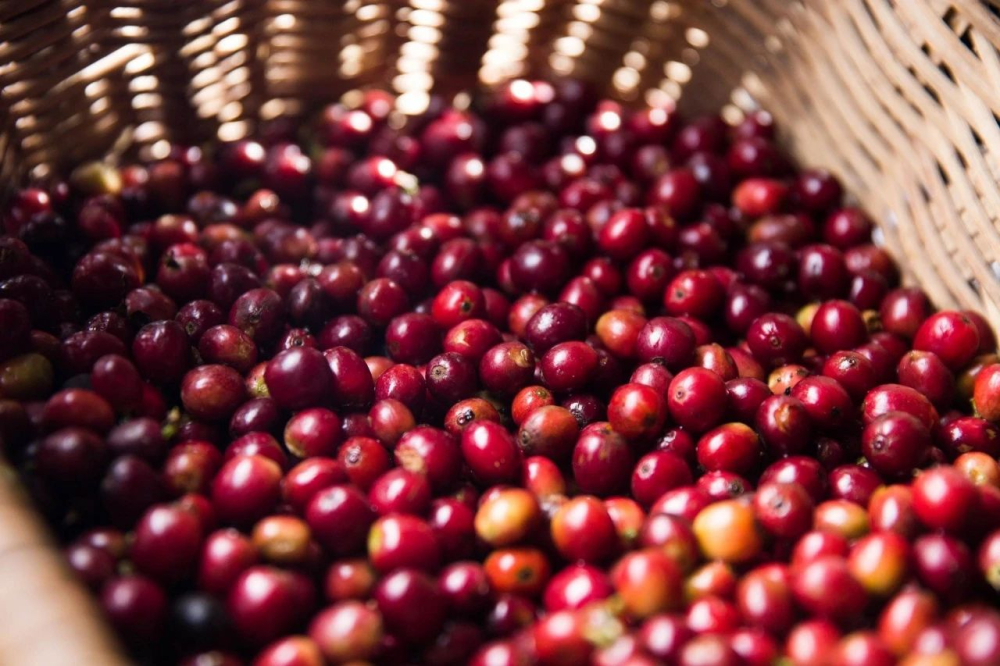
Aricha Processing Plant
The Aricha Processing Plant sources from smallholder coffee farmers with an average planting area of about 0.6 hectares each, comprising hundreds of coffee farmers. The cultivation altitude is close to 2,000 meters, with significant temperature variations and fertile soil, providing superior natural conditions for coffee growth.
IDIDO Cooperative
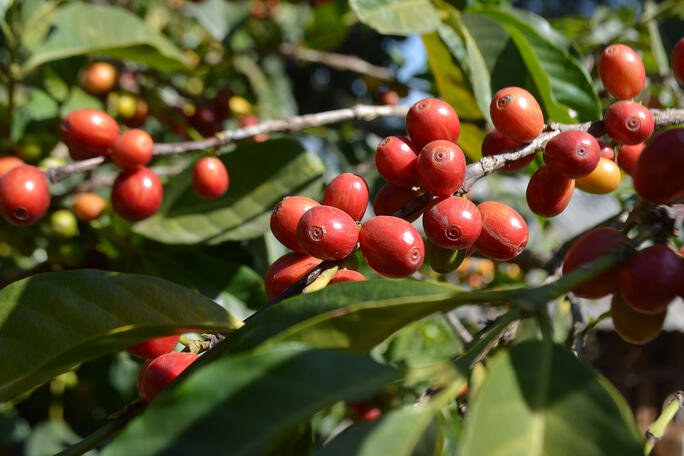
The IDIDO Cooperative is a member of the Yirgacheffe Coffee Farmers Cooperative Union (YCFCU). YCFCU was established in 2002 and oversees 24 primary cooperatives with about 50,000 farmers. The IDIDO Cooperative is located in a high-altitude valley in Yirgacheffe town, with annual rainfall of about 1,400 to 1,800 millimeters, and local smallholders cultivate coffee at an altitude of around 2,000 meters. The cool mountain air allows the coffee to mature slowly, and smallholders harvest fully ripe red cherries between December and February each year.
Natural Processing Method
After the processing plant selects usable coffee cherries, the whole cherries with pulp and skin intact are placed on raised beds for natural sun-drying. This labor-intensive raised-bed drying method avoids direct contact with the ground, preventing the incorporation of earthy off-flavors during drying, thus creating an exceptionally clean fruit flavor. After more than two weeks of sun-drying, the dark brown coffee cherries are professionally stored to await full flavor maturation. Only before shipment does the processing plant remove the beans from the cherries, and the sweetness is easy to imagine.
Red Honey Processing Method
Honey processing refers to the process of making green beans by drying them with the mucilage intact. After removing the outer pulp, a sticky gel-like substance remains on the surface of the coffee beans. Traditional washed processing uses water to wash this off, but due to limited water resources in some high-altitude origins, this direct drying method was developed. The pectin mucilage is the part of the coffee cherry with the highest sugar content and is an important component of coffee fermentation, contributing about 80% of the nutritional supply during fermentation.
Yellow honey retains 60% of the pectin, red honey retains 75%, and black honey removes almost no pectin.
Roasting Comparison
Front Street Coffee uses light roasting for these two Front Street Red Cherry coffee beans, but due to different processing methods, the roasting parameters also differ. After repeatedly adjusting the parameters, Front Street Coffee finalized the following roasting curves.
Front Street Coffee Natural Red Cherry Roasting Curve
Front Street Coffee Red Honey Red Cherry Roasting Curve
How Front Street Coffee Brews
When brewing these two Front Street Yirgacheffe beans, Front Street Coffee tries to keep the technique and parameters consistent to avoid affecting the final judgment.
Brewing parameters: V60 dripper, 91–92°C water temperature, 15 grams of coffee powder, 1:15 coffee-to-water ratio, grind size like fine sugar (80% passing through China standard No. 20 sieve).
Brewing method: staged extraction. Use 30 grams of water for blooming for 30 seconds, then pour in a small circular stream until 125 grams for the stage break, continue pouring when the water level is about to expose the coffee bed until 225 grams, stop pouring, and remove the dripper when the water level is about to expose the coffee bed again. (Timing starts from the beginning of blooming) The extraction time is 2'00".
| Coffee Beans | Front Street Natural Red Cherry | Front Street Red Honey Red Cherry |
| Region | Yirgacheffe | Yirgacheffe |
| Processing Plant/Cooperative | Aricha Processing Plant | IDIDO Cooperative |
| Altitude | 2300m | 2000-2200m |
| Variety | Local Heirloom | Local Heirloom |
| Grade | G1 | G1 |
| Processing Method | Natural Processing | Red Honey Processing |
Flavor Comparison
[Front Street Yirgacheffe Red Cherry Natural G1] On the palate, there is a noticeable sweet-and-sour sensation, with lemon, berry, and fermented wine aromas. The lingering lemon acidity is persistent with a clear sweet aftertaste.
[Front Street Yirgacheffe Red Cherry Red Honey G1] On the palate, you can taste obvious floral notes, with citrus, almond, and berry. The overall floral and citrus notes are prominent, and the sweet aftertaste is long-lasting.
Front Street Coffee believes that the difference between these two Front Street Yirgacheffe Red Cherry beans is: Front Street Natural Red Cherry has obvious sweet-and-sour notes of berries and ripe fruits, with a fuller mouthfeel; while Front Street Red Honey Red Cherry has more prominent floral, citrus, and almond aromas, with a slightly thinner body but richer flavor layers.
Front Street uses different brewing techniques to brew Front Street Natural Red Cherry.
Front Street Coffee used two different brewing techniques to brew Front Street Yirgacheffe Red Cherry coffee beans, namely one-pour and three-stage pouring, to see how different techniques affect coffee flavor. First, let's understand what one-pour and three-stage pouring are.
One-pour: After blooming, pour all the water at once until the end without interruption. The taste is balanced, flavors are prominent, and it saves a lot of time for cafe service.
Three-stage pouring: Also called three-pour, the first stage is blooming, then extraction is done in two separate pours. The mouthfeel has richer layers compared to one-pour.
[Brewing Parameters and Techniques]
The brewing parameters used by Front Street Coffee are uniformly: Hario V60, coffee-to-water ratio 1:15, water temperature 90°C, grind size like fine sugar (80% passing through China standard No. 20 sieve).
It should be mentioned that regarding grind size, Front Street Coffee uses a Baratza Encore grinder. Even for grinders of the same brand, there will still be differences between individual units. Front Street Coffee re-sifts the powder at regular intervals to check whether the grind size needs adjustment.
In terms of brewing technique, Front Street Coffee uses twice the amount of coffee powder for blooming water, i.e., 30 grams of water for blooming, with a blooming time of 30 seconds. The coffee-to-water ratio is 1:15, with a total water volume of 225 grams.
The main function of blooming is to help the coffee beans degas. During the roasting process from green beans to roasted beans, a series of chemical reactions and physical changes occur. After reaching a certain roasting degree, a large amount of gas (mainly carbon dioxide) accumulates inside the beans. Front Street Coffee's beans are all freshly roasted, so it is generally recommended that customers rest the beans for three days first to allow the coffee beans to release carbon dioxide, thus avoiding instability and under-extraction during brewing.
One-pour: After blooming, directly pour water to 225 grams, with a total pouring time of 2 minutes (including blooming time).
Three-stage pouring: After blooming, the second stage pours to 125 grams for the break, then the final pour to 225 grams, stop. Total pouring time is 2 minutes (including blooming time).
[Front Street Yirgacheffe Red Cherry Coffee Flavor Description]
One-pour brewing flavor: Overall feels relatively soft, with prominent aromas, featuring lemon, floral, and ripe orange scents. On the palate, nutty flavors are obvious, with citrus and plum acidity, and a sweet aftertaste of caramel and cocoa.
Three-stage pouring flavor: The overall taste has distinct layers, with prominent aromas, featuring lemon, floral, and fermented wine notes. On the palate, there is a full juicy sensation, citrus and lemon acidity, weaker nutty flavors, and a honey-like sweet aftertaste.
Front Street Coffee found that one-pour, due to more water column agitation and faster extraction, has more prominent nutty flavors but thinner layers. While staged extraction, due to less water column agitation, although there is soaking time, the water still quickly filters through the paper and flows down, resulting in a more balanced extraction with distinct layers of aroma, ripe fruit, and nutty flavors.
The above content is compiled by CoffeeHunters, a coffee news website.


