








What Is Pour-Over Coffee and Where Did Barista Coffee Originate?
Pour-over coffee, also called drip coffee, was born in 1908 when German inventor Melitta Bentz patented a paper-filter brewing method and founded the Melitta company to sell the equipment. Hot water is poured over coffee grounds, soluble flavors dissolve into the water, and the liquid drips through a paper filter or mesh into a carafe, yielding a cup of black coffee.
The method is a common extraction route for both everyday beans and specialty lots, and it now anchors much of the barista coffee origin story taught to new brewers in China. Beginners can start with basic principles rather than grind size, water temperature, or pouring technique, then refine a three-stage pour once the fundamentals feel familiar.
Pour-over coffee is becoming increasingly popular in China today. It is not only one of the most common extraction methods but also a required course for coffee enthusiasts who keep advancing. In this article, Front Street Coffee (FrontStreet Coffee) takes you from zero to understanding the origins and principles of pour-over coffee, sorting out equipment preparation, coffee bean selection, coffee-to-water ratio, grinding key points, and breaking down the complete process of three-stage pouring in detail. Whether you are a beginner just getting into pour-over or an enthusiast looking to refine your technique, you can find practical and easy-to-understand operational guidance here to easily brew a delicious cup of black coffee at home.
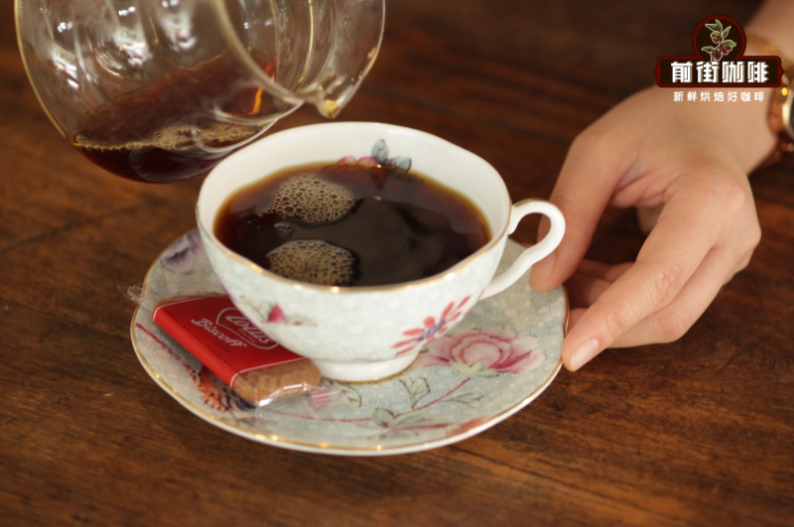
For more specialty coffee knowledge, please follow: Front Street Coffee ( Frontsteet Coffee )
For people who love coffee, mastering the craft of pour-over is almost a required course. Whether it is everyday ordinary coffee beans or higher-quality specialty beans, pour-over can be considered one of the most widely used extraction methods, and it is also a mainstream method that accompanies us as we continuously improve our brewing skills. Nowadays, the coffee atmosphere in China is growing stronger, and pour-over coffee has long entered many people's daily lives. Now let Front Street Coffee (FrontStreet Coffee) talk about how to make a delicious cup of pour-over coffee.
What exactly does pour-over coffee refer to?
Pour-over coffee is also called drip coffee. This brewing method was born in 1908, and the inventor was a German woman, Melitta Bentz. In the same year, she founded the Melitta company, specifically selling various coffee utensils, thereby promoting this novel extraction concept. Simply put, pour-over means pouring hot water into coffee grounds so that soluble flavor substances dissolve into the water, then letting the extracted liquid pass through filter paper or a filter mesh and drip into a container, ultimately obtaining a cup of black coffee.
For friends who are just starting to get into pour-over, Front Street does not recommend fussing over details such as grind size, technique, or water temperature right from the beginning. As long as you grasp a few basic principles, you can also easily brew a good cup of coffee at home.
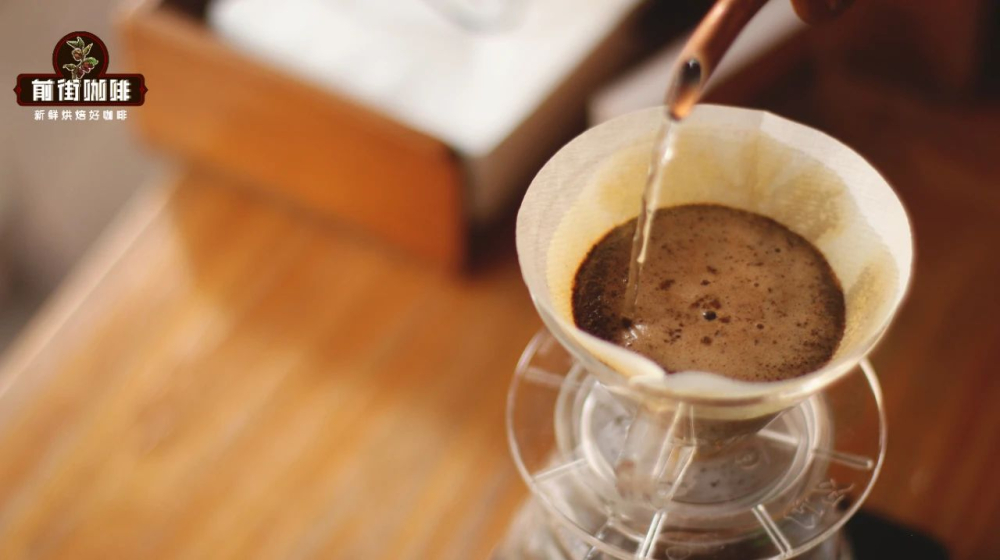
To brew something delicious, Front Street believes that choosing a coffee bean that suits you is crucial. If you cannot quite accept bitterness, you can try light-roasted beans rich in floral and fruity aromas such as Front Street Little Tomato Coffee, Front Street Red Cherry Coffee, and Front Street Huakui Coffee; if you prefer a rich and mellow taste, these three dark-roasted beans—Front Street Golden Mandheling Coffee, Front Street Queen's Estate Coffee, and Front Street Huilan—would be good choices; in addition, Front Street Strawberry Candy Coffee, Front Street Xizhua Coffee, and Front Street Mozart Coffee have also gained many fans with their sweet and charming flavors. Below, Front Street will use Strawberry Candy as an example to carry out today's explanation.
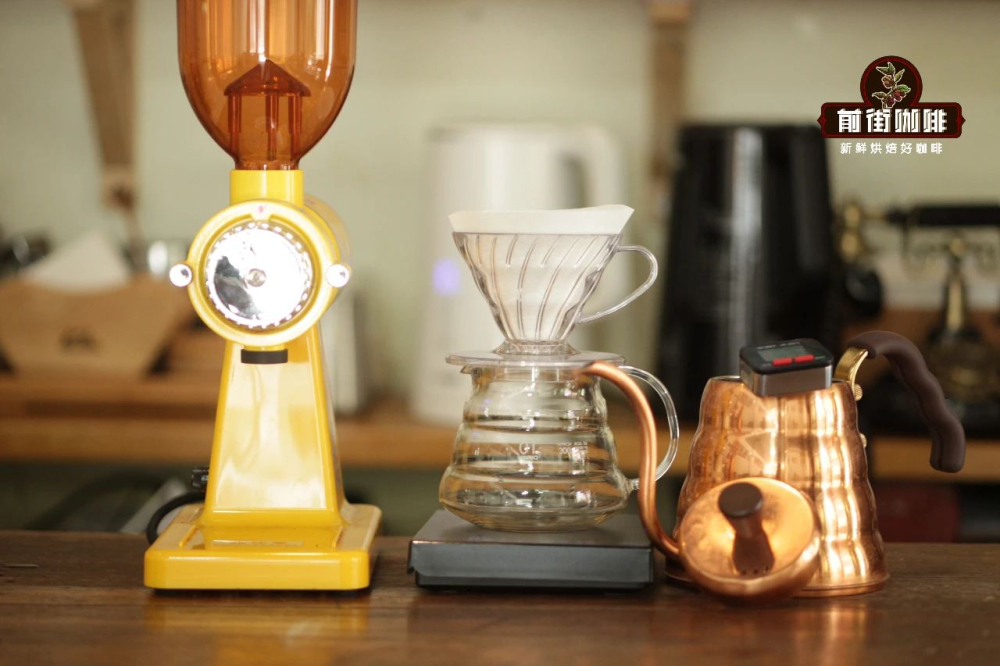
Before starting to brew, first gather the tools:
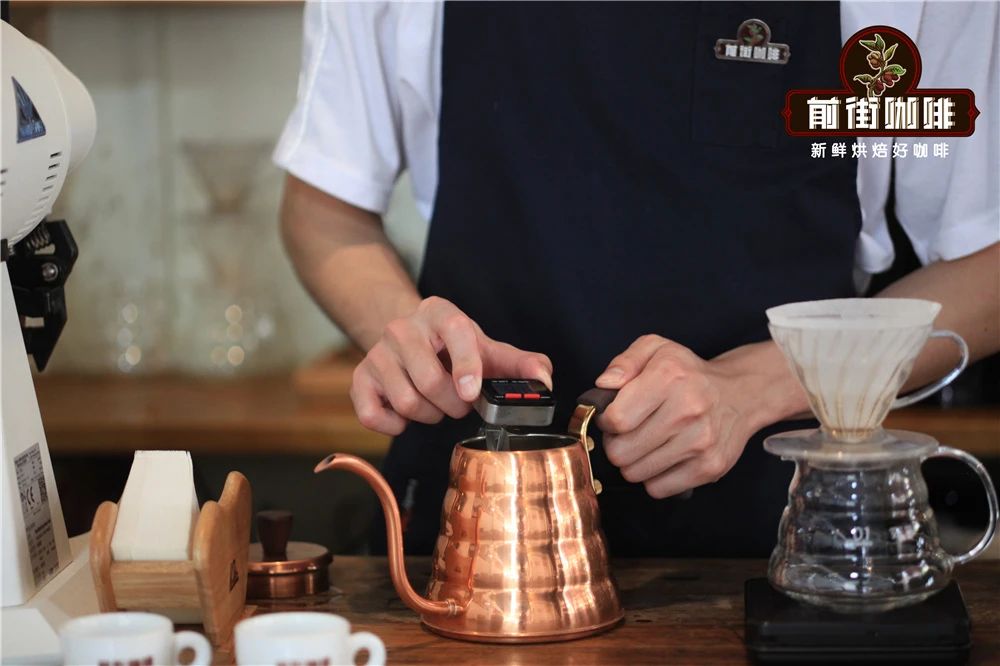
Electronic scale with timing function, 0.85mm standard sieve for grinding, thermometer, grinder, pour-over kettle, dripper, filter paper.
Prepare hot water: after boiling the water, the temperature is usually kept between 85°C and 95°C. For a first attempt, you can directly use 90°C. If the brew tastes too bitter, lower the water temperature; if it tastes too sour, raise the water temperature.
Weigh the coffee beans: how many beans to use depends on how large a cup you want to drink. Generally, 15 grams is enough for a single serving. After determining the bean weight, choose a suitable coffee-to-water ratio, which affects the concentration of the final product. Front Street recommends a 1:15 coffee-to-water ratio, that is, 15 grams of coffee grounds with 225 grams of hot water. Afterward, make slight adjustments based on the actual taste—if you think it is too weak, reduce the water to 1:14; if you think it is too strong or too bitter, increase the water to 1:16.
Grind the coffee beans: the coarseness of the coffee grounds is determined by the grinder's setting. To make good pour-over, a reliable grinder is indispensable. Common ones on the market include Timemore manual coffee grinders, Comandante manual coffee grinders, Little Eagle electric coffee grinders, Little Fuji electric coffee grinders, Baratza Encore grinders, and Welhome grinders. Front Street Coffee (FrontStreet Coffee) uses an EK43s electric coffee grinder.
Explanation of the three-stage pouring for pour-over coffee
Front Street usually uses the three-stage method when brewing coffee, and the entire pouring process is controlled at about 2 minutes. The so-called "three stages" refer to the bloom, the second pour, and the third pour. This staged extraction method can make the flavors of the coffee's front, middle, and back sections clearer, and also helps present a rich sense of layering.
Whether a cup of pour-over tastes good or not, Front Street believes the coffee beans are key. As the protagonist, the beans must be fresh and ground and brewed on the spot, which is also why Front Street has always insisted on fresh roasting. When brewing with freshly roasted beans, heating at high temperature causes a large amount of gas (mainly carbon dioxide) to accumulate inside them. As soon as they touch hot water, they puff up, forming what we often call a "little hill." The process in which the coffee grounds first contact hot water and expand is what baristas call "blooming."
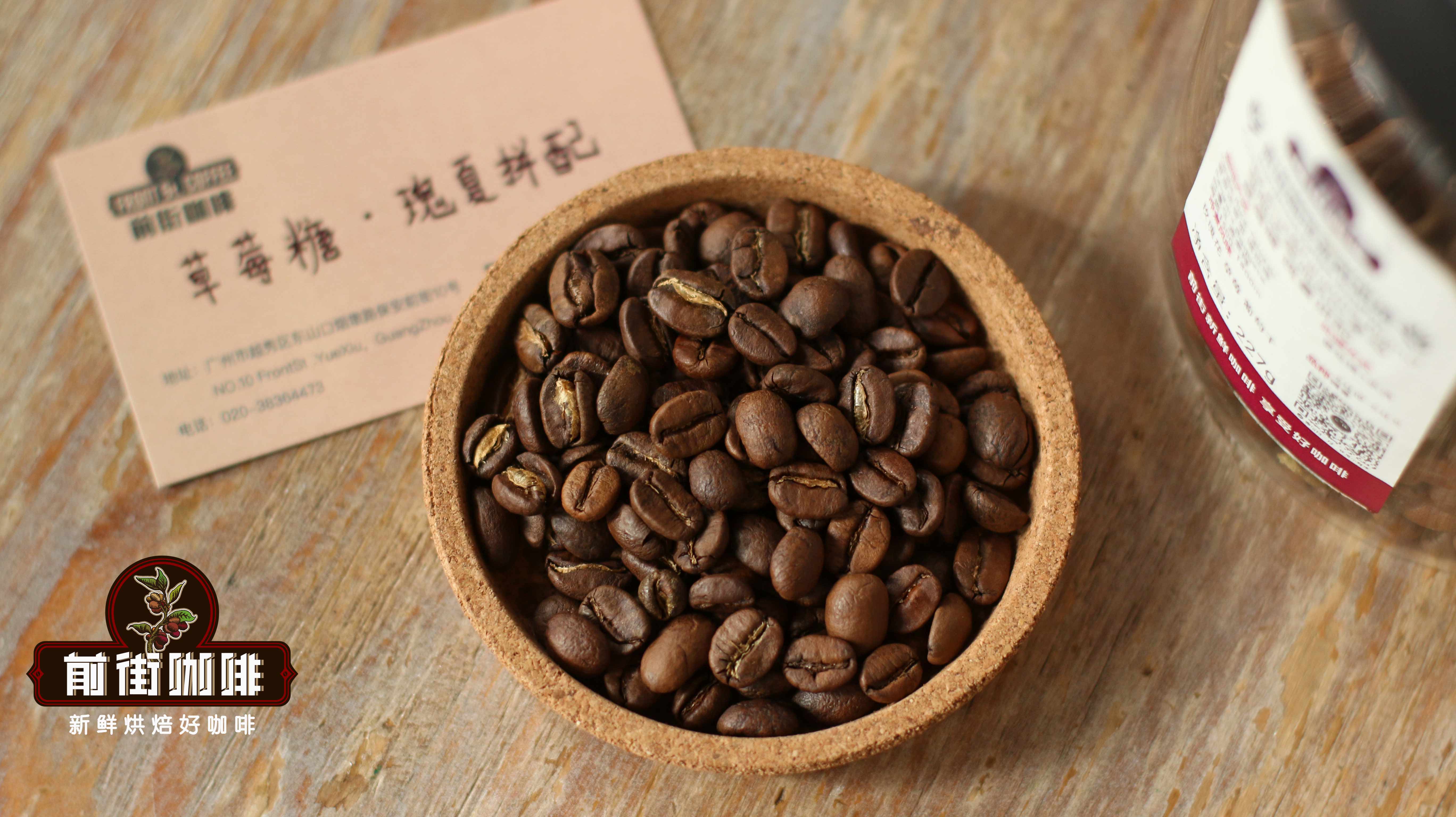
First pour: bloom
For the bloom time, Front Street, like most people, uses 30 seconds. When the surface of the coffee grounds no longer expands and instead begins to wrinkle, it means degassing has completed and you can formally begin pouring. Basically, for beans that have been rested and whose roast date is within one month, Front Street will bloom for 30 seconds.
Second pour
The timing for the second pour is the moment the bloom ends, that is, when the electronic scale shows 30 seconds. Once 30 seconds has passed, use a straight and steady stream of water to pour the second stage of 95 grams, slowly circling from the center outward, with the aim of lifting the entire coffee bed. The water column should be vertical and even. After pouring, the timing scale shows 125g, and the time is about 55 seconds.
Third pour
When the liquid level drops to the halfway point, switch to a small stream and circle in a small loop to pour the third stage of 100 grams, until the electronic scale shows 225 grams. Be careful not to make the stream too strong, otherwise it is easy to disturb the coffee bed and cause under-extraction. After pouring, wait for the coffee liquid to drip naturally. It will finish draining in about 2 minutes, and then you can remove the dripper. Finally, swirl the coffee liquid in the server to mix it evenly before tasting, so that the aroma is fully released and evenly distributed.
Here Front Street would like to remind everyone again that in three-stage pour-over, the amount of water poured in each stage is not fixed. You can first practice according to Front Street's plan, and after gaining some experience, adjust it based on your understanding of the beans and your own taste preferences. Front Street believes that there are thousands of ways to brew a good cup of coffee. As long as you learn more and make more adjustments, effortlessly mastering pour-over coffee is by no means difficult.
The above content is compiled by CoffeeHunters, a coffee news website.


