







What Is Drip Bag Coffee Made Of and Can You Steep It?
Drip bag coffee is pre-ground coffee sealed inside a filter bag with two paper ears. Hot water and a cup are enough to brew it anywhere. Do not drop the bag straight into hot water to steep and do not brew it repeatedly; the bag is designed to hang on the rim so water passes through the grounds once.
Each bag holds about 10 grams, so no scale or grinder is needed. Use a 1:15 to 1:16 ratio, aim for 140 to 150 ml in the cup, and keep water near 90°C; boiled water left uncovered for two to three minutes reaches roughly that temperature. Knowing what coffee is made of and where is coffee from helps explain why freshness and grind size drive the result.
Drip bag coffee is gaining popularity among more and more coffee lovers thanks to its convenience, but many people still have questions about how to brew it and how to choose the right grind size. This article will answer in detail whether drip bags can be steeped directly, how the coarseness of the coffee grounds affects flavor, and share Front Street Coffee's professional experience in making drip bags. From grind size classification to automated packaging, and to controlling coffee bean freshness, we take you through the secrets of drip bag coffee so you can brew a great cup anytime, anywhere.
Drip bag coffee, simply put, is coffee beans pre-ground into powder and sealed inside a filter bag with two "ears" on the sides. As long as you have hot water and a cup, you can brew it anytime, anywhere.
Drip bags and pour-over both belong to filter extraction, but drip bags are much less fussy to operate than pour-over. Front Street wants to remind those just getting started: although brewing a drip bag isn't hard, if you want good flavor, you still need to pay attention to two things—first, never throw the drip bag directly into hot water to steep; second, don't brew it repeatedly.
Front Street Drip Bag Coffee Brewing Guide
1. Front Street drip bags clearly state the amount of coffee powder (usually 10 grams), so there's no need to prepare an extra digital scale or grinder.
2. Next is the amount of water and the water temperature. As with pour-over, use a coffee-to-water ratio of 1:15 to 1:16, and the final brewed coffee should reach 140 to 150 ml. The water temperature is best kept at around 90°C—ideally with a thermometer or temperature-controlled kettle. If you don't have one, boil water, turn off the heat, open the lid, and let it sit for 2 to 3 minutes; the water temperature will drop to about 90°C (at a room temperature of 28°C).
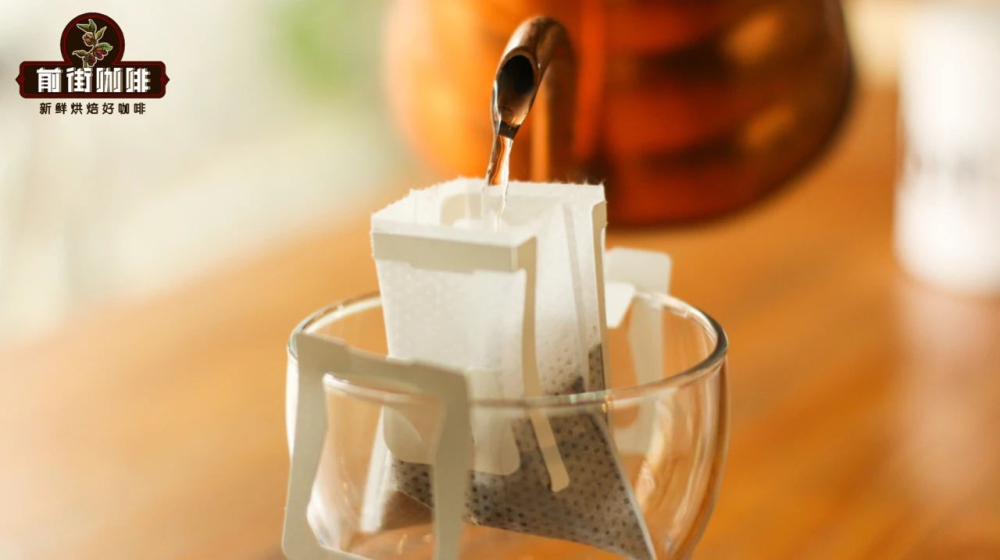
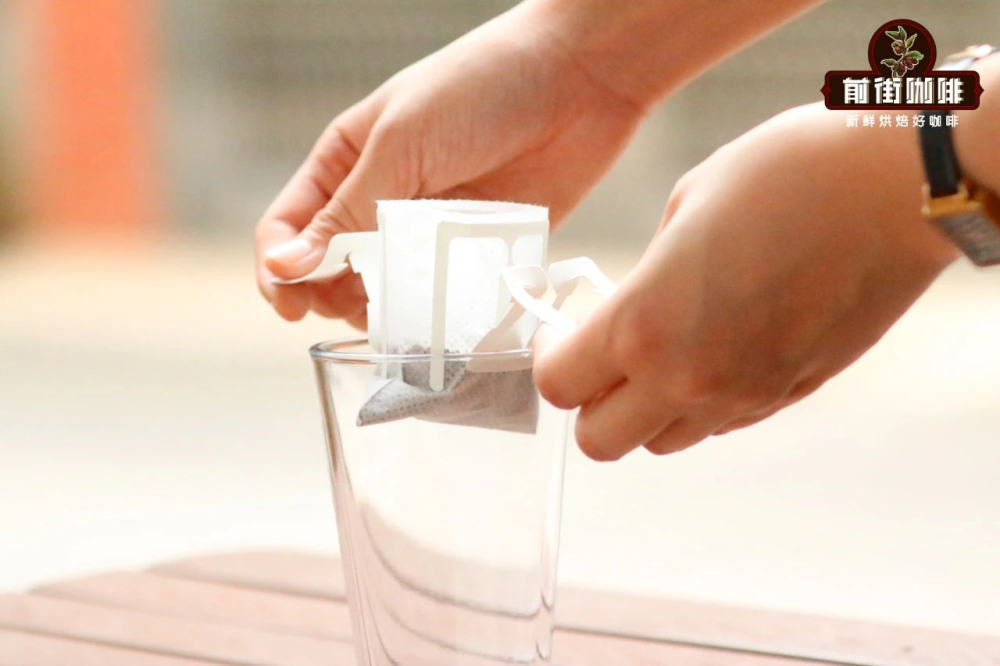
3. Once ready, take out the drip bag and tear open the sealed top, unfold the "ears" on both sides, hang it on the rim of a mug or cup, and gently shake the coffee grounds level. 4. For the first pour, just wet all the coffee grounds, then wait 30 seconds for blooming.
5. After blooming ends, begin the second pour. Using a slow stream, pour in circles until full; after the coffee bed drops slightly, continue pouring to full, repeating this process until the coffee in the cup reaches 140 to 150 ml. Then you can remove the drip bag and enjoy. (If you want more precise water control, you can also pour 150 to 160 ml of water into your pouring kettle, pour all the water during brewing, and remove the drip bag once the coffee has fully drained into the cup. The entire brewing process takes about 1 minute.)
As more people discover and fall in love with drip bag coffee, they want to make it themselves. To be honest, making drip bags at home isn't complicated—as long as you grasp a few key points, you can reproduce pour-over flavor as much as possible.
1. Cleaning the grinder
When making drip bags, Front Street Coffee places great importance on the entire production process, with the goal of letting every coffee lover enjoy outstanding single-origin drip bags anytime. Before making each type of drip bag, Front Street thoroughly cleans the grinder to prevent flavor transfer between different beans.
2. Grind size for drip bags
The primary factor determining drip bag brewing quality is flow rate—neither too fast nor too slow—and this depends on the grind. If the grinder isn't up to standard and the grind quality is poor, it will produce a large amount of fines, leading to uneven particles. During brewing, this easily causes "traffic jams," slowing the flow rate. If the steeping time becomes too long, it over-extracts, resulting in muddy taste and poor flavor—even the best beans won't perform at their best.
Front Street drip bag coffees are generally divided into two categories: one is light-roasted coffee with floral and fruity acidity, ground to a fine sugar consistency when making drip bags. Representative products include the Yirgacheffe drip bag with white floral notes and the naturally processed Huakui drip bag with berry-like sweet acidity;
the other is dark-roasted coffee with a rich, full-bodied mouthfeel, ground to about coarse sugar consistency. Representative products include the Brazil seasonal drip bag with nutty and creamy notes, and the full-bodied Indonesian Mandheling drip bag.
3. Automated packaging for drip bags
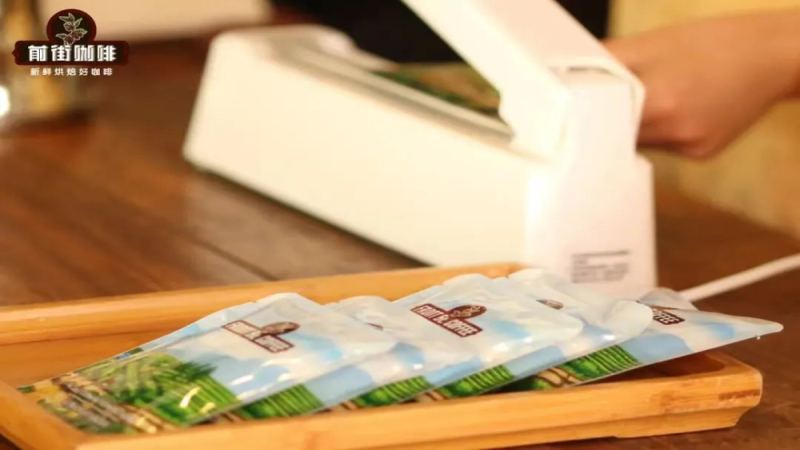
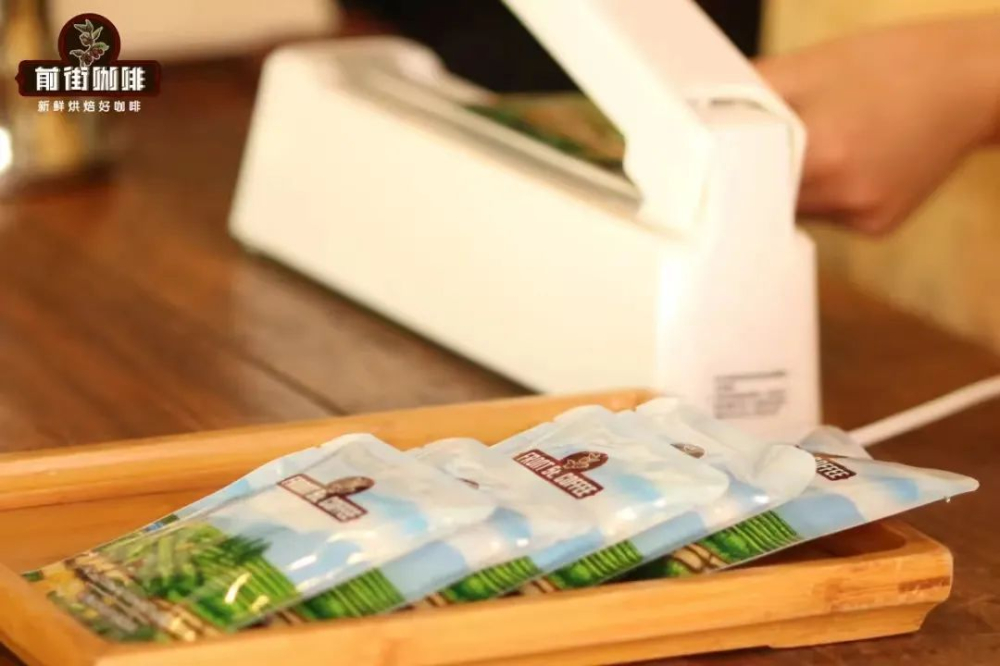
Front Street Coffee uses automated mechanical packaging for two main purposes: first, to improve the sealing effect of the outer packaging; second, to fill the package with nitrogen while sealing, expelling oxygen as much as possible, thereby slowing oxidation and greatly extending the coffee's flavor preservation period.
4. Coffee bean freshness
Drinking specialty coffee is all about freshness, and making drip bags is the same. Moreover, because the coffee beans have already been pre-ground into powder, the aroma dissipates faster, so you must use freshly produced beans to enjoy a longer peak-flavor period. The entire Front Street drip bag coffee series uses beans freshly roasted within 5 days, ground and made to order, with 24-hour shipping, all to lock in freshness as much as possible.
The above content is compiled by CoffeeHunters, a coffee news website.


