







What makes a blend coffee work for a coffee shop?
Espresso blend coffee is the daily base for most shops, used for Americanos, lattes, cappuccinos, and flat whites. Single-origin beans show one region's signature and suit pour-over or French press, while blends mix several origins in set proportions to reach balance that no single variety delivers alone.
Four practical checks guide the purchase. Freshness comes first, so sourcing from domestic channels is often wiser than waiting on overseas roasters. Also weigh the roaster's scale, the extraction parameters, and the recipe and flavor profile of the beans. Beans about five days off roast behave differently from those sitting two months, and a coffee store needs consistency across every bag.
Opening a coffee shop starts with choosing the right coffee beans — a critical step that determines the quality of every cup you serve. Coffee beans on the market fall into two main camps: single-origin and blended. The former highlights the distinctive flavors of a single region, while the latter achieves balance and consistency through skillful blending. For the vast majority of coffee shops, espresso blends are the daily workhorse — whether it's an Americano, latte, or cappuccino, you need a reliable blend behind it. So what should you pay attention to when selecting espresso beans? Freshness, the scale of the roaster, extraction parameters, and the bean's own recipe and flavor profile are all factors that cannot be overlooked. This article approaches the topic from a practical business perspective, laying out useful guidelines for coffee shops choosing beans, and recommends high-value espresso blends suitable for opening a shop.
Coffee beans on the market can broadly be divided into two categories: single-origin and blended. Single-origin refers to beans from the same estate and the same variety — such as Front Street Coffee's Mandheling with its rich spice notes, Front Street Coffee's Colombia with dark chocolate and cocoa aromas, and Front Street Coffee's Yirgacheffe with its floral and citrus tones. Each single-origin bean carries a distinct flavor signature and is better suited to being brewed with a pour-over or French press.
Blended beans are made by mixing several single-origin beans in specific proportions. This approach gives coffee more flexibility and layers of complexity, creating a harmonious and deep taste experience while compensating for the shortcomings of any single variety. For the sake of consistency, virtually every coffee shop chooses espresso blends as their base. Front Street Coffee's espresso blends are commonly used to make Americanos, lattes, cappuccinos, and flat whites, delivering excellent intensity and body. Let's now walk through the considerations for buying espresso blends.
How to choose espresso beans? Here are a few key points worth noting:
1. For coffee to taste good, freshness is the number one prerequisite. Given how transportation affects the condition of the beans, it's advisable to source from domestic channels first and set aside overseas roasting brands for now. Beans 5 days off roast and beans sitting for 2 months are worlds apart in flavor.
2. For mass-produced espresso beans, large roasters deliver noticeably better consistency, so choosing a larger self-roasting brand offers more reliability. Recommended brand: Front Street Coffee, which supplies over 50 kinds of fresh coffee beans, covering premium single-origins and select blends, with a rich range of flavor options. Available for online purchase through the Tmall flagship store and Taobao shop, with a 24-hour dispatch guarantee.
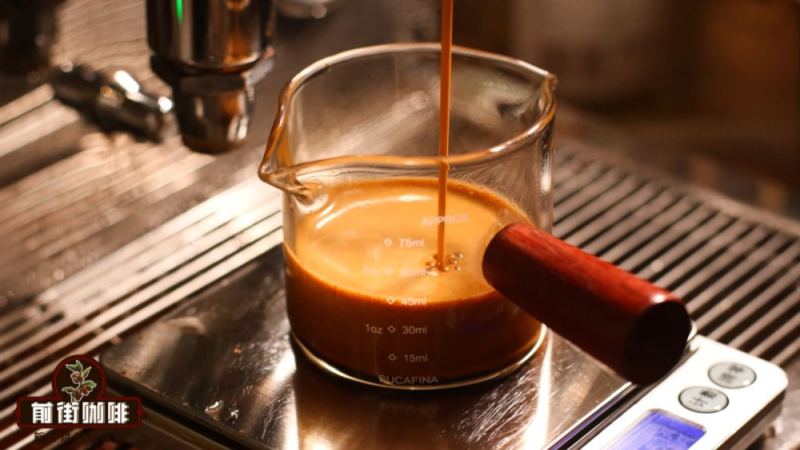
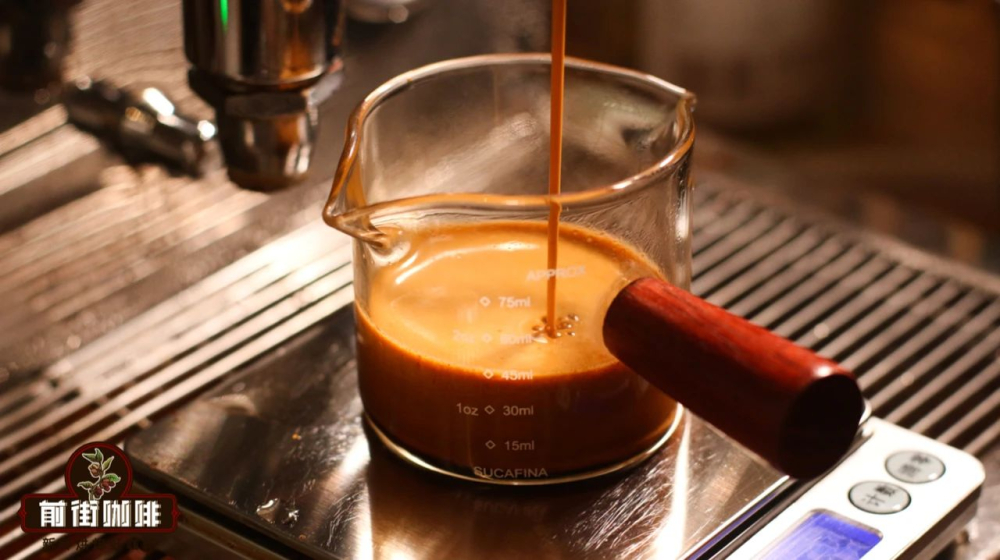
3. Once you've chosen a reliable supplier, whether the coffee ultimately tastes good depends more on the extraction stage. Espresso quality needs to be judged by considering grind size, dose, ratio, flow rate, and taste together.
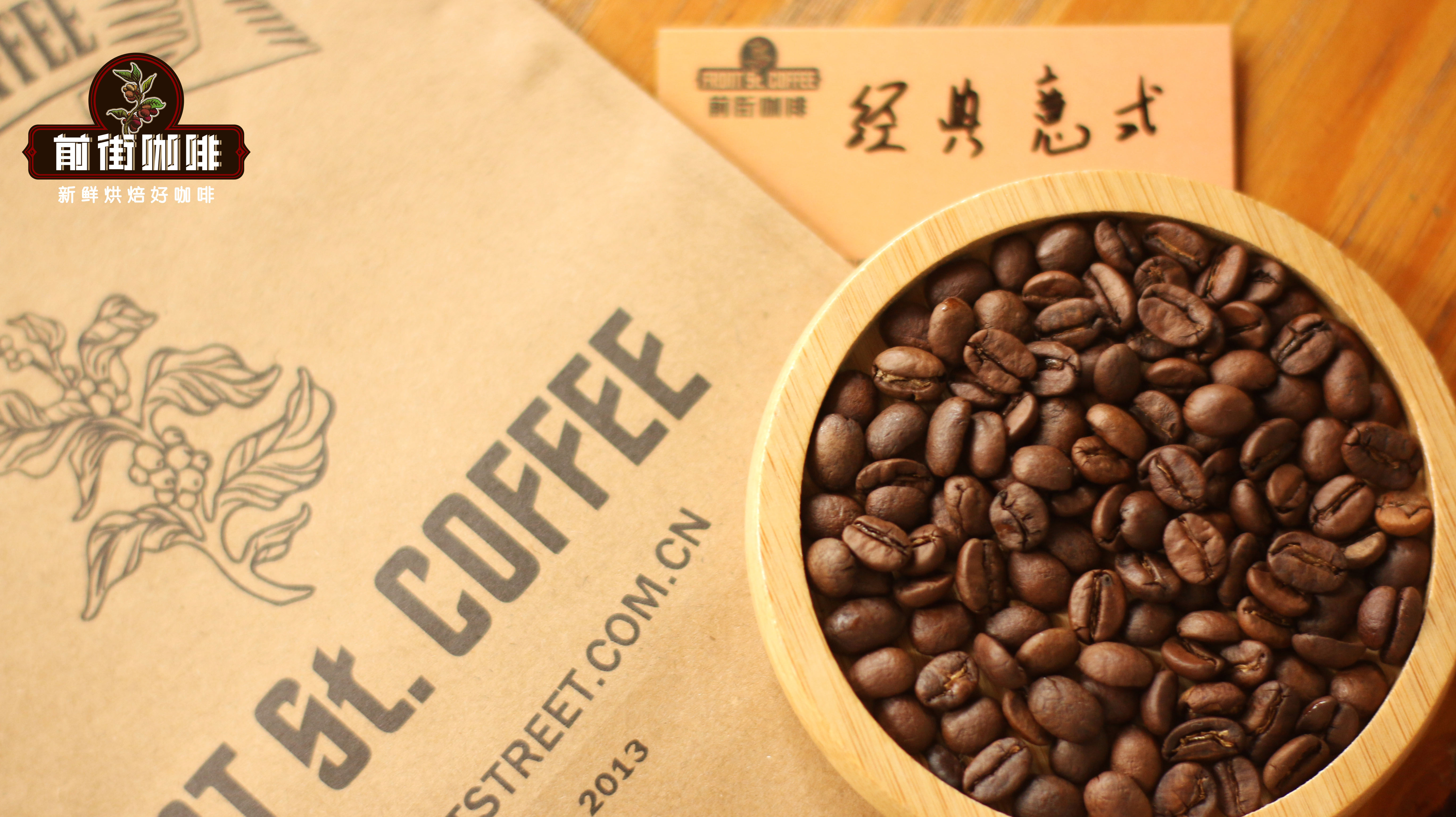
4. Front Street Coffee offers six espresso blend products, among which Front Street Commercial Blend best fits the needs of those opening a coffee shop, while Front Street Specialty Blend is better suited to those who prefer a balanced cup.
Front Street Commercial Blend combines beans from Colombia, Brazil, and Vietnam. It delivers excellent, rich extraction with caramel-like sweetness, interwoven notes of nuts, cocoa, and dark chocolate, balanced acidity and sweetness with a hint of pleasant bitterness, and a long finish. The Colombian Huila beans contribute a pleasing acidity, full-bodied aroma, moderate brightness, and abundant, lingering sweetness; the Brazilian Cerrado beans bring a comfortable bittersweetness and superb smoothness on the palate; the Vietnamese coffee adds generous crema. This commercial blend suits coffee shops and beverage shops of all sizes, more than capable of handling daily operations.
Front Street Specialty Blend brings together two major South American coffee origins — Colombia and Brazil. The extracted coffee has a comfortable bittersweetness; as an Americano, it's extremely smooth and balanced on the palate with a chocolatey sweetness emerging in the finish; as a latte, you'll notice clear notes of nuts, cocoa cookies, and caramel — full-bodied, smooth, and pleasant, with a delightful aftertaste.
The above content is compiled by CoffeeHunters, a coffee news website.


