







What Sets Golden Mandheling Apart From Other Mandheling Lots?
Mandheling is known for a deep, earthy, mellow profile with low acidity and an obvious smooth texture on the tongue, which is why it has a large following across Asia. Its weakness is a high proportion of defective beans, so batch quality varies widely and the coffee stays debated among single-origin drinkers.
Golden Mandheling answers that problem through sorting. The Indonesian green bean trader PWN machine-sorts and hand-picks beans from the Gayo Mountain region in Aceh up to G1 grade and registers the name as a trademark, giving a cleaner cup. Roasted medium-dark, it shows notes of nuts, caramel and chocolate, and rewards a staged pour-over.
Mandheling coffee, with its rich, deep, and low-key style, has a large and loyal following in the Asian market, but its relatively high proportion of defective beans also makes it a highly discussed single-origin coffee. Indonesian green bean trader PWN, through strict machine sorting and manual hand-picking, elevates Mandheling from the Gayo Mountain region in Aceh to G1 grade and registers the trademark "Golden Mandheling," giving it a cleaner flavor profile. The Golden Mandheling sold by Front Street Coffee comes from PWN and is roasted to a medium-dark level, known for its notes of nuts, caramel, and chocolate. This article will start with the varietal characteristics of Mandheling, PWN's grading system, and the origin and varietal background of Golden Mandheling, and will also include Front Street's recommended pour-over parameters and staged pouring technique to help coffee lovers brew a cup of Golden Mandheling with rich layers and a long-lasting sweet aftertaste at home.
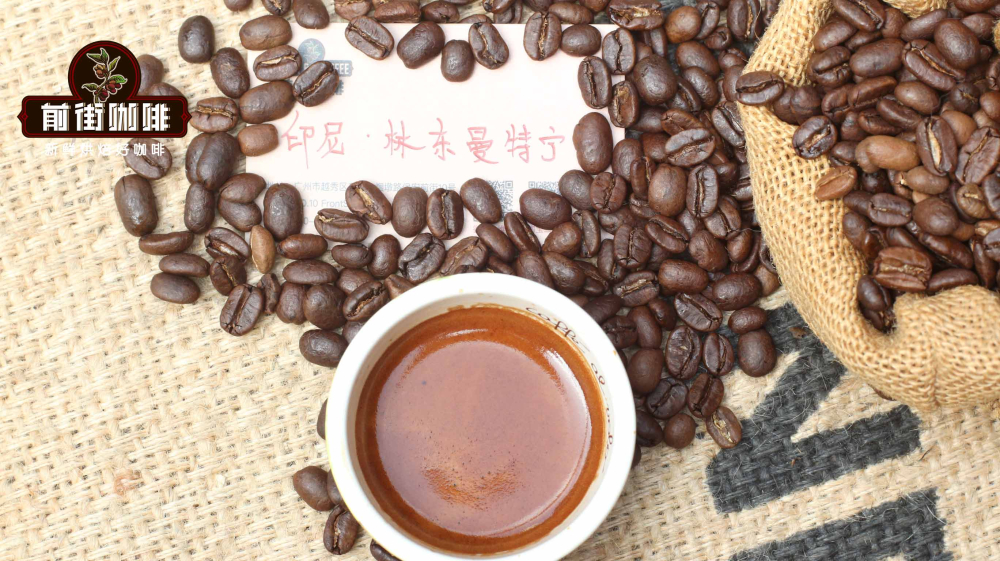
Mandheling coffee green beans are relatively large and hard in texture, and combined with Indonesia's unique wet-hulled processing method, defects can easily occur with the slightest misstep. If quality control after processing is not strict, the quality difference between batches can be very large, and different roast levels will also bring changes in taste, so it has always been one of the more controversial single-origin coffees.
Even so, Mandheling still has a large number of devotees. That deep, earthy, and mellow tone gives people a steady and solid feeling. For many Asian consumers, the impression they first had when encountering coffee was precisely this rich and full-bodied taste, which is also why Mandheling is especially popular in Asia.
When drinking Mandheling, the tip of the tongue can feel an obvious smooth texture, with low acidity, but it does not disappear completely. That lively slight acidity interweaves with the rich aroma, allowing one to experience a touch of vibrancy within the gentle richness.
Mandheling's fame is closely tied to the Japanese obsession with mellow coffee. In order to improve Mandheling's relatively high proportion of defective beans, Japanese importers would spend a great deal of effort sorting the green beans after they arrived at port. An Indonesian green bean trader exporting Mandheling saw a business opportunity and subsequently registered and established a coffee trading company called PWN Pwani.
After purchasing Mandheling coffee beans from the Gayo Mountain region in Aceh, Sumatra, PWN carries out one machine screening plus three rounds of manual hand-picking to ensure every batch produced meets Indonesia's highest G1 standard.
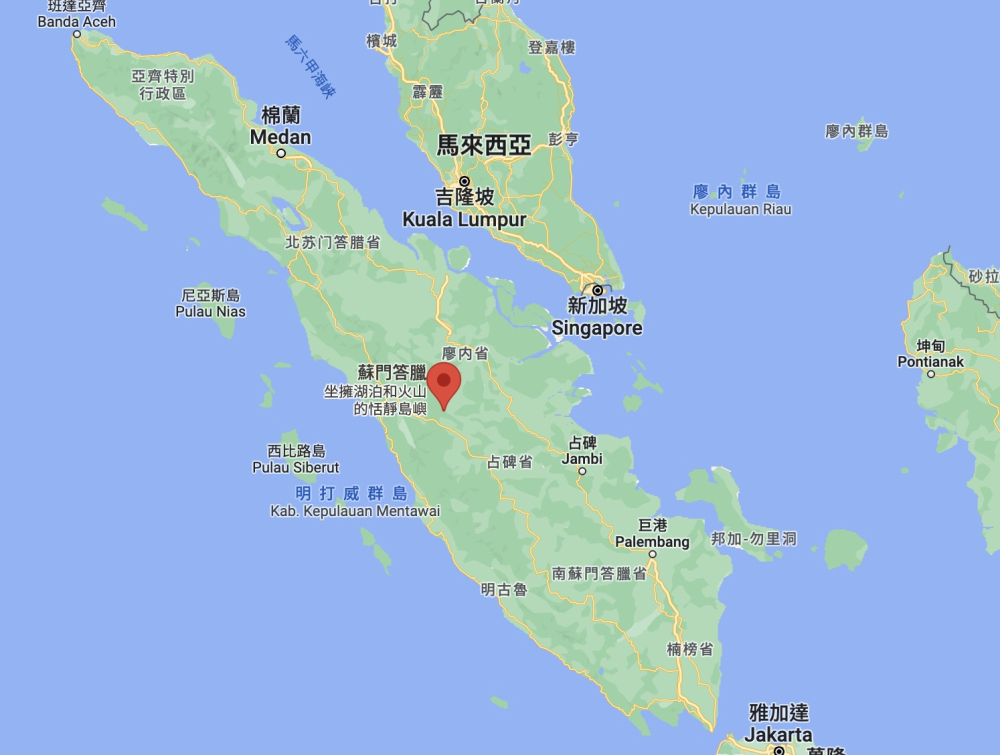
The purpose of machine screening is first to limit the bean size to 18 mesh or above, and then multiple rounds of manual selection are responsible for removing irregularly shaped defective beans. The sharp drop in defect rate significantly improves the overall quality of Mandheling.
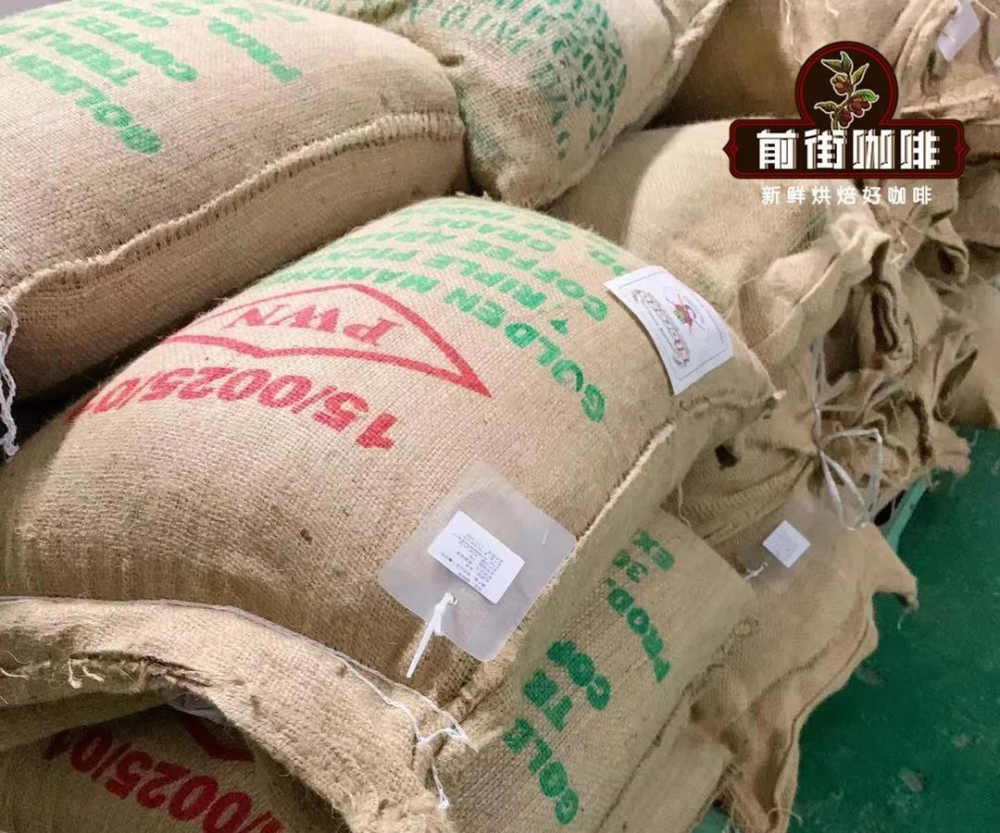
In order to distinguish it from other Mandheling exported on the market, PWN named these carefully selected beans "Golden Mandheling" and registered it as a trademark. As long as first-hand buyers purchase Golden Mandheling from the company, they can obtain a certification certificate issued by PWN, and the burlap sacks of exported green beans are also printed with the word PWN.
The Golden Mandheling coffee beans currently sold by Front Street Coffee all come from PWN, and in the offline store you can see the certification certificate issued by PWN as well as the green bean burlap sacks printed with the company name.
The Golden Mandheling produced by PWN is different from ordinary Mandheling. In addition to undergoing multiple rounds of sorting, PWN only purchases Ateng variety coffee beans grown by smallholders under shade trees at altitudes between 1,110 and 1,600 meters in the Gayo Mountain region of Aceh.
Ateng is Catimor, a descendant of a cross between the Arabica Bourbon variant Caturra and Timor, with several subtypes under it. It carries about one-quarter Robusta lineage, has extremely strong disease resistance, and also inherits Arabica coffee's rich flavor genes.
Because of this, Front Street's PWN Golden Mandheling often presents a cleaner flavor direction. It retains Mandheling's signature herbal spice aroma while also carrying rich dark chocolate flavor and a clearer, longer-lasting sweet aftertaste. To bring out the best flavor in Golden Mandheling, it is crucial to use freshly roasted coffee beans for brewing. All coffee beans currently sold by Front Street Coffee are shipped within 5 days after roasting is completed, ensuring the beans arrive in your hands in a 100% freshly roasted state.
In order to allow the coffee beans to show a richer flavor, Front Street uses a medium-dark roast level. After roasting, the beans expand in volume and become porous in texture, and after grinding their water absorption capacity increases, so the release rate of various substances also speeds up. To avoid over-extraction, it is recommended to use a medium grind size and appropriately lower the water temperature during brewing, reducing the release of bitter large molecules from the extraction stage.
Front Street PWN Golden Mandheling recommended brewing parameters: water temperature 87–88°C, 15 grams of coffee grounds, coffee-to-water ratio 1:15, grind size medium (70% passing through a Chinese standard No. 20 sieve).
Staged pouring: first wet the coffee bed with water weighing twice the coffee grounds, forming a dome and letting it bloom for 30 seconds, then pour in a small stream in circles from the inside outward, pausing the staged pour at 125 grams, wait until the coffee bed drops to half the height of the dripper, then pour the third stage with the same fine stream to 225 grams, and after all the coffee liquid has drained, remove the dripper. The total time is about 2 minutes. Finally, swirl the carafe to mix the coffee liquid evenly and enjoy.
The hand-brewed Front Street PWN Golden Mandheling has rich layering, is mellow and full-bodied, clean in the cup, with aromas of nuts and caramel as well as chocolate notes, a long finish, and excellent balance.
The above content is compiled by CoffeeHunters, a coffee news website.


