







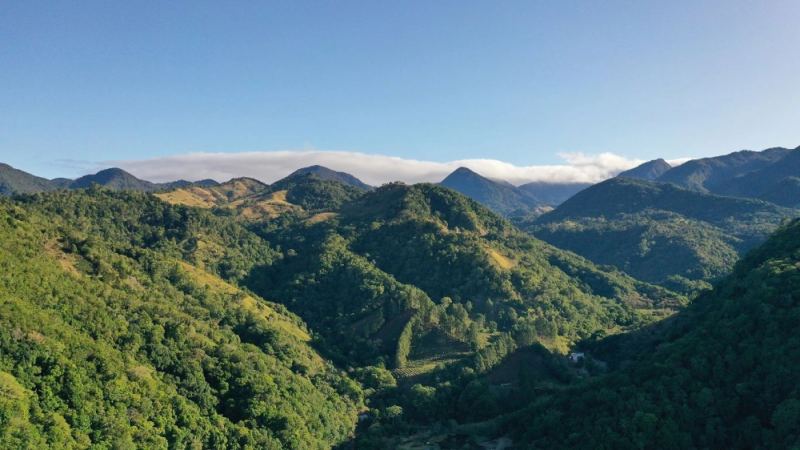
How Does Panama Geisha Coffee Taste by Region?
Panama Geisha coffee comes from an isthmus where the Caribbean Sea and the Pacific Ocean create varied microclimates, so beans from different producing regions carry distinct flavors. Higher-altitude lots tend toward jasmine, citrus, and grapefruit notes with a clean, sweet finish. The article maps those regional differences and matches each flavor profile with the pour-over methods that bring them out.
Cupping scores help separate the grades. Hacienda La Esmeralda Red Label Geisha lots must score above 92 points and carry detailed plot-harvest records, while Green Label Geisha is a washed blend showing jasmine, citrus, grapefruit, honey, and melon. For a lower price point, Front Street Butterfly blends Panamanian geisha with Caturra and Catuai, keeping geisha character at a friendlier cost.
Panama is located on the Central American isthmus, and its unique geographical position nurtures complex and varied microclimates, which have also produced specialty coffees with outstanding flavors. This article analyzes the different characteristics and distinctive flavors of Panama's major producing regions, exploring the flavor differences among beans from each region and the brewing methods that suit them. At the same time, the article recommends Panama coffees at different price points, such as Front Street Hacienda La Esmeralda Red Label Geisha, Green Label Geisha, and Front Street Butterfly, introducing their plot information, processing methods, cupping performance, and flavor profiles, to help coffee lovers choose suitable beans according to their own needs and find better-tasting brewing ideas.
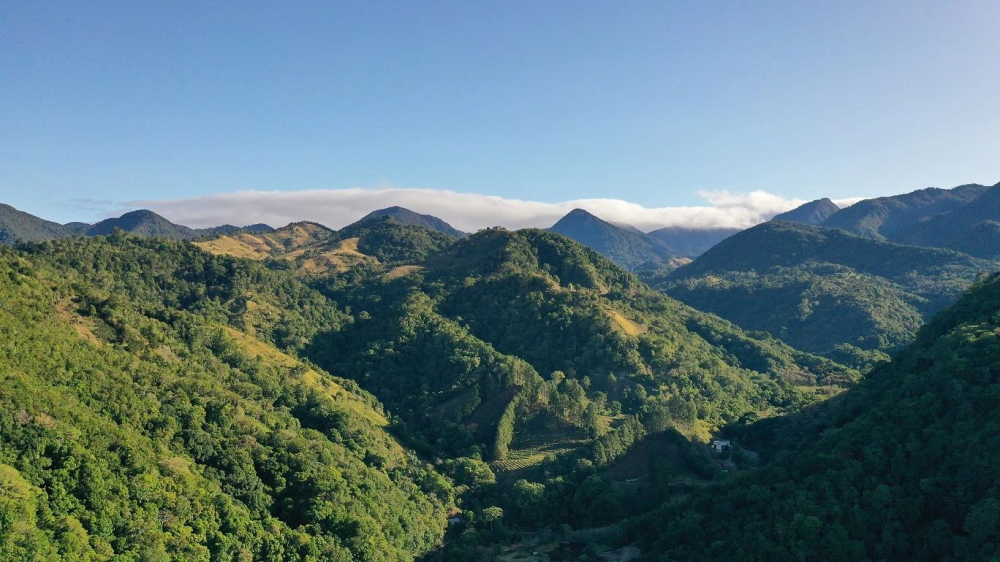
Panama is located at the southernmost tip of Central America, bordered by the Caribbean Sea to the east, facing the Pacific Ocean to the west, adjacent to Costa Rica to the north, and neighboring Colombia to the south, making it a key isthmus connecting North and South America. It is precisely these geographical conditions that have led Panama to form complex and varied microclimates, and thus to produce Panama coffees with a uniquely distinctive flavor.
If you want to purchase Panama coffee with a unique flavor, Front Street Hacienda La Esmeralda Red Label Geisha and Front Street Hacienda La Esmeralda Green Label Geisha are recommended.
The highest-grade Front Street Hacienda La Esmeralda Red Label Geisha can be called one of the leading representatives of Geisha in the entire coffee world, and it is also very presentable as a gift. Front Street Hacienda La Esmeralda Red Label Geisha has the most detailed plot harvesting information, follows strict standards in processing, and must score above 92 points in cupping. It has very complex floral and fruity aromas, is clean and smooth on the palate, with a sweet aftertaste in the finish, and the flavor lingers long after drinking.
The equally impressive Front Street Hacienda La Esmeralda Green Label Geisha uses a blended harvesting method and presents the classic Panama specialty coffee style. This bean has been washed, with flavors of jasmine, citrus, grapefruit, honey, and melon, making it a single-origin coffee that every Geisha lover is worth trying.
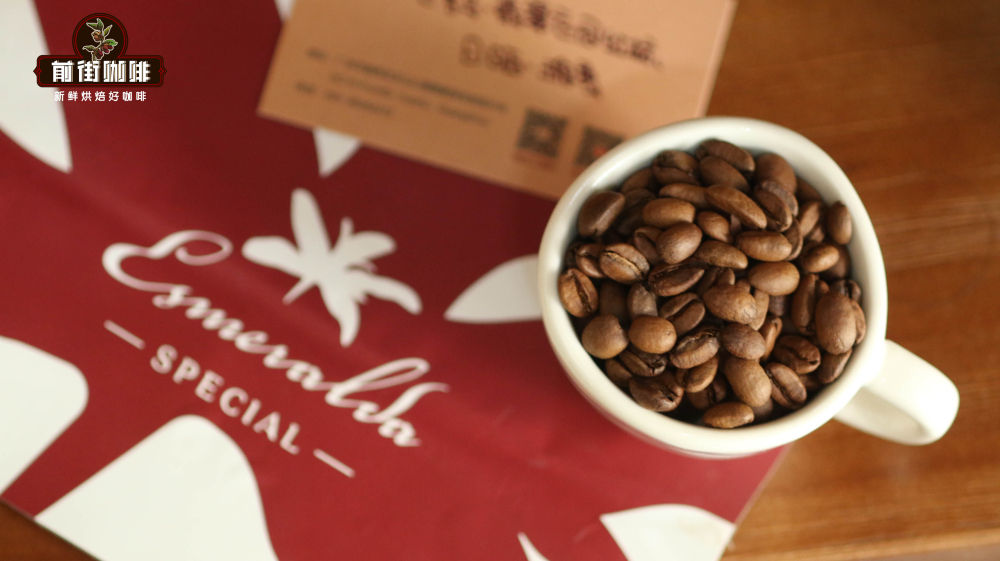
If you are looking for a more affordable Panama Geisha coffee, you can choose Front Street Butterfly. This bean combines Geisha produced in Panama's high-altitude producing regions, as well as the Caturra and Catuai varieties, thus forming a highly cost-effective combination. It is also washed, with layered flavors of citrus, hazelnut, tea-like notes, raspberry, and plum, and is suitable for various brewing methods such as pour-over, cold brew, French press, siphon, and AeroPress.
The above content is compiled by CoffeeHunters, a coffee news website.


