







How Should Mandheling Coffee Be Brewed at Home
Mandheling coffee works well with a coarser grind and medium-dark roast across four methods: pour-over, French press, AeroPress and siphon. Its low acidity, full body and solid flavor come from Arabica grown on Sumatra, mainly the Lake Toba Lintong area and the Gayo Mountain area of Aceh, and the coarser grind keeps the cup clean and sweet.
Front Street Coffee roasts its Mandheling beans to medium-dark, dropping them shortly before second crack. The looser bean structure releases flavor more easily, so a coarser grind suits every method. The Lintong lot shows baked toast, nuts, caramel, pine and herbs, while the PWN Golden Mandheling adds spices and dark chocolate. Beans ship within five days of roasting.
Mandheling coffee is known for its low acidity, full body, and solid flavor, making it one of the most representative dark-roast coffees and a long-time favorite among coffee lovers. Together with Front Street Coffee, this article will focus on the characteristics of Mandheling coffee from the Sumatra region of Indonesia, introduce the flavor profiles and roasting approaches of two Mandheling coffee beans currently sold by Front Street, and break down in detail the specific parameters and steps for four brewing methods—pour-over, French press, AeroPress, and siphon—so you can consistently extract the full, clean, and sweet flavor of Mandheling coffee at home.
In the camp of dark-roast coffee, Mandheling coffee occupies an important place with its rich, aromatic depth. It has low acidity and a thick mouthfeel, making it a long-favored choice for many seasoned coffee enthusiasts. Compared with today’s popular high-acidity coffees, Mandheling coffee presents a calm, solid character that is not easy to tire of.
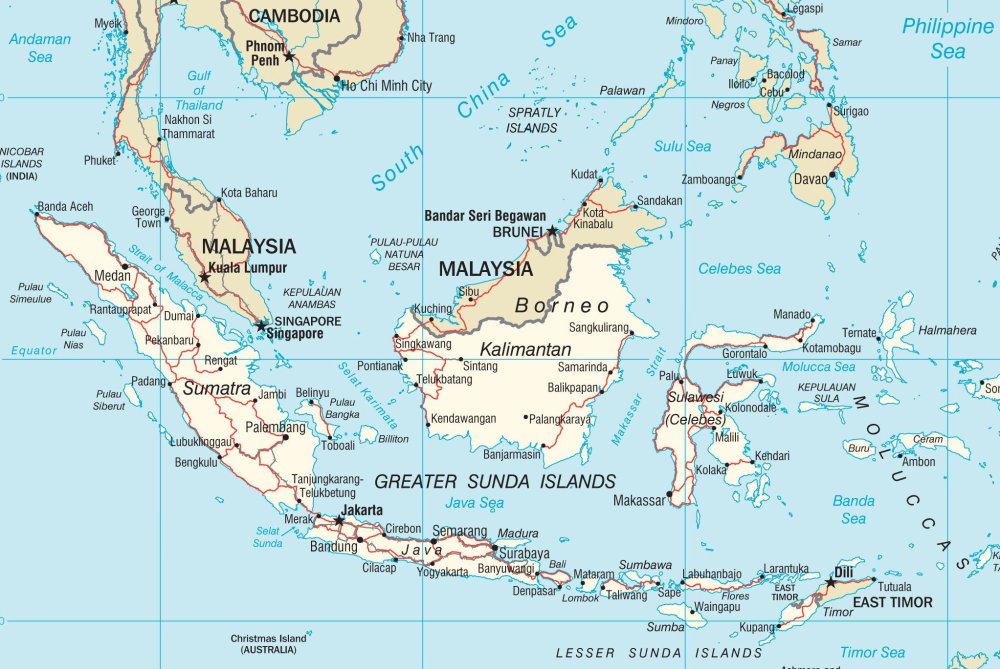
Mandheling coffee specifically refers to the Arabica variety grown on the Indonesian island of Sumatra, while specialty-grade Mandheling coffee mainly comes from the Lake Toba Lintong area and the Gayo Mountain area of Aceh on the island.
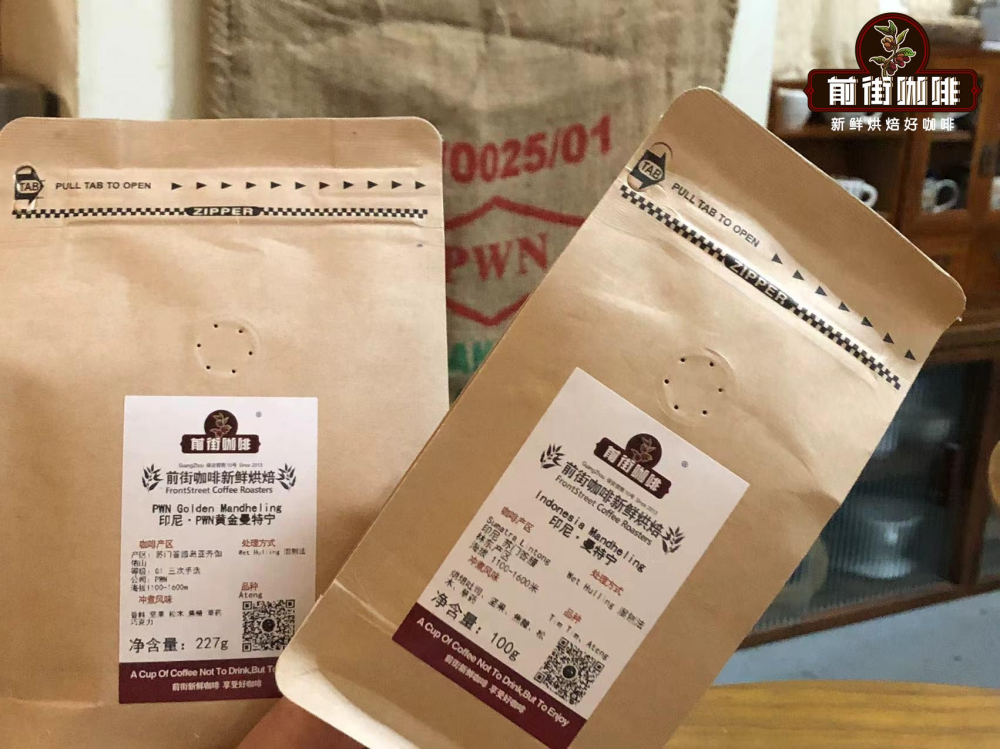
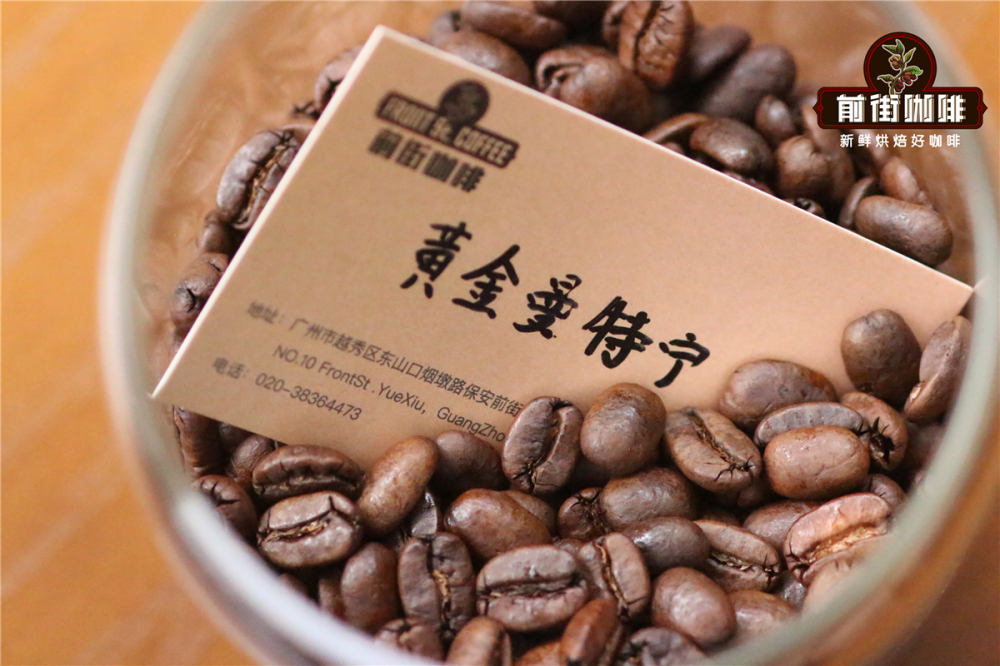
The two Indonesian-origin coffee beans currently offered by Front Street Coffee both come from the producing regions of specialty Mandheling coffee. "Front Street Coffee — Staple Series Lintong Mandheling Coffee Beans" presents notes of baked toast, nuts, caramel, pine, and herbs; "Front Street Coffee — Front Street PWN Golden Mandheling Coffee Beans" carries flavors of spices, nuts, pine, caramel, herbs, and dark chocolate.
Both Mandheling coffee beans reflect the distinctive flavor profile of the Indonesian region. In order to keep the coffee’s solid, full-bodied mouthfeel while preserving cleanliness and sweetness, Front Street Coffee drops the beans shortly before second crack, controlling the roast level at medium-dark.
Medium-dark roasted coffee beans have a looser structure, making their internal substances easier to extract, so regardless of which brewing method is used, a coarser grind is recommended. To present the flavor more completely, all sold coffee beans are shipped within 5 days after roasting is completed, ensuring 100% freshly roasted coffee.
"Recommended Parameters for Pour-Over Mandheling Coffee"
1. Choice of equipment: KONO short-rib dripper
2. Water temperature: 88°C
3. Grind size: medium-coarse grind (70% passing through a Chinese No. 20 standard sieve)
4. Coffee dose: 15g
5. Coffee-to-water ratio: 1:15
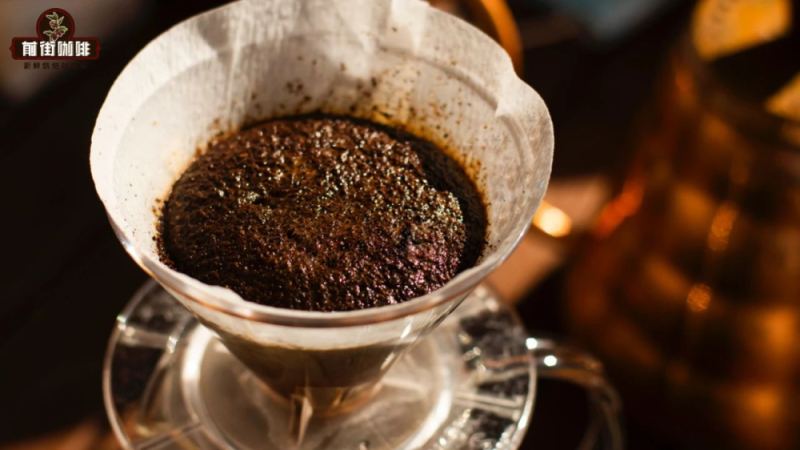
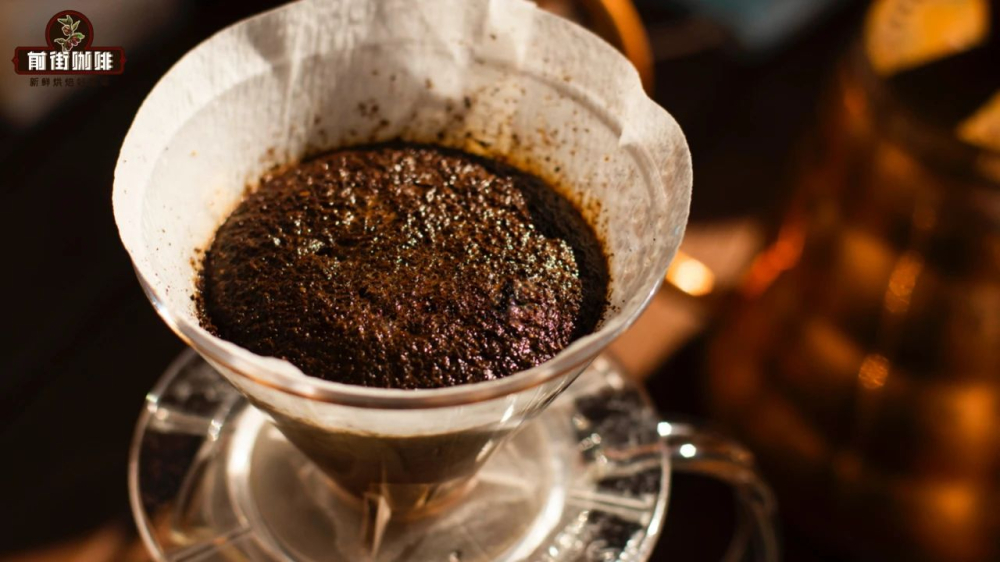
Staged pouring: Front Street Coffee first wets the coffee bed with twice the weight of the coffee grounds in water, forming a dome and blooming for 30s, then pours in a small stream in circles from the inside out until reaching 125g, pauses, waits for the coffee bed to drop to halfway down the dripper, continues with the same fine stream for the third pour up to 225g, and once all the coffee liquid has filtered through, removes the dripper. The total time is about 2 minutes.
"Recommended Parameters for French Press Mandheling Coffee"
1. Choice of equipment: French press
2. Water temperature: 88°C
3. Grind size: coarse grind (60% passing through a Chinese No. 20 standard sieve)
4. Coffee dose: 15g
5. Coffee-to-water ratio: 1:15
How to use the French press: Add the ground coffee to the French press, then pour in 225ml of hot water. The pour can be fairly vigorous (finish pouring in about 3 seconds) to make the coffee grounds tumble and improve extraction efficiency. After pouring, pull up the filter mesh, put the lid on, and wait 4 minutes. After 4 minutes, gently press down the plunger to about 1/4 of the way down the carafe to avoid fine grounds from the bottom surging upward.
"Recommended Parameters for AeroPress Mandheling Coffee"
1. Choice of equipment: AeroPress
2. Water temperature: 85°C
3. Grind size: medium grind (75% passing through a Chinese No. 20 standard sieve)
4. Coffee dose: 20g
5. Coffee-to-water ratio: 1:17
How to use the AeroPress: First pour in 100g of hot water, stir three to five times to fully wet the coffee grounds, and let sit for 20s. Add the remaining hot water up to 240g, let sit for 40s, stir for 5s, and at 1 minute 50 seconds attach the cap and press down. Total time is 2 minutes 5 seconds.
"Recommended Parameters for Siphon Mandheling Coffee"
1. Choice of equipment: siphon brewer
3. Grind size: medium-coarse grind (60% passing through a Chinese No. 20 standard sieve)
4. Coffee dose: 18g
5. Coffee-to-water ratio: 1:10
How to use the siphon brewer: When the water in the lower pot reaches 90°C, insert the upper pot tightly. When the water temperature in the upper pot reaches 90°C, add the coffee grounds and begin stirring back and forth in a cross pattern 4 times to let the coffee grounds fully contact the water. After steeping for 1 minute, remove the heat source, and wipe the lower pot with a dry cloth to speed up the return of the coffee liquid. The time is 1′20″.
The above content is compiled by CoffeeHunters, a coffee news website.


