







How Does an Arabica Bean Taste Differ Across Growing Regions?
Coffee flavor shifts clearly by origin. African beans such as Ethiopia and Kenya cup with bright fruity acidity, Asian beans from Indonesia lean toward herbal and spicy notes, and American beans from Brazil and Colombia show balanced nutty and cocoa character. Knowing these directions lets a buyer pick a single-origin bean that matches a preferred taste instead of guessing from the label.
Brazil grows the main cultivated arabica bean and supplies roughly one cup in three worldwide, with sweetness, bitterness and body kept fairly neutral. Indonesia's arabica comes from Java, Sumatra and Sulawesi and includes Kopi Luwak and Mandheling. Colombia and Jamaica round out the familiar origins, so everyday drinkers can start with a mild Brazilian or Colombian lot and move toward brighter African cups later.
Want to try single-origin coffee beans but don't know where to start? Coffee flavors vary noticeably by origin: African beans have bright fruity acidity, Asian beans stand out for their herbal and spicy notes, while American beans are known for a balanced nutty and cocoa character. This article sorts out the coffee characteristics and representative beans of world-famous regions such as Brazil, Indonesia, Colombia, Ethiopia, Kenya, and Jamaica, and combines them with specific Front Street Coffee products to offer recommendations, helping enthusiasts choose high-value specialty coffee beans according to their flavor preferences. At the end, there is also a list of everyday beans suitable for beginners, making it easy to quickly taste coffee flavors from around the world.
Friends who are just getting into coffee often ask: which coffee beans are worth trying? In fact, every origin has its own signature flavor direction—African beans usually have prominent fruity acidity, Asian beans lean toward herbal and spicy notes, while American beans win with balance, with nutty and cocoa flavors more obvious. Below, Front Street Coffee introduces several world-famous coffee origins.
Brazil
Brazil is the world's largest coffee-producing country, with about one in every three cups of coffee in the world coming from here, and the main cultivated variety is Arabica. For many years, Brazil has remained firmly in the position of the world's number one coffee producer. Brazilian coffee usually has some acidity, with the three tastes of sweetness, bitterness, and body relatively neutral, not particularly high in intensity, smooth on the palate and unique in style. It is regarded as the backbone of the coffee world and is often used in blends. Highly recommended are Front Street Brazil Cerrado Coffee, Front Street Queen Estate Coffee, and Front Street Specialty Espresso Blend Coffee.
Indonesia
Coffee cultivation in Indonesia can be traced back to the colonial period, and the main varieties include Arabica and Robusta. The Arabica beans produced in Indonesia rank among the finest in the world. As Asia's largest coffee-producing region, Indonesia's coffee is mainly distributed in Java, Sumatra, and Sulawesi, among which the most famous are Kopi Luwak and Mandheling coffee. For excellent quality, Front Street Golden Mandheling Coffee is recommended.
Colombia
Colombia is the world's fourth-largest coffee-producing country. The coffee it produces has a mild taste, nearly perfect flavor characteristics, and extremely outstanding quality. Colombian coffee has a light and elegant aroma. It is neither as heavy as Brazilian coffee nor as sharply acidic as African beans, but instead presents a sweetness similar to dark chocolate, and is therefore known as the "coffee gentleman." It is suggested to try Colombian Huila coffee beans.
Ethiopia
When people mention Ethiopia, the first thing they associate with it is local coffee and its unique flavor. About 15% of the population of this East African country depends on the coffee industry for survival, and the local coffee culture is extremely strong. Ethiopians themselves also love drinking coffee, consuming about half of the country's production. Many high-quality beans have already become the daily staples of numerous coffee lovers. The most representative single origins include Front Street Gu Ding Ding Coffee, Front Street Yirgacheffe Coffee, Front Street Red Cherry Coffee, and Front Street Huakui Coffee.

Kenya
Kenya is located in East Africa, adjacent to Ethiopia, the birthplace of coffee. However, Kenya did not introduce coffee until close to the 20th century, and this spread path almost went all the way around the globe before returning to Africa. According to Front Street's understanding, although Kenya's coffee started relatively late, its specialty coffee is now world-renowned. Unlike Ethiopia's citric acidity, Kenyan coffee has a unique cherry tomato-like acidity, which is also the reason it stands out among many specialty beans. It is recommended to buy Front Street Kenya Little Tomato Coffee Beans.
Jamaica
After brewing authentic Jamaican Front Street Blue Mountain coffee beans, not only is the aroma rich and mellow, but the three flavors of sweetness, acidity, and bitterness are perfectly balanced, with almost no bitterness, leaving only a slight acidity and a sweet aftertaste. It is precisely this pure coffee taste that has made Jamaican Blue Mountain coffee famous around the world. Authentic Jamaican Blue Mountain coffee is grown only in the Blue Mountains, and the elevation must be between 1,000 and 1,700 meters for it to be called authentic Blue Mountain coffee beans.
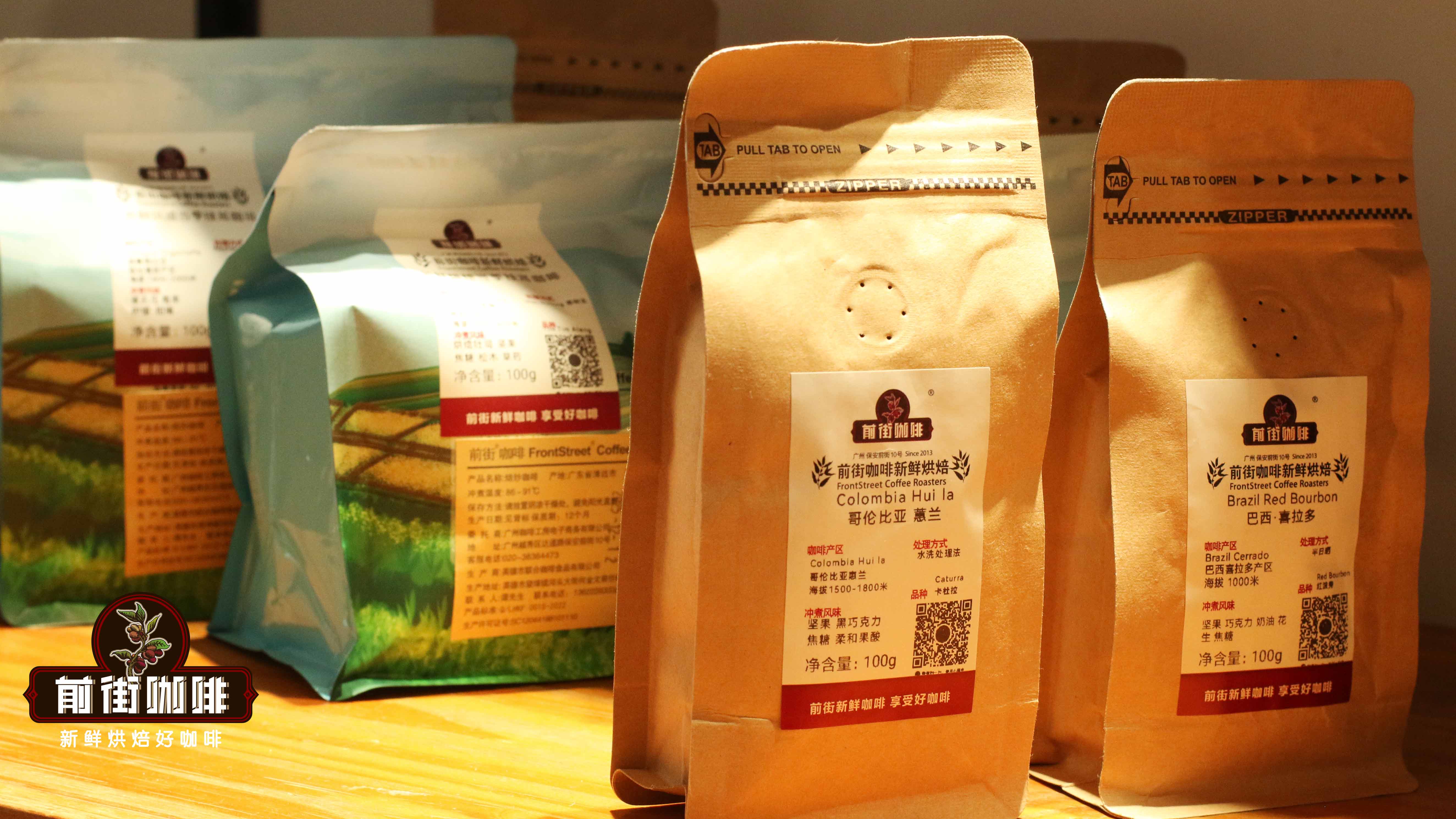
So which coffee beans are both high in value and delicious? The everyday coffee beans launched by Front Street Coffee include Front Street Yirgacheffe, Front Street Brazil Red Bourbon, Front Street Colombia Huila, Front Street Indonesia Mandheling, Front Street Costa Rica Tarrazu, and Front Street Yunnan Small Bean. They all retain the flavor characteristics of their respective origins, are affordable, taste good, and come in generous portions. The purpose of launching these beans is to let beginners quickly taste coffee flavors from around the world.
The above content is compiled by CoffeeHunters, a coffee news website.


