







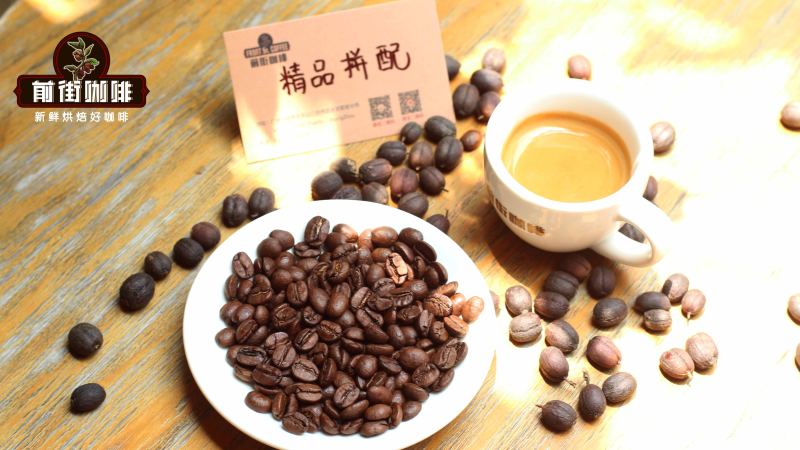
What should guide commercial blend coffee choices?
Commercial coffee beans for a shop or beverage store are usually blends, because combining origins and roast levels gives a balanced espresso that holds up in milk drinks. Cost budget and flavor target matter most: nutty and sweet profiles suit milk, while darker cocoa notes push through in stronger drinks.
Blending means more than mixing origins; the same bean can be paired at different roast levels. The core principle is a balanced final espresso, with bitterness, acidity, sweetness, and aftertaste in proportion. A blend built on Brazil and Colombia at medium-dark roast, for example, keeps a slight acidity and delicate sweetness with a nutty finish.
Opening a coffee shop or beverage store starts with choosing the right commercial coffee beans for consistent quality. Common commercial coffee beans on the market are mostly blends, combining different origins and roast levels to achieve a balanced Espresso flavor. This article focuses on several commercial blend beans from Front Street Coffee, including the Classic Specialty Blend, the Commercial Blend with Robusta, the Black Cocoa Blend, the Classic Blend, and the Strawberry Candy Espresso Blend. It introduces their origin composition, roasting methods, flavor characteristics, and suitable applications, helping coffee professionals make appropriate choices based on cost budget and flavor requirements, while also providing a reference for coffee enthusiasts to understand espresso blend beans.
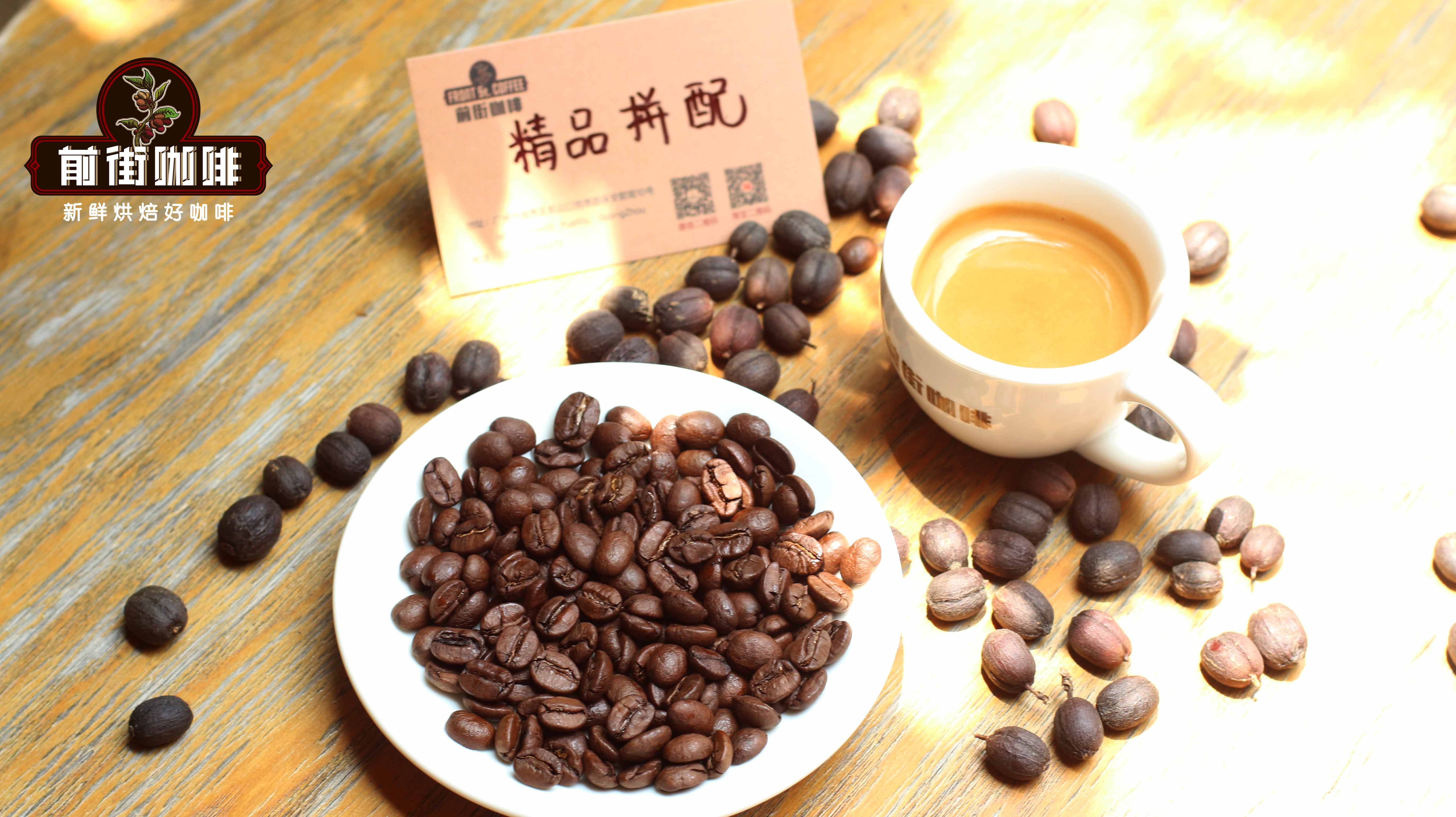
Front Street Coffee Specialty Blend Coffee Beans
Countries: Brazil, Colombia
Roast Level: Medium-Dark Roast
Processing Methods: Pulped Natural, Washed
Flavor: Aromatic, Nutty, Strong Sweetness When Paired with Milk
We have been using the Front Street Coffee Specialty Blend in our own store, having switched to it about half a year after opening, and we haven't changed it since. The recipe uses two American beans from Brazil and Colombia, with the roast level controlled at medium-dark. The idea when designing this blend was to use American beans as the main body, highlighting nutty and sweet notes while avoiding burnt bitterness as much as possible. Due to the medium-dark roast, extracting Espresso yields a slight acidity and delicate sweetness, with a nutty aftertaste in the finish. The overall performance is mild and not harsh, and the crema thickness is medium. Additionally, these blend beans are manually sorted before leaving the factory to remove defective beans.
The foundation of an ideal Espresso lies in the blend. A good Espresso needs sweetness and pursues overall balance, with bitterness, acidity, sweetness, and aftertaste all coordinated. A single coffee bean can hardly satisfy all these conditions at once, so to get an excellent Espresso, you first need a reasonable blending plan. Blending refers not only to combinations of coffee beans from different origins but also to pairing the same bean at different roast levels. Regardless of the method, the core principle of blending is only one: to achieve a balanced final Espresso flavor.
Many people insist that authentic espresso should contain Robusta coffee. Even globally renowned Italian coffee brands like Lavazza never shy away from their preference for Robusta. In addition, if you are opening a coffee shop for commercial use, you can also prioritize Front Street Coffee Commercial Blend.
[Front Street Coffee Commercial Blend] Colombia: Brazil: and a small portion of Robusta
Flavor Characteristics: Classic taste, caramel sweetness, nutty and cocoa-like, dark chocolate flavors, balanced acidity and sweetness, slightly bittersweet, long-lasting aftertaste.
Coffee beans from the Huila region of Colombia have a pleasant acidity, rich aroma, moderate acidity, abundant sweetness, and are very intriguing; beans from the Cerrado region of Brazil bring a comfortable bittersweet taste and a smooth entry. Robusta coffee beans contribute rich crema, making this blend also very suitable for practicing latte art. Overall, this commercial blend coffee is suitable for coffee shops and beverage stores of different sizes.
If you need to further compress costs and do not have high requirements for flavor, then the espresso moka pot coffee beans recommended by many baristas at Front Street—Front Street Black Cocoa Blend—would be a good choice.
[Espresso Moka Pot Coffee Beans Recommended by Many Baristas at Front Street - Front Street Black Cocoa Blend] Yunnan AA: Brazil
Flavor Characteristics: Soft fruit acidity, caramel sweetness, nutty, dark chocolate flavors, smooth and viscous
Yunnan's natural conditions are quite similar to Colombia's: high altitude, large temperature difference between day and night, with a flavor leaning towards mellow, moderate acidity, rich and full aroma, uniform particles, high oil content, and fruity notes. The overall quality and taste are close to Colombian coffee. Beans from the Cerrado region of Brazil have a comfortable bittersweet taste and an extremely smooth entry. This Front Street Black Cocoa Blend coffee bean is suitable for small coffee shops, bakeries, or beverage stores.

But if you pursue perfection and are committed to producing a good cup of coffee, then we suggest you consider Front Street Classic Blend coffee beans.
This is an espresso recipe combining Indonesian Mandheling beans and Brazilian beans. It has both the wild aroma of Mandheling and retains the smooth mouthfeel of Brazilian beans, creating a complementary and harmonious balance in taste. The resulting coffee exudes rich butter, roasted hazelnut, caramel, and dark chocolate flavors, with a full body. The black coffee is sweet and refreshing, while adding milk to make a latte results in a smooth and delicate drink.
If you want an espresso coffee bean with pronounced floral and fruity flavors, then you can choose the Front Street Strawberry Candy Espresso Blend coffee bean, which has rich floral and berry flavor expressions.
The above content is compiled by CoffeeHunters, a coffee news website.


