







How Is Golden Mandheling Coffee Processed?
Golden Mandheling is the top grade of Mandheling, the signature single-origin coffee of Sumatra, Indonesia. The name came from a small place on the island that later described an ethnic group, the Mandailing. PWN, a Medan exporter founded in 1957, promoted the coffee to Japan and holds the Golden Mandheling trademark, while Gold Top Mandheling is a separate label.
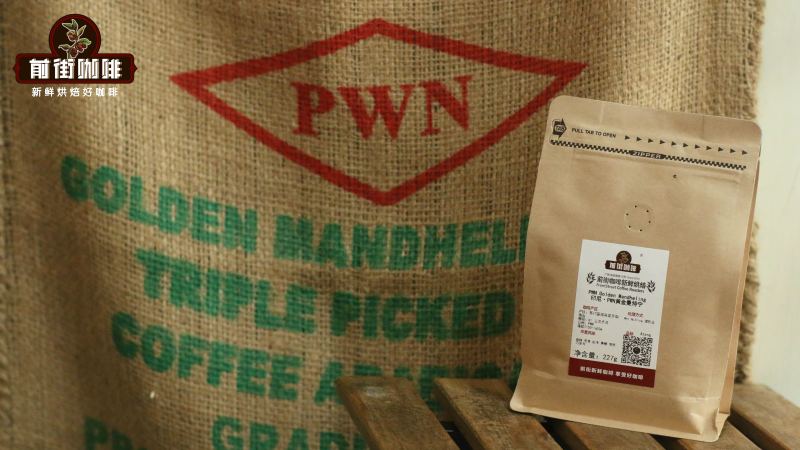
Beans from the Gayo highlands are wet-hulled, a Sumatran method that strips parchment while the bean is still moist and produces the dense, low-acid profile the region is known for. Front Street PWN Golden Mandheling is roasted for a Kono dripper segmented pour-over, and cups with baked toast, nuts, pine, caramel and herbal notes.
Mandheling is the most iconic single-origin coffee from Sumatra, Indonesia, and Golden Mandheling is its highest grade. This article will start with the origin of the name and the history of PWN, then sort out the trademark dispute and flavor differences between Golden Mandheling and Gold Top Mandheling, and document in detail the wet-hulling process, green bean selection standards, and the complete parameters and flavor profile of the Kono dripper segmented pour-over for Front Street PWN Golden Mandheling. Whether you want to learn the story behind Mandheling or find a reliable brewing method, this article is worth reading.
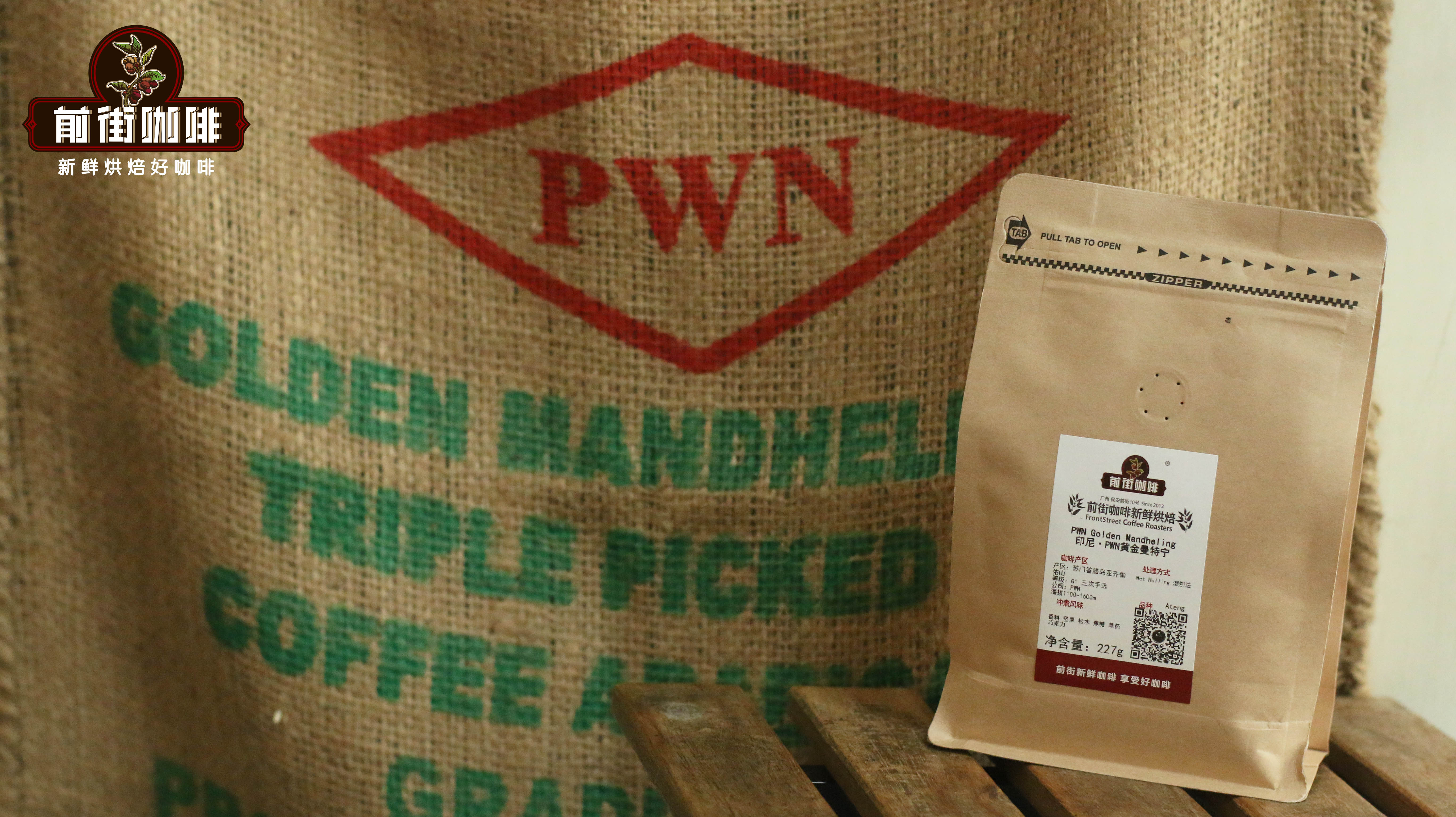
Front Street PWN Golden Mandheling Coffee Beans
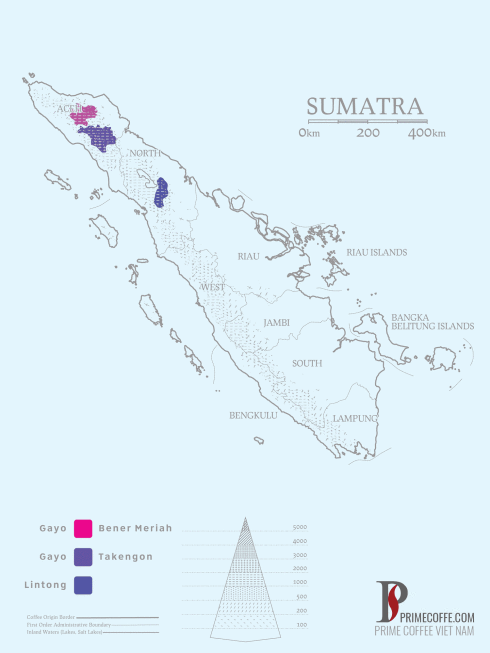
Country: Indonesia Region: Sumatra, Aceh, Mount Gayo Altitude: 1100-1600m Variety: Ateng Process: Wet-hulled Flavor: Baked toast, nuts, pine, caramel, herbal
When it comes to Mandheling coffee, Indonesian PWN and Front Street PWN Golden Mandheling coffee beans are almost unavoidable names. However, this bean was not originally developed by PWN itself, but gradually took shape inspired by demand from Japan. So why is it that when people talk about Front Street Golden Mandheling, the first company that comes to mind is Indonesian PWN rather than a Japanese company? Below, Front Street Coffee will sort it out for everyone point by point.
Mandheling Coffee Beans and Golden Mandheling Where Does the Name Come From
Mandheling was originally just an inconspicuous small place name on the island of Sumatra, and later gradually came to refer to an ethnic group — the Mandailing. Today, it has become one of the most widely known single-origin coffees in all of Indonesia. Regarding the origin of the name Mandheling, various versions of the story circulate among the public. Although those claims still lack solid evidence, what is certain is that Mandheling was indeed a great success in the Japanese market.
The reason Mandheling coffee gained recognition is thanks to Pawani Coffee Company (PWN) successfully promoting it to the Japanese market. Pawani is an export-oriented enterprise founded by a Chinese family from Quanzhou, Fujian, located in Medan, an important port city in Sumatra. It has been engaged in export business since 1957, dealing in categories including rubber, cassia seed, cloves, patchouli oil, and of course exporting Sumatra coffee beans to Japan. Unlike many local green bean traders in Indonesia, Pawani specializes in supplying high-grade Mandheling coffee beans, and all the Mandheling it produces is of superior quality.
The outstanding quality of Front Street Golden Mandheling lies in the fact that PWN conducts three rounds of manual hand-sorting on G1-grade Mandheling green beans. The so-called G1 grade means the bean size is strictly controlled at above 18 screen, and no more than 3 defective beans are allowed in every 300-gram green bean sample. After repeated screening, the defect rate of Front Street Golden Mandheling is reduced to an extremely low level, making the output batches more stable and superior, with clean sweetness and fuller aroma.
Back then, after the Japanese took an interest in Sumatra coffee, they originally intended to purchase it long-term, but soon discovered that bean quality was often inconsistent. So they decided to increase investment in the production of Mandheling, setting out to establish strict screening standards and defect-removal procedures. Starting from indicators such as bean density, specification, shape, and color, all green beans had to go through machine plus manual removal of defects, ensuring the Mandheling produced was complete, uniform, large, and translucent, while reducing earthy and grassy flavors. At that time, this product was named Golden Mandheling, which literally translates into Chinese as “黄金曼特宁.”
However, the name Golden Mandheling was registered as a trademark first by Pawani, and all Japanese companies that introduced the product had to give up using Golden Mandheling. Because of this, Japanese importers changed the original Golden Mandheling to Gold Top Mandheling, which was translated into Chinese as “鼎上黄金曼特宁.”
Is Indonesian Gold Top Mandheling good? What is the difference between it and Front Street PWN Golden Mandheling?
According to Front Street Coffee, both Gold Top Mandheling and Front Street PWN Golden Mandheling on Front Street’s bean list come from the Lintong region in northern Sumatra, Indonesia. At harvest, only fully ripe cherries are picked entirely by hand one by one to ensure initial bean selection quality. The coffee cherries are processed using the wet-hulling method. After hulling, they undergo another round of drying and refining, as well as two green bean cleanings and four manual selections. Therefore, both beans can be called strictly selected top-grade Mandheling.
The difference is that Golden Mandheling has been registered as a trademark by Indonesian Pawani Coffee Company, becoming PWN’s exclusive name. From this, it can be judged that the flavor difference between these two beans will not be too great; the main difference lies in brand ownership. Next, Front Street Coffee will share with everyone the relevant information and flavor characteristics of the Front Street PWN Golden Mandheling introduced in the shop.
The green bean processing method used for Front Street PWN Golden Mandheling coffee beans is precisely Indonesia’s most iconic wet-hulling method, and it is this craft that gives Indonesian Mandheling its unique earthy, herbal, and spicy notes.
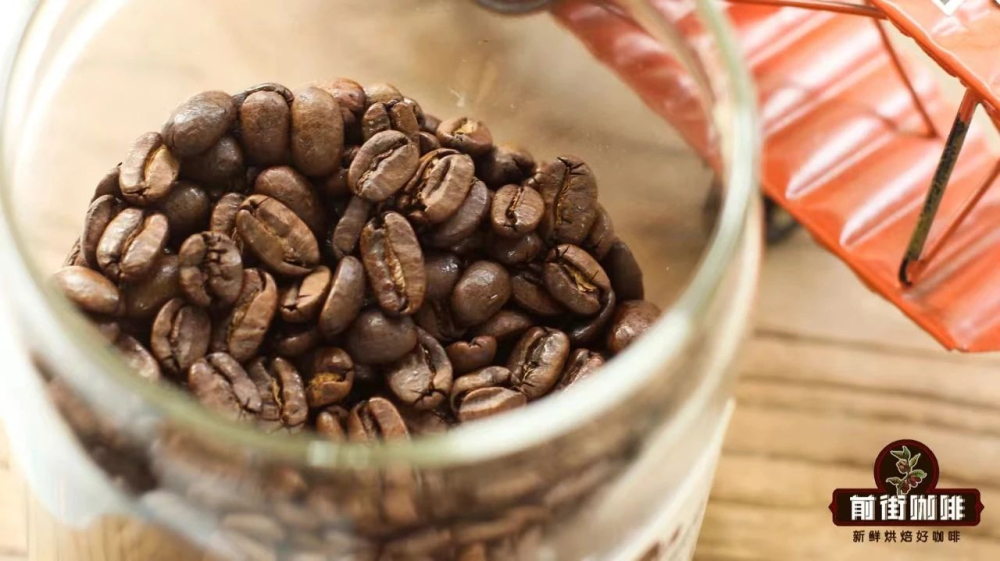
The emergence of the wet-hulling method is closely related to local climatic conditions. Sumatra has many rainy days and frequent typhoons, making it difficult to meet the good weather required for natural sun-drying; in addition, limited local economic conditions made it impossible to afford the higher-cost washed method. Under the combination of multiple factors, the highly local wet-hulling method emerged. Specifically, wet-hulling first removes the coffee bean’s skin and pulp, then after a short fermentation it is sun-dried, after which the mucilage and parchment layer are removed, and drying continues until the moisture content drops to 12%. Mandheling coffee beans processed by wet-hulling often show varying degrees of挤压裂痕 on the surface. Front Street Coffee believes this is not a defect bean, but an inherent characteristic of Mandheling.
Next, Front Street will share the pour-over brewing method and flavor performance of this coffee bean.
Front Street Golden Mandheling Brewing Recommendation
Dripper: Kono dripper Water temperature: 86℃ Dose: 15 grams Coffee-to-water ratio: 1:15 Grind size: medium-fine (EK43s grinder setting 11)
*Reason for choosing the Kono dripper: The Kono dripper has fewer ribs and they are concentrated on the lower end, allowing the filter paper to hug the wall of the dripper, thereby restricting airflow and extending the contact time between water and coffee grounds, allowing the coffee grounds to be fully extracted and improving body. Therefore, this dripper is not only suitable for brewing Front Street Golden Mandheling, but also for Front Street Queen’s Estate Brazil, Front Street Jamaica Blue Mountain No. 1, and other medium-dark roasted coffee beans.
Brewing method: segmented extraction First bloom with 30 grams of water for 30 seconds, then pour in a small stream in circles until 125 grams and pause for a segment. When the water level drops and is about to expose the coffee bed, continue pouring until 225 grams and stop. When the water level drops again and is about to expose the coffee bed, remove the dripper (timing starts at the beginning of the bloom). Total extraction time is 2 minutes 00 seconds.
Front Street Golden Mandheling flavor description: Layered and varied, mellow and clean, highly balanced, with strong nut and chocolate flavors, rich spice and caramel aromas, and a hint of fruit, with a lasting finish.
The above content is compiled by CoffeeHunters, a coffee news website.


