







What Sets Caturra Apart as a Type of Coffee Seeds?
Caturra is a natural mutation of Bourbon, found between 1915 and 1918 on a plantation in Minas Gerais, Brazil. The plant is short with compact branches, and the Guarani word Caturra means small. Because it does not need shade trees like Typica and Bourbon, it grows vigorously in direct sun and is called Sun Coffee.
Brazil's IAC began selecting Caturra in 1937 using mass selection, mixing seed from plants with superior traits and repeating the process. Suited to 700 to 1,700 meters, the variety gains brighter acidity, more aroma and better sweetness at higher elevations. Its short stature allows denser planting and easier harvesting, raising yield per unit area.
Caturra is a natural mutation of the Bourbon variety, named for its small stature and compact branches, and it occupies an important place among coffee varieties. It originated in Minas Gerais, Brazil, and was later widely planted in Central America. Unlike traditional varieties such as Typica and Bourbon, Caturra does not require shade and can grow vigorously in direct sunlight, which is why it is called "Sun Coffee." Caturra is suitable for cultivation at altitudes of 700 to 1,700 meters, and the higher the altitude, the more pronounced the flavor, offering both bright acidity and aroma as well as good sweetness. This article will introduce Caturra's discovery history, breeding process, cultivation advantages, and flavor characteristics in detail, and combine Front Street Coffee's cupping and product information to help readers gain a comprehensive understanding of this variety.
What is the Caturra coffee variety?
Caturra is a natural mutation of the Bourbon variety, discovered between 1915 and 1918 on a plantation in Minas Gerais, Brazil. At that time, among the Bourbon population on the plantation, some individuals underwent genetic mutations, causing the plants to become small and take on a form similar to dwarfism. The locals used the Guarani language to call this new coffee growth form "Caturra," meaning "small," and it was sometimes also called "Nanico."
The São Paulo State Agricultural College (IAC) in Campinas, Brazil, began selection work on Caturra in 1937. Caturra was bred through mass selection, that is, selecting a group of individuals according to superior traits, mixing their seeds to cultivate the next generation, and then repeating this process. Interestingly, this variety was never officially released in Brazil, yet it became very common in Central America.
Caturra plants are short, so they can be planted more densely, and because the secondary branches are closely spaced, more fruit can be produced within the same area, greatly increasing yield per unit area. The short stature of the plant also makes harvesting easier.
One of its most important advantages is that, unlike old varieties such as Typica and Bourbon, Caturra does not need shade trees and still grows vigorously under direct sunlight, so this type of coffee is also called "Sun Coffee." Caturra is suitable for cultivation at altitudes of 700 to 1,700 meters, and its adaptability to the environment is stronger than that of Bourbon. The higher the altitude, the better its flavor performance.
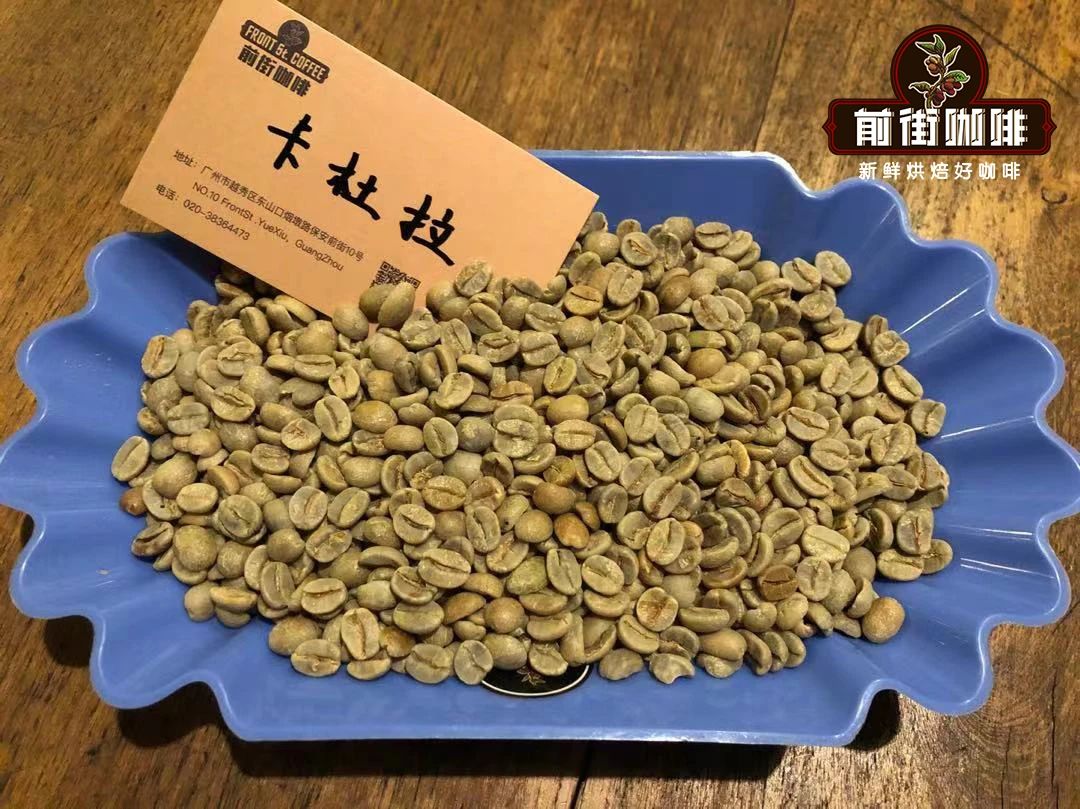
Like Bourbon, Caturra also has the cyclical problem of fluctuating productivity every two years. It possesses both high-quality acidity and aroma, is overall bright, and has quite good sweetness. According to Front Street Coffee's cupping results, Caturra coffee beans processed by traditional methods have obvious acidity and aroma and are overall bright, and if processed properly, their sweetness can be very prominent. However, Caturra's body is slightly lower than Bourbon's, and its cleanliness in the mouth is also somewhat lacking.
Caturra coffee beans processed by the natural method present a pleasant berry-like acidity and aroma, tasting similar to berry juice; Caturra coffee beans processed by the washed method show the bright acidity of citrus fruits, with an entry that is somewhat like lemonade.
Among the selected regional daily coffee beans currently sold by Front Street Coffee, the beans representing Colombia's Huila region are precisely the Caturra variety.
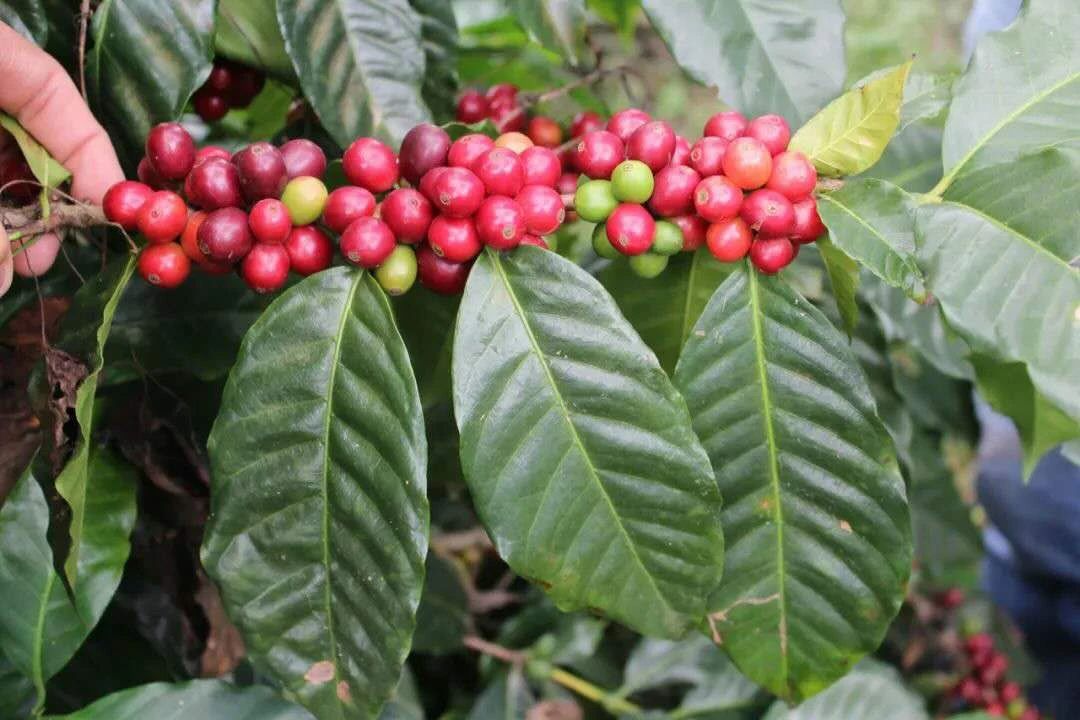
Front Street selected coffee beans grown at an altitude of 1,500 to 1,800 meters and processed by the traditional washed method. After medium roasting, the flavor can display nuts, dark chocolate, caramel, and soft citrus acidity.
The above content is compiled by CoffeeHunters, a coffee news website.


