







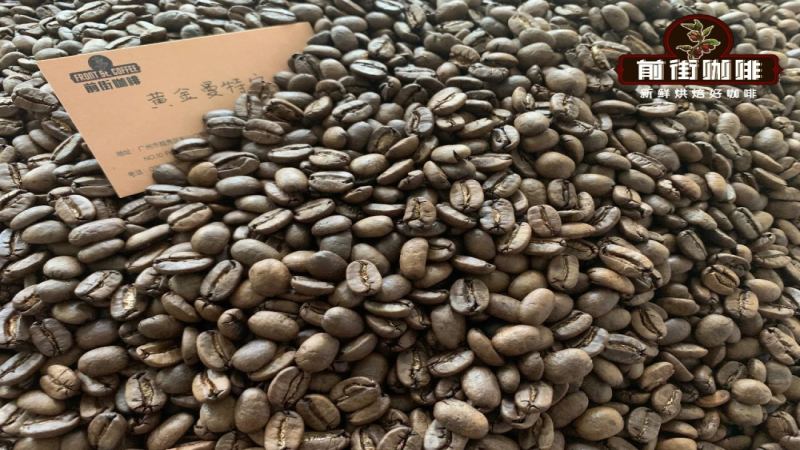
How Do You Identify Authentic Golden Mandheling Beans?
Golden Mandheling is one of Asia's most recognized single-origin coffees, and counterfeits are common. Authentic beans carry the registered trademark held by PWN. That company buys cherries from the Gayo region, selects ripe fruit, and after washing and drying runs at least three rounds of hand sorting plus one machine screening.
Defective beans are kept to no more than three in a 300g green bean sample, and the beans stay uniform, translucent blue-green, and consistent in shape, exceeding Indonesia's G1 grade. Checking the bean size, the PWN trademark, and the cup profile helps buyers avoid fakes; Front Street supplies PWN beans and roasts within five days.
Golden Mandheling is one of Asia's most iconic single-origin coffees, but with so many fakes on the market, how should consumers choose? This article starts from the three unique features of Front Street PWN Golden Mandheling, explaining in detail PWN's strict purchasing and screening process, how to identify the registered trademark, and Indonesia's grading standards for Mandheling based on the number of defective beans. It also introduces the product information and flavor characteristics of two Indonesian Mandheling coffees available at Front Street, helping coffee enthusiasts master the key points for identifying Golden Mandheling, from bean size to cup profile.
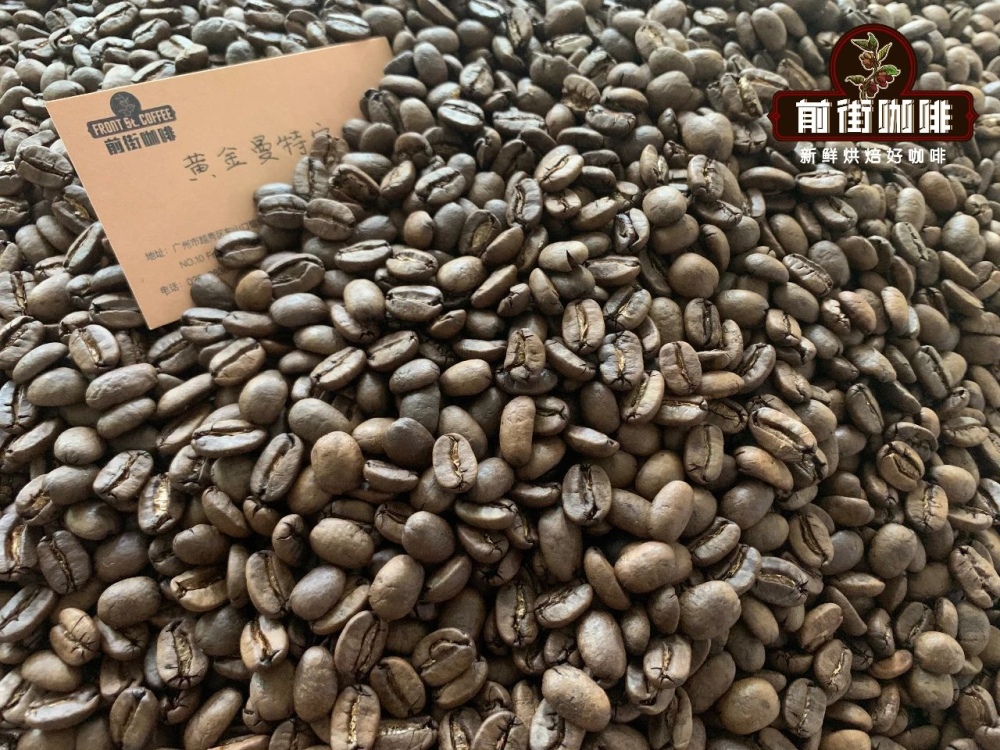
Front Street Indonesia Golden Mandheling
Front Street PWN Golden Mandheling enjoys extremely high recognition among Asian single-origin coffees. Besides its flavor profile, people also pay special attention to bean size and how to distinguish the genuine from the fake. So how should ordinary consumers choose "Golden Mandheling"?
The reasons Front Street PWN Golden Mandheling stands out are mainly reflected in the following three aspects:
First, PWN purchases coffee cherries uniformly from the Gayo region. Farming in this region is dominated by independent smallholders, who grow coffee under shade trees to improve quality.
Second, after receiving the cherries, PWN first selects ripe cherries that meet the specifications. After washing and drying, it carries out at least 3 rounds of hand sorting plus 1 machine screening, keeping defective beans to no more than 3 (based on a 300g green bean sample), while ensuring the green beans are uniform, translucent blue-green, and consistent in shape. Because of this, the quality of Front Street Golden Mandheling far exceeds the requirements of G1, the highest grade for Indonesian green beans.
Third, "Golden Mandheling" is a registered trademark held by PWN. As Golden Mandheling gained fame for its outstanding quality, a large number of counterfeit Mandheling coffee beans appeared on the market, but none of these products are true Golden Mandheling.
Authentic Golden Mandheling must be identified by the PWN trademark. Front Street Golden Mandheling coffee beans are all supplied by PWN. Orders of Front Street PWN Golden Mandheling are shipped within 24 hours, and the coffee is always freshly roasted within 5 days. At the Front Street Coffee physical store, you can see the certification certificate issued by PWN, as well as the burlap sacks PWN uses to hold Golden Mandheling coffee beans.
Anyone familiar with coffee knows that Indonesian Mandheling coffee beans are exceptionally large and plump. Therefore, Indonesian Mandheling grading is mainly based on the number of defective beans, with size as a secondary reference. According to Front Street, Indonesia's requirements for ordinary-quality coffee beans include: no live insects, no moldy or rotten-smelling beans, maximum moisture content of 12.5%, and impurity rate below 0.5%.
The following are Indonesia's defect-based grading standards for Mandheling coffee beans (based on 300g): Grade Standard G1 Grade 1: total defects fewer than 11 G2 Grade 2: total defects greater than 12 and fewer than 25 G3 Grade 3: total defects greater than 26 and fewer than 44 G4a Grade 4a: total defects greater than 45 and fewer than 60 G4b Grade 4b: total defects greater than 61 and fewer than 80 G5 Grade 5: total defects greater than 81 and fewer than 150 G6 Grade 6: total defects greater than 151 and fewer than 225

Front Street's Indonesian Golden Mandheling is graded G1, and G1 is an extremely scarce product, originally a grade custom-made specifically for Japanese trading companies. G1 means that in a 300g sample, there can be at most 3 defective beans.
The above is some background knowledge about Indonesian Mandheling coffee bean regions. Next, Front Street will introduce one by one all the Indonesian Mandheling products currently available at Front Street and their flavor characteristics.
Front Street PWN Golden Mandheling Coffee Beans
Country: Indonesia Region: Sumatra, Aceh, Mount Gayo Altitude: 1100-1600m Variety: Ateng Processing Method: Wet-hulled Flavor: Baked toast, nuts, pine, caramel, herbs
This Front Street Golden Mandheling is the latest batch released by PWN in recent months. What makes it different from the previous batch of PWN Golden Mandheling is that this newest batch comes from Mount Gayo in Aceh, Sumatra, while the earlier batch came from Lake Tawar in Sumatra. After cupping and brewing this latest Golden Mandheling, Front Street found that compared with the previous Golden Mandheling, it shows a more prominent baked toast flavor and a fuller body.
In addition, the specification standard for Front Street PWN Golden Mandheling coffee beans is 18 mesh and above, with fewer than 3 defective beans (300g green bean sample), reaching the highest G1 grade. The color is on the darker green side, and the shape is neat flat beans. After strict screening, Front Street Coffee found that Golden Mandheling not only loses the earthy, off-flavors typical of ordinary Mandheling, but also tastes cleaner and more transparent.
The above content is compiled by CoffeeHunters, a coffee news website.


