







How does American drip coffee differ from an Americano?
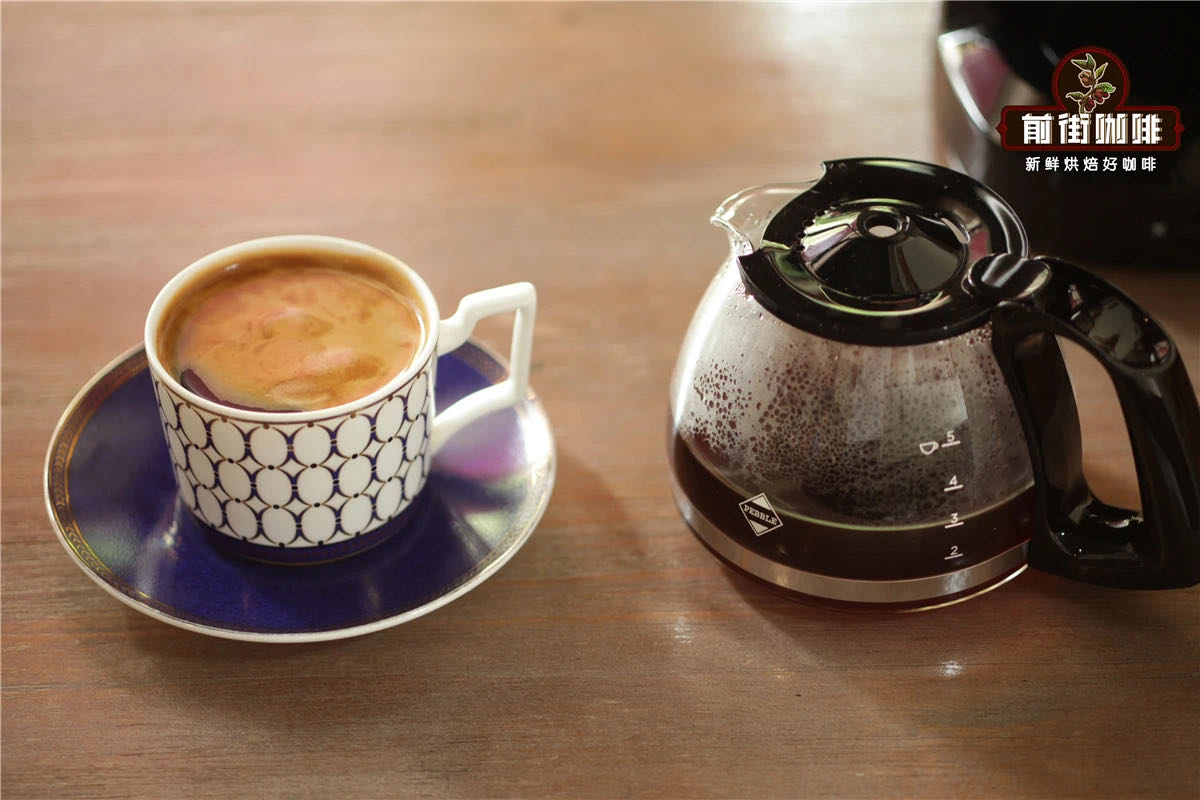
Espresso, Americano, and black coffee are often confused, though all fall under black coffee. Americano is made two ways: extracted directly on an American drip coffee machine, or by adding water to espresso. Drip machines produce a lighter, thinner body, and during World War II American officers in Europe diluted espresso with water to imitate that familiar style, so the name Americano was born.
True espresso requires a machine that forces water at about 9 bar through finely ground coffee. For iced Americano or hot Americano, the ratio of espresso to water and ice decides balance. The article also lists reference extraction parameters and recommended espresso blend choices, so drinkers can understand the principles and still make a balanced cup at home.
Many friends who are just getting into coffee often can't distinguish the relationship between espresso, Americano, and black coffee. Although they all fall under the category of black coffee, their preparation methods and flavor profiles differ significantly. From Front Street's perspective, this article sorts out the origins of Americano and its two preparation methods, explains the authentic extraction conditions and reference parameters for espresso, and offers Front Street's recommended espresso blend bean choices. Meanwhile, the article also compiles the complete operational steps for espresso, as well as specific ratios for iced Americano and hot Americano, helping coffee enthusiasts understand the principles while also being able to make a balanced cup of coffee themselves.
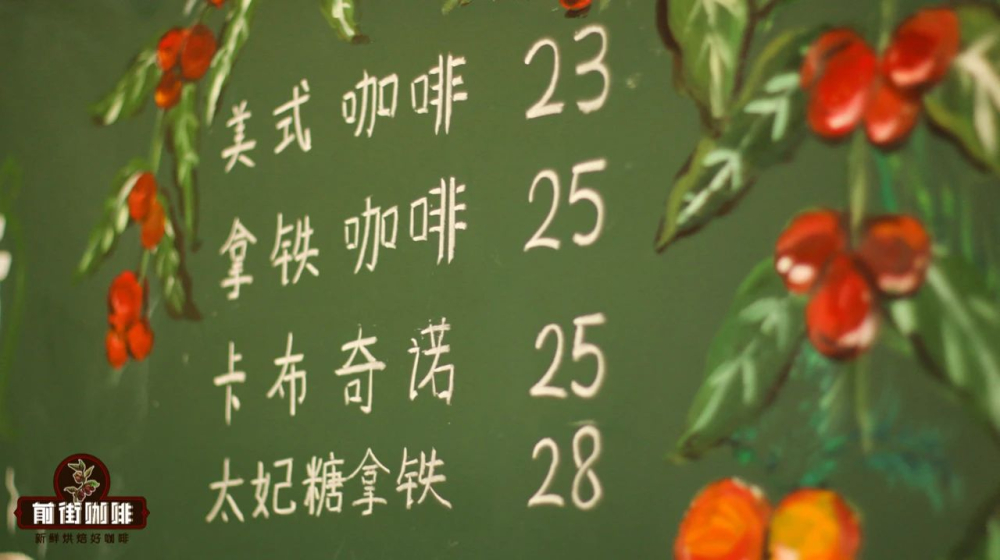
For people who don't frequent coffee shops, seeing espresso and Americano listed side by side on the menu often leaves them confused. You may know they both fall under the broad category of black coffee, but if asked to specifically explain the difference between the two, you might not be able to answer. Next, Front Street will help clarify this issue.
Americano
There are two paths to making Americano. One is to extract it directly using an American drip coffee machine, and the other is to add water to espresso. The difference between these two methods can be found in the historical evolution of Americano.
American drip coffee machines were initially widely popular in American households, and locals had long been accustomed to the coffee style produced by drip machines—lighter in taste, lower in body, with a prominent watery quality. During World War II, American military officers drinking in Europe mostly had espresso, which was intense on the palate with a strong stimulating effect.
To replicate the flavor of drip machines, they added water to dilute the espresso. This treatment greatly reduced the coffee's intensity, making it easier to drink. Since other parts of Europe didn't have this way of drinking coffee at the time, this watered-down coffee was given the name "Americano." In fact, this name carries a hint of mockery—it was locals poking fun at Americans for not being able to handle espresso. The French even privately called Americano "sock coffee" to complain about its poor taste.
Espresso
True espresso must be extracted using an espresso machine with pressure capability. The extraction parameters should be flexibly adjusted based on the specific coffee machine model, grinder condition, and the characteristics of the coffee beans used.
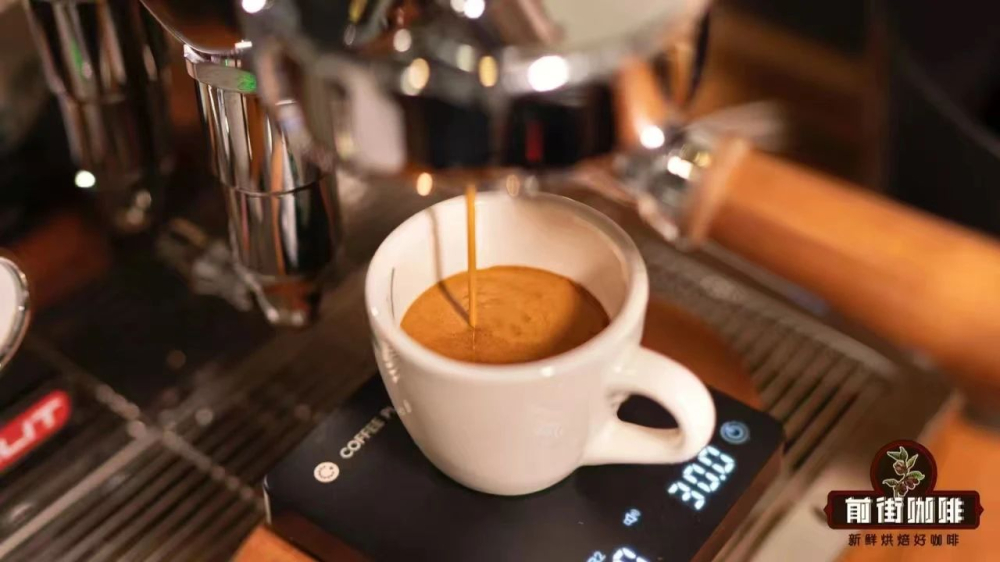
Here, Front Street Coffee provides an initial reference extraction value for espresso: take 20 grams of grounds (using a double espresso filter basket), extract 40 grams of coffee liquid at a 1:2 ratio and 9 bar pressure, taking 25 to 30 seconds. After extraction is complete, make corresponding fine adjustments based on the actual flavor performance.
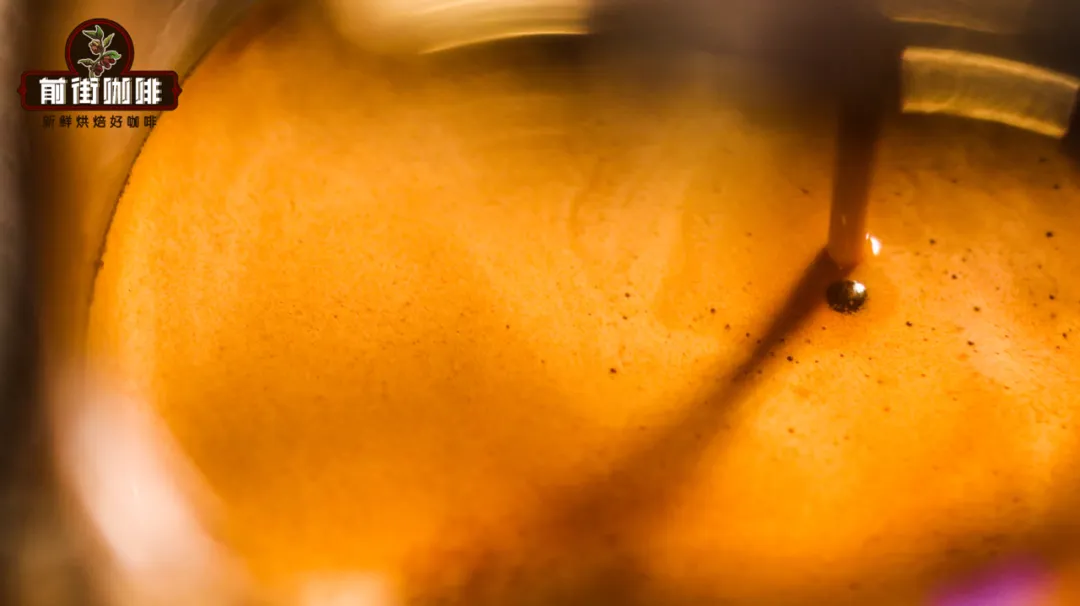
A qualified Espresso should meet these conditions: the surface is covered with golden Crema, the crema layer is complete without holes or exposing the liquid beneath, and the aroma is rich and pungent. High-quality espresso is smooth on the palate without graininess, with a hint of slight acidity within the intense coffee flavor—strong but not burnt-bitter, finishing with a clean sweet aftertaste, with a noticeable sweetness felt in both the throat and on the tongue.
The Preparation Steps for Americano and Espresso
When it comes to choosing coffee beans, Front Street Coffee recommends using dedicated espresso beans—you can purchase [Front Street. Specialty Espresso Blend Coffee Beans]. This blend combines recipes from two major producing regions, Brazil and Colombia. Whether making espresso or Americano, the flavor performance is quite good, featuring a rich chocolate aroma, a charming nutty flavor in the mid-palate, and a lasting sweet aftertaste in the finish—very well-liked.
If you're relatively sensitive to coffee's bitterness, then choose Front Street. Strawberry Candy Espresso Blend, which uses a medium roast. It uses Front Street Costa Rica Tarrazú, known for its honey processing, plus Ethiopia, the birthplace of coffee, as the two base origins, supplemented by Colombian coffee beans. The resulting espresso has low intensity, presenting good crema and a velvety texture under the coffee machine's extraction, while carrying a strawberry gummy-like sweet-tartness—suitable for making Americano or latte.
Many coffee enthusiasts who come to Front Street and see the baristas operating the coffee machine behind the counter feel admiration, curious about how they manage this seemingly complex equipment. Actually, what baristas master is simply the detailed process of making espresso—as for how the coffee machine operates internally, most baristas can't explain it clearly either. So today, Front Street will introduce the specific steps for making espresso. Taking Front Street Coffee's standard operating procedure as an example:
Step One: Wipe the filter basket to ensure the interior is dry with no residual moisture
Step Two: Weigh the coffee grounds—use an electronic scale to weigh out the appropriate amount of coffee grounds, with error controlled within plus or minus 0.1 grams
Step Three: Distribute the grounds
Step Four: Tamp
Step Five: Lock in the portafilter
Step Six: Press the extraction button
Step Seven: Remove the portafilter and clean the group head.
Front Street espresso extraction recommendation: 20 grams dose, extract 40 grams of coffee liquid, in 30 seconds
And just like that, a shot of espresso is extracted. However, for most people, its concentration is ultimately too high to drink directly, so milk or drinking water is usually added to make a latte or Americano before drinking, which tastes better.
At Front Street, generally 100 grams of ice cubes are prepared first, then 120 grams of drinking water is poured in, and finally Front Street Specialty Blend espresso is added—a standard iced Americano is complete. As for hot Americano, simply replace the ice water with 160 to 200 grams of warm water, then pour in Front Street Specialty Blend espresso, and it's done.
The above content is compiled by CoffeeHunters, a coffee news website.


