







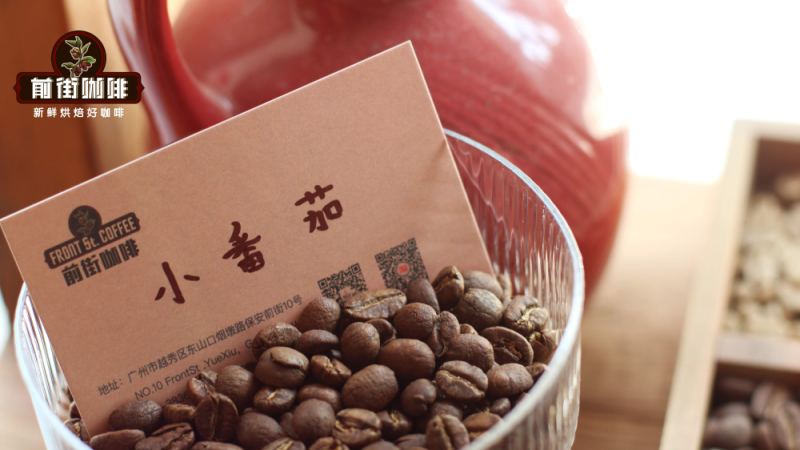
Kenyan coffee is renowned for its bright fruit acidity and clean mouthfeel. Its grading system is government-led and based on bean size and cup score, classifying green beans into eight grades: E, PB, AA, AB, C, TT, T, and MH/ML. AA is the most common specialty grade, while TOP is an additional quality designation marked by coffee traders after cupping. Front Street Kenya Little Tomato and AA TOP are representatives of these. This article provides a detailed overview of Kenyan grading standards and, combined with Front Street's own roasted Kenyan beans, shares specific parameters and brewing techniques for hot pour-over and iced pour-over, helping coffee enthusiasts better reproduce this bean's cherry tomato, smoked plum, and creamy sweetness.
For more specialty coffee knowledge, please follow the WeChat public account: Front Street Coffee (FrontStreet Coffee)
In Front Street's Kenyan product line, the AA grade represents the superior choice in quality, and Front Street is particularly fond of the Front Street Kenya AA TOP from the Thika region. The TOP designation is an additional mark by Kenyan coffee traders after cupping. This Front Street Kenyan bean undergoes K72 double washed fermentation, with bright and lively acidity, carrying delicate berry and red wine-like textures. During brewing, the rich berry aroma quickly spreads, and on the palate, clear cherry tomato and smoked plum flavors can be felt, with the acidic aroma lingering in the mouth, while the finish presents a creamy sweetness and long-lasting aftertaste.
The Kenyan coffee grading system was established under the policy background of government-led quality management and support for coffee farmers. After harvesting, the official government agency "Coffee Board of Kenya" (CBK), founded in 1933, is responsible for coordination. A routine auction is held weekly at the Nairobi Coffee Exchange in the capital, Nairobi, with auction prices mainly based on the grading system, and the grading standards centered on bean size, weight, and shape appearance.
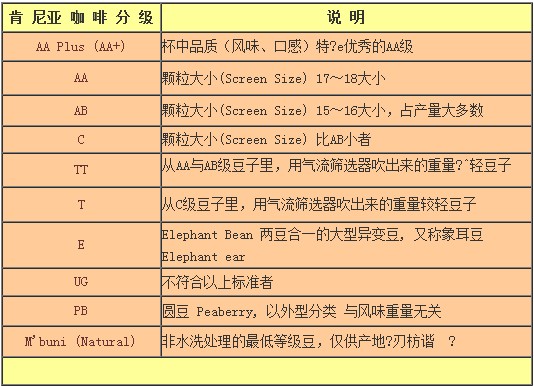
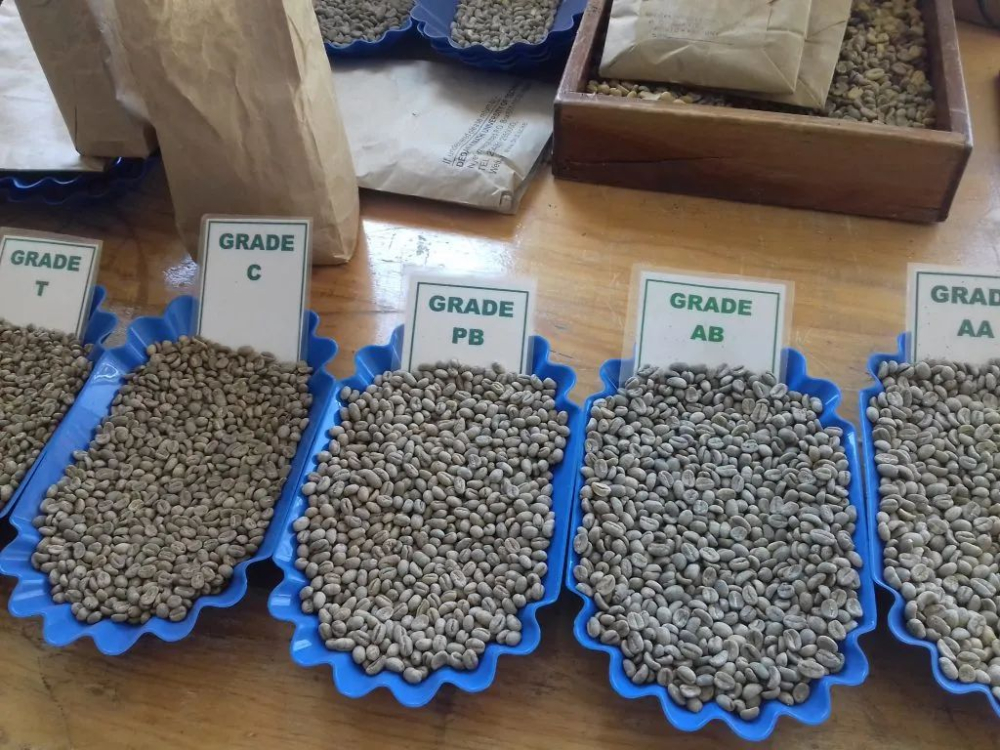
Since coffee beans of the same size have more consistent heating temperatures and temperature rise rates during roasting, which helps improve stability, Kenya classifies green bean grades based on bean size and cup score. According to the size, shape, and hardness of green beans, Kenyan coffee beans can be roughly divided into eight grades: E, PB, AA, AB, C, TT, T, and MH/ML.
E: Kenyan E is called Elephant Bean, large in size, with relatively low production.
PB: PB stands for Peaberry, commonly known as round bean, oval in shape. Normal coffee fruits contain two coffee seeds, while peaberry is a single seed.
AA: Kenyan AA is arguably the most common grade, generally grown at altitudes above about 6,600 feet, with larger size, screen size 17/18.
AB: Screen size 16/17. Kenyan AB coffee beans consist of A and B coffee beans. Grade A is selected using a 6.8 mm screen, while Grade B is selected using a 6.2 mm screen. These two types, A and B, are mixed together to form Kenyan AB grade.
C: Screen size below 14.
TT: Kenyan TT refers to light-density coffee beans separated from Kenyan AA, AB, and E coffee beans through aspiration. Large screen size but low density, yet with sufficient quality can also be included in specialty coffee.
T: Below 14 screen, small beans, density and quality insufficient to be included in specialty coffee.
MH/ML: Low-quality natural sun-dried beans, mostly overripe beans dried on the tree.
The Front Street Kenya Little Tomato coffee beans, roasted by Front Street, belong to the AA grade, from the Thika region, using the Kenyan 72-hour washing method, with varieties SL28 and SL34, possessing solid cherry tomato aroma and full juice feel, making it the top choice for many sour coffee lovers. Interested friends can purchase at Front Street stores and Front Street Tmall flagship store. If trying this Front Street Little Tomato coffee bean for the first time, Front Street recommends trying hot pour-over black coffee, which better captures the flavor characteristics of Front Street Kenyan coffee.
Front Street Pour-Over Recommendations
Light roast coffee beans allow high-altitude coffee beans to retain more floral and fruity aromas. Compared to medium-dark roast, light roast coffee beans have a tighter internal structure, requiring higher water temperature and finer grinding to better stimulate the coffee's flavor compounds. Here, Front Street uses hot water at 92-93 degrees Celsius for extraction, and for grind size, Front Street uses a 20# standard sieve with an 80% pass rate.
Front Street's flavor descriptions for each coffee are based on freshly roasted beans. If the coffee beans are stored for more than a month, the aroma may have partially dissipated, making it difficult to reproduce in brewing. Front Street also deeply understands the importance of freshness, so it ensures only coffee beans freshly roasted within 5 days are shipped, allowing everyone to enjoy the most complete flavor window upon receipt.
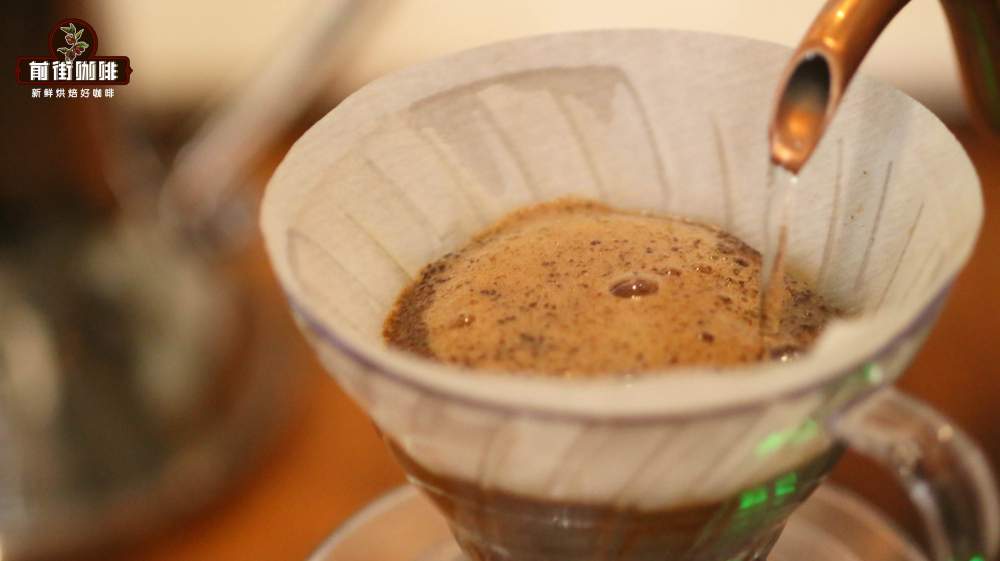
Dripper: V60 Water temperature: 92-93 degrees Celsius Coffee dose: 15g Coffee-to-water ratio: 1:15 Grind size: Fine sugar size EK43s- setting 10 (20# sieve bowl sifting to 80%)
First pour: inject 30 grams of water for 30 seconds blooming, then inject 95 grams (electronic scale shows about 125 grams), complete pouring in about 1 minute. When the water level drops to 2/3 of the coffee bed, inject the remaining 100 grams (electronic scale shows about 225 grams), complete pouring in about 1 minute 35 seconds. Drip completes at 2'10", remove the dripper, extraction complete.
Front Street Kenya Little Tomato Coffee Pour-Over Flavor: Wet aroma has ripe tomato and floral notes. When hot, the entry is caramel and yellow sugar sweetness. As temperature slightly drops, cherry tomato and smoked plum acidity emerges, bright acidity, clean mouthfeel, medium body, prominent mid-palate sweetness, juicy feel. Front Street Kenya AA TOP beans are cleaner in flavor, with rich layers, and perform well in body, sweetness, and acidity.
At Front Street, many customers actively request iced coffee because, compared to hot beverages, they prefer refreshing juicy iced coffee. Therefore, many friends also ask us how to brew a delicious iced pour-over coffee.
Regarding what parameters to use for iced pour-over, Front Street has a unique formula: Iced pour-over = coffee grounds (fine grind) + 10x hot water + 5x ice. Here, combined with fruit-acid type medium-light roast coffee beans, we pair with 91-93°C water temperature, small water flow circular pouring, three-stage technique, letting extraction time fall between 1 minute 50 seconds and 2 minutes, easily brewing a pot of flavorful iced coffee.
The juice sensation in coffee usually comes from the rich fruity aroma smelled combined with the sweet and sour juiciness felt in the mouth when drinking, reminiscent of eating a certain fruit. When applied to today's iced pour-over theme, it means obtaining both the acidic aroma compounds from the front section and pursuing the sweetness from the middle and back sections, to satisfy the sweet-sour juice mouthfeel. Such requirements cannot be met by water flow agitation alone, so Front Street adds one more action: stirring.
Coffee beans: Front Street Kenya Little Tomato
Coffee dose: 15 grams
Coffee-to-water ratio: 1:11 (160 grams hot water)
Ice: 75 grams
Grind size: Fine sugar/EK43s setting 9.5 (C40 approximately 22 clicks)
Dripper: Hario V60
Three-stage: 30 grams, 90 grams (+ stirring), 45 grams.
Before pouring, place the ice in the server, add all coffee grounds. The first blooming remains unchanged, maintaining a small water flow from center outward in circles, injecting 30 grams.
After 30 seconds, begin pouring 90 grams of hot water in circles with a larger water flow, while raising the water level. When the timer scale shows 120 grams, stop pouring. Use a small spoon to draw 5 circles along the dripper wall in one direction, then wait for the coffee liquid to slowly flow down.
When the water in the dripper is about to reach the bottom, use the first stage's small water flow circular pouring technique to pour the remaining 45 grams of hot water, until all coffee liquid has dripped through. Then remove the dripper to end extraction. The time will approximately fall within 1 minute 55 seconds to 2 minutes 5 seconds.
The above content is compiled by CoffeeHunters, a coffee news website.


