








To make a delicious pour-over coffee at home, you actually don't need to get hung up on details like grind size, water temperature, or technique right from the start. Drawing on the practical experience of Front Street Coffee, this article systematically lays out the definition of pour-over coffee, the essential tools, how to choose a coffee-to-water ratio, how to judge grind coarseness, and the complete three-pour process. It also explores a deeper question: there is no such thing as a perfect brewing method for coffee—what you really need to learn is how to observe the extraction process and apply its logic flexibly. Whether you're a complete beginner or a veteran looking to refine your skills, you'll find useful references here.
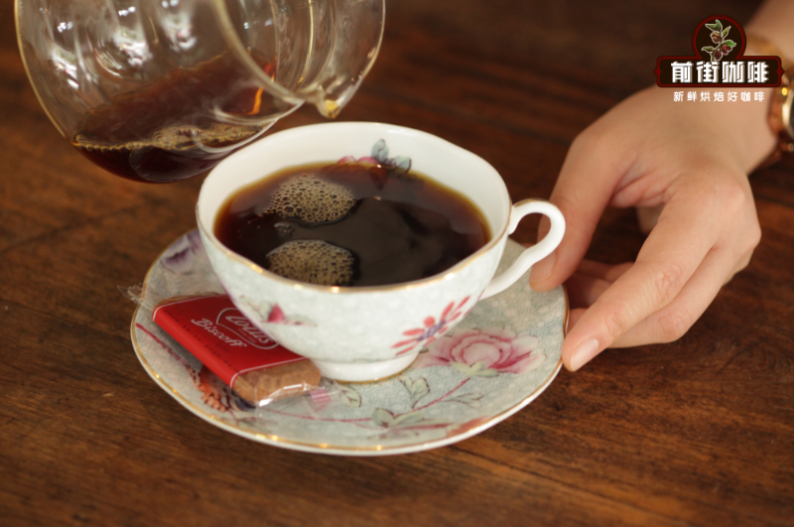
For those who love drinking coffee, pour-over is a skill truly worth mastering. Whether it's an everyday daily-drinker bean or a specialty bean, pour-over is both an extremely popular extraction method and a mainstream brewing technique that accompanies us as we keep progressing. With the coffee scene in China growing richer by the day, pour-over has long since entered many people's daily lives. Now let Front Street Coffee share how to make a delicious cup of pour-over coffee.
What exactly does pour-over coffee mean?
Pour-over coffee, also called drip coffee, was invented in 1908 by a German woman named Melitta Bentz. To promote this novel extraction method, Frau Melitta founded the Melitta company the same year, selling various coffee equipment. Simply put, pour-over means pouring hot water over coffee grounds, letting the soluble substances dissolve into the water, then dripping through a paper filter or mesh into a vessel, ultimately yielding a cup of black coffee.
For friends just getting into pour-over, Front Street doesn't recommend obsessing over parameters like grind size, technique, or water temperature right away. As long as you grasp a few basic principles and details, brewing a good cup at home is not difficult.
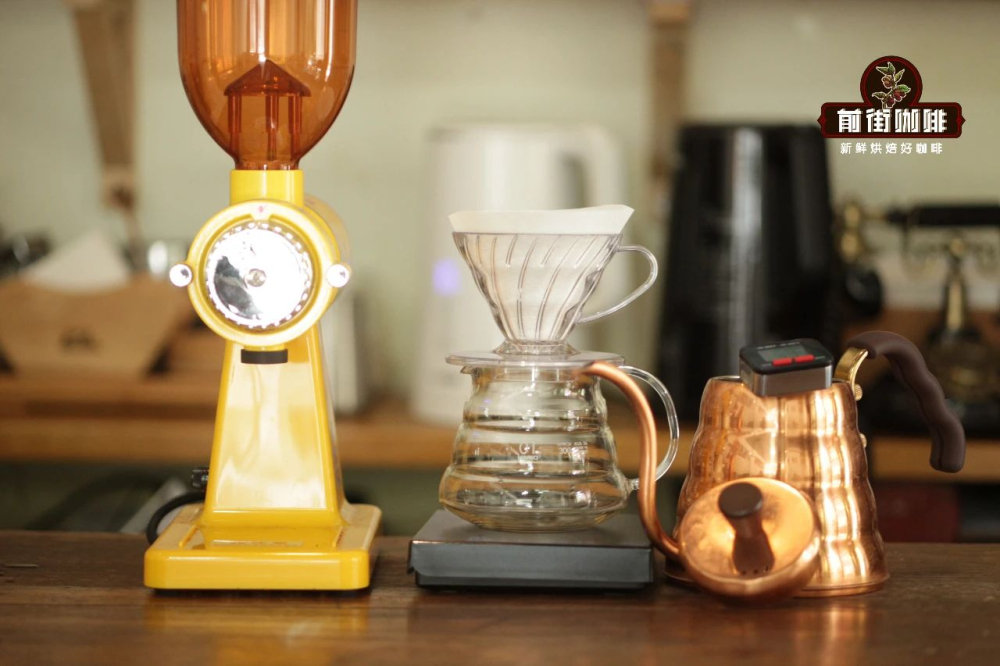
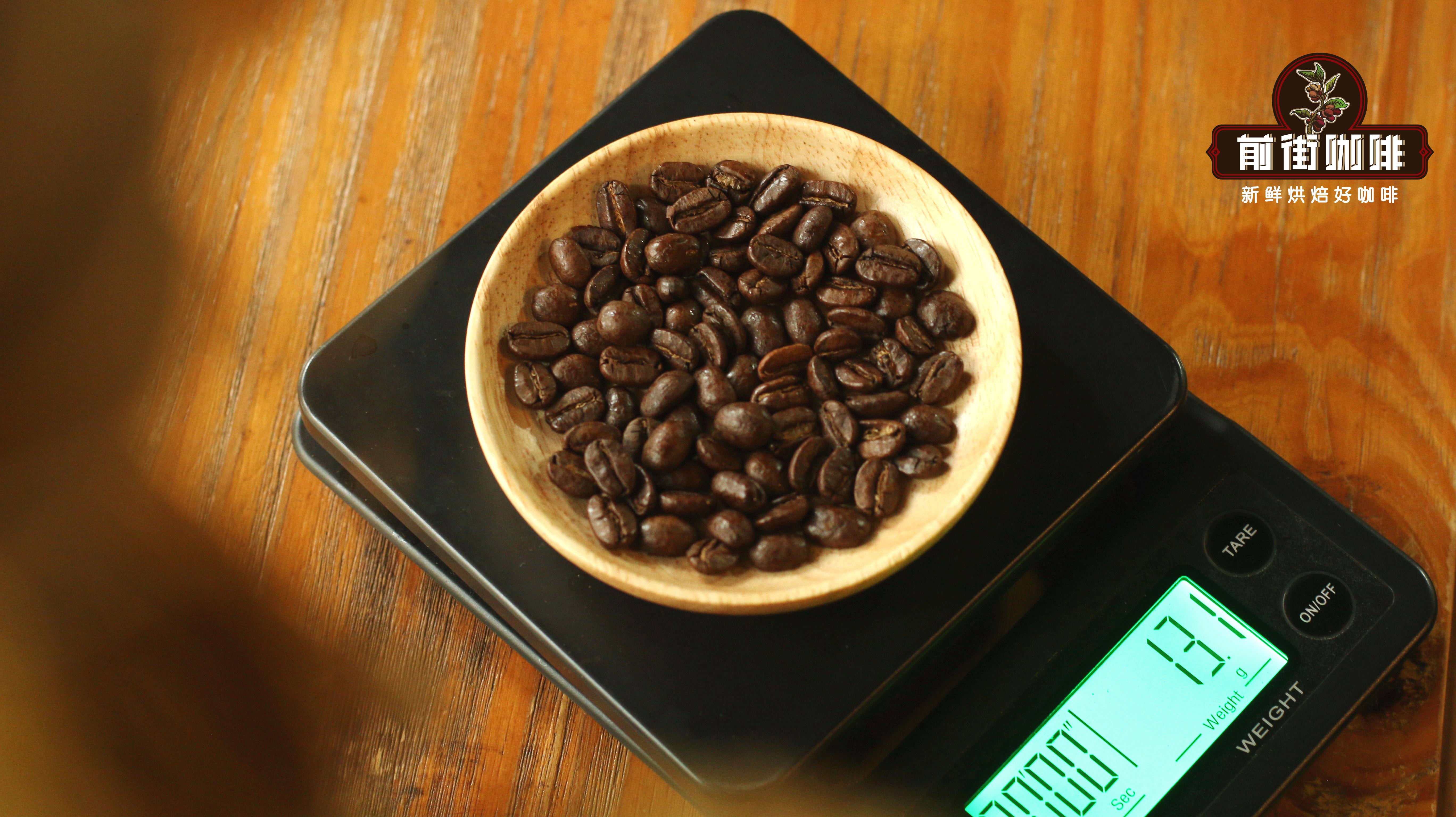
Before starting, you need to prepare the following equipment: a digital scale with a timer, a 0.85 mm standard sieve for grind verification, a thermometer, a grinder, a pour-over kettle, a dripper, and paper filters.
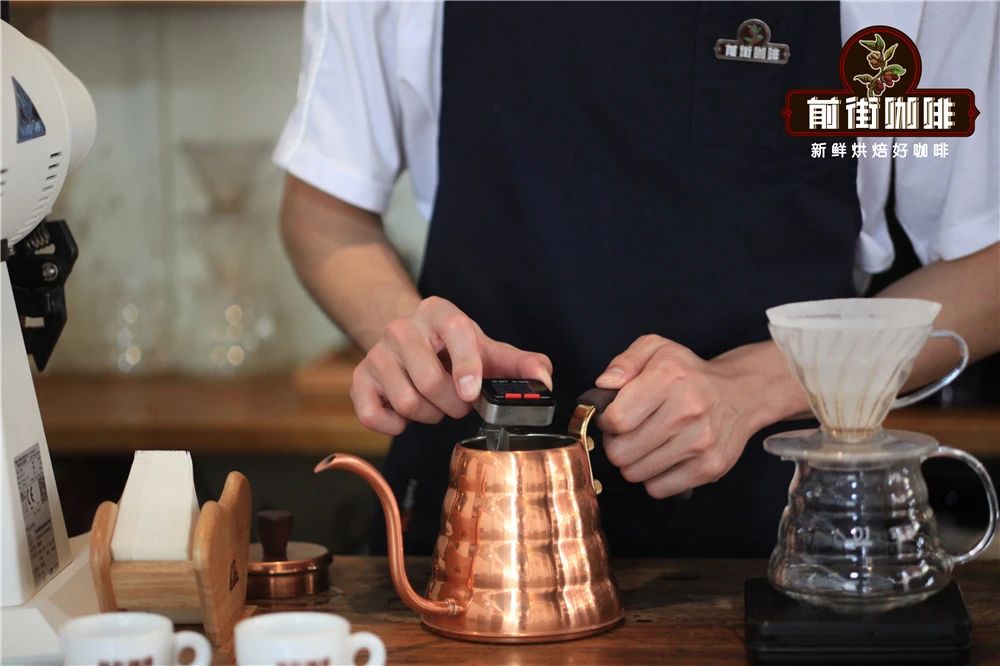
Prepare hot water: the heating temperature is typically kept between 85°C and 95°C; for a first attempt, you can use 90°C directly. If the brew comes out too bitter, lower the temperature; if too sour, raise it.
Weigh out the coffee beans: how many beans you use depends on how large a cup you want to drink; generally 15 grams is enough for a single serving. Once you've decided the bean weight, choose a suitable coffee-to-water ratio to control the strength of the final cup. Front Street recommends 1:15, i.e., 15 grams of coffee to 225 grams of hot water. Then fine-tune based on actual taste—if it feels too weak, reduce the water to 1:14; if too strong or bitter, add water to 1:16.
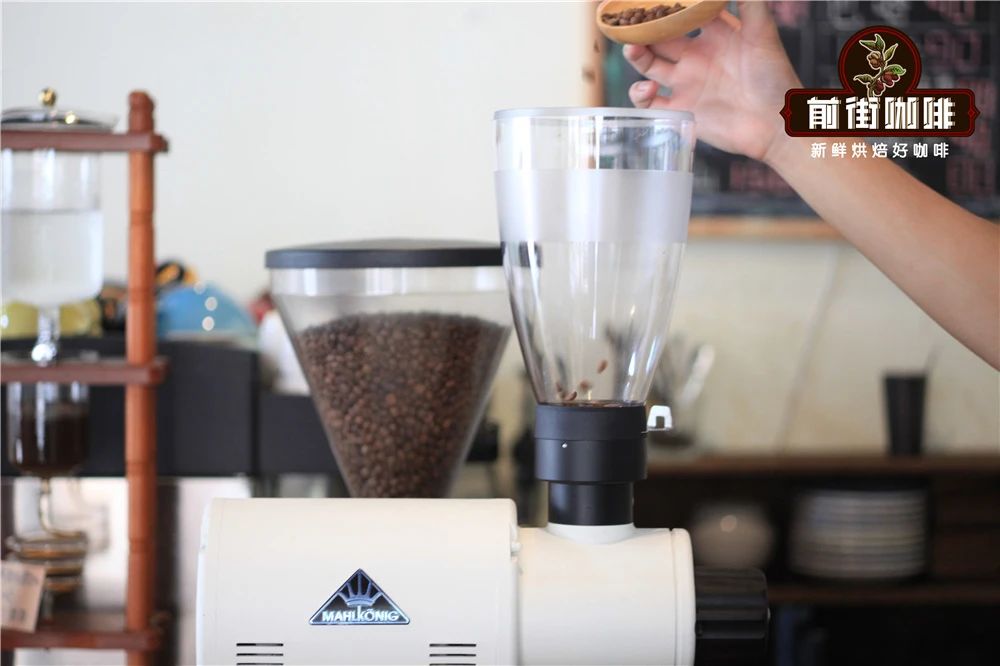
Grind the coffee beans: the coarseness of pour-over grounds is determined by your grinder's setting, and a good pour-over experience is inseparable from a reliable grinder. Common options on the market include Timemore hand grinders, Comandante hand grinders, Little Eagle electric grinders, Fuji Royal electric grinders, the Baratza Encore grinder, and Welhome grinders. Front Street Coffee uses an EK43s electric grinder.
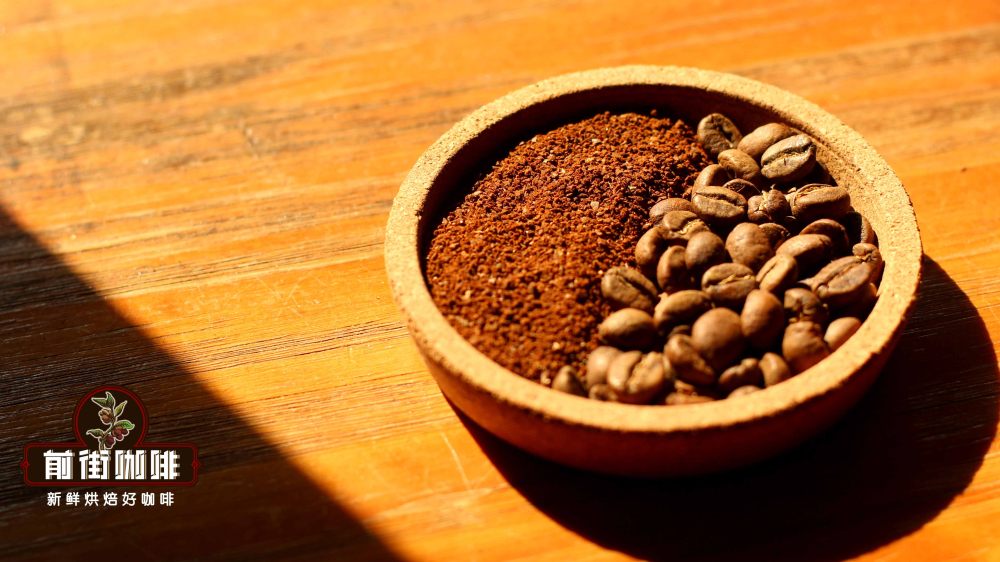
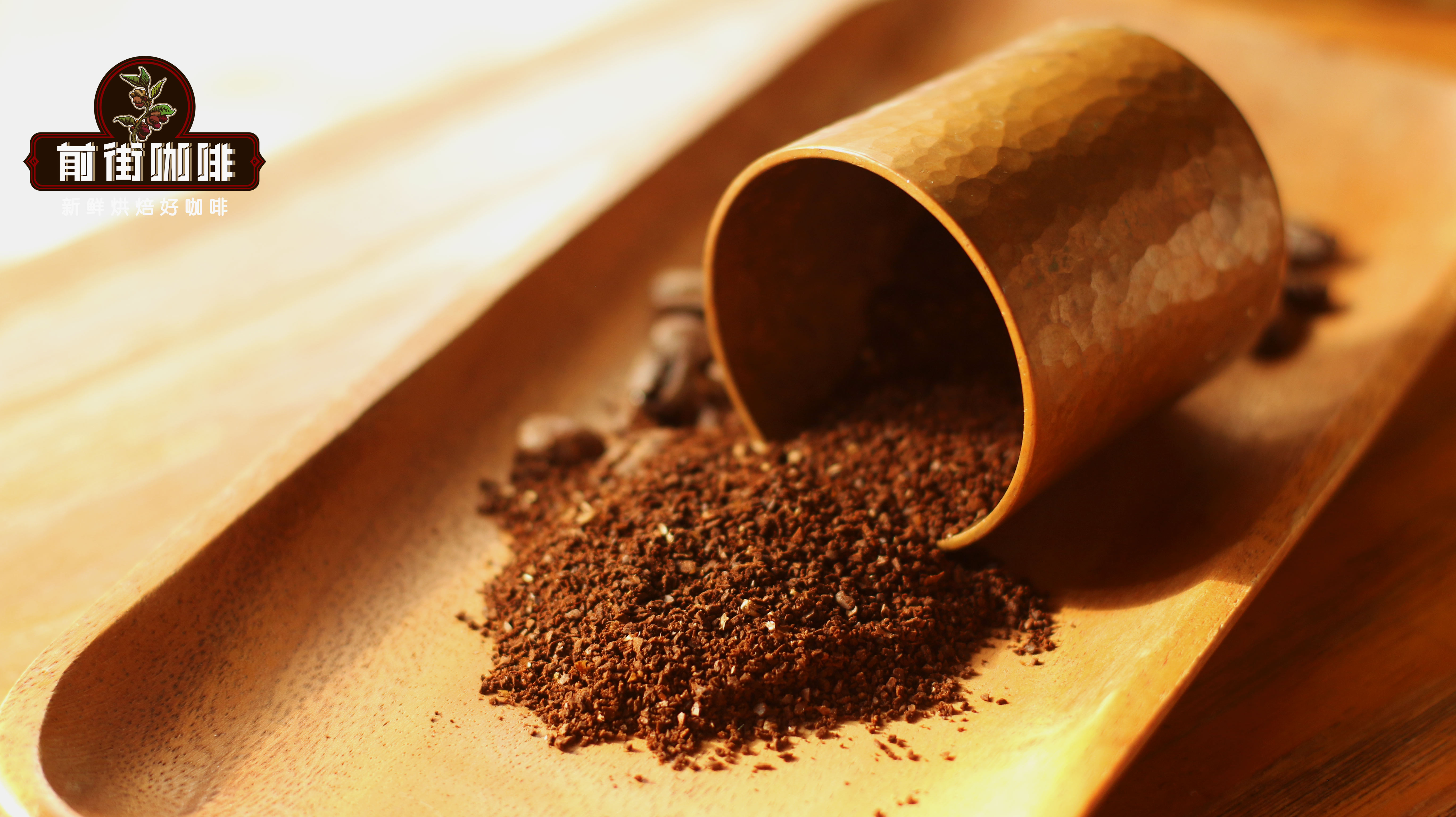
In the world of pour-over, grind size remains one of the variables hardest to describe precisely in words. Everyone's grinder is different, so when baristas and customers discuss grind size, they often communicate first through visual analogy. Though this method has its limits, it does help us quickly enter a relatively conservative reference framework.
Fine-sugar-like grind is characterized by being fine and dense, feeling slightly sandy to the touch with no obvious graininess. During extraction, the small particles release flavor compounds more fully, making it generally suitable for light to medium roasts featuring floral and fruity aromas.
Coarse-sugar-like is also often called granulated-sugar-like; it's not easy to distinguish from fine sugar by eye, but rubbing it between thumb and forefinger reveals obvious grains (chewing it even produces a crunch). Coarse sugar has a larger specific surface area, helping avoid over-extraction from soaking too long, so it suits medium-dark or dark roast beans—the kind featuring chocolate, caramel, and cocoa flavors.
Sea-salt-like is the easiest to judge, referring to a state like large crushed crystals of coarse salt, mostly visible as lumps to the naked eye and overall rather uneven, so it's better suited to immersion extraction than drip—for example, French press or Clever Cup.
Based on Front Street's experience, if you can't judge visually, you can also infer whether the grind is too coarse, too fine, or just right by combining the particle forms and timing during extraction. Because no matter what the particle size distribution is, it ultimately has to be verified against the actual brewing stages and taste performance—the form of suspended particles during blooming, the total drip time, and the particle size of the spent grounds all provide clues.
Explanation of the three-pour method for pour-over coffee
Front Street habitually uses the three-pour method when brewing coffee, with the total pouring time controlled at around 2 minutes. The "three pours" mainly consist of the bloom, the second pour, and the third pour. Staged extraction clearly presents the coffee's front, middle, and back notes while ensuring rich layers.
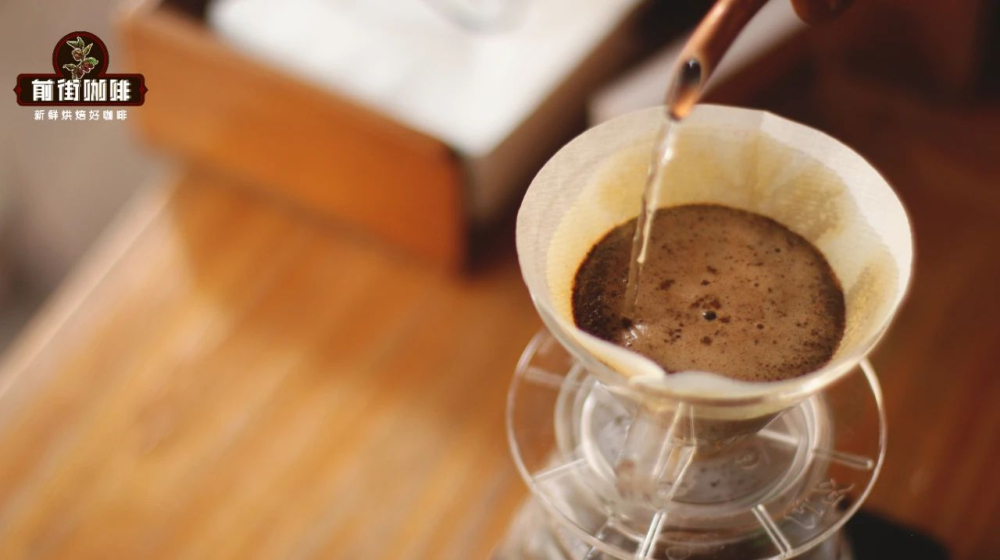
Whether a cup of pour-over tastes good—Front Street believes the coffee beans are key. First, as the star of the show, the beans must be fresh, ground fresh and used immediately, which is why Front Street insists on fresh roasting. When brewing with freshly roasted beans, the high-temperature roasting has let the beans accumulate a large amount of gas (mainly carbon dioxide), so on contact with hot water the coffee bed puffs up, forming the so-called "little hill." This process of the coffee grounds' first contact with hot water and expansion is what baristas call "blooming."
First pour: the bloom
The bloom time, like most people, is 30 seconds at Front Street. When the surface of the coffee grounds finishes expanding and begins to shrink, it means degassing is complete and you can start the formal pouring. Basically, for rested beans roasted within one month, Front Street will bloom for 30 seconds.
Second pour
The second pour begins the moment the bloom ends, that is, when the digital scale shows 30 seconds. Pour the second stage of 95 grams with a straight, steady stream, slowly circling from the center outward, with the aim of lifting the entire coffee bed. The stream should be poured vertically and evenly; after pouring, the scale shows 125 grams, at around 55 seconds.
Third pour
When the liquid level drops to the halfway point, switch to a gentle stream and circle in a small radius to pour the third stage of 100 grams, until the scale shows 225 grams. Be careful not to pour too forcefully, or you may disturb the coffee bed and cause under-extraction. After pouring, wait for the coffee to drip through naturally; it should finish draining in about 2 minutes, at which point you can remove the dripper. Finally, remember to swirl the coffee in the server to even it out before tasting, so the aroma is fully released.
Here Front Street reminds you again that in the three-pour method, the amount of water in each pour is not fixed. You can first practice according to Front Street's plan, and once you've built up some experience, adjust based on your understanding of the beans and your own taste preferences. Front Street believes there are thousands of paths to brewing a good cup of coffee—as long as you keep learning and improving, mastering pour-over with ease is no difficult task at all.
There is no such thing as a "perfect brewing method" for coffee
The biggest fear when learning pour-over is developing a misconception—thinking that once you've mastered some "perfect brewing method," you can brew any bean in the world.
Coffee is a crop; harvests vary from good to bad, and the green bean processing may also deviate, so the taste of beans can never be constant. What the brewer must do is seek that dynamic balance point.
Before brewing, it's essential to first understand the strengths and limitations of the beans and equipment you're using. Every time you buy a new bag of beans, every time you switch filters, every time you adjust a variable, it's a brand-new learning experience for brewing. So what you need to learn in pour-over is not a trick or two, but how to observe the reaction between coffee grounds and water, and how to grasp the flexible application of extraction logic.
As Front Street understands it, coffee brewing is an experiment with a scientific foundation. To learn pour-over well, you need a deep understanding of the true meaning behind each brewing parameter. Only then can you find a method for experimentation and build a brewing framework that suits you.
So is pour-over simple or complex?
It depends on how high you set your standards for coffee. It depends on whether you want to reproduce the flavors as faithfully as possible, or just want something drinkable; whether you're a gear-swapping enthusiast or a minimalist who sticks with one cup and one kettle; whether you've built up basic brewing logic. All of these affect whether you find pour-over simple or complex.
No matter simple or complex, if the coffee you brew tastes good to you, isn't that enough?
The above content is compiled by CoffeeHunters, a coffee news website.


