







Why does Huila coffee taste so balanced and sweet?
Colombia is the largest producer of washed Arabica, and its southern highlands above 1,500 meters are where specialty lots are concentrated. Huila, embraced by the Andean mountain system with nitrogen-rich volcanic soil, yields coffee known for nutty, chocolate and caramel aromas with balanced sweetness. San Agustín in Huila is a leading southern representative.
Beans from southern regions such as Huila, Cauca, Nariño and Tolima generally show delicate acidity and berry notes. Front Street Coffee brews its Colombian Huila washed daily bean at 88°C with a full pour-over technique, and recommends Sidra and Maragogype for floral and fruity character. A barista can narrow the menu by asking about taste preferences first.
Why can Colombia consistently sit firmly on the throne of the "daily staple king" in the hearts of specialty coffee lovers? This article takes you into the world's largest producer of washed Arabica—Colombia—covering the history of coffee's introduction, the three mountain ranges that stand side by side, and all the way to the southern star region of Huila: embraced by the Andean mountain system and endowed with nitrogen-rich volcanic soil, the coffee it produces is known for nutty, chocolate, and caramel aromas along with balanced sweetness. Front Street Coffee will also disclose the variety profile of its own Colombian Huila washed daily staple beans, the 88°C pour-over parameters and complete pouring technique, and recommend two beans with outstanding floral and fruity notes—Sidra and Maragogype—helping you easily choose beans and brew consistently.
For more coffee essentials, welcome to follow Front Street Coffee's WeChat official account: FrontStreet Coffee
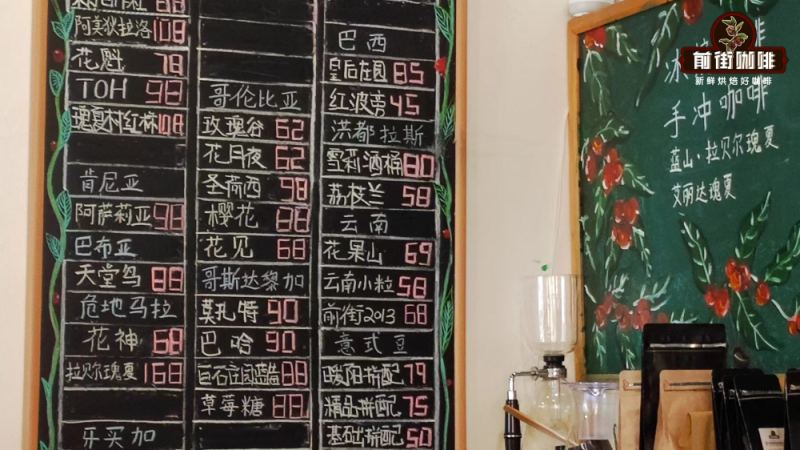
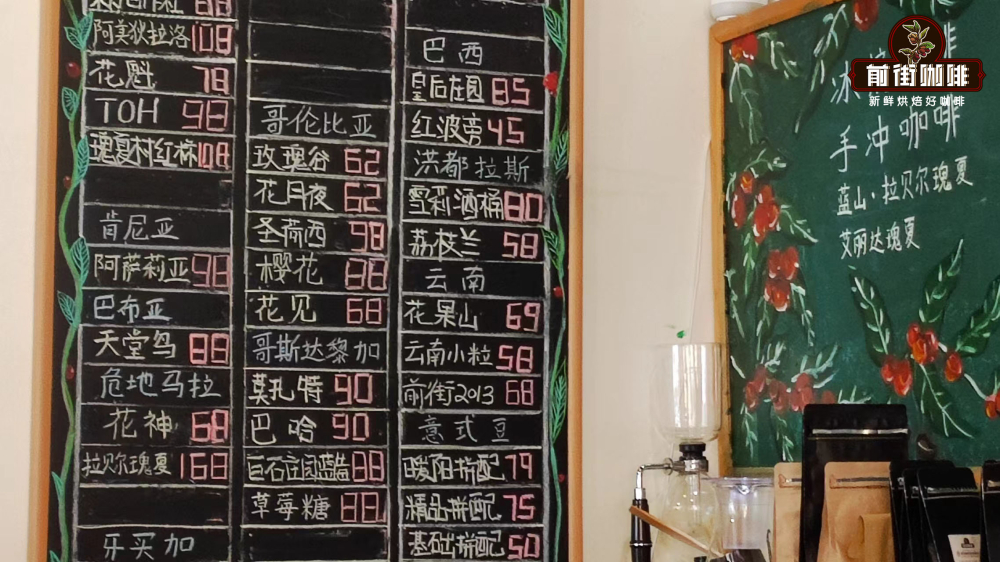
Anyone who has visited a Front Street Coffee shop will be impressed by the dazzling array of beans on the menu. For beginners, this "abundance" actually means a higher threshold—the more bean options there are, the more it tests consumers' own coffee knowledge, making it easy to struggle when choosing. Fortunately, every Front Street Coffee barista will first patiently ask about your taste preferences, then make recommendations accordingly. Among the many options, the Colombia series has won over countless fans with its complex layers and varied fruity notes.
Looking across the coffee-producing countries of Central and South America, Colombia can be called "favored by heaven": its vast mountainous terrain creates a wide variety of climate types, laying an extremely solid innate foundation for cultivating high-quality Arabica. Below, Front Street Coffee will explain from several dimensions what exactly makes Colombian coffee so good.
Colombia's coffee map is enormous, and among them the most famous are the three major producing regions of Armenia, Manizales, and Medellín, which the industry habitually calls "MAM." Specialty-grade beans, however, are mostly concentrated in the high-altitude areas of the south (generally above 1,500 meters), represented by San Agustín in Huila, Popayán in Cauca, as well as Nariño and Tolima. Coffee from these places generally shows delicate acidity and berry notes, along with caramel-like aromas and excellent sweetness.
Colombian Huila is located in the southwest of the country and is one of the most important coffee-growing regions within its borders. Because numerous well-known growing villages are scattered throughout Huila, the names of these small places gradually evolved into brand names circulating on the market. Although the local terroir is equally excellent, unfortunately the supporting infrastructure around the farms has yet to catch up—both green bean drying equipment and washing processing facilities remain lacking, which is quite regrettable. The Colombian daily staple beans Front Street Coffee has prepared for you come from the Huila producing region.
Before discussing the producing region, as usual let's first talk about Colombia's coffee origins. There are multiple versions of how coffee was introduced to this country, and although it is difficult to reach a conclusion, most people tend to believe that Jesuit missionaries brought coffee into Colombia in 1723. Afterward, coffee was accepted as a cash crop across Colombia at a rather slow pace, and production did not show a significant leap until the end of the 19th century; by 1912, coffee already accounted for 50% of its total imports.
What sets Colombia apart from other coffee-exporting countries is its strong emphasis on branding and marketing. Farmer Juan Valdez became the "poster boy" of the Colombian coffee world, and his classic image with a mule frequently appeared on packaging and in various advertising campaigns. It is precisely this deeply ingrained brand-building that added extra value to Colombian coffee and made it a widely recognized coffee in the United States.
Its uniquely favorable climate has made Colombia a true "natural pasture" for coffee growing. When Front Street Coffee has introduced Colombia in the past, it always could not help praising the country's unreplicable growing conditions: its iconic high-altitude terrain, combined with numerous tropical microclimates, has elevated the country's coffee quality to new heights. Spread out a topographic map and observe: western Colombia has three mountain ranges running vertically, shaped like the Chinese character "川": the Western Range lies close to the Pacific coast; between the Central Range are the Cauca and Magdalena river valleys, creating favorable shade conditions for coffee trees, and the world-famous Medellín producing region is located within it; while the third, the Eastern Cordillera, lies on the southwestern side.
According to existing statistics, Colombia is the world's third-largest coffee-producing country. Before Vietnam entered the coffee market with Robusta as its main force, its production was once second only to Brazil. A report released by the FNC in 2019 further pointed out that Colombia is the world's largest producer of washed Arabica.
It is no exaggeration to say that Colombian coffee today has won widespread recognition in the world's specialty coffee circles. And across the entire country, in terms of coffee output scale, no producing region can rival Huila province in the southwestern mountains. According to statistics from the National Federation of Coffee Growers of Colombia (FNC), in 2016 Huila produced a total of 2.6 million bags (60 kg each), about 18% of the national total; in the same year, a report from the Neiva Chamber of Commerce showed that 154,800 hectares of local land were dedicated to coffee cultivation. Of course, Huila's value is by no means limited to "quantity"—its "quality" is equally solid: it consistently produces Cup of Excellence award-winning beans.
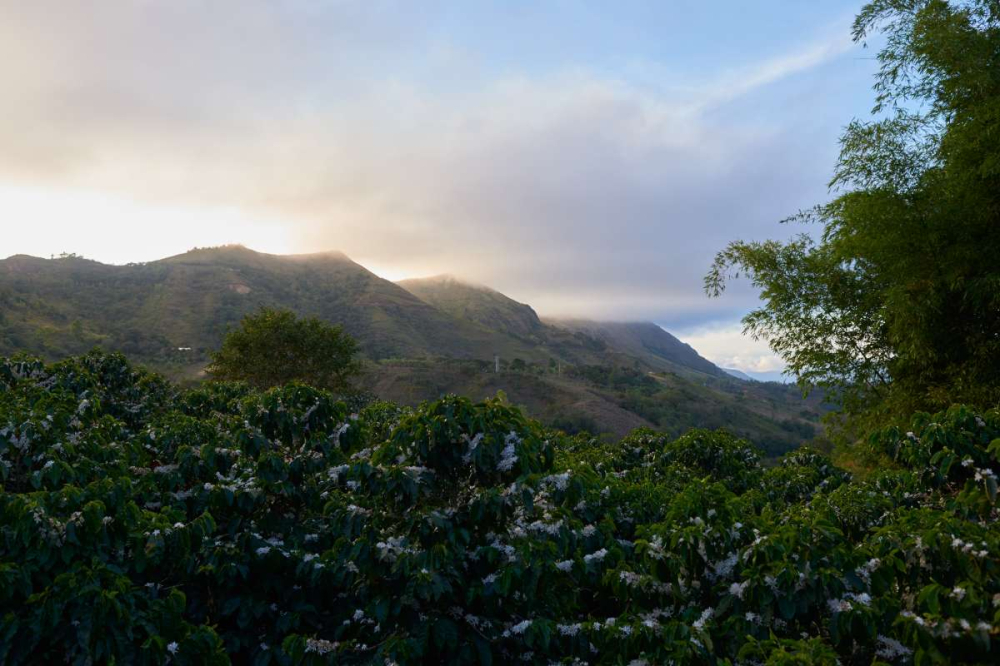
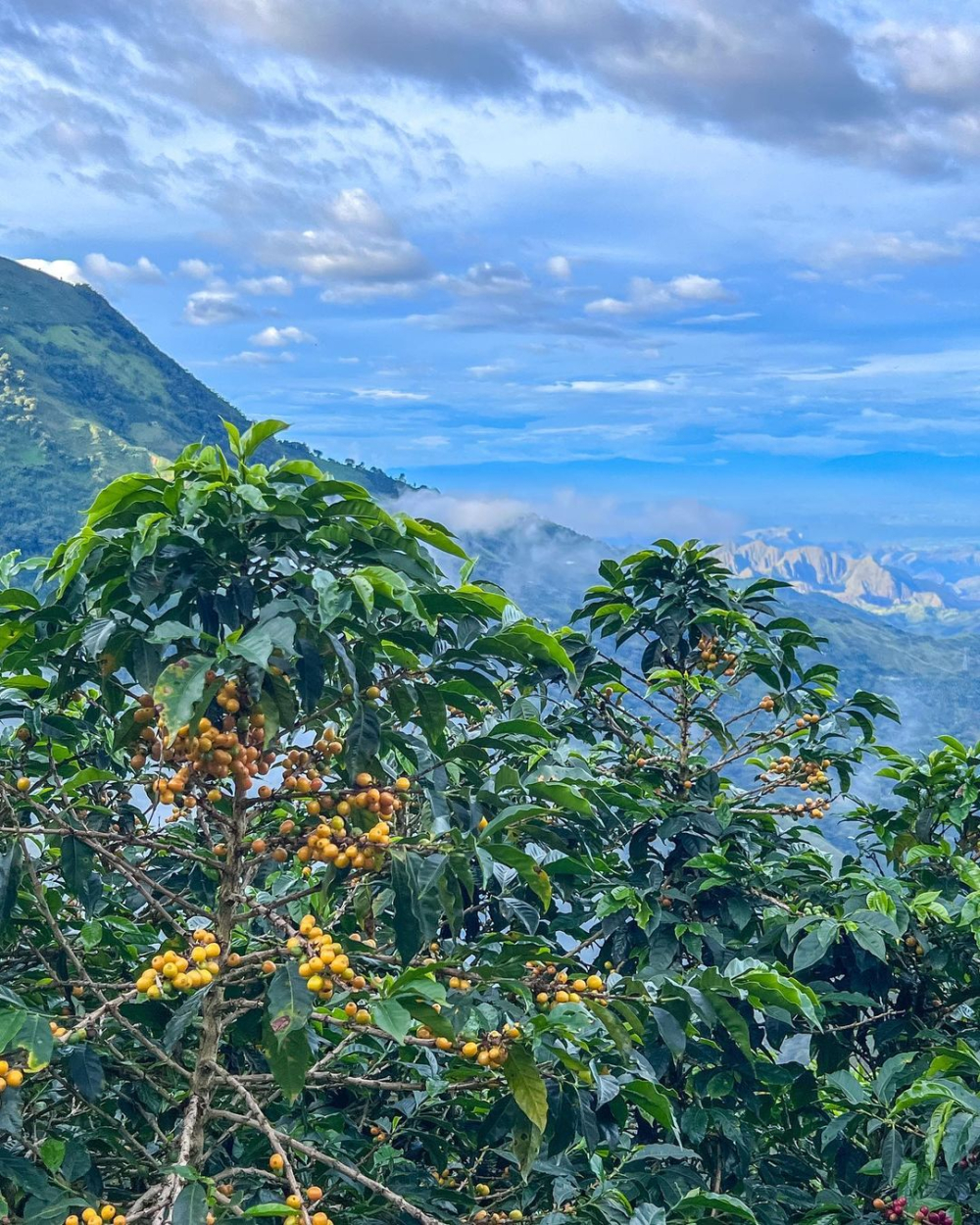
As for the specific growing environment of Huila coffee? This producing region is embraced by the Central and Eastern ranges of the Andes, with its main body located in the Magdalena Valley area, so climate fluctuations are quite pronounced. According to FNC data, temperatures on local farms generally range from 17°C to 23°C, with elevations mostly between 1,200 and 1,800 meters, and coffee trees are rooted long-term in nitrogen-rich volcanic soil. Huila beans have a delicate and smooth mouthfeel, relatively high body, and are extremely balanced; especially the nutty, chocolate, and caramel aromas, combined with just the right acidity, fully meet the threshold of high-grade specialty coffee—calling it "the gentleman among coffees" is no exaggeration.
Next, with this Front Street Coffee Colombian bean as the protagonist, let's first look at its basic profile:
Front Street Coffee Colombian Huila Washed Coffee Beans
Country: Colombia
Producing Region: Huila
Altitude: 1,500 to 1,800 meters
Processing Method: Washed
Variety: Caturra
One point needs to be explained: if you pay attention, you will find that most of Front Street Coffee's daily staple beans use washed processing. The reason is that Front Street Coffee believes that among the many processing methods, washed processing can most faithfully convey a place's terroir. Brew this bean according to Front Street Coffee's regular serving method, and you will taste a balanced overall mouthfeel: the sweetness is very prominent, and from the first sip there is a thick chocolate texture accompanied by caramel and nutty flavors; after the temperature drops, a faint touch of fruity acidity will also emerge. By the way, compared with beans from other Colombian producing regions, this Front Street Coffee Huila daily staple bean is roasted somewhat darker.
Front Street Coffee brewing plan:
Dripper: KONO
Water Temperature: 88°C
Coffee-to-Water Ratio: 1:15
Dose: 15g
Grind Size: Based on China Standard No. 20 sieve, about 80% pass-through rate
Front Street Coffee's pouring technique: First pour 30 grams of water for a 30-second bloom, then pour in a thin stream in circles, and make one stage break when reaching 125 grams; wait for the water level to drop and the coffee bed to be about to emerge, continue pouring in circles, and stop after adding to 225 grams; when the water level drops again and the coffee bed is about to be exposed, remove the dripper (timing from the start of the bloom), for a total extraction time of 2 minutes 00 seconds. Of course, this does not mean that Front Street Coffee's plan is the optimal solution; it is merely a baseline parameter set for achieving standardized output. When practicing at home, you might as well practice and experiment more to find the brewing path that best suits your own taste.
If you pay attention, you will notice that this Front Street Coffee daily staple bean uses Colombia's most common variety—Caturra. In fact, Colombia's bean pedigree is quite broad: common Central American varieties such as Bourbon, Catuai, and Typica are all grown here; Castillo, Tabi, Colombia, and Maragogype are more often seen as native to Colombia; in addition, in recent years emerging varieties such as Sidra and Maragogype have gradually become known to domestic enthusiasts through the stages of various world-class competitions.
In recent years, when mentioning the specialty producing region of Huila, many people's minds will conjure up Finca El Diviso, which shone brilliantly at the World Barista Championship. Here we recommend Front Street Coffee Sidra Coffee and Front Street Coffee Maragogype Coffee: both are medium-roasted, with charming floral aromas and abundant juiciness, and they are not picky about brewing methods—Moka pot, espresso machine, cold brew, pour-over, and even the Clever Cup can all handle them, thus capturing the hearts of a large number of coffee lovers. Those in need can purchase them through Front Street Coffee's Tmall flagship store.
The above content is compiled by CoffeeHunters, a coffee news website.


